The 1974 Jeep CJ5. A quintessential icon of American off-roading. Its short wheelbase, rugged design, and go-anywhere attitude have cemented its place in automotive history. For many enthusiasts, owning and restoring a '74 CJ5 is more than just a hobby; it's a connection to a legacy. However, tackling a restoration or even just maintaining a nearly 50-year-old vehicle requires a deep understanding of its components. This guide provides a comprehensive look at 1974 Jeep CJ5 parts, covering everything from identification and sourcing to common issues and helpful tips.
Why the 1974 CJ5 Holds a Special Place
Restoring a Legend: A Comprehensive Guide to 1974 Jeep CJ5 Parts
The 1974 model year is a sweet spot for many CJ5 enthusiasts. It sits right before the introduction of catalytic converters and other emissions controls that, while necessary, can sometimes hinder performance. The '74 CJ5 often features the robust AMC inline-6 engine, offering a good balance of power and reliability. Furthermore, the classic Jeep look, unburdened by later, more angular designs, makes it a highly desirable year for restoration.
Section 1: Under the Hood - Engine and Drivetrain Components
The heart of any vehicle is its engine, and the 1974 CJ5 offered a few options. Knowing which engine your Jeep came with is crucial for sourcing the correct parts.
-
Engine Options:
- 232 Cubic Inch Inline-Six: This was the standard engine, known for its reliability and adequate power for most off-road situations.
- 258 Cubic Inch Inline-Six: A more powerful option, offering increased torque and better performance for demanding tasks.
- 304 Cubic Inch V8: The powerhouse of the lineup, providing significant horsepower and torque for serious off-roading or towing.

Key Engine Parts:
- Carburetor: Carter YF (1-barrel) for the inline-sixes, or a Motorcraft 2100 (2-barrel) for the V8. Rebuilding kits are readily available.
- Distributor: Identifying the correct distributor is vital for proper ignition timing. Match the part number to your engine.
- Water Pump: Replacing the water pump is a common maintenance item. Ensure you get the correct pump for your engine type.
- Fuel Pump: Mechanical fuel pumps were standard. Check for leaks and replace as needed.
- Radiator: Cooling system maintenance is critical, especially in older vehicles. Consider replacing the radiator if it shows signs of corrosion or leaks.
- Engine Gaskets: A complete engine gasket set is essential for any engine rebuild.
- Engine Mounts: Inspect and replace worn or cracked engine mounts to prevent excessive vibration and potential damage.
-
Drivetrain Components:
- Transmission: The most common transmission was the Borg-Warner T-15 three-speed manual. Rebuild kits and replacement parts are available.
- Transfer Case: The Dana 20 transfer case was standard, offering part-time four-wheel drive. Rebuild kits are available to address common issues like leaks.
- Axles: The Dana 30 front axle and Dana 44 rear axle were typical. Check for worn bearings, damaged gears, and leaks.
Section 2: Body and Frame - Restoring the Classic Look
The body and frame are crucial for maintaining the structural integrity and classic appearance of your '74 CJ5.
-
Body Panels:
- Fenders: Often prone to rust, especially in areas with road salt. Replacement fenders are available in steel or fiberglass.
- Hood: Another common rust area. Replacement hoods are available, often requiring some fitting.
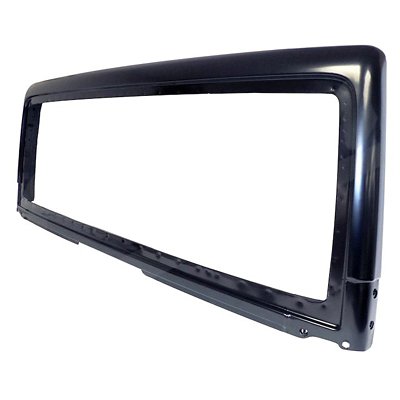
- Windshield Frame: Subject to rust and damage. Replacement frames are available, but ensure they are compatible with your windshield.
- Floor Pans: A notorious rust spot. Welding in new floor pans is a common restoration task.
- Tailgate: Can be damaged or missing. Replacement tailgates are available.
- Body Mounts: Replace worn body mounts to reduce vibration and ensure proper body alignment.
-
Frame:
- Inspection: Thoroughly inspect the frame for rust, cracks, and bends. Pay close attention to areas around suspension mounts and body mounts.
- Repair: Minor rust can be repaired with welding. Severely damaged frames may require replacement.
- Frame Reinforcement: Consider reinforcing the frame, especially if you plan on heavy off-roading or adding a lift kit.
-
Exterior Trim and Accessories:
- Grille: The classic CJ5 grille is a defining feature. Replacement grilles are available, but try to find an original if possible.
- Bumpers: Often bent or rusted. Replacement bumpers are available in various styles.
- Mirrors: Replace damaged or missing mirrors for safety.
- Lights: Ensure all lights are working properly. Replacement lenses and bulbs are readily available.
- Soft Top/Hard Top: Depending on the original configuration, you may need to source a new soft top or hard top.
Section 3: Interior Components - Comfort and Functionality
While the CJ5 is known for its ruggedness, the interior can be improved for comfort and functionality.
- Seats: Original seats are often worn or damaged. Replacement seats are available in various styles and materials.
- Seat Covers: A more affordable option to refresh your existing seats.
- Dashboard: Can be cracked or faded. Replacement dashboards are available.
- Gauges: Ensure all gauges are working properly. Replacement gauges are available, or you can have your existing gauges rebuilt.
- Steering Wheel: Replace a worn or damaged steering wheel for improved grip and comfort.
- Flooring: Replacement carpets or floor mats can improve the interior appearance and reduce noise.
- Wiring Harness: An old wiring harness can be a source of electrical problems. Consider replacing it with a new harness.
Section 4: Suspension and Steering - Handling and Control
The suspension and steering systems are critical for handling and control, both on and off the road.
-
Suspension:
- Leaf Springs: Inspect leaf springs for cracks, broken leaves, and worn bushings. Replacement leaf springs are available in various lift heights.
- Shocks: Replace worn shocks for improved ride quality and handling.
- Bushings: Replace worn bushings in the suspension system to reduce play and improve handling.
- U-Bolts: Replace U-bolts when replacing leaf springs.
-
Steering:
- Steering Gearbox: Check for leaks and excessive play in the steering gearbox. Rebuild kits are available.
- Tie Rods and Drag Link: Inspect tie rods and drag link for wear and damage. Replace as needed.
- Steering Stabilizer: A steering stabilizer can help reduce bump steer and improve handling.
Section 5: Sourcing 1974 CJ5 Parts - Where to Look
Finding parts for a classic vehicle can be challenging, but there are several resources available:
- Online Retailers: Major online retailers specializing in Jeep parts often carry a wide selection of parts for the '74 CJ5.
- Local Auto Parts Stores: Some local auto parts stores may carry common maintenance items, but their selection of vintage parts may be limited.
- Jeep Forums and Clubs: Online forums and local Jeep clubs are great resources for finding used parts and connecting with other enthusiasts.
- Swap Meets and Car Shows: Car shows and swap meets are excellent places to find rare or hard-to-find parts.
- Salvage Yards: Salvage yards specializing in older vehicles may have parts for your '74 CJ5.
Section 6: Common Issues and Solutions
- Rust: Rust is the biggest enemy of the '74 CJ5. Thoroughly inspect the body and frame for rust and address it promptly.
- Electrical Problems: The old wiring harness can be a source of electrical problems. Consider replacing it with a new harness.
- Leaks: Check for leaks in the engine, transmission, transfer case, and axles. Replace seals and gaskets as needed.
- Worn Suspension: Worn suspension components can affect handling and ride quality. Replace worn bushings, shocks, and leaf springs.
- Carburetor Problems: Carburetor problems can cause poor performance and fuel economy. Rebuild the carburetor or replace it with a new one.
Table Price of Common 1974 Jeep CJ5 Parts
| Part Description | Estimated Price Range | Notes |
|---|---|---|
| Engine Parts | ||
| Carburetor (Rebuilt) | $150 - $300 | Price varies based on the engine (I6 or V8) and the vendor. |
| Water Pump | $40 - $80 | Ensure compatibility with your engine type (I6 or V8). |
| Fuel Pump (Mechanical) | $30 - $60 | Check for fuel line size compatibility. |
| Distributor (Rebuilt) | $75 - $150 | Core return may be required. |
| Radiator | $150 - $300 | Consider aluminum radiators for improved cooling, especially if you live in a hot climate. |
| Body Parts | ||
| Front Fender (Steel) | $200 - $400 | Prices can vary significantly based on the vendor and the quality of the steel. |
| Floor Pan (Replacement Section) | $50 - $150 per side | Welding required. |
| Windshield Frame | $250 - $500 | Consider stainless steel for corrosion resistance. |
| Soft Top | $300 - $800 | Price depends on the material and features. |
| Drivetrain Parts | ||
| Transmission Rebuild Kit (T-15) | $150 - $300 | Requires specialized tools and knowledge. |
| Transfer Case Rebuild Kit | $100 - $200 | Includes seals, bearings, and other wear items. |
| Suspension Parts | ||
| Leaf Spring (Each) | $100 - $300 | Prices vary based on lift height and spring rate. |
| Shock Absorber (Each) | $30 - $100 | Choose shocks appropriate for your driving style and suspension setup. |
| Interior Parts | ||
| Seat Cover (Pair) | $100 - $300 | Consider vinyl or canvas for durability. |
| Steering Wheel | $50 - $200 | Aftermarket options offer improved grip and comfort. |
| Wiring Harness (Complete) | $300 - $600 | A complete wiring harness simplifies installation and ensures proper connections. |
Section 7: Tips for a Successful Restoration
- Take Pictures: Document every step of the restoration process. This will be invaluable for reassembly and future reference.
- Label Everything: Label all parts and wires as you disassemble them. This will save you time and frustration later.
- Clean Parts Thoroughly: Clean all parts before reassembly. This will help you identify any damage and ensure proper fit.
- Use Quality Parts: Invest in quality replacement parts. This will save you money in the long run.
- Don't Be Afraid to Ask for Help: If you're unsure about something, don't be afraid to ask for help from experienced restorers or mechanics.
Frequently Asked Questions (FAQ)
-
Q: Where can I find the VIN on my 1974 CJ5?
- A: The VIN is typically located on the driver's side door frame or on the dashboard near the windshield.
-
Q: What type of oil should I use in my 1974 CJ5?
- A: A conventional 10W-30 oil is generally recommended.
-
Q: How can I tell if my CJ5 has the original engine?
- A: Check the engine block for casting numbers and compare them to the factory specifications for the 1974 CJ5.
-
Q: How often should I change the oil in my 1974 CJ5?
- A: It's recommended to change the oil every 3,000 miles or 3 months, whichever comes first.
-
Q: Can I convert my 1974 CJ5 to power steering?
- A: Yes, power steering conversion kits are available, but they can be expensive and require some modification.
Conclusion
Restoring a 1974 Jeep CJ5 is a rewarding but challenging endeavor. By understanding the various components, sourcing quality parts, and following best practices, you can bring this classic off-roader back to its former glory and enjoy the open road (or trail) for years to come. Remember to take your time, be patient, and enjoy the process of breathing new life into a true automotive legend. The '74 CJ5 isn't just a vehicle; it's a piece of history worth preserving.
0 comments