The 1999 Jeep Wrangler TJ is a classic for a reason. Its rugged capability, iconic design, and open-air freedom have made it a favorite among off-road enthusiasts and casual drivers alike. However, after over two decades of adventure (and potentially some abuse), the body of a '99 TJ might be showing its age. Dents, rust, faded paint, and worn-out components are common issues. This guide dives deep into the world of 1999 Jeep Wrangler body parts, offering practical advice and actionable insights to help you restore, repair, or customize your beloved TJ. Whether you're aiming for a complete restoration or just patching up a few problem areas, understanding the available options and potential challenges is crucial.
1. Why Body Parts Matter for Your 1999 Jeep Wrangler
Restoring a Legend: A Comprehensive Guide to 1999 Jeep Wrangler Body Parts
Body parts aren't just about aesthetics. They play a vital role in the overall safety, structural integrity, and functionality of your Jeep. Damaged body panels can compromise the vehicle's crashworthiness, leading to increased risk in an accident. Rust, a common enemy of older vehicles, can weaken critical structural components, making the Jeep unsafe for off-road adventures. Furthermore, a well-maintained body enhances the Jeep's value and appeal, whether you plan to keep it forever or eventually sell it.
Investing in quality replacement body parts not only improves the look of your Jeep but also ensures its longevity and safety. A pristine body also provides a solid foundation for any future modifications or upgrades you might have in mind.
2. Key Body Parts for the 1999 Jeep Wrangler TJ
Understanding the specific components that make up the body of your '99 TJ is essential before embarking on any repair or restoration project. Here's a breakdown of the key parts:
- Fenders: Front and rear fenders protect the tires and wheel wells from debris and provide mounting points for various accessories.
- Hood: The hood covers the engine compartment and provides access for maintenance.
- Grille: The iconic Jeep grille not only defines the vehicle's appearance but also protects the radiator.
- Doors: The '99 TJ came with both full steel doors and half doors, offering different levels of weather protection and open-air experience.
- Windshield Frame: This crucial component supports the windshield and provides structural integrity for the upper portion of the Jeep.
- Tub: The tub, also known as the body tub or body shell, forms the main structure of the Jeep's body.
- Rocker Panels: Located beneath the doors, rocker panels are vulnerable to damage from rocks and debris.
- Tailgate: The tailgate provides access to the rear cargo area.
- Bumpers: Front and rear bumpers protect the Jeep from impacts and provide mounting points for accessories like winches and tow hooks.
- Mirrors: Side mirrors are crucial for visibility and safety.
- Hard Top/Soft Top: While technically not body panels, the hard top and soft top significantly impact the appearance and functionality of the Jeep.
3. Sourcing Replacement Body Parts: New, Used, or Aftermarket?

When it comes to replacing body parts for your '99 TJ, you have three main options:
- New OEM (Original Equipment Manufacturer) Parts: These are parts manufactured by or for Jeep, guaranteeing a perfect fit and original quality. However, they are often the most expensive option. Finding new OEM parts for a 1999 vehicle can be challenging, as some may be discontinued.
- Used OEM Parts: Sourced from salvaged vehicles, used OEM parts can be a cost-effective alternative to new parts. However, their condition can vary greatly, and you'll need to carefully inspect them for damage or rust before purchasing.
- Aftermarket Parts: These are parts manufactured by third-party companies. They offer a wider range of options in terms of style, materials, and price. Some aftermarket parts offer improvements over the original design, while others may be of lower quality. Research is crucial when choosing aftermarket body parts.
Considerations for Choosing a Source:
- Budget: OEM parts are typically more expensive than aftermarket or used parts.
- Quality: OEM parts generally offer the best quality and fit. Reputable aftermarket brands can also provide high-quality alternatives.
- Availability: Finding specific OEM parts for a 1999 vehicle can be difficult. Aftermarket parts are usually more readily available.
- Project Goals: If you're aiming for a perfect restoration, OEM parts are the best choice. If you're customizing your Jeep, aftermarket parts offer more flexibility.
4. Dealing with Rust: A Common Challenge
Rust is a common problem for older Jeeps, especially in regions with harsh winters or coastal environments. Addressing rust is crucial to prevent further damage and maintain the structural integrity of your vehicle.
Steps to Address Rust:
- Identify and Assess the Rust: Thoroughly inspect the body for rust, paying close attention to areas prone to corrosion, such as rocker panels, fender flares, and around body seams.
- Surface Rust Removal: For minor surface rust, you can use sandpaper, a wire brush, or a rust remover to clean the affected area.
- Rust Repair Panels: For more extensive rust damage, you may need to cut out the rusted metal and weld in new repair panels.
- Rust Prevention: After repairing the rust, apply a rust-inhibiting primer and paint to protect the metal from future corrosion.
- Internal Cavity Protection: Use a rust inhibitor spray inside frame rails and body cavities to prevent rust from the inside out.
5. DIY vs. Professional Installation: Skill and Tools Required
Replacing body parts can range from simple bolt-on replacements to complex welding and bodywork. The decision to tackle the project yourself or hire a professional depends on your skill level, available tools, and the complexity of the job.
DIY Considerations:
- Simple Replacements: Replacing fenders, bumpers, or mirrors is generally a straightforward DIY project.
- Moderate Replacements: Replacing doors, hoods, or tailgates may require some mechanical knowledge and assistance.
- Complex Replacements: Replacing the tub, welding in repair panels, or performing significant bodywork requires specialized skills and equipment.
Professional Installation Considerations:
- Complex Repairs: If you're dealing with extensive rust damage, structural repairs, or welding, hiring a professional body shop is highly recommended.
- Time Constraints: If you don't have the time or patience to tackle the project yourself, a professional can complete the job more quickly.
- Quality Assurance: A professional body shop can ensure that the repairs are done correctly and meet safety standards.
6. Painting and Finishing: Achieving a Factory-Fresh Look
After replacing body parts, painting is essential to match the original color and protect the metal from the elements.
Painting Options:
- DIY Painting: If you have experience with painting, you can tackle the job yourself using spray cans or a paint sprayer.
- Professional Painting: Hiring a professional paint shop will ensure a high-quality finish and a perfect color match.
Tips for a Successful Paint Job:
- Surface Preparation: Thoroughly clean and sand the surface before painting.
- Priming: Apply a primer to create a smooth and even surface for the paint.
- Color Matching: Ensure that the paint color matches the original color of your Jeep.
- Clear Coat: Apply a clear coat to protect the paint and add shine.
7. Customization Options: Making Your TJ Unique
Replacing body parts provides an excellent opportunity to customize your '99 TJ and make it stand out from the crowd.
Customization Ideas:
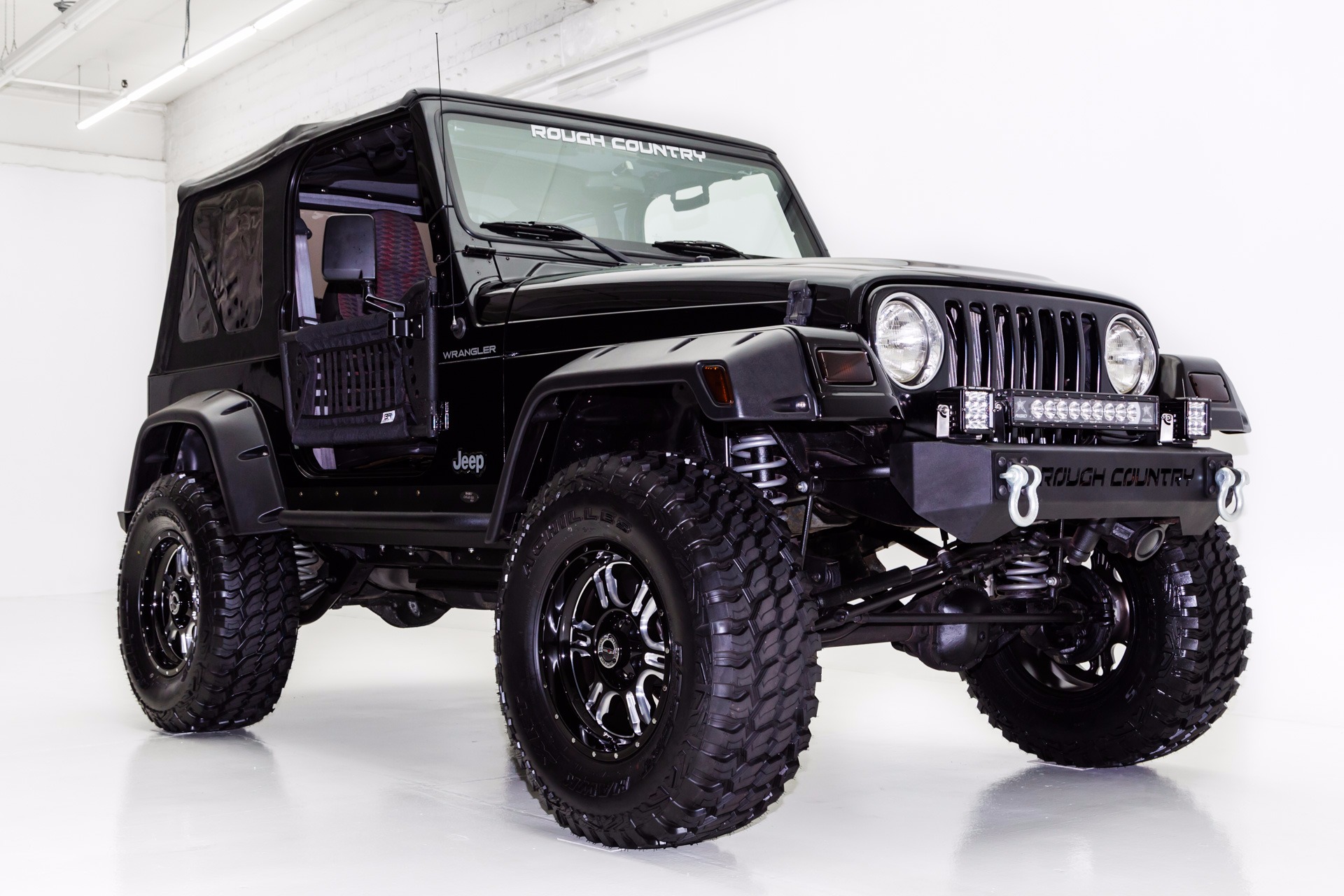
- Fender Flares: Upgrade to wider fender flares to accommodate larger tires.
- Bumpers: Install aftermarket bumpers with integrated winches and lights.
- Rock Sliders: Add rock sliders to protect the rocker panels from damage.
- Hood Louvers: Install hood louvers to improve engine cooling.
- Custom Paint Jobs: Choose a unique color or design to personalize your Jeep.
8. Tips for a Successful Body Part Project
- Research Thoroughly: Before starting any project, research the specific parts and procedures involved.
- Gather the Necessary Tools: Make sure you have all the tools you need before you start working.
- Take Your Time: Don't rush the project. Take your time and do it right.
- Ask for Help: If you're unsure about something, don't hesitate to ask for help from a friend or a professional.
- Document Your Progress: Take pictures and notes throughout the project to help you remember what you did.
9. Potential Challenges and Solutions
- Finding Discontinued Parts: Locating specific OEM parts for a 1999 vehicle can be challenging. Consider exploring used parts sources or researching compatible aftermarket alternatives.
- Matching Paint Colors: Achieving a perfect color match can be difficult. Consult with a paint professional or use a color-matching system.
- Dealing with Rust: Rust repair can be time-consuming and challenging. Consider hiring a professional body shop for extensive rust damage.
- Fitment Issues: Aftermarket parts may not always fit perfectly. Research reputable brands and read reviews before purchasing.
10. Price Table for 1999 Jeep Wrangler Body Parts
| Part | OEM (New) | Used | Aftermarket (New) | Notes |
|---|---|---|---|---|
| Front Fender (Each) | $300-$500 | $75-$200 | $100-$300 | Prices vary based on finish and brand. |
| Rear Fender Flare (Each) | $150-$250 | $50-$100 | $75-$150 | Consider material (steel vs. plastic). |
| Hood | $400-$700 | $150-$300 | $200-$500 | Aftermarket options include vented hoods. |
| Grille | $200-$400 | $75-$150 | $100-$250 | Chrome or painted options available. |
| Door (Full Steel, Each) | $500-$800 | $200-$400 | $300-$600 | Check for rust and window regulator condition. |
| Door (Half, Each) | $400-$700 | $150-$300 | $250-$500 | Often sold as a pair. |
| Windshield Frame | $300-$600 | $100-$250 | $150-$400 | Check for rust, especially at the base. |
| Rocker Panel (Pair) | N/A | N/A | $50-$150 | Typically aftermarket repair panels. |
| Tailgate | $350-$600 | $150-$300 | $200-$400 | Check hinges and latch mechanism. |
| Front Bumper | $250-$500 | $100-$200 | $150-$400 | Wide range of aftermarket options available. |
| Rear Bumper | $200-$400 | $75-$150 | $100-$300 | Consider tire carrier options. |
| Complete Body Tub | N/A | $2,000-$5,000 | $3,000-$7,000 | Used tubs are rare. Aftermarket provides full replacement options. |
| Mirror (Each) | $50-$100 | $20-$50 | $30-$75 | Aftermarket options include heated and power mirrors. |
Note: These prices are estimates and can vary depending on the supplier, condition, and location. It's always best to shop around and compare prices before making a purchase.
11. Frequently Asked Questions (FAQ)
-
Q: Where can I find the paint code for my 1999 Jeep Wrangler?
- A: The paint code is usually located on a sticker inside the driver's side door jamb.
-
Q: How do I prevent rust on my Jeep Wrangler?
- A: Regularly wash and wax your Jeep, especially after off-roading. Apply rust-inhibiting coatings to vulnerable areas. Address any rust spots promptly.
-
Q: Can I replace the entire body tub of my Jeep Wrangler?
- A: Yes, aftermarket companies offer complete body tubs for the '99 TJ. This is a major undertaking but can be a good option for severely damaged vehicles.
-
Q: Are aftermarket body parts as good as OEM parts?
- A: The quality of aftermarket parts varies greatly. Research reputable brands and read reviews before purchasing. Some aftermarket parts offer improvements over the original design, while others may be of lower quality.
-
Q: How much does it cost to have a professional body shop paint my Jeep Wrangler?
- A: The cost of a professional paint job can vary widely depending on the extent of the work and the quality of the paint. Expect to pay anywhere from $2,000 to $5,000 or more for a complete paint job.
Conclusion:
Restoring or customizing the body of your 1999 Jeep Wrangler TJ is a rewarding project that can enhance its appearance, value, and performance. By understanding the available body parts, sourcing options, and potential challenges, you can approach the project with confidence and achieve the desired results. Whether you're a seasoned mechanic or a weekend warrior, with careful planning and execution, you can breathe new life into your classic TJ and enjoy it for many years to come. Remember to prioritize safety, research thoroughly, and don't hesitate to seek professional help when needed. Good luck, and happy Jeeping!

0 comments