The Jeep Scrambler, also known as the CJ-8, holds a special place in the hearts of off-road enthusiasts. Produced from 1981 to 1986, its unique pickup truck configuration set it apart from other Jeeps, making it a sought-after classic. However, decades of use and exposure to the elements can take their toll on the Scrambler's body. This guide delves into the world of Jeep Scrambler body parts, providing a comprehensive overview for restoration projects, repairs, and upgrades. Whether you're a seasoned restorer or a first-time Scrambler owner, this article will equip you with the knowledge you need to keep your CJ-8 looking its best.
Introduction: Why Jeep Scrambler Body Parts Matter
Restoring a Legend: A Comprehensive Guide to Jeep Scrambler Body Parts
The Jeep Scrambler's body is more than just aesthetics; it's the foundation of its rugged character and functionality. From the iconic seven-slot grille to the versatile cargo bed, each panel plays a role in the Scrambler's overall appeal. Over time, these parts can suffer from rust, dents, and general wear and tear. Replacing or restoring these components is crucial for preserving the vehicle's value, ensuring its structural integrity, and maintaining its classic appearance. Furthermore, choosing the right body parts is essential for achieving a successful restoration, whether you aim for factory originality or a custom build.
Section 1: Essential Jeep Scrambler Body Parts – An Overview
Before embarking on a restoration or repair project, it's important to understand the key body parts that make up a Jeep Scrambler. These include:
- Hood: Protects the engine compartment and contributes significantly to the Scrambler's front-end appearance.
- Fenders (Front and Rear): Provide wheel well protection and define the vehicle's overall stance. The rear fenders are particularly unique to the Scrambler due to its longer wheelbase.
- Grille: The iconic seven-slot grille is a defining feature of any Jeep, and the Scrambler is no exception.
- Windshield Frame: Supports the windshield and provides structural rigidity to the upper body.
- Doors: Provide access to the cabin and contribute to the vehicle's overall security and weather protection. Scramblers often feature removable doors.
- Rocker Panels: Located below the doors, these panels are particularly vulnerable to rust and damage from off-road use.
- Floor Pans: The foundation of the cabin, floor pans are susceptible to rust due to moisture accumulation.
- Cargo Bed (Bed Sides, Bed Floor, Tailgate): The Scrambler's defining feature, the cargo bed is essential for its utility and versatility. The tailgate is another key element.
- Quarter Panels: The panels behind the doors that connect to the bed sides.
- Hardtop (Optional): Provides protection from the elements and can be a significant factor in the Scrambler's value.
- Soft Top Frame and Canvas: A popular alternative to the hardtop, offering open-air driving experiences.

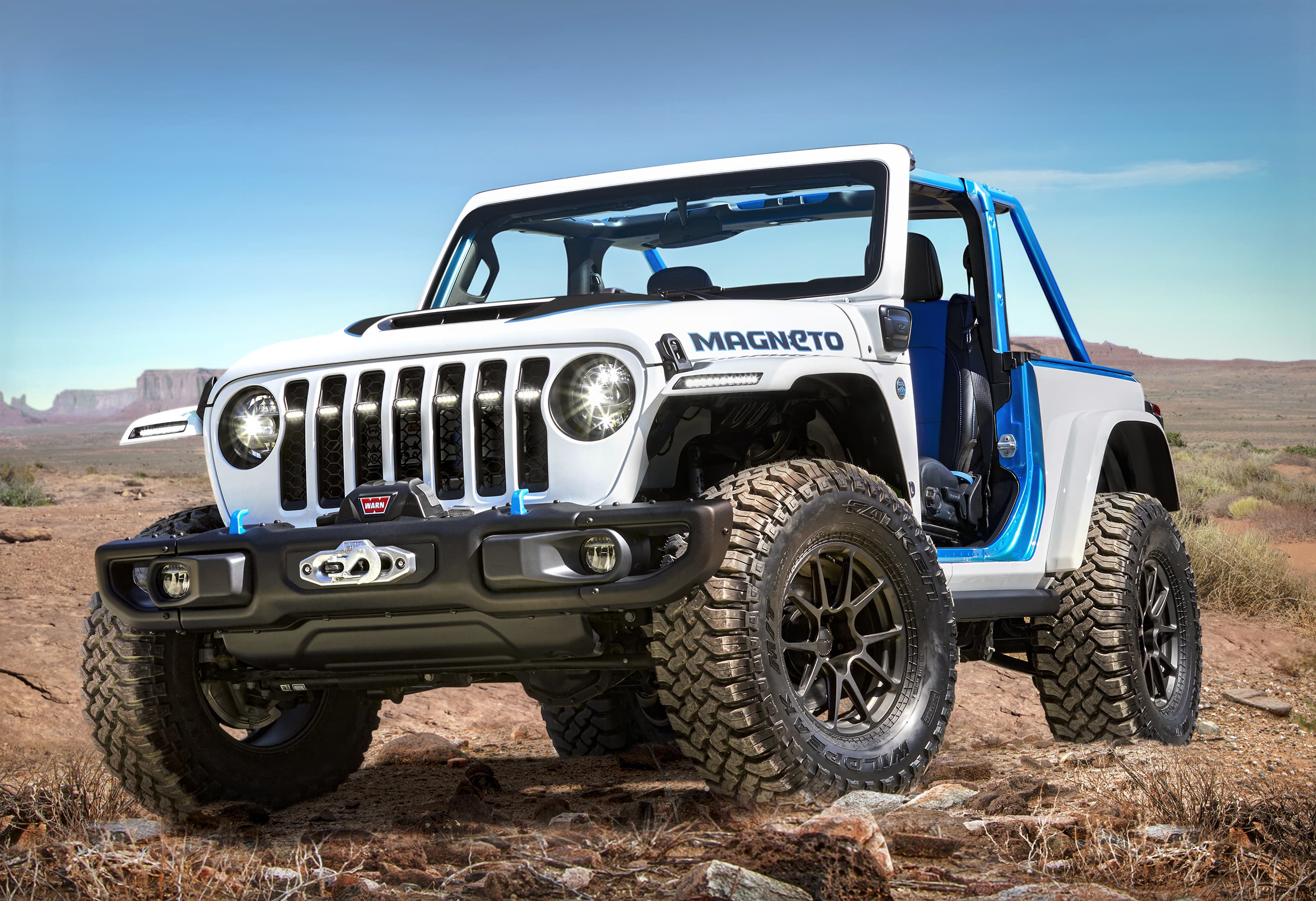
Section 2: Types of Jeep Scrambler Body Parts: OEM vs. Aftermarket
When sourcing body parts for your Scrambler, you'll encounter two main categories: Original Equipment Manufacturer (OEM) and aftermarket parts.
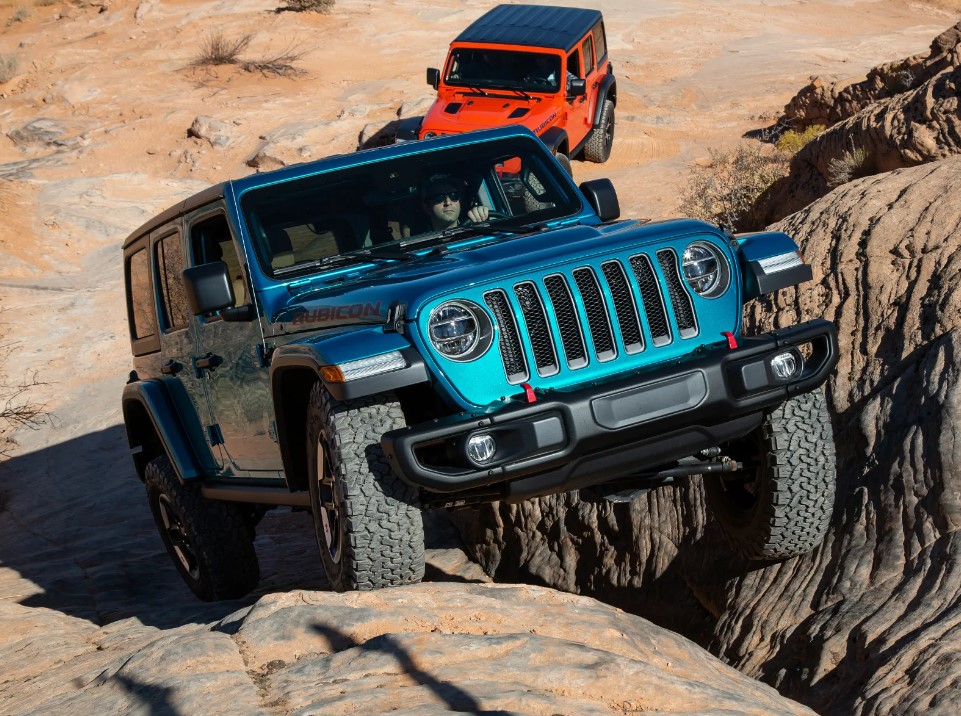
- OEM Parts: These are parts manufactured by or for Jeep (Chrysler, now Stellantis) to the original specifications. They offer the best fit and finish, ensuring factory originality. However, OEM parts can be difficult to find and often come with a higher price tag, especially for a vehicle as old as the Scrambler.
- Aftermarket Parts: These are parts manufactured by companies other than the original manufacturer. Aftermarket parts can vary significantly in quality and price. Some offer improved performance or unique styling, while others are designed as cost-effective replacements. When choosing aftermarket parts, it's crucial to research the manufacturer and read reviews to ensure quality and fitment. Consider reputable brands known for their Jeep parts.
Section 3: Assessing Your Needs: Identifying Damaged Body Parts
Before you start ordering parts, thoroughly assess the condition of your Scrambler's body. This involves:
- Visual Inspection: Carefully examine each panel for rust, dents, scratches, and other damage. Pay close attention to areas prone to rust, such as rocker panels, floor pans, and the lower portions of fenders and doors.
- Rust Removal: Use a wire brush or grinder to remove loose rust and assess the extent of the damage.
- Structural Integrity: Check for signs of structural damage, such as cracks or bends in the frame or body panels. This may require professional inspection.
- Panel Alignment: Verify that all body panels are properly aligned. Misalignment can indicate underlying structural issues or previous damage.
Once you've identified the damaged parts, create a detailed list of the items you need, including part numbers (if available) and desired finish (e.g., bare metal, primed, painted).
Section 4: Sourcing Jeep Scrambler Body Parts: Where to Look
Finding the right body parts for your Scrambler can be a challenge, but several resources are available:
- Online Retailers: Numerous online retailers specialize in Jeep parts, including body panels, trim, and accessories. Examples include Quadratec, Morris 4x4 Center, and Summit Racing. Be sure to read reviews and compare prices before making a purchase.
- Local Auto Parts Stores: While they may not carry a wide selection of Scrambler-specific parts, local auto parts stores can often source common items such as replacement hardware and body filler.
- Junkyards and Salvage Yards: Junkyards can be a treasure trove for finding used OEM body parts at a fraction of the cost of new ones. However, be prepared to do some searching and potentially remove the parts yourself.
- Jeep Forums and Online Communities: Jeep forums and online communities are valuable resources for connecting with other Scrambler owners and finding parts for sale.
- Auctions and Online Marketplaces: Websites like eBay and Craigslist can be good sources for finding both new and used Scrambler body parts.
Section 5: Body Repair Techniques: From Patching to Panel Replacement
Once you have your parts, you'll need to repair or replace the damaged areas. This can range from simple patching to complete panel replacement.
- Rust Repair: Small areas of rust can often be repaired by grinding away the rust, applying a rust converter, and filling the area with body filler.
- Dent Repair: Dents can be hammered out or pulled out using specialized tools. Body filler can then be used to smooth out the surface.
- Panel Patching: For larger areas of rust or damage, you may need to cut out the affected area and weld in a patch panel.
- Panel Replacement: If a body panel is severely damaged, it may be necessary to replace it entirely. This involves removing the old panel, welding in the new panel, and smoothing out the seams.
Important Considerations:
- Welding Skills: Welding is often required for body repair. If you're not comfortable welding, consider hiring a professional.
- Safety Precautions: Always wear appropriate safety gear, including eye protection, gloves, and a respirator, when working with body panels and chemicals.
- Surface Preparation: Proper surface preparation is crucial for ensuring a long-lasting and durable repair. This includes cleaning, sanding, and priming the surface before painting.
Section 6: Body Modifications and Upgrades
Beyond restoration, many Scrambler owners choose to modify or upgrade their body. Popular modifications include:
- Custom Fenders: Flared fenders provide additional tire clearance and a more aggressive look.
- Rock Sliders: Protect the rocker panels from damage during off-road use.
- Tube Doors: Offer a more open-air driving experience while providing some level of protection.
- Roll Cages: Enhance safety and provide additional structural support.
- Bed Liners: Protect the cargo bed from scratches and dents.
- LED Lighting: Upgrade headlights, taillights, and marker lights for improved visibility.
When considering body modifications, be sure to choose high-quality parts that are designed for your specific application. Also, consider the potential impact on the vehicle's overall appearance and functionality.
Section 7: Painting and Finishing
The final step in any body repair or restoration project is painting and finishing. This involves:
- Priming: Applying a primer to the repaired areas to provide a smooth and uniform surface for the paint.
- Painting: Applying multiple coats of paint, allowing each coat to dry completely before applying the next.
- Clear Coating: Applying a clear coat to protect the paint and enhance its gloss.
- Polishing and Buffing: Polishing and buffing the paint to remove imperfections and achieve a showroom finish.
Tips for a Professional Finish:
- Use High-Quality Paint: Choose a paint that is specifically designed for automotive use.
- Proper Preparation: Thoroughly clean and prepare the surface before painting.
- Apply Thin Coats: Apply multiple thin coats of paint rather than one thick coat.
- Allow Sufficient Drying Time: Allow each coat of paint to dry completely before applying the next.
- Use a Paint Gun: For best results, use a paint gun to apply the paint.
Section 8: Potential Challenges and Solutions
Restoring a Jeep Scrambler can present several challenges:
- Finding Rare Parts: Some Scrambler-specific parts, such as certain bed components or hardtop hardware, can be difficult to find. The solution is patience, networking within the Jeep community, and potentially considering custom fabrication.
- Rust Repair: Extensive rust damage can be time-consuming and require specialized skills. The solution involves careful assessment, proper rust removal techniques, and potentially hiring a professional body shop.
- Fitment Issues: Aftermarket body panels may not always fit perfectly. The solution is to research reputable brands, carefully measure before ordering, and be prepared to make minor adjustments during installation.
- Cost: Body repair and restoration can be expensive. The solution is to prioritize repairs based on safety and structural integrity, shop around for the best prices on parts, and consider doing some of the work yourself.
Table: Estimated Prices for Jeep Scrambler Body Parts (Note: Prices can vary significantly based on condition, manufacturer, and location)
| Body Part | Condition | Estimated Price Range | Notes |
|---|---|---|---|
| Hood | New | $300 - $600 | Aftermarket, OEM may be higher if available |
| Front Fender | New | $200 - $400 | Aftermarket, OEM may be higher if available |
| Rear Fender | New | $250 - $500 | Aftermarket, CJ-8 specific, potentially harder to find |
| Grille | New | $150 - $300 | Aftermarket, OEM may be higher if available |
| Windshield Frame | New | $350 - $700 | Aftermarket, consider rust-resistant coatings |
| Door (Each) | New | $400 - $800 | Aftermarket, OEM may be higher if available, bare or with hinges |
| Rocker Panel (Each) | New | $100 - $200 | Aftermarket, essential for rust repair |
| Floor Pan (Each) | New | $150 - $300 | Aftermarket, essential for rust repair |
| Cargo Bed Side (Each) | New | $400 - $800 | Aftermarket, CJ-8 specific, potentially harder to find, can be more expensive for complete assemblies |
| Cargo Bed Floor | New | $300 - $600 | Aftermarket, CJ-8 specific, potentially harder to find |
| Tailgate | New | $200 - $400 | Aftermarket, OEM may be higher if available |
| Hardtop (Used) | Used | $1000 - $3000 | CJ-8 specific, condition dependent, can be very rare |
| Soft Top Frame & Canvas | New | $500 - $1500 | Aftermarket, different styles and materials |
| Used Body Parts (General) | Used | 20% - 70% of New Price | Varies greatly based on condition and rarity |
Frequently Asked Questions (FAQ)
-
Q: Where can I find a complete replacement body for my Scrambler?
- A: Complete bodies are rare but can sometimes be found through specialty Jeep restoration shops or online marketplaces. Be prepared for a significant investment.
-
Q: Are reproduction Scrambler beds available?
- A: Yes, reproduction Scrambler beds are available from some aftermarket manufacturers. However, they can be expensive and may require some modification to fit properly.
-
Q: What is the best way to prevent rust on my Scrambler?
- A: Regular washing, waxing, and undercoating can help prevent rust. Also, avoid driving your Scrambler in salty conditions and store it indoors when possible.
-
Q: Can I use CJ-7 body parts on my Scrambler?
- A: Some CJ-7 body parts, such as the hood, grille, and doors, are interchangeable with the Scrambler. However, the cargo bed, rear fenders, and frame are unique to the Scrambler.
-
Q: Is it worth restoring a Scrambler with significant body damage?
- A: That depends on your budget, skills, and the overall condition of the vehicle. Consider the cost of parts and labor, and weigh it against the potential value of the restored Scrambler.
Conclusion: Preserving a Piece of Jeep History
Restoring a Jeep Scrambler is a labor of love, but the reward is a classic vehicle that embodies the spirit of adventure. By understanding the various body parts, sourcing options, and repair techniques, you can breathe new life into your CJ-8 and ensure that it continues to turn heads for years to come. Whether you're aiming for a factory-correct restoration or a custom build, the knowledge and resources outlined in this guide will help you achieve your goals and preserve a piece of Jeep history. Good luck with your project!
0 comments