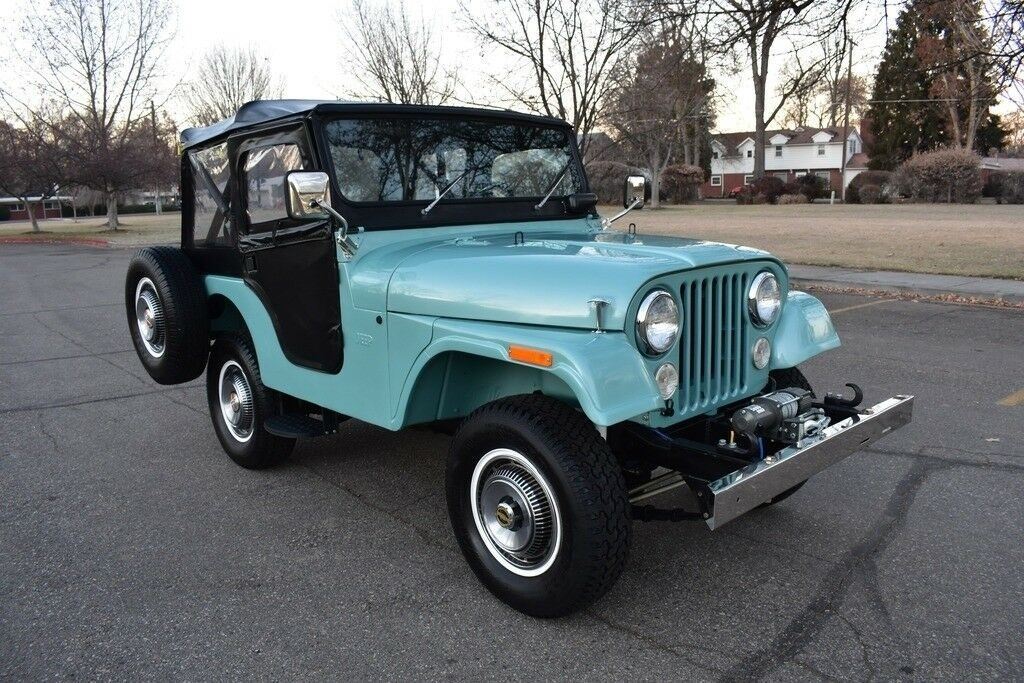
The 1970 Jeep CJ5. Just saying it evokes images of rugged off-road adventures, classic Americana, and a vehicle built to last. But even the toughest machines require maintenance, and restoring a vintage CJ5 often means diving deep into the world of its unique parts. This article serves as a comprehensive guide to understanding, sourcing, and utilizing 1970 Jeep CJ5 parts, ensuring your classic Jeep continues to conquer trails for years to come.
Introduction: Why 1970 CJ5 Parts Matter
Restoring a Legend: A Comprehensive Guide to 1970 Jeep CJ5 Parts
The 1970 CJ5 holds a special place in Jeep history. It represents a transition period, blending the classic CJ design with some modern conveniences. Owning one is more than just owning a vehicle; it's owning a piece of automotive heritage. However, finding the right parts is crucial for maintaining its originality, performance, and value. Using incorrect or low-quality parts can compromise the vehicle's integrity, leading to future problems and diminishing its collectible worth. This guide will help you navigate the often-challenging world of 1970 CJ5 parts, providing insights and practical advice for a successful restoration or repair project.
Section 1: Understanding the 1970 CJ5 and Its Unique Components
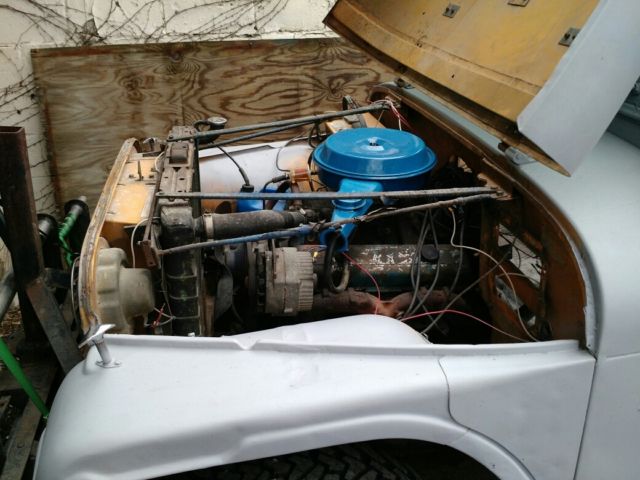
The 1970 CJ5 came with several engine options, most commonly the Dauntless V6 or the Hurricane four-cylinder. These engines, along with the drivetrain components, suspension, and body panels, are all specific to this era of CJ5. Key components to consider include:
- Engine Parts: Identifying your specific engine (Dauntless V6 or Hurricane I4) is crucial. Parts will vary significantly. This includes everything from carburetors and distributors to pistons, rings, and valve train components.
- Transmission & Transfer Case: The T-14 three-speed manual transmission was a common option, paired with a Dana 20 transfer case. Knowing the specific ratios and internal components is vital when sourcing replacement parts.
- Axles: The Dana 30 front axle and Dana 44 rear axle were standard. Axle shafts, gears, bearings, and hubs are all potential replacement items.
- Suspension: Leaf springs and shock absorbers provide the CJ5's off-road capability. Bushings, shackles, and U-bolts are essential for maintaining a safe and comfortable ride.
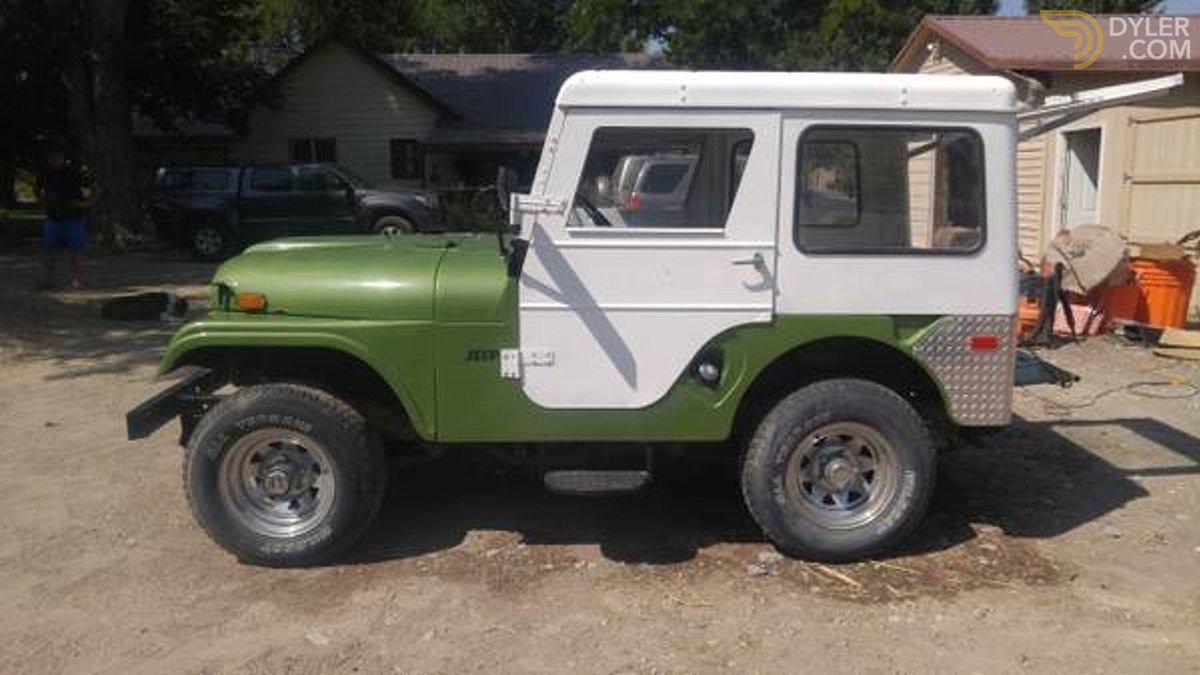
- Body Panels: Fenders, hood, tub, and windshield frame are susceptible to rust and damage. Finding original or high-quality reproduction panels is key for a proper restoration.
- Electrical System: Wiring harnesses, gauges, lights, and the ignition system can deteriorate over time. Maintaining a functioning electrical system is crucial for safety and reliability.
Section 2: Sourcing 1970 CJ5 Parts: The Hunt Begins
Finding the right parts for a 50+ year old vehicle can be a challenge. Here are some avenues to explore:
- Online Retailers: Websites specializing in Jeep parts, particularly vintage Jeep parts, are a great starting point. Reputable retailers often have extensive catalogs and knowledgeable staff. Be sure to check reviews and compare prices. Examples include:
- KaiserWillys Auto Supply
- Quadratec
- Morris 4x4 Center
- Walck's Four Wheel Drive
- Local Auto Parts Stores: While they may not carry specialized parts, local auto parts stores can often source common maintenance items like filters, belts, and hoses.
- Jeep Forums and Clubs: Online communities dedicated to Jeeps are invaluable resources. Members often have parts for sale or can point you in the right direction.
- Salvage Yards: Exploring salvage yards can be a treasure hunt. You might find original parts in good condition at a fraction of the cost of new reproductions.
- Swap Meets and Car Shows: Attending local car shows and swap meets dedicated to classic vehicles can be a great way to find rare and hard-to-find parts.
- Ebay and Other Online Marketplaces: These sites can offer a wide selection of parts, but exercise caution and carefully review the seller's feedback and the item's description.
Tips for Sourcing Parts:
- Know Your VIN: The Vehicle Identification Number (VIN) provides crucial information about your CJ5's original configuration, helping you identify the correct parts.
- Take Pictures: Before disassembling anything, take detailed pictures of the parts you need to replace. This will help you remember how everything goes back together and assist in identifying the correct replacement.
- Check Part Numbers: If possible, find the original part number for the component you need. This will ensure you get the exact replacement.
- Consider Reproduction Quality: Not all reproduction parts are created equal. Research different brands and read reviews to ensure you're getting a high-quality product.
- Don't Be Afraid to Ask Questions: Don't hesitate to contact retailers or other Jeep enthusiasts for advice. They can often provide valuable insights and help you avoid costly mistakes.
Section 3: Evaluating Part Quality: OEM, Reproduction, and Used
When sourcing parts, you'll encounter three main categories:
- Original Equipment Manufacturer (OEM): These are the parts that were originally installed on your CJ5 at the factory. They are often the most desirable for restoration projects, but can be difficult and expensive to find.
- Reproduction Parts: These are newly manufactured parts that are designed to replicate the original components. Quality can vary significantly, so research is essential. Look for reputable manufacturers with positive reviews.
- Used Parts: Used parts can be a cost-effective option, but it's crucial to carefully inspect them for wear and damage. Consider the condition of the part and whether it's worth the risk.
Section 4: Common 1970 CJ5 Restoration Projects and Associated Parts
- Engine Rebuild: This is a common project for older CJ5s. Parts needed include pistons, rings, bearings, gaskets, valve train components, and possibly a rebuilt carburetor or fuel pump.
- Bodywork and Paint: Repairing rust and damage to the body panels is a common task. This may involve welding, body filler, and a new paint job.
- Suspension Overhaul: Replacing worn-out leaf springs, shocks, and bushings can significantly improve the CJ5's ride and handling.
- Brake System Refresh: Replacing brake lines, calipers, wheel cylinders, and brake pads is essential for safety.
- Interior Restoration: Replacing seat covers, carpets, and gauges can bring the interior back to its original glory.
Section 5: Installing 1970 CJ5 Parts: Tips and Considerations
- Safety First: Always disconnect the battery before working on the electrical system. Wear appropriate safety gear, such as gloves and eye protection.
- Consult a Repair Manual: A repair manual specific to the 1970 CJ5 is an invaluable resource. It will provide detailed instructions and diagrams for various repair and maintenance procedures.
- Take Your Time: Don't rush the process. Allow yourself plenty of time to carefully disassemble, inspect, and reassemble components.
- Organize Your Parts: Keep track of all the parts you remove and label them clearly. This will make reassembly much easier.
- Use the Right Tools: Having the right tools for the job is essential. Invest in quality tools that will last.
- Seek Professional Help When Needed: If you're not comfortable performing a particular repair, don't hesitate to seek professional help from a qualified mechanic.
Section 6: Potential Challenges and Solutions
- Finding Rare Parts: Some parts for the 1970 CJ5 can be very difficult to find. Be patient and persistent in your search. Consider joining Jeep forums and clubs to connect with other enthusiasts who may have the parts you need.
- Reproduction Part Quality Issues: As mentioned earlier, the quality of reproduction parts can vary. Research different brands and read reviews before making a purchase.
- Rust Repair: Rust is a common problem on older CJ5s. Be prepared to spend time and effort repairing rust damage.
- Compatibility Issues: Ensure that the parts you purchase are compatible with your specific CJ5 model and engine.
- Budget Constraints: Restoring a classic vehicle can be expensive. Set a budget and stick to it as closely as possible.
Table: Estimated Prices for Common 1970 Jeep CJ5 Parts
| Part | Condition | Estimated Price Range | Notes |
|---|---|---|---|
| Carburetor (Dauntless V6) | New Reproduction | $250 - $400 | Price varies depending on brand and features. |
| Distributor (Dauntless V6) | New Reproduction | $150 - $300 | Price varies depending on electronic ignition upgrade. |
| Water Pump (Dauntless V6/Hurricane I4) | New | $50 - $100 | Ensure correct model for your engine. |
| Brake Master Cylinder | New | $75 - $150 | |
| Leaf Springs (Front or Rear) | New | $150 - $300 (each) | Price depends on spring rate and lift. |
| Shock Absorbers (Set of 4) | New | $100 - $250 | Price depends on brand and features. |
| Fender (Front) | New Reproduction | $200 - $400 (each) | Price depends on quality and finish. |
| Fender (Front) | Used | $100-$250 (each) | Price depends on rust and condition. |
| Fuel Tank | New | $150 - $300 | |
| Seat Covers (Pair) | New | $150 - $300 | Price depends on material and style. |
| Wiring Harness | New | $300 - $600 | Price depends on completeness of the harness. |
| Windshield Frame | New Reproduction | $300 - $500 | Price depends on quality and finish. |
| Dana 30 Axle Shaft | New | $100-$200 | Price per shaft. |
| Dana 44 Axle Shaft | New | $150-$300 | Price per shaft. |
| Dana 20 Transfer Case Rebuild Kit | New | $100-$200 | Includes seals, bearings, and gaskets. |
Note: These prices are estimates and may vary depending on the supplier, location, and availability. Always compare prices and research before making a purchase. Used parts can be significantly cheaper, but their condition should be carefully evaluated.
Conclusion: Preserving a Piece of Jeep History
Restoring a 1970 Jeep CJ5 is a rewarding experience that allows you to connect with automotive history and create a vehicle that's both capable and stylish. By understanding the unique components of this classic Jeep and carefully sourcing the right parts, you can ensure that your CJ5 continues to turn heads and conquer trails for many years to come. Remember to prioritize safety, take your time, and don't be afraid to ask for help. With patience and dedication, you can bring your 1970 CJ5 back to its former glory.
Frequently Asked Questions (FAQ)
-
Q: Where can I find the VIN on my 1970 CJ5?
- A: The VIN is typically located on the driver's side of the firewall or on the dashboard near the windshield.
-
Q: Are parts interchangeable between different years of CJ5s?
- A: While some parts may be interchangeable, it's important to verify compatibility before making a purchase. The 1970 CJ5 has specific engine and drivetrain options that require specific parts.
-
Q: Is it better to use OEM or reproduction parts?
- A: OEM parts are generally preferred for restoration projects, but they can be difficult and expensive to find. High-quality reproduction parts can be a good alternative.
-
Q: How can I prevent rust on my CJ5?
- A: Regular washing and waxing can help protect the body panels from rust. You can also apply rust inhibitors to exposed metal surfaces. Consider undercoating for added protection.
-
Q: Where can I find a repair manual for my 1970 CJ5?
- A: Repair manuals are available from online retailers and auto parts stores. Look for a manual specific to the 1970 CJ5.
-
Q: What are the common engine options for the 1970 CJ5?
- A: The most common engine options were the Dauntless V6 and the Hurricane four-cylinder.
-
Q: What type of oil should I use in my 1970 CJ5?
- A: Consult your repair manual for the recommended oil type and viscosity. Generally, a high-quality conventional oil is suitable for these older engines. Consider adding a zinc additive if your oil doesn't contain it.
This comprehensive guide should provide you with a solid foundation for understanding and sourcing parts for your 1970 Jeep CJ5. Happy trails!
0 comments