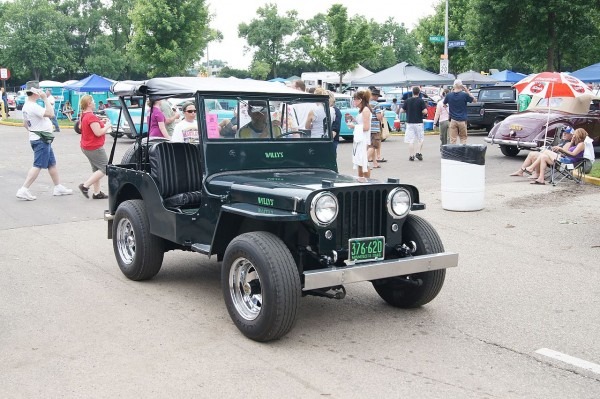
The 1946 Willys Jeep, often referred to as the CJ-2A, is more than just a vehicle; it's a symbol of American ingenuity, resilience, and adventure. Born from the battlefields of World War II, the civilian Jeep offered unprecedented off-road capability and practicality, quickly becoming a favorite among farmers, ranchers, and outdoor enthusiasts. Restoring a '46 Willys Jeep is a rewarding, albeit challenging, endeavor. One of the biggest hurdles is sourcing the correct parts. This article serves as a comprehensive guide to navigating the world of 1946 Willys Jeep parts, providing insights into what you need, where to find it, and what to consider during your restoration journey.
Why the '46 Willys Jeep Still Matters
Restoring a Legend: A Deep Dive into 1946 Willys Jeep Parts
The '46 Willys Jeep CJ-2A represents a pivotal moment in automotive history. It was the first mass-produced civilian Jeep, bridging the gap between military utility and everyday practicality. Owning and restoring one of these vehicles connects you to a legacy of innovation and rugged individualism. Preserving these Jeeps ensures that this important piece of automotive and American history remains alive for future generations. Furthermore, the simplicity of the design makes them relatively easy to work on, fostering a deeper connection with the machine.
Understanding the Parts Landscape
Finding parts for a vehicle that's over 75 years old can be daunting. The good news is that due to the Jeep's iconic status and the dedication of enthusiasts, a robust aftermarket exists. You'll encounter three main categories of parts:
- Original Parts (OEM): These are the holy grail for purists. Finding original parts in good condition can be challenging and expensive, but they offer the most authentic restoration.
- New Old Stock (NOS): These are original parts that were never used and are still in their original packaging. They are rare and command a premium price.
- Reproduction Parts: These are newly manufactured parts made to the original specifications. Reproduction parts are generally more affordable and readily available, but quality can vary.
Key Systems and Their Corresponding Parts
Let's break down the '46 Willys Jeep into its key systems and explore some of the essential parts you'll likely need during a restoration:
1. Engine and Drivetrain:
The heart of the '46 Willys Jeep is the L-134 "Go-Devil" engine. This 2.2-liter (134 cubic inch) inline-four is known for its reliability and simplicity. Key parts include:
- Engine Block: The foundation of the engine. Cracks or significant wear necessitate replacement.
- Cylinder Head: Crucial for combustion. Look for cracks, warping, and valve seat wear.
- Pistons and Rings: Replace these to ensure proper compression and oil control.
- Connecting Rods: Inspect for bends or cracks.
- Crankshaft: Check for wear on the journals.
- Camshaft and Lifters: Replacing these is recommended during an engine rebuild.
- Carburetor: Clean or rebuild the original or opt for a reproduction.
- Distributor: Ensure proper timing and spark delivery.
- Water Pump: Prevent overheating.
- Fuel Pump: Ensure reliable fuel delivery.
- Clutch: The clutch assembly includes the pressure plate, friction disc, and throw-out bearing.
- Transmission: The T-90 three-speed manual transmission is durable but may require rebuilding.
- Transfer Case: The Dana 18 transfer case provides two-wheel and four-wheel drive.
- Driveshafts: Check for wear and proper U-joint function.
- Axles: The Dana 25 front axle and Dana 23-2 rear axle are robust. Inspect for bent housings and worn bearings.
- Differentials: Check for proper gear mesh and wear.

2. Body and Chassis:
The Jeep's body and chassis are prone to rust and damage. Key parts include:
- Frame: The backbone of the vehicle. Inspect for rust, cracks, and bends.
- Body Tub: Reproduction body tubs are available, but repairing the original is often preferred.
- Fenders: Prone to dents and rust.
- Hood: Check for damage and proper fit.
- Windshield Frame: Can be damaged or rusted.
- Grille: A defining feature of the Jeep.
- Seats: Reupholstering original seats or purchasing reproduction seats are options.
- Floor Pans: Often rusted and require replacement.
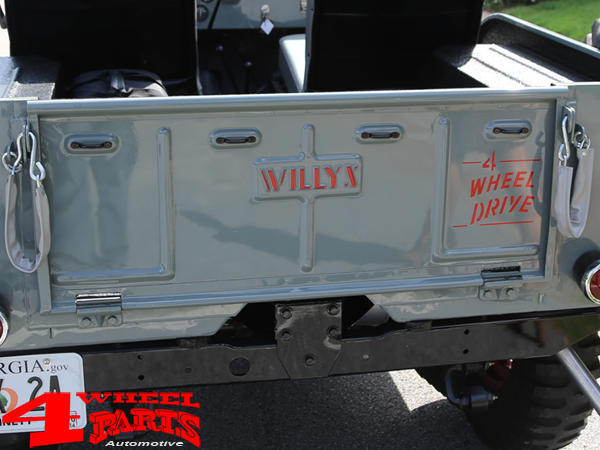
- Tailgate: The tailgate design is simple but effective.
- Bumpers: Protect the vehicle from minor impacts.
3. Electrical System:
The '46 Willys Jeep's electrical system is relatively simple, but ensuring proper function is crucial. Key parts include:
- Wiring Harness: Replacing the entire wiring harness is often recommended.
- Battery: A 6-volt battery is original, but many owners upgrade to a 12-volt system.
- Generator: Charges the battery.
- Starter: Cranks the engine.
- Headlights: Ensure proper illumination.
- Taillights: Ensure proper visibility.
- Turn Signals: Although not original, adding turn signals improves safety.
- Switches: Replace worn or damaged switches.
- Gauges: Monitor vital engine parameters.
4. Brakes and Suspension:
Ensuring safe stopping and a comfortable ride is essential. Key parts include:
- Brake Shoes: Replace worn brake shoes.
- Brake Drums: Resurface or replace worn brake drums.
- Brake Cylinders: Rebuild or replace leaking brake cylinders.
- Master Cylinder: Ensure proper brake pressure.
- Brake Lines: Replace corroded brake lines.
- Leaf Springs: Replacing worn leaf springs improves ride quality.
- Shackles: Ensure proper shackle movement.
- Shock Absorbers: Improve ride control.
- Wheels and Tires: Choose tires that are appropriate for your intended use.
Where to Find Parts:
- Online Retailers: Companies like KaiserWillys, Walcks 4WD, and Omix-ADA specialize in Willys Jeep parts.
- Jeep Clubs and Forums: Connect with other enthusiasts who may have parts for sale or know where to find them.
- Local Auto Parts Stores: Some auto parts stores may carry common replacement parts.
- Swap Meets and Auctions: Attend swap meets and auctions to find original and NOS parts.
- Salvage Yards: Salvage yards may have Jeeps that can be scavenged for parts.
Tips for a Successful Restoration:
- Document Everything: Take photos and keep detailed records of your progress.
- Research Thoroughly: Understand the original specifications of your Jeep.
- Be Patient: Restoration takes time and effort.
- Don't Be Afraid to Ask for Help: Connect with other enthusiasts and experts.
- Prioritize Safety: Always wear appropriate safety gear.
- Budget Wisely: Restoration costs can quickly add up.
Potential Challenges and Solutions:
- Finding Rare Parts: Be patient and persistent. Utilize online resources and connect with other enthusiasts.
- Poor Quality Reproduction Parts: Research brands and read reviews before purchasing.
- Rust Repair: Learn welding techniques or hire a professional.
- Engine Rebuilding: Consider hiring a qualified mechanic.
- Wiring Issues: Replace the entire wiring harness for reliable performance.
Price Table for Common 1946 Willys Jeep Parts (Estimates):
| Part | Price Range (USD) | Notes |
|---|---|---|
| Engine Rebuild Kit | $800 - $1500 | Includes pistons, rings, bearings, gaskets. |
| Reproduction Body Tub | $2500 - $4000 | Varies by manufacturer and quality. |
| Wiring Harness | $200 - $400 | Complete replacement harness. |
| Leaf Springs (Set of 4) | $400 - $800 | Varies by manufacturer and lift height. |
| Brake Shoe Set (Front/Rear) | $50 - $100 | Per axle. |
| Master Cylinder | $50 - $150 | |
| Carburetor (Rebuilt) | $200 - $400 | |
| Fuel Pump | $50 - $100 | |
| Water Pump | $50 - $100 | |
| Windshield Frame | $200 - $500 | Depending on condition (new/used). |
| Seat Covers (Pair) | $150 - $300 | Reproduction. |
| Tires (Set of 4) | $400 - $800 | Period-correct tires can be expensive. |
Frequently Asked Questions (FAQ):
-
Q: Where can I find the VIN on my '46 Willys Jeep?
- A: The VIN is typically stamped on the frame rail near the front passenger side.
-
Q: What type of oil should I use in my '46 Willys Jeep?
- A: A conventional 30 weight or 10W-30 oil is generally recommended.
-
Q: How do I convert my '46 Willys Jeep to a 12-volt system?
- A: A conversion kit is available, which includes a new alternator, voltage regulator, and bulbs.
-
Q: How do I adjust the timing on my '46 Willys Jeep?
- A: Consult a repair manual or seek guidance from a qualified mechanic.
-
Q: Are reproduction parts as good as original parts?
- A: Quality varies. Research brands and read reviews before purchasing.
Conclusion:
Restoring a 1946 Willys Jeep is a journey that requires dedication, patience, and a passion for automotive history. By understanding the various parts, knowing where to find them, and following the tips outlined in this guide, you can successfully bring a piece of American history back to life. The rewards of driving and showcasing a beautifully restored '46 Willys Jeep are immeasurable, connecting you to a legacy of ingenuity and adventure that continues to inspire generations. Remember to prioritize safety, document your progress, and never hesitate to seek help from fellow enthusiasts. Happy restoring!
0 comments