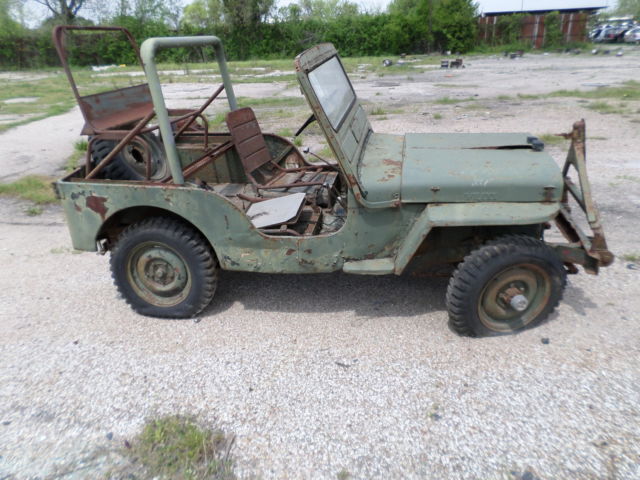
The 1951 Willys Jeep CJ-3A stands as a testament to rugged simplicity and enduring design. Born from the demands of World War II, the CJ-3A continued the legacy of its military predecessors, offering civilian buyers a capable and versatile vehicle for work and recreation. Today, these iconic Jeeps are highly sought after by collectors and enthusiasts. Restoring one to its former glory, or simply keeping it running reliably, requires a dedicated understanding of 1951 Willys Jeep parts. This article will serve as a comprehensive guide to navigating the world of CJ-3A parts, from sourcing them to understanding their function and potential challenges in the restoration process.
Why Understanding 1951 Willys Jeep Parts is Crucial
Restoring a Legend: A Deep Dive into 1951 Willys Jeep Parts
Restoring a 1951 Willys Jeep isn't just about aesthetics; it's about preserving a piece of history. While modern aftermarket parts exist, maintaining the originality and functionality of a CJ-3A often necessitates sourcing specific parts. Understanding these parts – their function, availability, and potential replacements – is crucial for a successful restoration project. Furthermore, identifying genuine parts can significantly impact the Jeep's value and historical accuracy. This knowledge empowers enthusiasts to make informed decisions, ensuring their CJ-3A remains a faithful representation of its era.
1. The Engine and Drivetrain: The Heart of the Jeep
The 1951 Willys Jeep CJ-3A was primarily equipped with the L-134 "Go-Devil" engine. This 134 cubic inch, four-cylinder engine, known for its reliability and low-end torque, is a cornerstone of the Jeep's character.
-
Key Engine Parts:
- Cylinder Head: Look for original casting numbers and ensure proper machining for optimal performance. Replacement heads are available, but original ones add to the Jeep's authenticity.
- Pistons and Rings: Available in standard and oversized dimensions to accommodate worn cylinder bores. Opt for high-quality materials for longevity.
- Connecting Rods: Inspect for cracks and wear. Reconditioned rods are a cost-effective alternative to new ones.
- Crankshaft: A critical component requiring careful inspection for wear and proper balancing.
- Camshaft: Affects engine performance and timing. Replacement camshafts are available for stock or slightly modified applications.
- Carburetor: The original Carter WO carburetor is essential for maintaining originality. Rebuild kits are readily available.
- Distributor: Lucas or Autolite distributors were commonly used. Ensure proper timing and functionality for optimal engine performance.
-
Drivetrain Components:

- Transmission: The Warner T-90 three-speed manual transmission is known for its durability. Rebuild kits are widely available.
- Transfer Case: The Dana 18 transfer case provides two-wheel and four-wheel drive options. Inspect for wear and proper function of the shift linkage.
- Axles: Dana 25 front axle and Dana 41 or 44 rear axle. Inspect for bent axle shafts, worn bearings, and proper gear ratios.
- Driveshafts: Check for worn U-joints and proper balancing.
-
Tips for Engine and Drivetrain Restoration:
- Thorough Inspection: Before purchasing any parts, meticulously inspect the existing components for wear, damage, and cracks.
- Professional Machining: For engine rebuilds, entrust the machining work to a reputable shop experienced with vintage engines.
- Correct Lubricants: Use the correct oil and lubricants specified for the L-134 engine and drivetrain components.
- Consider Upgrades: While maintaining originality is important, consider subtle upgrades like electronic ignition for improved reliability.

2. Body and Chassis: The Foundation of the Jeep
The CJ-3A's iconic body and robust chassis are integral to its character. Restoring these components often involves significant effort, but the results are well worth it.
-
Body Parts:
- Fenders: Prone to rust and damage. Replacement fenders are available, but original fenders in good condition are highly desirable.
- Hood: Another common rust spot. Look for straight hoods with minimal damage.
- Windshield Frame: Often rusted or damaged. Replacement frames are available, or the original can be repaired.
- Grille: A defining feature of the CJ-3A. Look for original grilles in good condition.
- Body Tub: The main body structure. Requires careful inspection for rust and structural integrity. Replacement tubs are available, but require significant work to install.
- Seats: Original seats are often worn or missing. Reproduction seats are available, or the original frames can be reupholstered.
-
Chassis Components:
- Frame: The backbone of the Jeep. Inspect for rust, cracks, and bends. Frame repair or replacement may be necessary in severe cases.
- Springs: Leaf springs provide the Jeep's suspension. Worn springs can affect ride quality and handling.
- Shocks: Essential for controlling the suspension. Replacement shocks are readily available.
- Steering System: Inspect for worn tie rod ends, drag link, and steering gear.
- Brakes: Drum brakes were standard on the CJ-3A. Ensure proper function and replace worn components.
-
Tips for Body and Chassis Restoration:
- Rust Repair: Address rust issues promptly to prevent further damage. Welding and bodywork skills are often required.
- Proper Painting: Use the correct paint codes and application techniques to restore the original finish.
- Chassis Strengthening: Consider reinforcing the frame in areas prone to stress.
- Component Alignment: Ensure proper alignment of all body panels and chassis components.
3. Electrical System and Accessories: Bringing the Jeep to Life
The 1951 Willys Jeep's electrical system is relatively simple, but proper function is crucial for safe and reliable operation.
-
Electrical Components:
- Wiring Harness: Often brittle and damaged due to age. Replacement wiring harnesses are available.
- Generator: Provides power to the electrical system. Rebuild or replace as needed.
- Starter: Cranks the engine. Inspect for wear and proper function.
- Lights: Headlights, taillights, and parking lights. Ensure proper function and replace bulbs as needed.
- Switches: Headlight switch, ignition switch, and other control switches. Inspect for wear and proper function.
- Battery: A 6-volt battery was standard on the CJ-3A.
-
Accessories:
- Winch: A popular accessory for off-road use.
- Snow Plow: Used for clearing snow.
- Radio: An aftermarket option.
-
Tips for Electrical System and Accessories:
- Correct Wiring Diagram: Use a wiring diagram to ensure proper connections.
- Quality Components: Use high-quality replacement components.
- Proper Grounding: Ensure proper grounding for all electrical components.
- Fuse Protection: Install fuses to protect the electrical system from overloads.
4. Where to Find 1951 Willys Jeep Parts
Sourcing parts for a 1951 Willys Jeep can be a challenging but rewarding experience. Here are some common sources:
- Online Retailers: Numerous online retailers specialize in vintage Jeep parts.
- Jeep Clubs and Forums: Connecting with other enthusiasts can provide valuable leads on parts and resources.
- Swap Meets and Flea Markets: A great place to find original parts and connect with other collectors.
- Local Auto Parts Stores: Some auto parts stores may carry common replacement parts.
- Salvage Yards: A potential source for used parts, but requires careful inspection.
5. Potential Challenges and Solutions
Restoring a 1951 Willys Jeep can present several challenges:
- Part Scarcity: Some parts are difficult to find, especially original components.
- Solution: Be patient and persistent in your search. Consider using reproduction parts if originals are unavailable.
- Rust and Corrosion: Rust is a common problem on vintage Jeeps.
- Solution: Address rust issues promptly and thoroughly. Use rust inhibitors to prevent future corrosion.
- Incorrect Parts: Ordering the wrong parts can be frustrating and costly.
- Solution: Double-check part numbers and descriptions before ordering. Consult with experienced Jeep enthusiasts for guidance.
- Lack of Documentation: Original manuals and documentation can be difficult to find.
- Solution: Search online for scanned copies of manuals and documentation.
Price Table for 1951 Willys Jeep Parts
| Part Name | Description | Condition | Approximate Price Range | Source Example | Notes |
|---|---|---|---|---|---|
| L-134 Engine (Complete) | Rebuilt "Go-Devil" Engine | Rebuilt | $2,500 - $4,500 | KaiserWillys.com, eBay | Prices vary based on rebuild quality and included components. |
| Cylinder Head | Original or reproduction cylinder head | New/Used | $200 - $800 | Willys-Overland Motors, Army Jeep Parts | Used heads should be inspected for cracks. |
| Carburetor (Carter WO) | Original or reproduction carburetor | Rebuilt/New | $150 - $400 | The Carburetor Shop, Mikes Carburetor Parts | Rebuild kits are readily available. |
| T-90 Transmission | 3-Speed Manual Transmission | Rebuilt/Used | $500 - $1,200 | Herm the Overdrive Guy, Novak Adapters | Check for wear on gears and synchronizers. |
| Dana 18 Transfer Case | Transfer Case with 2WD/4WD | Rebuilt/Used | $400 - $900 | Advance Adapters, JB Conversions | Inspect for chain stretch and bearing wear. |
| Front Fender | Replacement front fender | New/Reproduction | $250 - $500 | Classic Enterprises, Jeep Body Parts | Original fenders in good condition are rare and more expensive. |
| Hood | Replacement hood | New/Reproduction | $300 - $600 | Omix-Ada, JC Whitney | Look for hoods with minimal rust and damage. |
| Windshield Frame | Replacement windshield frame | New/Reproduction | $200 - $400 | Walcks 4WD, Ron Fitzpatrick Jeep Parts | Check for proper fitment and glass availability. |
| Wiring Harness | Complete replacement wiring harness | New | $150 - $300 | Rhode Island Wiring Service Inc., Vintage Wiring of Maine | Ensures safe and reliable electrical system operation. |
| Leaf Spring (Front) | Replacement front leaf spring | New | $100 - $200 (per spring) | General Spring KC, Eaton Detroit Spring | Replace in pairs for balanced suspension. |
| Drum Brake Kit (Front) | Complete front drum brake rebuild kit | New | $100 - $250 | RockAuto, NAPA Auto Parts | Includes shoes, wheel cylinders, and hardware. |
| Fuel Tank | Replacement fuel tank | New | $200 - $400 | Northern Radiator, Tanks Inc. | Inspect for proper fitment and fuel sending unit compatibility. |
| Seat Upholstery Kit | Kit to reupholster both front seats | New | $200 - $500 | Beachwood Canvas Works, New Life Auto | Available in various colors and materials to match original specifications. |
| Grille | Replacement Grille | New/Reproduction | $300 - $600 | Classic Auto Metal, Summit Racing | Look for high quality reproduction grilles with correct dimensions and materials. |
Disclaimer: Prices are estimates and may vary depending on the vendor, condition of the part, and location. It's always best to compare prices from multiple sources before making a purchase.
Conclusion
Restoring a 1951 Willys Jeep CJ-3A is a rewarding endeavor that connects you to a rich history of American ingenuity and off-road capability. By understanding the intricacies of its parts, sourcing them responsibly, and addressing potential challenges head-on, you can ensure your CJ-3A remains a cherished piece of automotive history for generations to come. The journey might be challenging, but the satisfaction of breathing new life into this iconic machine is an experience unlike any other. Good luck with your restoration!
Frequently Asked Questions (FAQ)
- Q: How can I identify genuine 1951 Willys Jeep parts?
- A: Look for original casting numbers, markings, and date codes. Consult with experienced Jeep enthusiasts for guidance.
- Q: Are reproduction parts a good alternative to original parts?
- A: Reproduction parts can be a good option when original parts are unavailable or too expensive. However, prioritize quality and accuracy.
- Q: What are some common rust spots on a 1951 Willys Jeep?
- A: Common rust spots include the fenders, hood, windshield frame, body tub, and frame.
- Q: Where can I find a wiring diagram for a 1951 Willys Jeep?
- A: Search online for scanned copies of original manuals and wiring diagrams.
- Q: What is the correct oil type for a 1951 Willys Jeep L-134 engine?
- A: A straight-weight SAE 30 or SAE 40 oil is typically recommended. Consult with experienced mechanics for specific recommendations.
- Q: Should I convert my 1951 Willys Jeep to a 12-volt electrical system?
- A: Converting to a 12-volt system can improve performance and reliability, but it requires significant modifications. Consider the pros and cons before making this decision.
- Q: How much does it typically cost to restore a 1951 Willys Jeep?
- A: The cost of restoration can vary widely depending on the condition of the Jeep, the extent of the restoration, and the cost of parts. A complete restoration can easily cost several thousand dollars.
0 comments