The 1990 Jeep Wrangler YJ is a true icon. Its boxy design, rugged capabilities, and open-air freedom have cemented its place in automotive history. However, owning a vehicle that's over three decades old means understanding the importance of sourcing quality parts. This guide delves into the world of 1990 Jeep Wrangler parts, covering everything from essential components to restoration tips, helping you keep your YJ running smoothly and looking its best.
Why Focus on 1990 Jeep Wrangler Parts?
Reviving a Classic: A Comprehensive Guide to 1990 Jeep Wrangler Parts
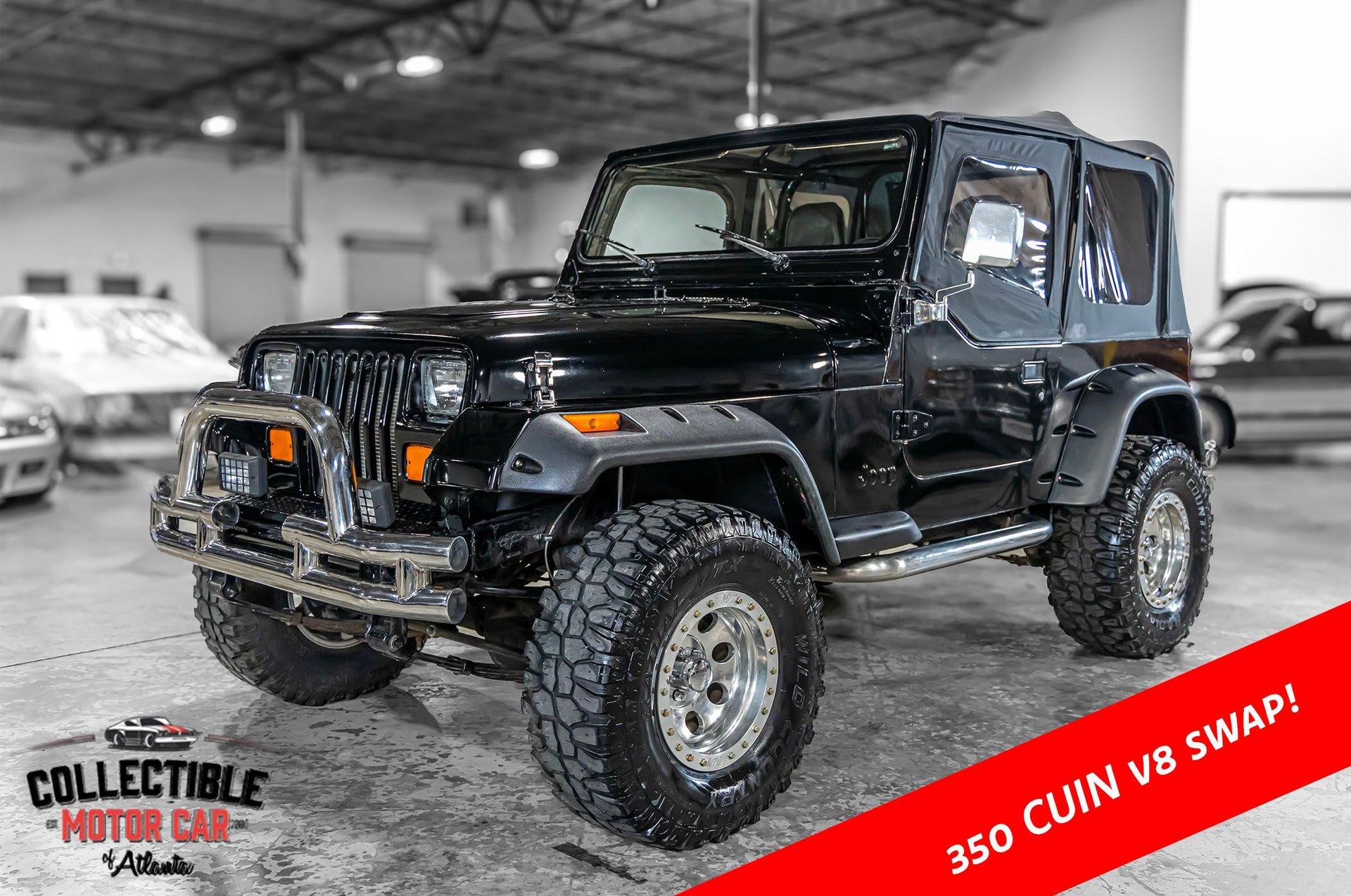
The 1990 model year represents a sweet spot in the YJ lifespan. It benefits from several improvements made over earlier models while retaining the classic YJ charm, including the rectangular headlights that distinguish it from later Wrangler generations. Finding and maintaining original or high-quality aftermarket parts is crucial for preserving the vehicle's value, performance, and safety. Neglecting maintenance due to the age of the vehicle is a common mistake. Access to the right parts allows you to address potential issues proactively and keep your 1990 Wrangler on the road for years to come.
Section 1: Essential 1990 Jeep Wrangler Parts Categories
Maintaining a 1990 Wrangler requires attention to several key areas. Here's a breakdown of the essential parts categories:
- Engine Components: This includes everything from spark plugs, filters (oil, air, fuel), and belts to more significant items like the distributor, water pump, and potentially even engine rebuild kits. The 1990 YJ offered several engine options, including the 2.5L inline-four and the 4.2L inline-six. Knowing your engine type is crucial when sourcing parts.
- Transmission and Drivetrain: This covers the transmission (manual or automatic), transfer case, driveshafts, axles, and differentials. Keeping these components in good working order is critical for off-road performance and overall reliability. Worn-out U-joints, leaky seals, and noisy differentials are common issues in older Wranglers.
- Suspension and Steering: The suspension system (leaf springs, shocks, shackles) and steering components (steering box, tie rods, ball joints) are vital for ride quality and handling. Aging suspension components can lead to a bumpy ride, poor handling, and even safety concerns.
- Braking System: Brakes are paramount for safety. Regularly inspect and replace brake pads, rotors/drums, calipers/wheel cylinders, brake lines, and the master cylinder. Upgrading to stainless steel brake lines can improve braking performance and longevity.
- Electrical System: The electrical system includes the battery, alternator, starter, wiring harness, lights, and gauges. Corrosion and damaged wiring are common problems in older vehicles. A multimeter and wiring diagrams are essential tools for diagnosing electrical issues.
- Body and Interior: This encompasses everything from body panels and bumpers to seats, carpets, and trim. Restoring the body and interior can significantly enhance the appearance and value of your Wrangler. Rust repair is often a necessary task.

Section 2: Finding the Right Parts: Sources and Considerations
Locating the correct parts for your 1990 Wrangler requires research and careful consideration. Here are some common sources:

- Local Auto Parts Stores: These stores offer a convenient option for readily available parts like filters, spark plugs, and brake components. However, their selection of Wrangler-specific parts may be limited.
- Online Retailers: Online retailers like Quadratec, Morris 4x4 Center, and Amazon offer a vast selection of aftermarket and OEM parts for the 1990 Wrangler. Be sure to read reviews and compare prices before making a purchase.
- Jeep Dealerships: Jeep dealerships can provide OEM (Original Equipment Manufacturer) parts, ensuring a perfect fit and factory-correct appearance. However, OEM parts are often more expensive than aftermarket alternatives.
- Salvage Yards: Salvage yards can be a treasure trove for finding used parts at affordable prices. However, inspect the parts carefully for damage or wear before purchasing.
- Jeep Forums and Online Communities: Jeep forums and online communities are valuable resources for finding hard-to-find parts, getting advice from other Wrangler owners, and even buying parts from individuals.
Important Considerations When Sourcing Parts:
- OEM vs. Aftermarket: OEM parts are made by the original manufacturer and are designed to meet the vehicle's original specifications. Aftermarket parts are made by third-party companies and may offer improved performance, durability, or affordability.
- Quality and Brand Reputation: Choose parts from reputable brands known for their quality and reliability. Read reviews and research the manufacturer before making a purchase.
- Fitment and Compatibility: Ensure that the parts you are purchasing are specifically designed for the 1990 Jeep Wrangler YJ. Double-check the part number and description to confirm compatibility.
- Warranty: Check the warranty offered by the manufacturer or retailer. A longer warranty can provide peace of mind and protection against defects.
Section 3: Common 1990 Jeep Wrangler Problems and Their Solutions
Owning a 1990 Wrangler comes with its own set of potential issues. Here are some common problems and their solutions:
- Rust: Rust is a common problem in older Wranglers, especially in areas with harsh winters. Repairing rust requires cutting out the affected metal and welding in new panels. Preventive measures include applying rust inhibitors and keeping the vehicle clean.
- Vacuum Leaks: Vacuum leaks can cause poor engine performance, rough idling, and stalling. Inspect vacuum hoses for cracks and replace them as needed.
- Electrical Issues: Wiring problems, corroded connections, and faulty sensors can lead to various electrical issues. Use a multimeter to diagnose electrical problems and repair or replace damaged wiring.
- Cooling System Problems: Overheating can be a serious problem. Inspect the radiator, hoses, thermostat, and water pump for leaks or damage. Flush the cooling system regularly to prevent corrosion.
- Suspension Sag: Aging leaf springs can sag, resulting in a poor ride and reduced ground clearance. Replacing the leaf springs with new or upgraded ones can restore the vehicle's ride height and handling.
Section 4: Restoration Tips for Your 1990 Jeep Wrangler
Restoring a 1990 Wrangler can be a rewarding project. Here are some tips to help you achieve a successful restoration:
- Start with a Plan: Before you begin, create a detailed plan that outlines your goals, budget, and timeline.
- Prioritize Safety: Safety should be your top priority. Wear appropriate safety gear and take precautions when working with tools and chemicals.
- Document Everything: Take photos and notes throughout the restoration process to document your progress and help you remember how things go back together.
- Don't Be Afraid to Ask for Help: If you're unsure about a particular task, don't be afraid to ask for help from experienced mechanics or fellow Jeep enthusiasts.
- Be Patient: Restoration takes time and effort. Don't get discouraged if things don't go as planned.
Section 5: Performance Upgrades for Your 1990 Jeep Wrangler
While keeping your Wrangler original is admirable, you might also want to improve its performance. Here are some popular upgrade options:
- Engine Swaps: Swapping in a more powerful engine, such as a Chevy 350 or a modern Jeep inline-six, can significantly improve performance.
- Lift Kits: Lift kits increase ground clearance and allow you to install larger tires.
- Lockers: Lockers improve off-road traction by locking the axles together.
- Gear Upgrades: Changing the gear ratio can improve acceleration and low-end torque.
- Brake Upgrades: Upgrading to larger brakes can improve stopping power.
Section 6: Price Table for Common 1990 Jeep Wrangler Parts
| Part | Approximate Price Range | Notes |
|---|---|---|
| Spark Plugs (Set of 6) | $20 - $50 | Price varies depending on brand and type. |
| Oil Filter | $5 - $15 | Choose a quality filter for optimal engine protection. |
| Air Filter | $10 - $25 | Replace regularly for improved engine performance. |
| Brake Pads (Front Set) | $25 - $60 | Price depends on the material and brand. |
| Brake Rotors (Front Pair) | $60 - $150 | Consider slotted or drilled rotors for improved braking performance. |
| Water Pump | $40 - $100 | Replace if leaking or noisy. |
| Starter Motor | $80 - $180 | A failing starter can cause starting problems. |
| Alternator | $100 - $250 | A faulty alternator can cause battery drain and electrical issues. |
| Leaf Springs (Pair) | $200 - $500 | Price depends on the lift height and brand. |
| Shocks (Set of 4) | $100 - $400 | Choose shocks that are appropriate for your driving style and terrain. |
| Soft Top | $300 - $800 | Price varies depending on the material and features. |
| Hard Top | $800 - $2000 | Used hard tops can be found at lower prices. |
| Radiator | $100 - $300 | Replace if leaking or corroded. |
Section 7: Frequently Asked Questions (FAQ)
- Q: Where can I find a complete wiring diagram for my 1990 Jeep Wrangler?
- A: Wiring diagrams are often included in the factory service manual. You can also find them online at Jeep forums and online communities.
- Q: How often should I change the oil in my 1990 Jeep Wrangler?
- A: Refer to your owner's manual for the recommended oil change interval. Generally, changing the oil every 3,000-5,000 miles is a good practice.
- Q: What type of oil should I use in my 1990 Jeep Wrangler?
- A: The recommended oil type depends on the engine. Consult your owner's manual for the correct oil type and viscosity.
- Q: How do I identify the engine in my 1990 Jeep Wrangler?
- A: The engine type is usually indicated on a sticker under the hood or in the owner's manual. You can also identify the engine by its appearance. The 2.5L inline-four is smaller than the 4.2L inline-six.
- Q: Are parts for the 1990 Jeep Wrangler readily available?
- A: Yes, parts are generally readily available, thanks to the popularity of the YJ Wrangler. However, some specific OEM parts might be harder to find and more expensive.
Conclusion
Maintaining and restoring a 1990 Jeep Wrangler is a labor of love. By understanding the essential parts categories, sourcing reliable components, and addressing common issues proactively, you can keep your YJ running strong and looking its best for years to come. Whether you're performing routine maintenance, tackling a restoration project, or upgrading your Wrangler for off-road adventures, having the right parts and knowledge is key to success. Embrace the challenge, and enjoy the journey of owning a true American classic.
0 comments