The 2008 Jeep Patriot. For many, it represents an affordable entry point into the Jeep lifestyle, offering a blend of fuel efficiency, off-road capability (in certain trims), and iconic Jeep styling. While no longer in production, the 2008 Patriot remains a popular choice for those seeking a reliable and versatile vehicle. However, like any car of its age, maintaining a 2008 Patriot requires attention to detail and a good understanding of its various parts. This comprehensive guide delves into the world of 2008 Jeep Patriot parts, providing valuable information, practical advice, and actionable insights to keep your Patriot running strong for years to come.
Introduction: Why Understanding 2008 Jeep Patriot Parts Matters
Reviving a Legend: A Comprehensive Guide to 2008 Jeep Patriot Parts
The 2008 Jeep Patriot, though budget-friendly, benefits significantly from proper maintenance and timely part replacements. Understanding the function and availability of its parts is crucial for several reasons:
- Reliability: Ensuring your Patriot remains reliable for daily commutes, weekend adventures, and everything in between.
- Performance: Maintaining optimal performance, including fuel efficiency, handling, and off-road capability (if applicable).
- Safety: Guaranteeing the safety of yourself and your passengers by replacing worn or damaged safety-critical components.
- Longevity: Extending the lifespan of your Patriot and maximizing your investment.
- Cost-Effectiveness: Proactive maintenance and timely repairs can prevent more significant and costly issues down the road.
- Personalization: Accessing parts to personalize your Patriot's appearance or improve its off-road capabilities.

This guide aims to equip you with the knowledge needed to navigate the world of 2008 Jeep Patriot parts, from identifying common replacement items to finding reputable suppliers and understanding potential challenges.
Section 1: Essential Engine Components and Maintenance
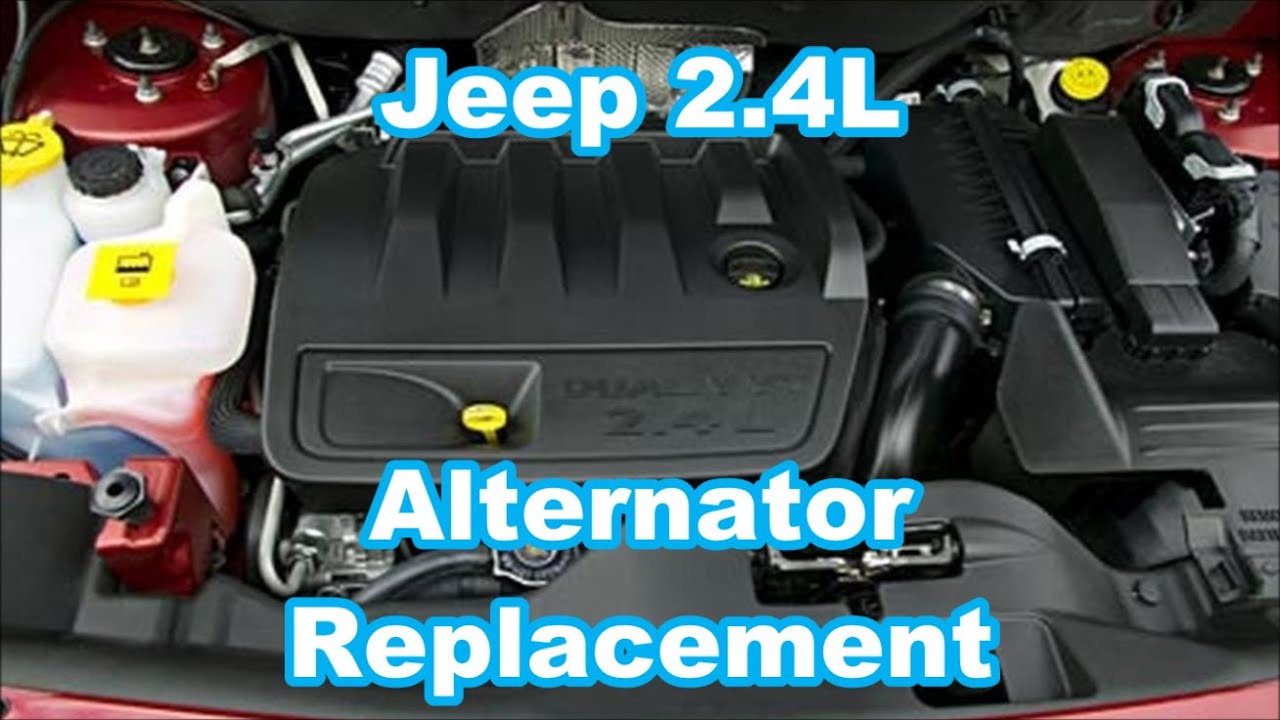
The engine is the heart of your Patriot, and keeping it running smoothly is paramount. Here's a breakdown of essential engine components and related maintenance:
- Engine Oil and Filter: Regular oil changes are crucial. Use the correct oil type (typically 5W-20 or 5W-30, consult your owner's manual) and a quality oil filter. Change intervals should be every 3,000-5,000 miles, depending on driving conditions.
- Benefits: Improved engine lubrication, reduced wear and tear, and extended engine life.
- Considerations: Choosing the right oil viscosity for your climate.
- Challenges: Over-tightening the oil filter.
- Spark Plugs: Spark plugs ignite the fuel-air mixture. Replace them according to the manufacturer's recommended interval (usually every 30,000-60,000 miles).
- Benefits: Improved fuel efficiency, smoother engine performance, and reduced emissions.
- Considerations: Using the correct spark plug type (copper, platinum, or iridium).
- Challenges: Seized spark plugs. Use penetrating oil before attempting removal.
- Air Filter: The air filter prevents dirt and debris from entering the engine. Replace it regularly (every 12,000-15,000 miles) or more often if you drive in dusty conditions.
- Benefits: Improved engine performance, fuel efficiency, and reduced engine wear.
- Considerations: Choosing a high-quality air filter.
- Challenges: Incorrect installation, leading to air leaks.
- Timing Belt/Chain: The timing belt or chain synchronizes the engine's crankshaft and camshaft. If your Patriot has a timing belt (check your owner's manual), replace it at the recommended interval (typically 60,000-100,000 miles). A broken timing belt can cause catastrophic engine damage.
- Benefits: Prevents engine damage.
- Considerations: The cost of replacement, as it's a labor-intensive job.
- Challenges: Incorrect timing during installation.
- Water Pump: The water pump circulates coolant through the engine to prevent overheating. Replace it proactively when replacing the timing belt (if applicable) or if you notice signs of leakage or overheating.
- Benefits: Prevents engine overheating.
- Considerations: The quality of the replacement pump.
- Challenges: Air pockets in the cooling system after replacement.
- Serpentine Belt: The serpentine belt drives various engine accessories, such as the alternator, power steering pump, and air conditioning compressor. Replace it if it shows signs of cracking or wear.
- Benefits: Ensures proper operation of engine accessories.
- Considerations: Belt tension.
- Challenges: Routing the belt correctly.
Section 2: Transmission and Drivetrain Parts
The transmission and drivetrain transfer power from the engine to the wheels. Key components include:
- Transmission Fluid: Regular transmission fluid changes are crucial for maintaining smooth shifting and preventing transmission damage. Use the correct fluid type specified in your owner's manual.
- Benefits: Improved shifting, extended transmission life.
- Considerations: Fluid type and drain/fill versus flush.
- Challenges: Overfilling or underfilling the transmission.
- CV Axles: CV axles transfer power from the transmission to the wheels. Inspect them for torn boots, which can lead to joint failure.
- Benefits: Reliable power transfer.
- Considerations: Choosing high-quality axles.
- Challenges: Removing rusted or seized axles.
- Differential Fluid: If your Patriot has four-wheel drive, the differential fluid should be changed regularly to ensure proper lubrication and prevent wear.
- Benefits: Smooth operation of the differential.
- Considerations: Fluid type.
- Challenges: Removing the fill and drain plugs, which can be difficult to access.
Section 3: Brake System Components
A properly functioning brake system is essential for safety. Key components include:
- Brake Pads and Rotors: Replace brake pads when they become worn. Rotors should be replaced or resurfaced if they are warped or damaged.
- Benefits: Safe and effective braking.
- Considerations: Choosing between different brake pad materials (organic, ceramic, semi-metallic).
- Challenges: Removing rusted rotors.
- Brake Calipers: Brake calipers apply pressure to the brake pads. Inspect them for leaks and ensure they are functioning properly.
- Benefits: Proper braking function.
- Considerations: Rebuilding versus replacing calipers.
- Challenges: Bleeding the brakes after caliper replacement.
- Brake Lines: Brake lines carry brake fluid to the calipers. Inspect them for leaks or damage.
- Benefits: Safe braking.
- Considerations: Using DOT-approved brake lines.
- Challenges: Leaks.
- Brake Master Cylinder: The master cylinder provides the hydraulic pressure to activate the brakes.
Section 4: Suspension and Steering Components
The suspension and steering systems provide a comfortable ride and precise handling. Key components include:
- Shocks and Struts: Replace shocks and struts when they become worn, typically every 50,000-75,000 miles.
- Benefits: Improved ride quality and handling.
- Considerations: Choosing between different types of shocks and struts (gas-charged, hydraulic).
- Challenges: Compressing coil springs safely.
- Tie Rod Ends: Tie rod ends connect the steering rack to the wheels. Inspect them for play and replace them if necessary.
- Benefits: Precise steering.
- Considerations: Getting a wheel alignment after replacement.
- Challenges: Removing seized tie rod ends.
- Ball Joints: Ball joints connect the suspension to the wheels. Inspect them for play and replace them if necessary.
- Benefits: Stable handling.
- Considerations: Pressing ball joints in and out of control arms.
- Challenges: Seized ball joints.
- Control Arms: Control arms connect the suspension to the vehicle's frame.
Section 5: Body and Exterior Parts
Body and exterior parts maintain the appearance and structural integrity of your Patriot. Key components include:
- Bumpers: Protect the vehicle in collisions.
- Fenders: Protect the wheels and tires.
- Grille: Provides airflow to the radiator.
- Headlights and Taillights: Essential for visibility.
- Mirrors: Provide visibility.
- Doors: Allow access to the vehicle.
- Windshield: Provides visibility and protection.
Section 6: Finding the Right Parts: Online Retailers, Local Shops, and Salvage Yards
Finding the right parts for your 2008 Jeep Patriot requires careful consideration. Here are some options:
- Online Retailers: Websites like RockAuto, Amazon, and eBay offer a wide selection of parts at competitive prices. Research the seller and read reviews before making a purchase.
- Local Auto Parts Stores: Local stores like AutoZone, Advance Auto Parts, and O'Reilly Auto Parts provide knowledgeable staff and the ability to physically inspect parts before buying.
- Jeep Dealerships: Dealerships offer genuine OEM parts, but they are typically more expensive.
- Salvage Yards: Salvage yards can be a great source for used parts at a fraction of the cost of new parts. However, inspect used parts carefully before purchasing.
Tips for Finding the Right Parts:
- Know Your Vehicle's VIN: The VIN (Vehicle Identification Number) is a unique identifier for your vehicle. Use it to ensure you are ordering the correct parts.
- Consult Your Owner's Manual: The owner's manual provides valuable information about your vehicle, including recommended parts and maintenance schedules.
- Read Reviews: Before buying parts online, read reviews from other customers.
- Compare Prices: Shop around to find the best prices.
- Consider the Warranty: Choose parts with a warranty to protect yourself against defects.
Section 7: Common Problems and Solutions
The 2008 Jeep Patriot, like any vehicle, has its share of common problems. Here are some examples and potential solutions:
- Rough Idle: Could be caused by faulty spark plugs, a dirty air filter, or a vacuum leak.
- Check Engine Light: Requires diagnosis to determine the cause.
- Transmission Problems: Could be caused by low transmission fluid or a faulty transmission.
- Rust: Common in areas with harsh winters.
- Electrical Issues: Can stem from a variety of sources.
Section 8: Personalization and Upgrades
Beyond basic maintenance, you can personalize and upgrade your 2008 Jeep Patriot:
- Lift Kits: Increase ground clearance for off-roading.
- Off-Road Tires: Improve traction in off-road conditions.
- Aftermarket Bumpers: Provide increased protection.
- Lighting Upgrades: Improve visibility.
- Audio System Upgrades: Enhance your listening experience.
Conclusion: Keeping Your 2008 Jeep Patriot Rolling
Maintaining a 2008 Jeep Patriot requires attention to detail and a good understanding of its parts. By following the advice in this guide, you can keep your Patriot running strong for years to come, enjoying its versatility, affordability, and iconic Jeep styling. Remember to prioritize regular maintenance, address issues promptly, and choose quality parts from reputable suppliers. With proper care, your 2008 Jeep Patriot can continue to be a reliable and enjoyable vehicle for many miles ahead.
Price Table: 2008 Jeep Patriot Parts (Approximate Prices - Subject to Change)
| Part | Approximate Price Range | Notes |
|---|---|---|
| Oil Filter | $5 - $15 | Price varies by brand and quality. |
| Air Filter | $10 - $25 | Price varies by brand and quality. |
| Spark Plugs (Set of 4) | $20 - $60 | Price varies by type (copper, platinum, iridium). |
| Front Brake Pads (Pair) | $30 - $70 | Price varies by material (organic, ceramic, semi-metallic). |
| Front Brake Rotors (Each) | $40 - $100 | Price varies by brand and quality. |
| Serpentine Belt | $15 - $30 | Price varies by brand and quality. |
| Water Pump | $40 - $80 | Price varies by brand and quality. |
| CV Axle (Each) | $70 - $150 | Price varies by brand and quality. |
| Shock Absorber (Each) | $40 - $100 | Price varies by brand and type. |
| Strut Assembly (Each) | $80 - $200 | Price varies by brand and type. |
| Tie Rod End (Each) | $20 - $50 | Price varies by brand and quality. |
| Ball Joint (Each) | $30 - $70 | Price varies by brand and quality. |
| Headlight Assembly (Each) | $50 - $150 | Price varies by brand and type (halogen, LED). |
| Taillight Assembly (Each) | $40 - $100 | Price varies by brand and quality. |
| Radiator | $80 - $200 | Price varies by brand and quality. |
| Starter Motor | $80 - $150 | Price varies by brand and quality. |
| Alternator | $100 - $200 | Price varies by brand and quality. |
| Windshield | $150 - $350 | Price varies depending on features and installation costs. |
| Timing Belt Kit (if applicable) | $100 - $300 | Includes belt, tensioner, and idler pulleys. |
| Transmission Fluid (per quart) | $5 - $15 | Price varies by type (check owner's manual). |
Frequently Asked Questions (FAQ)
-
Q: Where can I find the correct oil type for my 2008 Jeep Patriot?
- A: Consult your owner's manual. Typically, 5W-20 or 5W-30 is recommended.
-
Q: How often should I change my engine oil?
- A: Every 3,000-5,000 miles, depending on driving conditions.
-
Q: What is the recommended interval for replacing spark plugs?
- A: Typically, every 30,000-60,000 miles.
-
Q: How can I find the correct parts for my specific 2008 Jeep Patriot?
- A: Use your vehicle's VIN (Vehicle Identification Number) when ordering parts.
-
Q: Should I use OEM or aftermarket parts?
- A: OEM (Original Equipment Manufacturer) parts are typically more expensive but offer guaranteed fit and quality. Aftermarket parts can be more affordable, but research the brand and read reviews before purchasing.
-
Q: How can I tell if my brake pads need to be replaced?
- A: Listen for squealing or grinding noises, or visually inspect the pads for wear.
-
Q: What are some common problems with the 2008 Jeep Patriot?
- A: Rough idle, check engine light, transmission problems, and rust.
-
Q: Where can I find a reliable mechanic to work on my 2008 Jeep Patriot?
- A: Ask for recommendations from friends and family, read online reviews, and look for mechanics who specialize in Jeep vehicles.
-
Q: Is it difficult to replace parts on a 2008 Jeep Patriot?
- A: Some parts are relatively easy to replace, while others require specialized tools and knowledge. If you are not comfortable working on your vehicle, it is best to consult a qualified mechanic.
0 comments