The 2001 Jeep Cherokee Sport, often referred to by its "XJ" designation, holds a special place in the hearts of off-road enthusiasts and everyday drivers alike. Known for its rugged simplicity, reliable 4.0L inline-six engine, and iconic boxy design, the XJ is a testament to Jeep's commitment to building capable and durable vehicles. But even the most robust machines require maintenance and occasional repairs. This guide dives deep into the world of 2001 Jeep Cherokee Sport parts, providing everything you need to keep your XJ running smoothly, whether you're tackling challenging trails or cruising down the highway.
Why Understanding 2001 Jeep Cherokee Sport Parts is Crucial
Reviving a Legend: A Comprehensive Guide to 2001 Jeep Cherokee Sport Parts
The 2001 Cherokee Sport is now over two decades old. Finding reliable parts is crucial for several reasons:
- Safety: Worn or damaged parts can compromise your safety and the safety of others on the road. Brakes, suspension components, and steering parts are especially critical.
- Performance: Replacing worn parts can restore your XJ's original performance and fuel efficiency. A tired engine, worn suspension, or clogged exhaust can significantly impact your driving experience.
- Longevity: Regular maintenance and timely repairs can extend the life of your Cherokee Sport, ensuring you can enjoy it for years to come.
- Resale Value: A well-maintained Cherokee Sport with documented repairs and quality parts will command a higher resale value.
- Off-Road Capability: If you plan to use your XJ for off-roading, ensuring that critical components are in good condition is essential for tackling challenging terrain.

Section 1: Engine and Drivetrain Parts
The heart of the 2001 Cherokee Sport is its legendary 4.0L inline-six engine. This engine is renowned for its reliability and torque, making it a favorite among Jeep enthusiasts. Here's a breakdown of essential engine and drivetrain parts:
- Engine Components:
- Spark Plugs & Wires: Replacing these regularly ensures optimal combustion and fuel efficiency.
- Air Filter: A clean air filter improves engine performance and protects it from contaminants.
- Fuel Filter: A clogged fuel filter can restrict fuel flow and reduce engine power.
- Water Pump: A failing water pump can lead to overheating and engine damage.
- Thermostat: A malfunctioning thermostat can cause the engine to run too hot or too cold.
- Radiator: A leaking or clogged radiator can cause overheating.
- Belts and Hoses: Regularly inspect and replace belts and hoses to prevent breakdowns.
- Oil Filter & Oil: Regular oil changes are crucial for engine lubrication and longevity.
- Sensors (Crankshaft Position Sensor, Oxygen Sensor, etc.): Faulty sensors can cause various engine problems, including poor performance and check engine lights.

- Drivetrain Components:
- Transmission Fluid & Filter: Regular transmission fluid changes are essential for smooth shifting and transmission longevity.
- Transfer Case Fluid: Changing the transfer case fluid ensures proper lubrication and prevents damage.
- Differentials (Front & Rear): Maintaining the differential fluid is crucial for proper axle function.
- U-Joints: Worn U-joints can cause vibrations and eventual failure.
- Driveshafts: Inspect driveshafts for damage and balance issues.
- Clutch (Manual Transmission): Replace the clutch when it starts to slip or chatter.
Practical Advice: When replacing engine or drivetrain parts, opt for quality brands like Mopar, Crown Automotive, or Omix-ADA. These brands are known for their durability and reliability.
Section 2: Suspension and Steering Parts
The suspension and steering systems are critical for handling and ride comfort. Here's a look at key components:
- Suspension Components:
- Shocks: Worn shocks can lead to a bouncy ride and poor handling. Consider upgrading to performance shocks for improved off-road capability.
- Leaf Springs (Rear): Sagging leaf springs can affect ride height and load-carrying capacity.
- Coil Springs (Front): Weak coil springs can cause a rough ride and poor handling.
- Bushings: Worn bushings in the control arms, leaf springs, and sway bar can cause noise and poor handling.
- Sway Bar Links: Damaged sway bar links can reduce handling stability.
- Steering Components:
- Steering Gearbox: A worn steering gearbox can cause excessive play in the steering wheel.
- Tie Rod Ends: Worn tie rod ends can cause steering instability and tire wear.
- Ball Joints: Worn ball joints can cause noise and steering problems.
- Steering Stabilizer: A steering stabilizer helps to dampen vibrations and improve steering control, especially off-road.
Practical Advice: If you're planning to lift your Cherokee Sport, you'll need to replace the suspension components with lift-specific parts. Choose a lift kit that suits your driving needs and budget.
Section 3: Brakes and Wheels
The braking system is essential for safety, and the wheels and tires affect handling and traction.
- Brake Components:
- Brake Pads: Replace brake pads when they become worn. Choose high-quality brake pads for optimal stopping power.
- Brake Rotors: Resurface or replace brake rotors if they are warped or damaged.
- Brake Calipers: Inspect brake calipers for leaks and replace them if necessary.
- Brake Lines: Inspect brake lines for leaks and replace them if they are cracked or damaged.
- Brake Master Cylinder: A failing brake master cylinder can cause a loss of braking power.
- Wheels and Tires:
- Tires: Choose tires that are appropriate for your driving conditions. Consider all-terrain tires for a good balance of on-road and off-road performance.
- Wheels: Inspect wheels for damage and ensure they are properly balanced.
Practical Advice: When replacing brake pads and rotors, consider upgrading to slotted or drilled rotors for improved heat dissipation and braking performance.
Section 4: Body and Interior Parts
While less critical for immediate function, body and interior parts contribute to the overall enjoyment and aesthetics of your Cherokee Sport.
- Body Panels: Fenders, doors, hoods, and quarter panels can be replaced to repair damage from accidents or rust.
- Bumpers: Front and rear bumpers provide protection in collisions. Aftermarket bumpers can offer improved protection and off-road capabilities.
- Lights: Headlights, taillights, and turn signals are essential for safety. Consider upgrading to LED lights for improved visibility.
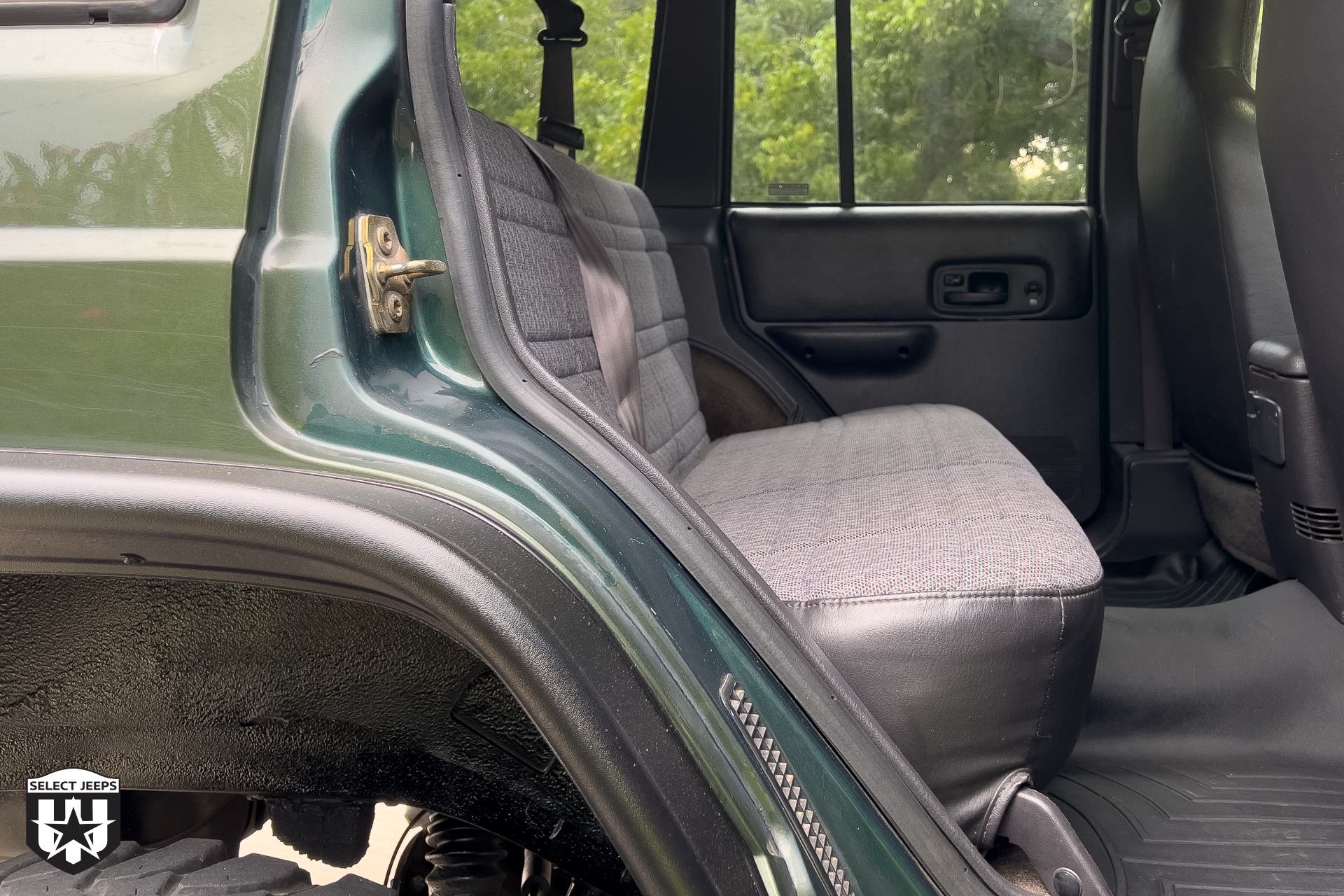
- Seats: Replace worn or damaged seats for improved comfort.
- Carpets: Replace worn or stained carpets to freshen up the interior.
- Dash Components: Repair or replace cracked or damaged dash components.
- Door Panels: Replace damaged door panels to improve the interior appearance.
Practical Advice: When replacing body panels, consider using rust-resistant coatings to prevent future corrosion.
Section 5: Electrical Parts
The electrical system powers everything from the engine to the lights.
- Battery: A weak battery can cause starting problems.
- Alternator: A failing alternator can cause the battery to drain and the engine to stall.
- Starter: A faulty starter can prevent the engine from starting.
- Wiring Harnesses: Inspect wiring harnesses for damage and corrosion.
- Fuses and Relays: Replace blown fuses and faulty relays.
- Sensors: Various sensors throughout the vehicle rely on electrical connections.
Practical Advice: When working on the electrical system, always disconnect the battery to prevent electrical shock.
Table Price of 2001 Jeep Cherokee Sport Parts
| Part | Brand (Example) | Price Range (USD) | Notes |
|---|---|---|---|
| Spark Plugs (Set of 6) | NGK | $20 - $50 | Varies based on type (copper, iridium) |
| Air Filter | K&N | $15 - $30 | Paper vs. reusable options |
| Fuel Filter | Wix | $10 - $25 | |
| Water Pump | Mopar | $50 - $150 | New vs. Remanufactured |
| Thermostat | Stant | $10 - $30 | |
| Radiator | CSF | $100 - $300 | Aluminum vs. Copper/Brass |
| Oil Filter | Mobil 1 | $5 - $15 | |
| Front Brake Pads | Hawk | $30 - $70 | Ceramic vs. Semi-Metallic |
| Front Brake Rotors (Pair) | Power Stop | $80 - $200 | Drilled/Slotted options available |
| Shocks (Front Pair) | Bilstein | $100 - $300 | Gas vs. Hydraulic, Performance options |
| Leaf Springs (Pair) | Crown Automotive | $200 - $500 | Standard vs. Heavy Duty |
| Ball Joints (Upper/Lower) | Moog | $20 - $50 (each) | |
| Tie Rod Ends (Inner/Outer) | Mevotech | $15 - $40 (each) | |
| Battery | Optima | $150 - $300 | AGM vs. Lead-Acid |
| Alternator | Denso | $100 - $250 | New vs. Remanufactured |
| Starter | Bosch | $80 - $200 | New vs. Remanufactured |
| Headlight Assembly | TYC | $50 - $100 (each) | |
| Tail Light Assembly | Dorman | $40 - $80 (each) |
Note: These prices are approximate and can vary depending on the retailer, location, and specific part number. It's always best to compare prices from multiple sources before making a purchase. This table is meant to provide a general idea of the cost involved in replacing common parts on a 2001 Jeep Cherokee Sport.
Frequently Asked Questions (FAQ)
- Where can I find parts for my 2001 Jeep Cherokee Sport? You can find parts at auto parts stores like AutoZone, O'Reilly Auto Parts, and Advance Auto Parts. Online retailers like Quadratec, Morris 4x4 Center, and Amazon also offer a wide selection of parts.
- Are aftermarket parts as good as OEM parts? Aftermarket parts can be just as good as OEM parts, and sometimes even better, depending on the brand and quality. Research different brands and read reviews before making a purchase.
- How can I tell if a part needs to be replaced? Look for signs of wear and tear, such as cracks, leaks, or excessive play. Consult your owner's manual for recommended maintenance intervals.
- What tools do I need to work on my Cherokee Sport? A basic set of hand tools, including wrenches, sockets, screwdrivers, and pliers, is essential. You may also need specialized tools for certain repairs, such as a torque wrench, ball joint press, or spring compressor.
- Is it difficult to work on a 2001 Jeep Cherokee Sport? The Cherokee Sport is relatively easy to work on compared to newer vehicles. However, some repairs can be challenging and may require specialized knowledge or tools.
Concluding Summary
Maintaining and repairing a 2001 Jeep Cherokee Sport can be a rewarding experience. By understanding the different parts of your XJ and knowing where to find quality replacements, you can keep it running smoothly and reliably for years to come. Remember to prioritize safety, choose quality parts, and consult with a qualified mechanic if you're unsure about any repair. The 2001 Jeep Cherokee Sport is a legend, and with proper care and maintenance, it can continue to conquer trails and turn heads for generations to come.
0 comments