The 1977 Jeep CJ7. The very name conjures images of open roads, rugged terrain, and the sheer joy of open-air driving. For many, it's more than just a vehicle; it's a piece of American history, a symbol of freedom, and a testament to enduring design. However, owning a classic like a '77 CJ7 means understanding its unique needs, especially when it comes to sourcing and maintaining its parts. This comprehensive guide dives deep into the world of 1977 Jeep CJ7 parts, covering everything from essential components to restoration tips, ensuring your CJ7 remains a reliable and head-turning machine for years to come.
Introduction: Why Understanding 1977 CJ7 Parts is Crucial
Reviving a Legend: A Comprehensive Guide to 1977 Jeep CJ7 Parts
The 1977 CJ7 occupied a sweet spot in Jeep's history. It featured improvements over earlier models while still retaining the classic CJ aesthetic. Understanding the specific parts used in this model year is vital for several reasons:
- Proper Fitment: CJ7 parts evolved throughout its production run (1976-1986). Parts from later models might not be a direct fit for a '77. Knowing the specific part numbers and compatibility ensures a smooth installation.
- Maintaining Authenticity: For enthusiasts dedicated to restoration, using original or correct reproduction parts is paramount to preserving the CJ7's historical value.
- Performance and Reliability: Using the correct parts ensures that your CJ7 performs as intended and maintains its legendary reliability. Incorrect parts can lead to poor performance, accelerated wear, and even safety issues.
- Troubleshooting and Repair: Identifying the specific components used in the '77 CJ7 simplifies troubleshooting and repair processes.
Section 1: Essential Engine Components for the '77 CJ7
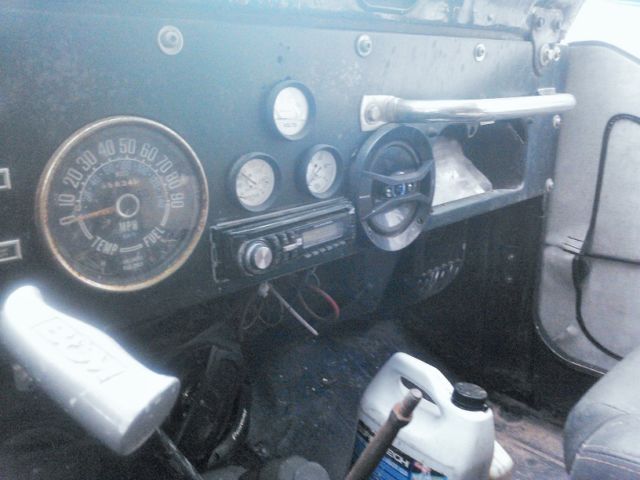
The 1977 CJ7 offered several engine options, each requiring specific parts:
- 258 Cubic Inch Inline-Six (AMC 258): This was the most common engine choice and a workhorse known for its torque. Key parts include:
- Carburetor: Often a Carter BBD. Rebuilding or replacing with a Weber carburetor is a common upgrade.
- Distributor: Typically a Prestolite electronic ignition system. Upgrading to a more reliable HEI distributor is a popular modification.
- Water Pump: Crucial for cooling. Ensure the replacement matches the original flow rate.
- Radiator: Copper/brass radiators are common, but aluminum upgrades offer better cooling performance.
- Exhaust Manifold: Prone to cracking. Aftermarket headers can improve performance and longevity.
- 304 Cubic Inch V8 (AMC 304): A more powerful option for those seeking extra grunt.
- Carburetor: Typically an Autolite/Motorcraft 2100 or 2150.
- Distributor: Similar to the 258, often a Prestolite. HEI upgrades are also common.
- Engine Mounts: V8 engines require different engine mounts than the inline-six.
- Exhaust System: A dual exhaust system is a common upgrade for V8 CJ7s.

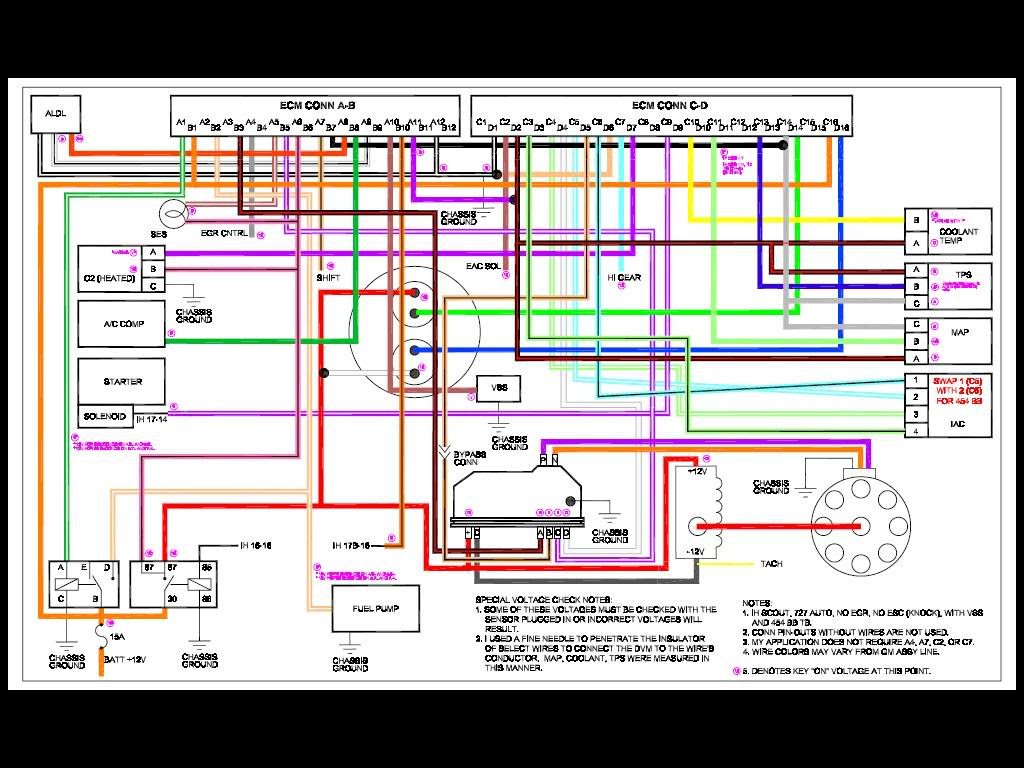
Practical Advice: When replacing engine parts, always consult the factory service manual for the '77 CJ7. This will provide accurate part numbers and torque specifications. Consider purchasing a complete engine rebuild kit for a thorough overhaul.
Section 2: Transmission and Drivetrain Components
The drivetrain is critical for transferring power to the wheels. Understanding its components is vital:
-
Transmissions:
- T-150 3-Speed Manual: A reliable but basic transmission. Replacement parts are generally available.
- T-18 4-Speed Manual: A robust and highly desirable transmission for off-road use. Rebuild kits and individual parts are readily available.
- Turbo Hydra-Matic 400 (TH400) Automatic: A strong and dependable automatic transmission.
-
Transfer Case:
- Dana 20: A gear-driven transfer case known for its strength and simplicity. Rebuild kits are readily available.
-
Axles:
- Dana 30 Front Axle: A solid front axle, but the two-piece axle shafts are a potential weak point. Consider upgrading to one-piece axle shafts.
- AMC 20 Rear Axle: The AMC 20 is considered a weaker rear axle, particularly with larger tires. Common upgrades include trussing the axle, welding the tubes to the housing, or replacing it with a Dana 44 or Ford 8.8 axle.
Actionable Insights: Inspect the U-joints regularly and replace them at the first sign of wear. When rebuilding the axles, consider upgrading to stronger axle shafts and gears. Pay close attention to the axle seals to prevent leaks.
Section 3: Body and Exterior Components
The CJ7's distinctive body is a key part of its appeal:
- Body Panels: Fenders, hood, and tub can rust, especially in areas prone to moisture. Replacement panels are available in steel and fiberglass.
- Windshield Frame: Another common rust spot. Reproduction frames are readily available.
- Soft Top and Hard Top: Numerous aftermarket options exist, offering different levels of weather protection and style.
- Bumpers: Original bumpers are often chrome or painted steel. Aftermarket options include heavy-duty steel bumpers with winch mounts.
- Lighting: Headlights, taillights, and turn signals are essential for safety. LED upgrades offer improved visibility and reliability.
Important Considerations: When replacing body panels, ensure proper fitment and alignment. Pay attention to rust prevention during the repair process. Consider using a quality primer and paint to protect the new panels.
Section 4: Interior Components and Restoration
Restoring the interior can significantly enhance the driving experience:
- Seats: Original seats are often worn and uncomfortable. Replacement seats offer improved comfort and support.
- Dashboard: The dashboard can crack and fade over time. Replacement dashboards and dash pads are available.
- Gauges: Ensure the gauges are functioning correctly. Replacement gauges and sending units are readily available.
- Steering Wheel: The original steering wheel can be replaced with an aftermarket steering wheel for improved grip and style.
- Flooring: Carpet or bed liner can be used to protect the floor and reduce noise.
Tips: Consider using a wiring harness specifically designed for the '77 CJ7 to simplify the wiring process. When replacing interior components, pay attention to detail and strive for a factory-correct appearance.
Section 5: Suspension and Steering Components
A well-maintained suspension and steering system are crucial for handling and safety:
- Leaf Springs: The CJ7 uses leaf springs for both the front and rear suspension. Replacement leaf springs are available in various lift heights.
- Shocks: Choose shocks that match your driving style and suspension setup.
- Steering Gearbox: The steering gearbox can wear out over time, leading to sloppy steering. Rebuild or replace the gearbox as needed.
- Tie Rods and Ball Joints: Inspect these components regularly for wear and replace them as needed.
- Power Steering: If your CJ7 has power steering, ensure the pump and lines are in good condition.
Potential Challenges and Solutions: Lifting a CJ7 can affect the steering geometry. Consider using a drop pitman arm or steering box spacer to correct the steering angle.
Section 6: Brakes and Wheels
-
Brakes:
- Drum Brakes (Most Common): While reliable, drum brakes can suffer from fading under heavy use. Upgrading to front disc brakes is a popular and worthwhile modification.
- Disc Brakes (Optional): Some '77 CJ7s came with front disc brakes.
-
Wheels and Tires:
- Wheel Size and Offset: Ensure the wheels and tires you choose are compatible with the CJ7's suspension and axles.
- Tire Size: Larger tires can improve off-road performance but can also put extra strain on the drivetrain.
Concluding Summary: Keeping the Legend Alive
Maintaining and restoring a 1977 Jeep CJ7 requires a commitment to understanding its specific parts and needs. By utilizing this guide, you'll be well-equipped to source the correct components, perform necessary repairs, and ensure your CJ7 continues to turn heads and conquer trails for years to come. The '77 CJ7 represents a unique blend of classic Jeep styling and dependable performance. By investing in its maintenance and restoration, you're not just preserving a vehicle; you're keeping a legend alive.
Price Table for 1977 Jeep CJ7 Parts (Estimates - Prices Vary Widely)
| Part Category | Part Description | Estimated Price Range | Notes |
|---|---|---|---|
| Engine | Carburetor (Carter BBD Rebuild Kit) | $50 - $150 | Rebuild kit only, not complete carburetor |
| Engine | Distributor (HEI Upgrade) | $150 - $300 | Complete HEI distributor |
| Engine | Water Pump | $50 - $100 | Standard replacement |
| Engine | Radiator (Aluminum Upgrade) | $200 - $400 | Improved cooling |
| Engine | Exhaust Manifold (Header) | $150 - $300 | Aftermarket header |
| Transmission | T-150 Rebuild Kit | $100 - $250 | Basic rebuild kit |
| Transfer Case | Dana 20 Rebuild Kit | $100 - $200 | Basic rebuild kit |
| Axle | Dana 30 One-Piece Axle Shafts | $200 - $400 (pair) | Upgrade for increased strength |
| Axle | AMC 20 Truss Kit | $100 - $200 | Reinforces the AMC 20 axle |
| Body | Fender (Steel Replacement) | $150 - $300 (each) | Unpainted |
| Body | Windshield Frame (Reproduction) | $200 - $400 | Unpainted |
| Body | Soft Top | $200 - $500 | Varies by quality and features |
| Interior | Seat (Replacement) | $150 - $400 (each) | Varies by style and material |
| Interior | Dashboard Pad | $50 - $150 | Reproduction |
| Suspension | Leaf Springs (Replacement) | $100 - $250 (each) | Standard lift |
| Suspension | Shock Absorbers | $30 - $100 (each) | Varies by brand and type |
| Steering | Steering Gearbox (Rebuilt) | $200 - $400 | |
| Brakes | Front Disc Brake Conversion Kit | $400 - $800 | Complete kit |
| Brakes | Brake Shoes (Drum Brakes) | $20 - $50 (per set) | |
| Wheels | Steel Wheel (Replacement) | $50 - $150 (each) | Stock style |
| Tires | All-Terrain Tire | $100 - $300 (each) | Varies by size and brand |
Disclaimer: These prices are estimates and can vary significantly depending on the brand, quality, and vendor. It's always recommended to shop around and compare prices before making a purchase. Prices do not include labor costs for installation.
Frequently Asked Questions (FAQ)
Q: Where can I find parts for my '77 CJ7?
A: Several sources are available:
- Online Retailers: Quadratec, Morris 4x4 Center, Summit Racing, and eBay are popular options.
- Local Auto Parts Stores: NAPA, AutoZone, and O'Reilly's often carry common replacement parts.
- Jeep Specialty Shops: These shops specialize in Jeeps and often carry hard-to-find parts.
- Junkyards: A good source for used parts, but inspect carefully for damage or wear.
Q: How can I identify the correct parts for my '77 CJ7?
A: Use the VIN (Vehicle Identification Number) to identify the specific engine, transmission, and axle configurations. Consult the factory service manual for part numbers and specifications.
Q: Is it worth upgrading the AMC 20 rear axle?
A: Yes, especially if you plan to run larger tires or do serious off-roading. Upgrading to a Dana 44 or Ford 8.8 axle is a common and worthwhile modification.
Q: What are some common problems with the '77 CJ7?
A: Common issues include rust, electrical problems, carburetor issues, and wear in the suspension and steering systems.
Q: Is it difficult to work on a '77 CJ7?
A: The '77 CJ7 is relatively simple to work on compared to modern vehicles. Basic mechanical skills and a good set of tools are usually sufficient for many repairs.
Q: What's the best way to prevent rust on my CJ7?
A: Regularly wash and wax the vehicle, especially after off-roading. Apply rust-inhibiting coatings to the frame and underbody. Store the vehicle indoors when possible.

0 comments