The Jeep CJ7. The very name conjures images of open roads, rugged trails, and a timeless design that resonates with off-road enthusiasts even today. Produced from 1976 to 1986, the CJ7 occupies a special place in Jeep history, representing a blend of classic styling and capable performance. However, with the youngest CJ7 now over 35 years old, finding parts to maintain and restore these iconic vehicles often means venturing into the realm of used components. This guide will delve into the world of used Jeep CJ7 parts, providing you with the knowledge and insights needed to navigate the process effectively and keep your CJ7 running strong for years to come.
Why Consider Used Jeep CJ7 Parts?
Reviving a Legend: A Comprehensive Guide to Used Jeep CJ7 Parts
The decision to use used parts for your CJ7 can stem from several factors:
- Cost Savings: This is perhaps the most compelling reason. Used parts typically cost significantly less than new or reproduction parts, allowing you to save money on your restoration or repair project.
- Originality: For purists restoring their CJ7 to its original factory condition, finding genuine, period-correct parts is crucial. Used parts are often the only way to achieve this level of authenticity.
- Availability: Some CJ7 parts are no longer manufactured, making used components the only option. This is especially true for specific trim pieces, interior components, and certain engine or drivetrain parts.
- Sustainability: Choosing used parts is an environmentally responsible decision, reducing the demand for new manufacturing and minimizing waste.
Navigating the Used CJ7 Parts Landscape: A Section-by-Section Guide
Finding the right used CJ7 parts requires careful planning and research. Here's a breakdown of key areas to consider:
1. Identifying Your Needs: What Parts Do You Really Need?
Before you start searching, take stock of your CJ7's condition and identify the specific parts that need replacing or upgrading. Be as precise as possible. Vague descriptions like "engine parts" won't be helpful. Instead, specify "alternator," "starter motor," or "distributor."
- Diagnosis: Thoroughly diagnose the problem. Don't just assume the part is faulty; confirm the issue before committing to a purchase.
- Part Numbers: If possible, locate the original part number. This will significantly increase your chances of finding the correct replacement. Part numbers can often be found stamped on the original part or in the Jeep CJ7 service manual.
- Prioritize: Create a prioritized list of parts. Focus on essential components first, such as those related to safety or functionality. Cosmetic items can often be addressed later.
2. Where to Find Used Jeep CJ7 Parts: Avenues to Explore
Once you know what you need, it's time to start searching. Here are some common sources for used CJ7 parts:
- Online Marketplaces: Websites like eBay, Craigslist, and Facebook Marketplace are treasure troves of used parts. Use targeted search terms and carefully review listings, including photos and descriptions.
- Jeep Forums and Online Communities: Jeep forums often have classified sections where members buy, sell, and trade parts. This can be a great way to connect with knowledgeable enthusiasts and find rare or hard-to-find items.
- Local Junkyards and Salvage Yards: While often requiring more effort, junkyards can be a goldmine for used parts. Be prepared to get your hands dirty and bring your own tools. Call ahead to see if they have any CJ7s in stock.
- Jeep Clubs and Events: Attending Jeep clubs and events can provide opportunities to network with other CJ7 owners and find parts for sale or trade.
- Specialty Jeep Parts Dealers: Some dealers specialize in used or NOS (New Old Stock) Jeep parts. These dealers often have a curated inventory and can provide expert advice.
3. Assessing the Condition of Used Parts: What to Look For
Buying used parts involves inherent risks. Here are some key factors to consider when evaluating the condition of a potential purchase:
- Visual Inspection: Carefully examine the part for signs of wear, damage, rust, corrosion, or previous repairs. Pay close attention to critical areas, such as mounting points, threads, and seals.
- Functionality: If possible, test the part before buying it. For example, you can test an alternator with a multimeter or check the operation of a starter motor.
- Seller Reputation: If buying online, check the seller's feedback rating and read reviews from other buyers. Look for sellers with a history of positive transactions and accurate descriptions.
- Return Policy: Inquire about the seller's return policy. A reputable seller should offer a reasonable return policy in case the part is defective or does not meet your expectations.
- Price Comparison: Compare prices from different sellers to ensure you're getting a fair deal. Don't automatically choose the cheapest option; consider the condition and reputation of the seller as well.
4. Common Used CJ7 Parts and What to Watch Out For:
- Engines: Check for leaks, unusual noises, and signs of overheating. Compression testing is recommended.
- Transmissions: Inspect for smooth shifting and any signs of slipping or grinding. Check the fluid for contamination.
- Transfer Cases: Listen for unusual noises and ensure the transfer case engages and disengages properly.
- Axles: Check for bent axle shafts, worn bearings, and leaking seals.
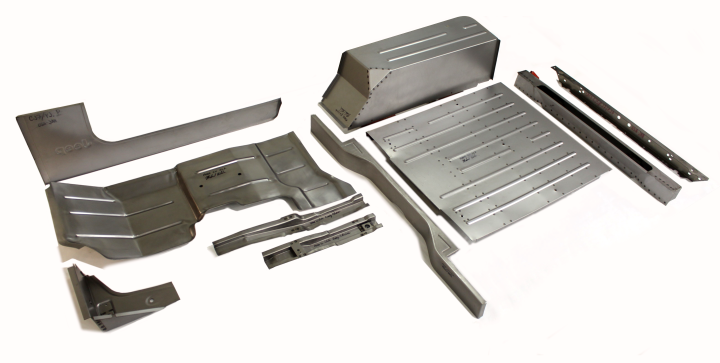
- Body Panels: Inspect for rust, dents, and previous repairs. Pay close attention to areas prone to corrosion, such as the floor pans and rocker panels.
- Interior Components: Check for cracks, tears, and fading. Test the operation of all electrical components, such as gauges, switches, and lights.
- Suspension Components: Inspect for worn bushings, bent control arms, and leaking shocks.
5. Installing Used CJ7 Parts: Tips and Considerations
- Safety First: Always disconnect the battery before working on electrical components. Wear appropriate safety gear, such as gloves and eye protection.
- Service Manual: Consult the Jeep CJ7 service manual for detailed instructions and torque specifications.
- Tools: Ensure you have the necessary tools for the job.
- Cleanliness: Clean the area where you'll be installing the part.
- Lubrication: Lubricate any moving parts or threads before installation.
- Professional Help: If you're not comfortable performing the installation yourself, seek professional assistance from a qualified mechanic.
Potential Challenges and Solutions
- Finding the Right Part: Patience and persistence are key. Expand your search beyond local sources and consider using multiple search terms.
- Part Condition: Thorough inspection is crucial. Don't hesitate to ask the seller for more photos or information.
- Compatibility: Verify that the part is compatible with your specific CJ7 model and year.
- Shipping Costs: Factor in shipping costs when comparing prices.
- Returns: Understand the seller's return policy before making a purchase.
Price Table for Used Jeep CJ7 Parts
| Part | Condition | Price Range (USD) | Notes |
|---|---|---|---|
| Engine (258 I6) | Used, Running | $500 - $1500 | Compression test recommended, check for leaks. |
| Transmission (T-176) | Used, Working | $300 - $800 | Check shifting, fluid condition. |
| Transfer Case (Dana 300) | Used, Working | $200 - $600 | Check for leaks, smooth operation. |
| Axle (Dana 30 Front) | Used | $250 - $700 | Inspect for bent shafts, worn bearings. |
| Axle (AMC 20 Rear) | Used | $200 - $500 | Inspect for bent shafts, worn bearings, known weak point. |
| Hood | Used | $100 - $300 | Inspect for rust, dents. |
| Fender | Used | $75 - $200 | Inspect for rust, dents. |
| Windshield Frame | Used | $150 - $400 | Inspect for rust, condition of glass. |
| Seats (Pair) | Used | $100 - $400 | Inspect for tears, condition of upholstery. |
| Carburetor | Used, Rebuildable | $50 - $150 | Rebuild may be required. |
Important Note: These prices are estimates and can vary depending on the specific part, condition, location, and seller. Always do your research and compare prices before making a purchase.
Frequently Asked Questions (FAQ)
Q: Is it safe to buy used engine parts?
A: Yes, but it's crucial to thoroughly inspect the part and, ideally, have it tested by a professional mechanic before installation. Compression testing is essential for engines.
Q: How can I tell if a used transmission is in good condition?
A: Check the fluid for contamination (e.g., metal shavings). Inquire about its history and try to test its shifting performance, if possible.
Q: What are the most common rust-prone areas on a CJ7 body?
A: Floor pans, rocker panels, and around the windshield frame are particularly susceptible to rust.
Q: Should I buy a used wiring harness?
A: Only if the harness is in excellent condition and hasn't been heavily modified. Wiring harnesses can be complex, and repairing damaged wiring can be time-consuming.
Q: What is the best way to clean used parts?
A: Use a degreaser or parts cleaner to remove dirt and grease. For rust removal, consider using a wire brush or a rust converter.
Conclusion: Keeping the CJ7 Legacy Alive
Sourcing used parts for your Jeep CJ7 can be a rewarding experience, allowing you to save money, preserve originality, and keep a piece of automotive history alive. By following the guidelines outlined in this article, you can navigate the used parts market with confidence and ensure that your CJ7 continues to conquer trails and turn heads for many years to come. Remember to prioritize safety, thorough inspection, and informed decision-making. With a little patience and effort, you can find the perfect used parts to restore and maintain your beloved CJ7, ensuring its legacy endures.
0 comments