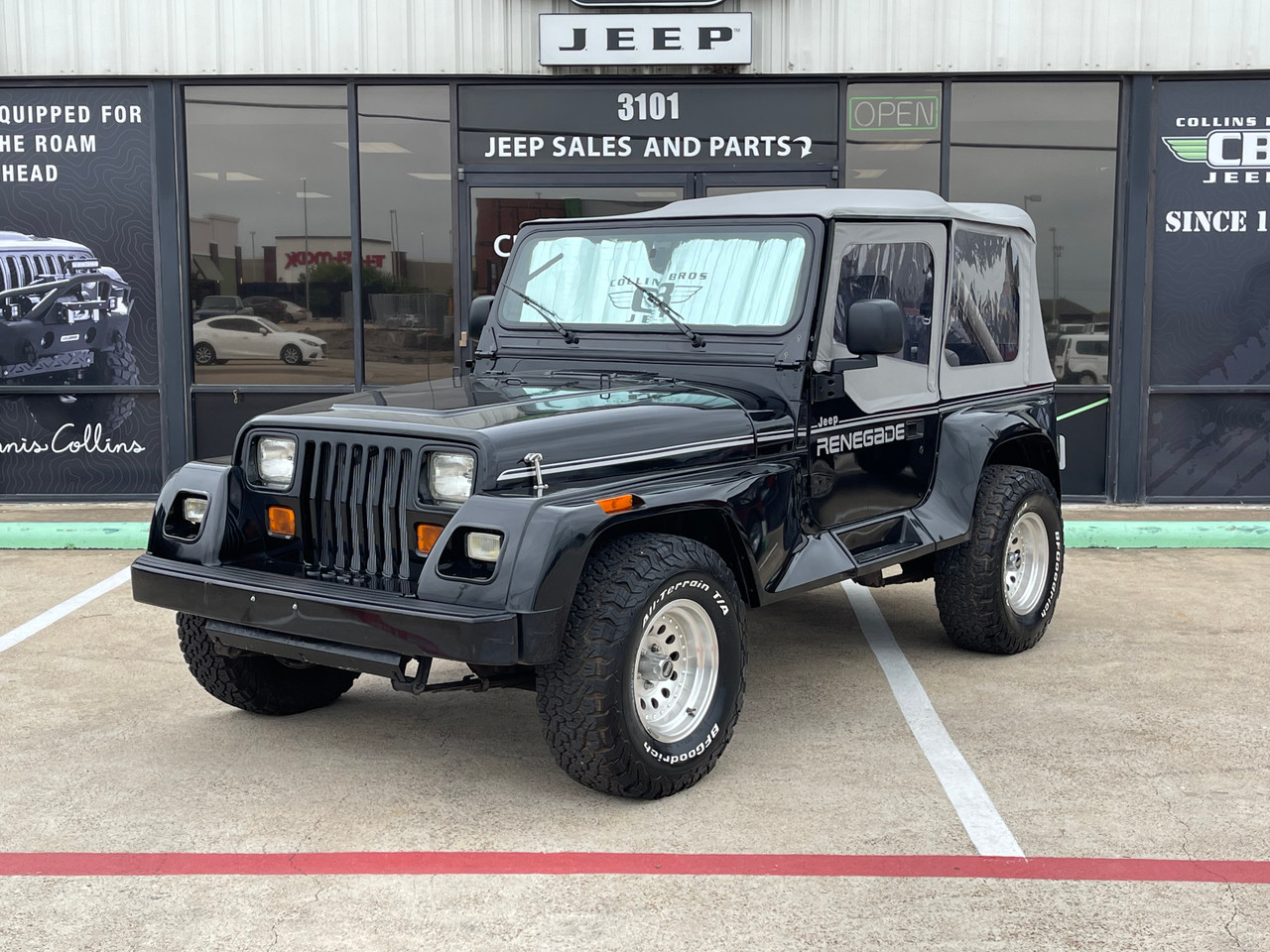
The 1991 Jeep YJ holds a special place in off-roading history. Its boxy design, square headlights (a feature both loved and criticized), and robust construction made it a favorite for adventurers seeking to conquer trails and explore the great outdoors. However, being over three decades old, finding and maintaining a 1991 YJ often involves sourcing and replacing parts. This guide is your comprehensive resource for navigating the world of 1991 Jeep YJ parts, ensuring your classic Jeep stays trail-ready for years to come.
Why 1991 Jeep YJ Parts Matter
Reviving a Legend: A Comprehensive Guide to 1991 Jeep YJ Parts
The 1991 Jeep YJ represents a sweet spot in the model's production run. It benefits from improvements made over earlier years while retaining the classic YJ charm. Maintaining your '91 YJ with the right parts isn't just about keeping it running; it's about preserving a piece of automotive history. Proper maintenance ensures reliability on the trail, enhances safety, and can even increase the vehicle's resale value. Whether you're dealing with routine maintenance, repairs, or performance upgrades, understanding the availability and specifications of 1991 Jeep YJ parts is crucial.
Section 1: Engine Components - Keeping the Heart Beating
The 1991 Jeep YJ offered a few engine options, the most common being the 2.5L inline-four and the 4.0L inline-six.
-
2.5L Inline-Four: Known for its reliability and fuel efficiency (relatively speaking for a Jeep!), this engine requires regular maintenance. Common replacement parts include:
- Spark plugs, wires, distributor cap, and rotor: Essential for ignition and smooth running. Look for quality brands like NGK, Bosch, or Mopar.
- Fuel injectors: Over time, injectors can become clogged, leading to poor performance. Consider replacement or professional cleaning.
- Water pump and thermostat: Crucial for cooling system health. Inspect regularly for leaks or corrosion.
- Belts and hoses: Check for cracks, wear, and proper tension. Replace as needed to prevent breakdowns.
- Oil pump: Ensure proper oil pressure for engine longevity.

-
4.0L Inline-Six: This engine provides significantly more power and torque, making it a popular choice for off-roading. Replacement parts are similar to the 2.5L but often more robust.
- Crankshaft Position Sensor (CPS): A common failure point that can cause stalling or no-start conditions.
- Throttle Position Sensor (TPS): Affects throttle response and fuel economy.
- Oxygen Sensors (O2 Sensors): Monitor exhaust gases and help the engine control unit (ECU) optimize fuel mixture.
- Engine Mounts: Due to the 4.0L's increased power, engine mounts can wear out faster.

Practical Advice: When replacing engine components, always use the correct part number for your engine type. Check online forums and parts databases for cross-referencing information. Consider using higher-quality aftermarket parts for increased durability and performance, especially for off-road applications.
Potential Challenges: Finding original, new-old-stock (NOS) parts can be difficult and expensive. Aftermarket options offer a balance of affordability and quality.
Section 2: Transmission and Drivetrain - Power to the Wheels
The transmission and drivetrain are responsible for transferring engine power to the wheels. Common parts needing replacement include:
-
Transmission Parts (Manual and Automatic):
- Clutch Kit (Manual): Includes the clutch disc, pressure plate, and throw-out bearing. Choose a kit that matches your driving style (e.g., heavy-duty for off-roading).
- Transmission Mount: Isolates vibrations and prevents excessive movement.
- Shift Linkage Bushings: Worn bushings can cause sloppy shifting.
- Automatic Transmission Filter and Fluid: Regular fluid changes are crucial for automatic transmission health.
-
Transfer Case Parts (NP231 or NP207):
- Chain: The transfer case chain can stretch over time, leading to slippage.
- Seals: Prevent fluid leaks.
- Shift Linkage: Ensures proper engagement of 2WD, 4HI, and 4LO.
-
Axle Components:
- U-Joints: Connect the driveshaft to the axles. Inspect regularly for play and grease as needed.
- Axle Shafts: Prone to breakage, especially during off-roading. Consider upgrading to stronger aftermarket shafts.
- Wheel Bearings: Ensure smooth wheel rotation.
- Differential Parts (Gears, Bearings, Limited Slip): For repairs or performance upgrades.
How-To Guide: Replacing U-Joints
- Safety First: Wear safety glasses and gloves. Use jack stands to support the vehicle.
- Remove the Driveshaft: Disconnect the driveshaft from the axle and transmission/transfer case.
- Remove the Old U-Joint: Use a U-joint press or hammer and socket to remove the old U-joint.
- Install the New U-Joint: Carefully press or hammer the new U-joint into place. Ensure the needle bearings are properly seated.
- Reinstall the Driveshaft: Reconnect the driveshaft to the axle and transmission/transfer case.
- Grease the U-Joint: Use a grease gun to lubricate the U-joint.
Important Considerations: Use the correct type of grease for U-joints. Always torque bolts to the manufacturer's specifications.
Section 3: Suspension and Steering - Handling the Terrain
The suspension and steering systems are critical for ride quality, handling, and off-road capability.
-
Suspension Components:
- Leaf Springs: Prone to sagging over time. Consider replacing with new springs or adding a leaf.
- Shocks: Control damping and improve ride quality. Choose shocks that match your driving style (e.g., off-road shocks for improved articulation).
- Bushings: Worn bushings can cause noise and poor handling.
- Shackles: Connect the leaf springs to the frame.
-
Steering Components:
- Steering Gearbox: Can develop leaks or excessive play.
- Tie Rod Ends: Connect the steering linkage to the wheels.
- Drag Link: Connects the steering gearbox to the tie rod.
- Steering Stabilizer: Dampens vibrations and improves steering control.
Benefits of Upgrading Suspension: Upgrading the suspension can improve ride height, articulation, and handling, both on and off-road. Popular upgrades include lift kits, longer shackles, and aftermarket shocks.
Tips: Inspect suspension and steering components regularly for wear and damage. Grease all fittings as needed. Consider replacing all bushings at the same time for a complete overhaul.
Section 4: Body and Exterior - Restoring the Classic Look
Maintaining the body and exterior is important for aesthetics and preventing rust.
-
Body Panels:
- Fenders: Prone to rust and damage.
- Rockers: A common area for rust.
- Floor Pans: Can rust through due to water leaks.
-
Exterior Trim:
- Grille: The iconic square headlight grille is a defining feature of the YJ.
- Bumpers: Protect the vehicle from damage.
- Mirrors: Essential for visibility.
- Soft Top/Hard Top: Protects occupants from the elements.
-
Lighting:
- Headlights, Taillights, Turn Signals: Ensure proper visibility. Consider upgrading to LED lighting for increased brightness and efficiency.
Potential Challenges: Finding rust-free body panels can be difficult. Rust repair requires specialized tools and skills.
Actionable Insights: Invest in rust prevention measures, such as undercoating and নিয়মিত washing. Consider using aftermarket body panels made from fiberglass or aluminum for increased durability and resistance to rust.
Section 5: Interior Components - Comfort and Functionality
The interior of a 1991 YJ can show its age. Restoring or replacing interior components can improve comfort and functionality.
- Seats: Replace worn or damaged seats with new or reupholstered seats.
- Carpets: Replace stained or torn carpets.
- Dashboard: Can crack or fade over time.
- Gauges: Ensure accurate readings.
- Switches and Controls: Replace faulty switches and controls.
Types/Categories: You can find replacement interior parts from various sources, including aftermarket suppliers, salvage yards, and online retailers. Consider upgrading to modern amenities, such as a Bluetooth radio or upgraded speakers.
Concluding Summary
Maintaining a 1991 Jeep YJ requires dedication and a good understanding of its components. By utilizing this guide and sourcing the right parts, you can keep your classic Jeep running strong and looking great for years to come. Remember to prioritize safety, use quality parts, and seek professional help when needed. Enjoy the journey of reviving a legend!
Price Table for 1991 Jeep YJ Parts
| Part | Description | Estimated Price Range | Notes |
|---|---|---|---|
| Engine Parts | |||
| Spark Plugs (Set of 6) | Standard Replacement | $20 - $50 | Brand and material affect price. |
| Water Pump (4.0L) | Replacement Unit | $50 - $150 | Price varies with brand and quality. |
| Fuel Injector (Single) | Replacement for 4.0L | $30 - $80 | Price per injector; typically sold individually. |
| Transmission/Drivetrain | |||
| Clutch Kit (Manual) | Complete Kit with Disc, Plate, Bearing | $150 - $400 | Heavy-duty kits are more expensive. |
| U-Joint | Standard Replacement | $15 - $40 | Varies by brand and material (e.g., greasable vs. non-greasable). |
| Transfer Case Chain (NP231) | Replacement Chain | $80 - $200 | Quality and brand affect durability. |
| Suspension/Steering | |||
| Leaf Spring (Single) | Standard Replacement | $100 - $300 | Price varies by brand and load capacity. |
| Shock Absorber (Single) | Standard Replacement | $30 - $100 | Performance shocks are more expensive. |
| Tie Rod End (Single) | Standard Replacement | $20 - $60 | Important for steering precision. |
| Body/Exterior | |||
| Fender (Front) | Aftermarket Replacement | $150 - $400 | Depends on material and finish. |
| Soft Top | Complete Replacement | $300 - $800 | Price varies with brand, material, and features. |
| Headlight Assembly | Standard Replacement | $30 - $80 | LED upgrades are more expensive. |
| Interior | |||
| Seat Cover (Single) | Aftermarket Replacement | $50 - $200 | Depends on material and design. |
| Carpet Kit | Complete Replacement Kit | $100 - $300 | Price varies with material and coverage. |
| Dashboard Cover | Aftermarket Replacement | $30 - $100 | Helps protect and improve the appearance of the dashboard. |
Disclaimer: Prices are estimates and may vary depending on the vendor, location, and condition of the part. It's always recommended to shop around and compare prices before making a purchase.
Frequently Asked Questions (FAQ)
-
Q: Where can I find 1991 Jeep YJ parts?
- A: You can find parts from various sources, including online retailers (e.g., Quadratec, Morris 4x4 Center, Amazon), local auto parts stores, salvage yards, and Jeep dealerships.
-
Q: What's the difference between OEM and aftermarket parts?
- A: OEM (Original Equipment Manufacturer) parts are made by the same manufacturer that supplied the parts for the original vehicle. Aftermarket parts are made by other companies. Aftermarket parts can be more affordable and offer improved performance, but quality can vary.
-
Q: How do I identify the correct parts for my 1991 Jeep YJ?
- A: Use your vehicle's VIN (Vehicle Identification Number) to identify the correct parts. Consult your owner's manual or a parts catalog. Online parts databases can also help.
-
Q: Should I upgrade my 1991 Jeep YJ with aftermarket parts?
- A: Upgrading with aftermarket parts can improve performance, durability, and appearance. However, consider your budget, driving style, and intended use before making any modifications.
-
Q: How can I prevent rust on my 1991 Jeep YJ?
- A: Regularly wash your Jeep, especially after off-roading. Apply rust-resistant coatings to the undercarriage. Repair any rust spots as soon as possible.
-
Q: What are some common problems with the 1991 Jeep YJ?
- A: Common problems include rust, electrical issues, engine leaks, and worn suspension components. Regular maintenance and timely repairs can help prevent these problems.
-
Q: Is it worth restoring a 1991 Jeep YJ?
- A: Whether it's worth restoring depends on your personal goals, budget, and the condition of the vehicle. A well-maintained or restored 1991 Jeep YJ can be a rewarding project and a valuable asset.
This guide aims to provide a solid foundation for your 1991 Jeep YJ parts journey. Remember to research thoroughly, consult with experts, and enjoy the process of keeping your classic Jeep alive and kicking!
0 comments