The 1994 Jeep YJ. The last year of the square headlight Wrangler, a rugged and iconic vehicle that evokes a sense of adventure and off-road prowess. For many, owning a '94 YJ is more than just owning a car; it's owning a piece of history, a testament to simple, durable design. But time takes its toll, and even the toughest Jeep requires maintenance and upgrades. This guide is your comprehensive resource for navigating the world of 1994 Jeep YJ parts, ensuring your square-headlight legend stays on the road (and off it) for years to come.
Why Understanding 1994 Jeep YJ Parts is Crucial
Reviving a Legend: A Comprehensive Guide to 1994 Jeep YJ Parts
The '94 YJ represents a sweet spot in the YJ lifespan. It benefits from some of the refinements introduced later in the production run while retaining the classic YJ character. However, finding the right parts is critical. Using incorrect or low-quality components can compromise performance, safety, and even damage other systems. Knowing your '94 YJ and its specific needs is the first step to a successful restoration or upgrade. This guide will help you identify those needs and navigate the often-complex world of Jeep parts.
1. Engine Components: Keeping the Heart Beating
The '94 YJ typically came with one of two engine options:
- 2.5L Inline-4 (AMC 150): A reliable, though less powerful, engine known for its fuel efficiency and simplicity.
- 4.0L Inline-6 (AMC 242): The more desirable option, offering significantly more torque and power for off-roading and daily driving.
Key Engine Parts and Considerations:
- Engine Rebuild Kits: If your engine is tired or experiencing major issues (excessive oil consumption, low compression), a rebuild is often the best solution. Kits typically include pistons, rings, bearings, gaskets, and seals. Choosing a reputable brand and ensuring the kit is specifically for the 2.5L or 4.0L is crucial.
- Sensors (O2 Sensor, Crankshaft Position Sensor, MAP Sensor): These sensors are vital for engine management. Faulty sensors can lead to poor fuel economy, rough idling, and difficulty starting. Replace them with OEM (Original Equipment Manufacturer) or high-quality aftermarket replacements.
- Cooling System (Radiator, Water Pump, Thermostat): Overheating is a common problem in older vehicles. Inspect your radiator for leaks and corrosion, replace the water pump if it's noisy or leaking, and ensure the thermostat is functioning correctly.
- Ignition System (Distributor, Spark Plugs, Ignition Coil): A weak ignition system can cause misfires and reduced performance. Replace spark plugs regularly and consider upgrading to a performance ignition coil for improved spark.
- Exhaust System (Manifold, Catalytic Converter, Muffler): Check for leaks and corrosion. A clogged catalytic converter can significantly reduce performance. Consider an aftermarket exhaust system for improved flow and sound.
Practical Advice:
- Always use the correct torque specifications when installing engine components.
- Consider replacing all hoses and belts when performing major engine work.
- Use a high-quality engine oil designed for older engines.

2. Transmission and Drivetrain: Power to the Wheels
The '94 YJ offered both manual and automatic transmission options. The drivetrain includes the transmission, transfer case, driveshafts, and axles.
Key Transmission and Drivetrain Parts and Considerations:
- Manual Transmission Rebuild Kits: Rebuilding a manual transmission can be a challenging but rewarding project. Kits typically include bearings, seals, synchronizers, and other wear items.
- Automatic Transmission Filter and Fluid: Regular fluid and filter changes are crucial for maintaining the health of an automatic transmission. Use the correct type of fluid specified in the owner's manual.
- Transfer Case Rebuild Kits: The transfer case allows you to switch between 2WD and 4WD. Rebuild kits are available for common transfer case models (e.g., NP231).
- Driveshafts (U-Joints, Slip Yoke): Inspect driveshafts for wear and play. Replace U-joints if they are loose or noisy.
- Axles (Axle Shafts, Bearings, Seals): Axle shafts can break under stress, especially during off-roading. Inspect bearings and seals for leaks and wear.
- Differentials (Gears, Limited Slip Differentials): Upgrading to a limited-slip differential can significantly improve off-road traction.
Practical Advice:
- Use a transmission jack when removing or installing a transmission.
- Grease U-joints regularly to prevent wear.
- Consider upgrading to stronger axle shafts if you plan on serious off-roading.
3. Suspension and Steering: Handling the Terrain
The suspension and steering systems are critical for both on-road comfort and off-road capability.
Key Suspension and Steering Parts and Considerations:
- Leaf Springs: The YJ uses leaf springs for both front and rear suspension. Over time, leaf springs can sag and lose their spring rate. Consider replacing them with new leaf springs or a leaf spring lift kit.
- Shocks: Worn shocks can significantly reduce ride quality and handling. Replace them with high-quality shocks designed for off-road use.
- Steering Gearbox: The steering gearbox can develop play over time, leading to sloppy steering. Rebuild or replace the steering gearbox for improved control.
- Steering Linkage (Tie Rods, Drag Link): Inspect tie rods and the drag link for wear and play. Replace them as needed to maintain safe steering.
- Ball Joints: Worn ball joints can cause steering problems and uneven tire wear. Replace them with high-quality ball joints.
Practical Advice:
- Use a spring compressor when working with leaf springs.
- Get a professional alignment after making any suspension modifications.
- Consider a steering box brace to reinforce the steering gearbox and prevent damage.
4. Brakes: Ensuring Safe Stops
A properly functioning brake system is essential for safety.
Key Brake Parts and Considerations:
- Brake Pads and Rotors: Replace brake pads and rotors when they are worn. Use high-quality brake pads designed for your driving style.
- Brake Calipers: Inspect brake calipers for leaks and corrosion. Rebuild or replace them as needed.
- Brake Lines: Inspect brake lines for cracks and leaks. Replace them with new brake lines, preferably stainless steel.
- Master Cylinder: The master cylinder provides hydraulic pressure to the brake system. If it is leaking or malfunctioning, replace it.
- Brake Booster: The brake booster assists with braking. If it is not functioning properly, the brakes will be difficult to apply.
Practical Advice:
- Bleed the brakes after replacing any brake components.
- Use the correct brake fluid specified in the owner's manual.
- Inspect the brake system regularly for leaks and wear.
5. Body and Interior: Restoring the Classic Look
The body and interior of a '94 YJ can show their age. Restoring these areas can significantly improve the vehicle's appearance and value.
Key Body and Interior Parts and Considerations:
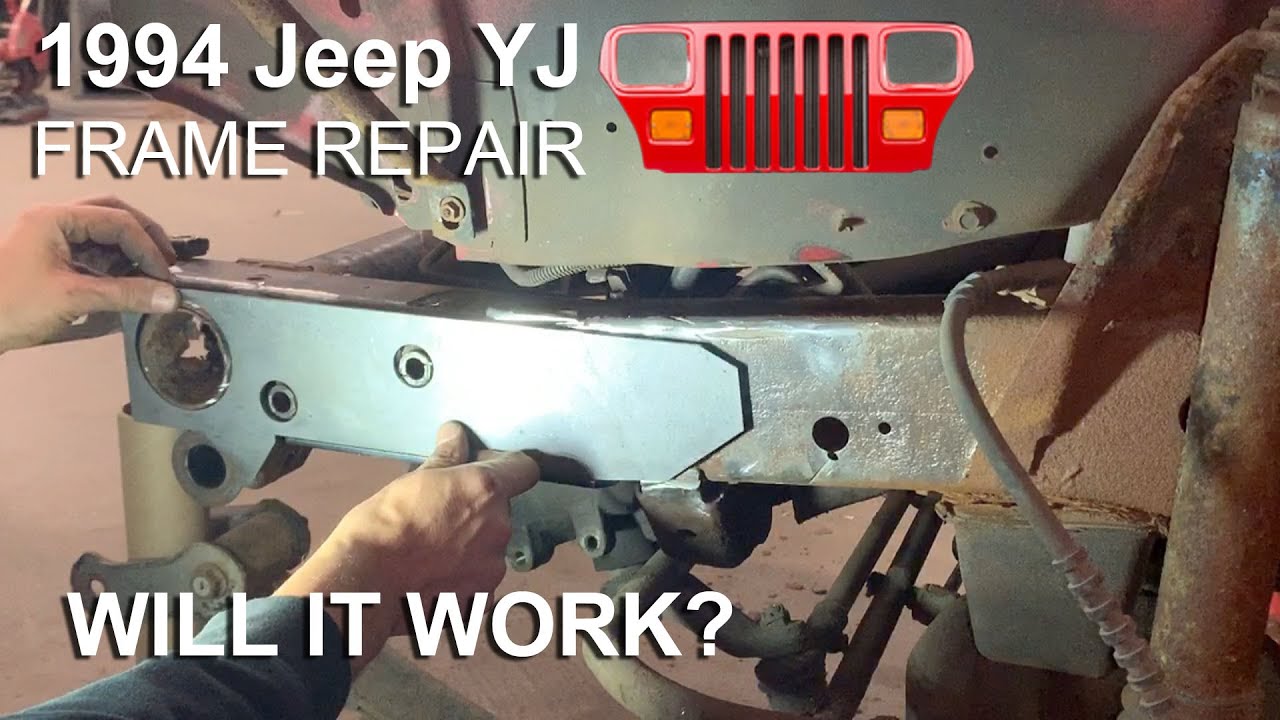
- Rust Repair Panels: Rust is a common problem in older vehicles. Repair rust with weld-in repair panels.
- Body Panels (Fenders, Hood, Doors): Replace damaged body panels with new or used parts.
- Seats: Replace worn or damaged seats with new or used seats. Consider upgrading to aftermarket seats for improved comfort.
- Carpet: Replace worn or stained carpet with new carpet.
- Dashboard: Repair or replace a cracked or damaged dashboard.
- Soft Top/Hard Top: Replace a worn or damaged soft top or hard top.
- Lighting (Headlights, Taillights, Turn Signals): Upgrade to LED lighting for improved visibility.
Practical Advice:
- Use a rust converter to treat rust before painting.
- Consider using a bedliner to protect the interior floor from rust and damage.
- Replace all weather stripping to prevent leaks.
6. Electrical System: Keeping the Lights On
The electrical system can be a source of problems in older vehicles.
Key Electrical Parts and Considerations:
- Battery: Replace the battery every few years.
- Alternator: The alternator charges the battery. Replace it if it is not charging properly.
- Starter: The starter cranks the engine. Replace it if it is not working properly.
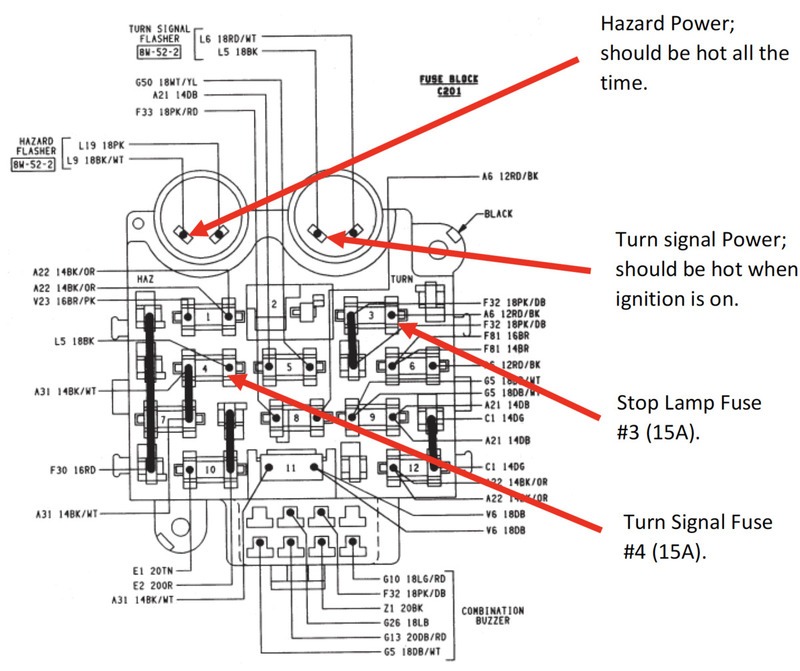
- Wiring Harness: Inspect the wiring harness for damage and corrosion. Repair or replace it as needed.
- Fuses and Relays: Replace blown fuses and faulty relays.
Practical Advice:
- Use a multimeter to diagnose electrical problems.
- Clean battery terminals regularly.
- Consider upgrading to a heavier gauge wiring harness if you are adding aftermarket accessories.
7. Common Problems and Solutions Specific to the '94 YJ
- Cracked Exhaust Manifold (4.0L): A common issue. Replace with a quality aftermarket manifold or a reinforced OEM replacement.
- Vacuum Leaks: The YJ's vacuum system can be complex. Use a vacuum gauge to identify leaks.
- Fuel Injector Issues: Clean or replace fuel injectors for improved fuel economy and performance.
- Windshield Frame Rust: The windshield frame is prone to rust. Repair or replace it as needed.
- Death Wobble: A dangerous condition that can occur at highway speeds. Address by inspecting and replacing worn steering and suspension components.
8. Where to Find 1994 Jeep YJ Parts
- Online Retailers: Quadratec, Morris 4x4 Center, Amazon, eBay
- Local Auto Parts Stores: NAPA, AutoZone, Advance Auto Parts
- Jeep Forums and Classifieds: Often a good source for used parts.
- Junkyards: A cost-effective option for finding used parts, but be sure to inspect them carefully.
9. Table Price: Common 1994 Jeep YJ Parts and Estimated Costs
| Part | Estimated Cost | Notes |
|---|---|---|
| Brake Pads (Front) | $30 - $60 | Price varies by brand and material |
| Brake Rotors (Front) | $50 - $100 each | Price varies by brand and quality |
| Water Pump (2.5L/4.0L) | $40 - $80 | |
| Radiator (2.5L/4.0L) | $100 - $250 | Price varies by material and core design |
| Spark Plugs (Set of 4/6) | $15 - $40 | Price varies by brand and material (copper, platinum, iridium) |
| O2 Sensor | $30 - $70 | |
| Leaf Springs (Each) | $100 - $300 | Price varies by lift height and brand |
| Shocks (Each) | $40 - $150 | Price varies by brand and type (gas-charged, hydraulic) |
| Ball Joints (Upper/Lower) | $20 - $50 each | |
| Steering Gearbox (Remanufactured) | $200 - $400 | |
| Soft Top | $300 - $800 | Price varies by brand, material, and features (tinted windows, etc.) |
| Seat Covers (Pair) | $50 - $200 | Price varies by material and style |
| Headlights (Pair) | $30 - $100 | Price varies by type (halogen, LED) |
| Exhaust Manifold (4.0L) | $150 - $400 | Price varies by material (cast iron, stainless steel) |
| Fuel Injectors (Set of 4/6) | $100 - $300 | Price varies by brand and flow rate |
| Engine Rebuild Kit (2.5L/4.0L) | $500 - $1500 | Price depends on the scope of the kit and the quality of the components |
| Transmission Rebuild Kit | $300 - $800 | Price depends on the transmission model and the completeness of the kit. |
Note: Prices are estimates and may vary depending on the vendor, location, and availability. Labor costs are not included.
Frequently Asked Questions (FAQ)
-
Q: What is the best engine oil for a 1994 Jeep YJ?
- A: A high-quality 10W-30 or 10W-40 engine oil designed for older engines is recommended. Consider using an oil with added zinc (ZDDP) for improved protection of older engines.
-
Q: How often should I change the oil in my 1994 Jeep YJ?
- A: Every 3,000 miles or 3 months, whichever comes first, is a good rule of thumb.
-
Q: What type of transmission fluid should I use in my automatic transmission?
- A: Consult your owner's manual for the correct type of fluid. Typically, Dexron II or Dexron III is specified.
-
Q: How can I improve the fuel economy of my 1994 Jeep YJ?
- A: Perform regular maintenance, such as oil changes, spark plug replacements, and air filter replacements. Ensure the tires are properly inflated and avoid aggressive driving.
-
Q: My 1994 Jeep YJ has a "death wobble." What should I do?
- A: Immediately stop driving and inspect the steering and suspension components for wear and play. Common causes include worn ball joints, tie rod ends, and track bar. Have a qualified mechanic diagnose and repair the problem.
Conclusion: Keeping the Legend Alive
The 1994 Jeep YJ is a classic vehicle that deserves to be preserved and enjoyed. By understanding the specific needs of your '94 YJ and using high-quality parts, you can keep it running strong for years to come. Whether you're restoring a neglected example or simply maintaining a daily driver, this guide provides the information you need to navigate the world of 1994 Jeep YJ parts and keep the square-headlight legend alive. Remember to always prioritize safety, use the correct parts, and consult with a qualified mechanic when necessary. Happy Jeeping!

0 comments