The 1949 Willys Jeep CJ-3A, a direct descendant of the iconic World War II workhorse, represents a pivotal point in automotive history. This rugged and reliable vehicle cemented the Jeep's reputation for off-road capability and practicality, becoming a favorite among farmers, adventurers, and anyone who needed a vehicle that could handle just about anything. Today, these Jeeps are cherished by collectors and enthusiasts alike. However, keeping a 1949 Willys Jeep CJ-3A on the road, or restoring one to its former glory, requires a deep understanding of its unique parts and systems. This comprehensive guide will delve into the world of 1949 Willys Jeep parts, providing you with the knowledge you need to maintain, repair, and appreciate this legendary machine.
Understanding the 1949 Willys Jeep CJ-3A
Reviving a Legend: A Comprehensive Guide to 1949 Willys Jeep Parts
Before diving into the parts themselves, it's crucial to understand the specific characteristics of the 1949 CJ-3A. Key features include:
- Engine: The CJ-3A was primarily powered by the "Go-Devil" L134 inline four-cylinder engine. This robust engine, known for its reliability and low-end torque, produced around 60 horsepower.
- Transmission: A three-speed manual transmission was standard, offering reliable and straightforward operation.
- Transfer Case: The two-speed transfer case allowed for switching between two-wheel drive (2WD) and four-wheel drive (4WD), crucial for navigating challenging terrain.
- Axles: Solid axles front and rear provided exceptional strength and durability for off-road use.
- Body: The CJ-3A retained the classic open-top design of its predecessors, with minimal creature comforts and a focus on functionality.

Knowing these fundamental aspects of the 1949 CJ-3A is essential for identifying the correct parts and ensuring compatibility.
Engine Parts: Keeping the "Go-Devil" Running
The L134 "Go-Devil" engine is the heart of the 1949 Willys Jeep. Maintaining it requires access to a variety of parts:
- Cylinder Head: Essential for combustion, the cylinder head can develop cracks or valve seat issues over time. Reconditioned or new cylinder heads are available, as are individual valves, springs, and guides.
- Engine Block: While durable, the engine block can suffer from cracks or corrosion. Finding a replacement block in good condition might require patience and diligent searching.
- Pistons and Rings: Worn pistons and rings can lead to reduced compression and increased oil consumption. Replacement sets are readily available, ensuring proper sealing and efficient engine operation.
- Connecting Rods: Connecting rods transfer power from the pistons to the crankshaft. Inspecting them for wear and damage is crucial during an engine rebuild.
- Crankshaft: The crankshaft converts the linear motion of the pistons into rotational motion. Checking for wear on the journals is essential. Grinding and polishing, or a replacement, may be necessary.
- Carburetor: The carburetor mixes air and fuel for combustion. Cleaning, rebuilding, or replacing the carburetor can significantly improve engine performance.
- Distributor: The distributor delivers spark to the spark plugs. Maintaining the distributor with new points, condenser, and rotor is crucial for reliable ignition.
- Water Pump: The water pump circulates coolant through the engine to prevent overheating. Inspecting and replacing the water pump is essential for cooling system maintenance.
- Fuel Pump: The fuel pump delivers fuel from the fuel tank to the carburetor. Replacing the fuel pump is a common repair item.
- Exhaust System: Replacing the exhaust manifold, muffler, and tailpipe ensures proper exhaust flow and reduces noise.
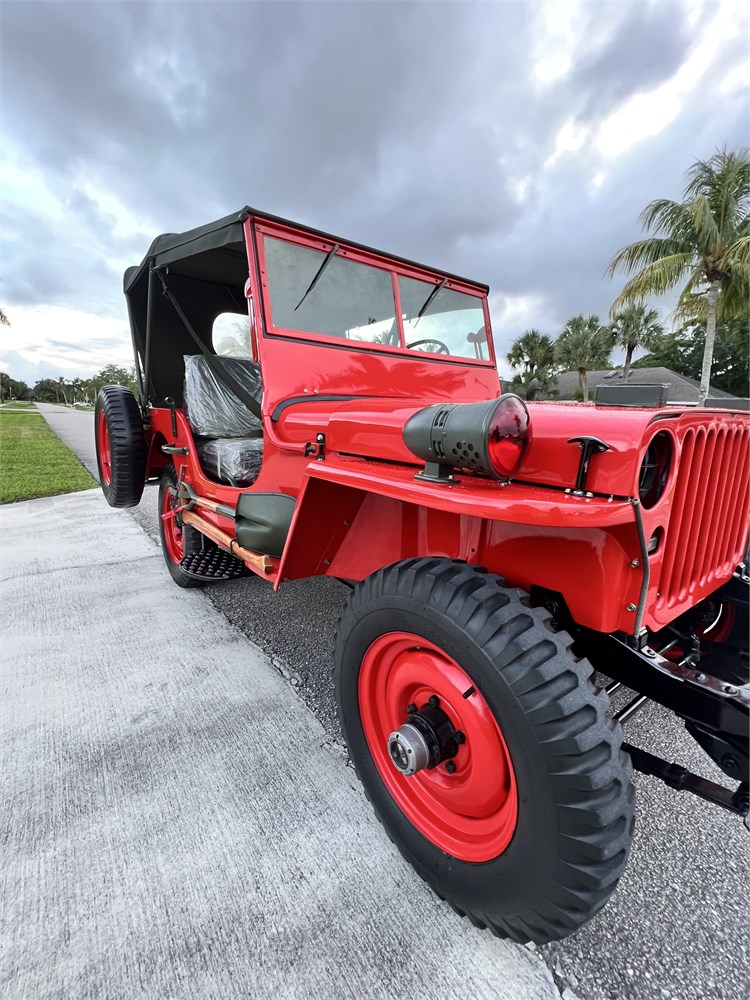
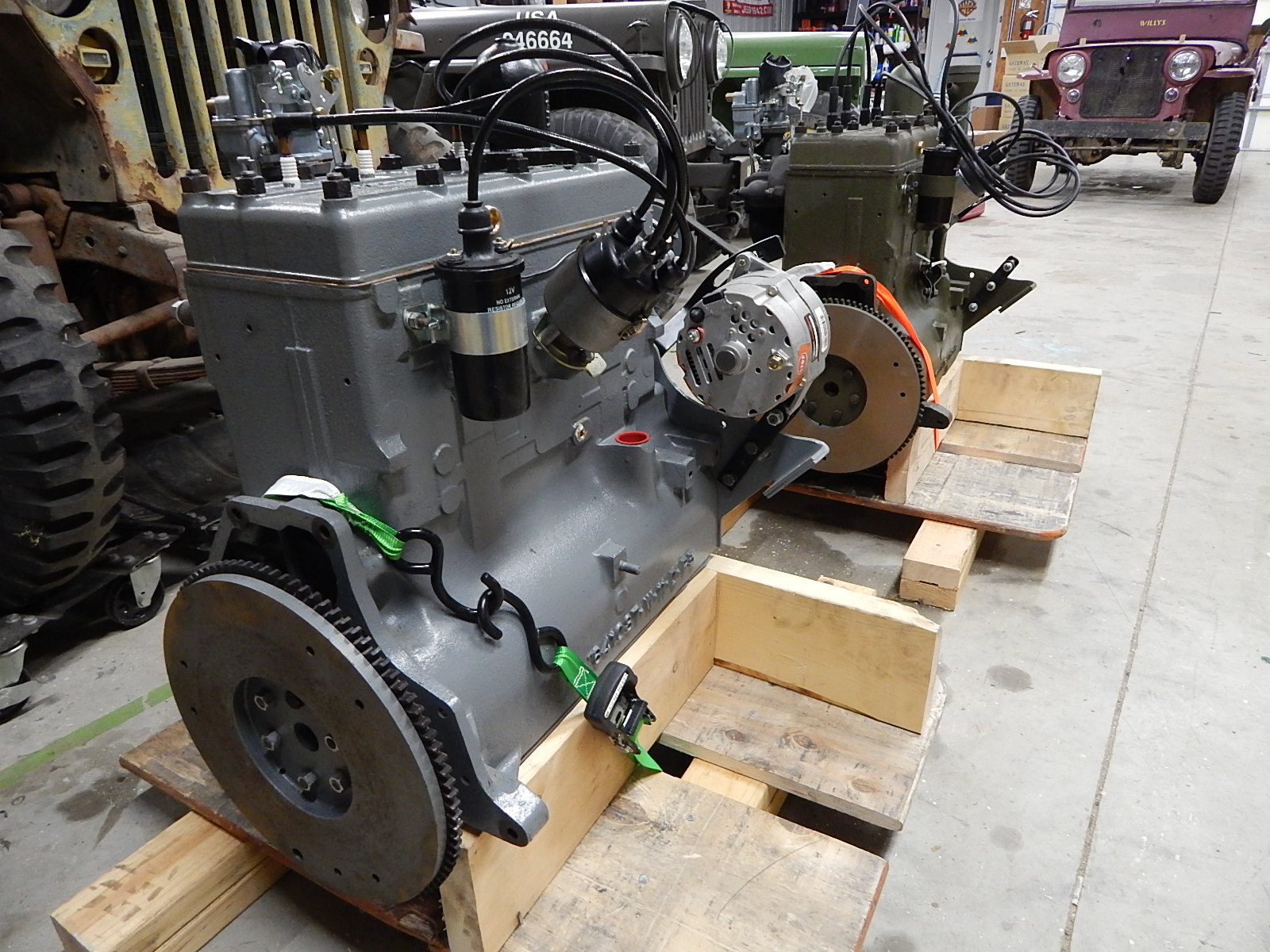
Practical Advice: When sourcing engine parts, consider the quality and origin. Opt for reputable suppliers and consider original Willys parts whenever possible. A comprehensive engine rebuild kit can be a cost-effective solution for overhauling the entire engine.
Transmission and Drivetrain Parts: Powering the Wheels
The transmission and drivetrain are crucial for transferring power from the engine to the wheels.
- Transmission Gears: Worn or damaged gears can cause slippage or grinding noises. Replacement gears are available for the three-speed manual transmission.
- Transmission Bearings: Worn bearings can cause noise and vibration. Replacing the bearings during a transmission rebuild is highly recommended.
- Clutch: The clutch engages and disengages the engine from the transmission. Replacing the clutch disc, pressure plate, and throwout bearing is a common maintenance item.
- Transfer Case Gears: The transfer case allows for switching between 2WD and 4WD. Inspecting the gears for wear is crucial for maintaining proper operation.
- Axle Shafts: The axle shafts transfer power from the differential to the wheels. Inspecting the axle shafts for cracks or damage is essential for safety.
- Differential: The differential allows the wheels to rotate at different speeds during turns. Maintaining the differential with fresh oil and inspecting the gears for wear is crucial.
- U-Joints: U-joints connect the driveshaft to the transmission, transfer case, and axles. Replacing worn U-joints prevents vibration and potential drivetrain failure.
Practical Advice: When working on the transmission or drivetrain, use the correct lubricants and torque specifications. A factory service manual is invaluable for ensuring proper assembly and adjustment.
Body and Chassis Parts: Restoring the Classic Look
The body and chassis define the iconic look and structural integrity of the 1949 Willys Jeep.
- Body Panels: Fenders, hood, and tub often suffer from rust and damage. Reproduction body panels are available, allowing for a complete restoration.
- Frame: The frame provides the structural foundation for the Jeep. Inspecting the frame for rust and cracks is essential for safety.
- Windshield: The folding windshield is a classic feature of the CJ-3A. Replacing the windshield glass or frame may be necessary.
- Seats: The seats can become worn and uncomfortable over time. Reproduction seats are available, offering improved comfort and durability.
- Lighting: Replacing the headlights, taillights, and turn signals ensures proper visibility and safety.
- Wheels and Tires: Selecting the correct wheels and tires is crucial for maintaining the original look and performance of the Jeep.
Practical Advice: When working on the body, use proper welding and metalworking techniques to ensure a durable and aesthetically pleasing restoration. Consider using rust inhibitors and sealants to protect against future corrosion.
Electrical System Parts: Ensuring Reliable Operation
The electrical system powers the Jeep's essential functions.
- Wiring Harness: The wiring harness can become brittle and corroded over time. Replacing the wiring harness ensures reliable electrical connections.
- Generator/Alternator: The generator (early models) or alternator charges the battery. Replacing the generator or alternator is a common repair item.
- Starter: The starter motor cranks the engine. Replacing the starter motor ensures reliable starting.
- Battery: A reliable battery is essential for starting and operating the Jeep.
- Voltage Regulator: The voltage regulator controls the charging voltage to the battery. Replacing the voltage regulator is crucial for preventing overcharging.
Practical Advice: When working on the electrical system, disconnect the battery to prevent shorts and electrical shocks. Use a multimeter to diagnose electrical problems.
Price Table for 1949 Willys Jeep Parts
| Part Category | Part Description | Estimated Price Range | Notes |
|---|---|---|---|
| Engine | Cylinder Head (Reconditioned) | $300 - $600 | Price varies depending on the condition and supplier. |
| Piston Set (L134) | $150 - $300 | Includes pistons and rings. | |
| Carburetor (Rebuilt) | $200 - $400 | Consider a rebuild kit for cost-effectiveness. | |
| Water Pump | $50 - $100 | ||
| Transmission | Transmission Rebuild Kit | $200 - $400 | Includes bearings, seals, and gaskets. |
| Clutch Kit | $100 - $200 | Includes clutch disc, pressure plate, and throwout bearing. | |
| Transfer Case | Transfer Case Rebuild Kit | $150 - $300 | Includes bearings, seals, and gaskets. |
| Axles | Axle Shaft (Front/Rear) | $100 - $200 per shaft | Price per shaft. |
| U-Joint | $20 - $50 per joint | ||
| Body | Fender (Reproduction) | $200 - $400 per fender | Price per fender. |
| Floor Pan (Reproduction) | $150 - $300 | ||
| Windshield Frame (Reproduction) | $200 - $400 | ||
| Electrical | Wiring Harness (Complete) | $200 - $400 | |
| Generator/Alternator (Rebuilt) | $100 - $200 | ||
| Starter Motor (Rebuilt) | $80 - $150 |
Disclaimer: Prices are estimates and may vary depending on the supplier, condition, and location. Always verify prices with the specific vendor before making a purchase.
Frequently Asked Questions (FAQ)
Q: Where can I find 1949 Willys Jeep parts?
A: You can find parts from various sources, including online retailers specializing in vintage Jeep parts, salvage yards, and local auto parts stores. Online forums and clubs dedicated to Willys Jeeps are also valuable resources for finding parts and advice.
Q: Are reproduction parts as good as original parts?
A: The quality of reproduction parts can vary. Some reproduction parts are excellent and closely match the original specifications, while others may be of lower quality. Research the supplier and read reviews before purchasing reproduction parts.
Q: What is the best way to identify the correct parts for my 1949 Willys Jeep?
A: The best way to identify the correct parts is to consult a factory service manual or parts catalog. These manuals provide detailed information about the different parts used in the 1949 Willys Jeep. You can also compare the parts you need to replace with the original parts to ensure a proper fit.
Q: Should I rebuild or replace a worn-out part?
A: The decision to rebuild or replace a worn-out part depends on the part's condition and your budget. Rebuilding can be a cost-effective option for certain parts, such as carburetors and generators. However, for parts that are severely damaged or worn, replacement may be the better option.
Q: What tools do I need to work on a 1949 Willys Jeep?
A: You will need a basic set of hand tools, including wrenches, sockets, screwdrivers, and pliers. You may also need specialized tools, such as a torque wrench, a multimeter, and a compression tester. A factory service manual will provide a list of the specific tools required for different tasks.
Conclusion: Preserving a Piece of History
Restoring and maintaining a 1949 Willys Jeep is a rewarding experience. It's a journey that connects you to a rich history of innovation, resilience, and the spirit of adventure. By understanding the specific parts and systems of this iconic vehicle, you can ensure that it continues to turn heads and conquer trails for many years to come. While finding the right parts might require some dedication and research, the result is a timeless classic that embodies the true spirit of the Jeep. Embrace the challenge, learn from fellow enthusiasts, and enjoy the satisfaction of keeping this piece of automotive history alive.
0 comments