The 2000 Jeep Wrangler TJ holds a special place in the hearts of off-road enthusiasts. Its rugged simplicity, iconic design, and unparalleled capability make it a sought-after vehicle for both weekend adventures and daily commutes. However, like any vehicle of its age, the 2000 TJ requires regular maintenance and occasional part replacements to keep it running strong. This comprehensive guide dives deep into the world of 2000 Jeep Wrangler TJ parts, providing you with the information you need to keep your TJ on the road, or more accurately, off the road, for years to come.
Why Understanding 2000 Jeep Wrangler TJ Parts is Crucial
Reviving the Legend: A Comprehensive Guide to 2000 Jeep Wrangler TJ Parts
Knowing your way around the 2000 TJ's parts is essential for several reasons:
- Maintenance and Repair: Identifying and replacing worn or damaged parts promptly prevents more significant issues and ensures optimal performance.
- Performance Enhancement: Upgrading specific components can significantly improve your TJ's off-road capabilities, handling, and overall driving experience.
- Cost Savings: Performing DIY repairs and maintenance tasks can save you money on labor costs at a mechanic.
- Preservation: Maintaining the originality and character of your 2000 TJ contributes to its long-term value and appeal.
- Safety: Ensuring all safety-critical components are in good working order is paramount for your well-being and the safety of others.
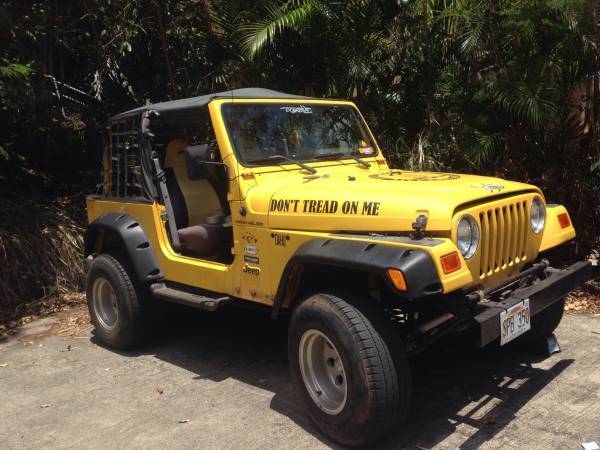
Engine Components: Keeping the Heart Pumping
The 2000 TJ came with two engine options: the 2.5L inline-four and the more popular 4.0L inline-six. Both are robust engines, but each has its unique maintenance needs.
- 4.0L Inline-Six: This engine is known for its reliability and ample torque. Common replacement parts include:
- Spark Plugs: Crucial for ignition. Use quality plugs like Champion or NGK.
- Ignition Coil: Provides the necessary voltage for the spark plugs.
- Fuel Injectors: Deliver fuel to the engine. Clean or replace as needed.
- Water Pump: Circulates coolant to prevent overheating. Inspect for leaks.
- Thermostat: Regulates engine temperature. Replace if it's sticking open or closed.
- Serpentine Belt: Drives the alternator, power steering pump, and air conditioning compressor.
- Oxygen Sensors (O2 Sensors): Monitor exhaust gases and help regulate fuel mixture.
- Crankshaft Position Sensor (CPS): Detects crankshaft position for timing.
- Camshaft Position Sensor (CMP): Detects camshaft position for timing.


- 2.5L Inline-Four: A smaller, more fuel-efficient option. It shares many of the same replacement parts as the 4.0L, but some are specific to this engine.
- Engine Management System (EMS): This includes the ECU (Engine Control Unit), sensors, and wiring harness. Diagnostic tools are essential for troubleshooting EMS issues.
- Oil Changes: Regular oil changes are vital for both engines. Use the recommended oil weight and filter.
Transmission and Drivetrain: Putting Power to the Ground
The 2000 TJ offered both manual and automatic transmission options. Proper maintenance of the transmission and drivetrain is crucial for reliable performance.
- Manual Transmission:
- Clutch Kit: Includes the clutch disc, pressure plate, and throw-out bearing. Replace when the clutch starts to slip.
- Master Cylinder and Slave Cylinder: Hydraulic components that actuate the clutch.
- Transmission Fluid: Change the fluid regularly to maintain proper lubrication.
- Automatic Transmission:
- Transmission Filter and Fluid: Regular fluid and filter changes are essential for automatic transmission longevity.
- Transmission Cooler: Helps to keep the transmission fluid cool, especially during off-road use.
- Transfer Case:
- Transfer Case Fluid: Change the fluid regularly.
- Shift Linkage: Ensure the shift linkage is properly adjusted for smooth shifting between 2WD, 4H, and 4L.
- Driveshafts:
- U-Joints: Lubricate or replace U-joints as needed to prevent vibration.
- Slip Yoke: Grease the slip yoke regularly to prevent binding.
- Axles:
- Axle Seals: Replace leaky axle seals to prevent gear oil loss.
- Wheel Bearings: Replace worn wheel bearings to prevent noise and vibration.
- Gears: Consider re-gearing if you plan to run larger tires.
Suspension and Steering: Controlling the Ride
The TJ's suspension and steering systems are critical for both on-road handling and off-road capability.
- Shocks: Replace worn shocks for improved ride quality and control. Options include gas shocks, hydraulic shocks, and adjustable shocks.
- Springs: Upgrade the springs for increased lift or improved load-carrying capacity.
- Control Arms: Ensure control arms are in good condition and that the bushings are not worn.
- Track Bar: The track bar centers the axle under the vehicle. Upgrading to an adjustable track bar is recommended for lifted TJs.
- Steering Stabilizer: Reduces bump steer and improves steering control.
- Tie Rods and Drag Link: Inspect for wear and replace as needed.
- Ball Joints: Replace worn ball joints for improved steering and handling.
- Power Steering Pump: Replace if it's noisy or not providing enough assist.
- Steering Gearbox: Rebuild or replace a worn steering gearbox for improved steering response.
Brakes: Stopping Power
The braking system is essential for safety.
- Brake Pads and Rotors: Replace worn brake pads and rotors for optimal stopping power. Consider upgrading to drilled and slotted rotors for improved heat dissipation.
- Brake Calipers: Rebuild or replace calipers if they are leaking or sticking.
- Brake Lines: Inspect brake lines for corrosion and replace as needed.
- Master Cylinder: Replace if it's leaking or not providing adequate pressure.
- Brake Booster: Provides power assist to the brakes.
Body and Interior: Preserving the Aesthetics
The body and interior of the 2000 TJ are susceptible to wear and tear, especially with exposure to the elements.
- Body Panels: Repair or replace damaged body panels due to rust or accidents.
- Soft Top or Hard Top: Replace a worn soft top or hard top for improved weather protection.
- Seats: Replace worn or damaged seats for improved comfort.
- Carpets: Replace stained or worn carpets.
- Dashboard: Repair cracks or damage to the dashboard.
- Lighting: Upgrade headlights, taillights, and interior lights for improved visibility.
Electrical System: Keeping the Lights On
The electrical system is the lifeline of the vehicle.
- Battery: Replace a weak battery for reliable starting.
- Alternator: Replace if it's not charging the battery properly.
- Starter: Replace if it's not cranking the engine reliably.
- Wiring Harness: Inspect for damaged or corroded wires.
- Fuses and Relays: Replace blown fuses or faulty relays.
Tips for Finding 2000 Jeep Wrangler TJ Parts
- Online Retailers: Websites like Quadratec, Morris 4x4 Center, and Amazon offer a wide selection of TJ parts.
- Local Auto Parts Stores: NAPA, AutoZone, and Advance Auto Parts are good sources for common replacement parts.
- Jeep Forums and Clubs: Online forums and local Jeep clubs can be great resources for finding used parts or getting recommendations.
- Salvage Yards: Salvage yards can be a good source for finding used parts at a lower price.
Challenges and Solutions
- Finding Discontinued Parts: Some parts for the 2000 TJ may be discontinued. Try searching online forums or contacting specialized Jeep parts dealers.
- Identifying the Correct Part: Double-check the part number and application before ordering to ensure it's the correct part for your TJ.
- Rust: Rust can be a major problem on older TJs. Address rust issues promptly to prevent further damage.
Price Table for 2000 Jeep Wrangler TJ Parts
| Part Description | Estimated Price Range | Notes |
|---|---|---|
| Spark Plugs (Set of 6) | $20 - $50 | Price varies by brand and type. |
| Ignition Coil | $30 - $80 | Price varies by brand. |
| Fuel Injector (Each) | $50 - $150 | Price varies by brand. |
| Water Pump | $50 - $150 | Price varies by brand. |
| Thermostat | $10 - $30 | Price varies by brand. |
| Serpentine Belt | $20 - $40 | Price varies by brand. |
| Oxygen Sensor (O2 Sensor) | $30 - $100 | Price varies by type and location. |
| Clutch Kit (Manual) | $150 - $400 | Includes disc, pressure plate, and throw-out bearing. |
| Transmission Filter & Fluid | $30 - $70 | For automatic transmission. |
| Shocks (Set of 4) | $100 - $500 | Price varies by type and brand. |
| Brake Pads (Front Set) | $30 - $80 | Price varies by brand and type. |
| Brake Rotors (Front Pair) | $80 - $200 | Price varies by brand and type. |
| Soft Top Replacement | $300 - $800 | Price varies by material and features. |
| Hard Top Replacement | $800 - $2000 | Price depends on condition and seller. |
| Battery | $100 - $250 | Price varies by CCA and brand. |
| Alternator | $100 - $300 | Price varies by amperage and brand. |
| Starter | $80 - $200 | Price varies by brand. |
| Ball Joints (Upper & Lower) | $50-$150 (per joint) | Price varies by brand. |
| Control Arms (Set of 4) | $200 - $600 | Price varies by brand and if adjustable. |
Important Notes:
- Prices are estimates and can vary depending on the retailer, brand, and location.
- Labor costs are not included in these estimates.
- Always check the specific part number and application for your 2000 Jeep Wrangler TJ before purchasing.
Frequently Asked Questions (FAQ)
- Q: Where can I find the part number for my TJ?
- A: The part number is often stamped on the part itself. You can also find it in the Jeep parts catalog or by contacting a Jeep dealer.
- Q: What are the most common problems with the 2000 TJ?
- A: Common problems include rust, worn suspension components, and electrical issues.
- Q: How can I improve the off-road capabilities of my 2000 TJ?
- A: Common upgrades include a lift kit, larger tires, upgraded shocks, and skid plates.
- Q: How often should I change the oil in my 2000 TJ?
- A: It's recommended to change the oil every 3,000 miles or every 3 months, whichever comes first.
- Q: What type of oil should I use in my 2000 TJ?
- A: Consult your owner's manual for the recommended oil weight.
Conclusion: Keeping the Spirit of Adventure Alive
The 2000 Jeep Wrangler TJ is a timeless classic that embodies the spirit of adventure. By understanding its various components and performing regular maintenance, you can ensure that your TJ continues to provide years of reliable service and unforgettable off-road experiences. Whether you're tackling challenging trails or simply cruising down the road, taking care of your 2000 TJ is an investment in its longevity and your own enjoyment. So, get out there, explore, and keep the legend alive!
0 comments