The Jeep TJ, produced from 1997 to 2006, holds a special place in the hearts of off-road enthusiasts. Its classic Jeep styling, coil-spring suspension, and removable doors and top make it a highly desirable platform for customization and restoration. However, time takes its toll, and many TJs are now showing their age. This is where Jeep TJ restoration parts come in – the key to breathing new life into these iconic vehicles and ensuring they continue to conquer trails for years to come. This comprehensive guide will explore everything you need to know about restoring your TJ, from identifying necessary parts to navigating the restoration process.
Why Restore a Jeep TJ?
Reviving the Legend: A Comprehensive Guide to Jeep TJ Restoration Parts
Before diving into the nuts and bolts (literally!), it's crucial to understand why restoring a Jeep TJ is a worthwhile endeavor. Here are a few compelling reasons:
- Preserving an Icon: The TJ represents a pivotal moment in Jeep history, blending classic design with modern comfort. Restoring one helps preserve this legacy.
- Personalization: Restoration provides an opportunity to customize your TJ to your exact specifications, creating a unique vehicle tailored to your needs and preferences.
- Investment: A well-restored TJ can appreciate in value, making it a solid investment in addition to a fun project.
- Improved Performance and Reliability: Replacing worn or damaged components with new parts significantly enhances the TJ's performance and reliability, making it safer and more enjoyable to drive.
- The Joy of the Project: For many, the restoration process itself is a rewarding experience, offering a chance to learn new skills and connect with the history of their vehicle.

Identifying Necessary Restoration Parts: Where to Start
The first step in any TJ restoration is a thorough assessment of the vehicle's condition. This involves a comprehensive inspection of all major systems, including:
- Body: Look for rust, dents, and other damage to the body panels, frame, and undercarriage. Pay close attention to areas prone to corrosion, such as the rocker panels, floor pans, and around the windshield frame.
- Engine: Evaluate the engine's performance, checking for leaks, unusual noises, and excessive oil consumption. Consider compression testing to assess the health of the cylinders.
- Transmission and Drivetrain: Inspect the transmission, transfer case, and axles for leaks, damage, and excessive wear. Check the condition of the driveshafts, u-joints, and differentials.
- Suspension and Steering: Examine the suspension components, including the springs, shocks, control arms, and bushings. Inspect the steering system for play, leaks, and worn components.
- Brakes: Check the condition of the brake pads, rotors, calipers, and lines. Inspect the master cylinder and brake booster for leaks and proper function.
- Interior: Assess the condition of the seats, carpets, dashboard, and other interior components. Look for rips, tears, fading, and other signs of wear.
- Electrical System: Test all electrical components, including the lights, gauges, and accessories. Check the wiring harness for damage and corrosion.
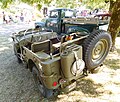

Once you've completed your inspection, create a detailed list of the parts that need to be replaced or repaired. Prioritize the items based on their importance to safety and functionality.
Key Categories of Jeep TJ Restoration Parts
Restoration parts can be broadly categorized as follows:
- Body Panels and Components: This includes fenders, hoods, doors, rocker panels, floor pans, quarter panels, and other body components. Replacement body panels are available in steel, aluminum, and fiberglass.
- Frame Components: This includes frame sections, crossmembers, and other structural components. Frame repair kits are available to address common areas of rust and damage.
- Engine Components: This includes pistons, rings, bearings, gaskets, seals, and other engine parts. Rebuilt engines and engine kits are also available.
- Transmission and Drivetrain Components: This includes gears, bearings, seals, and other transmission and drivetrain parts. Rebuilt transmissions and transfer cases are also available.
- Suspension and Steering Components: This includes springs, shocks, control arms, bushings, ball joints, tie rod ends, and other suspension and steering parts. Lift kits and performance suspension upgrades are also available.
- Brake Components: This includes brake pads, rotors, calipers, lines, master cylinders, and brake boosters. Upgraded brake systems are also available.
- Interior Components: This includes seats, carpets, dashboards, door panels, and other interior parts. Replacement interior kits and individual components are available.
- Electrical Components: This includes wiring harnesses, lights, gauges, switches, and other electrical parts. Upgraded electrical systems and accessories are also available.
- Hardware: This includes nuts, bolts, screws, washers, and other fasteners. It's often a good idea to replace all the hardware when restoring a TJ.
Where to Source Jeep TJ Restoration Parts
Finding the right parts for your TJ restoration is crucial. Here are several reliable sources:
- Online Retailers: Websites like Quadratec, Morris 4x4 Center, and Amazon offer a vast selection of TJ restoration parts.
- Local Auto Parts Stores: Many auto parts stores carry basic replacement parts for the TJ.
- Jeep Dealerships: Jeep dealerships can provide original equipment manufacturer (OEM) parts, but they may be more expensive than aftermarket options.
- Salvage Yards: Salvage yards can be a good source for used parts, but be sure to inspect them carefully for damage and wear.
- Jeep Forums and Clubs: Online Jeep forums and clubs are a great place to connect with other TJ owners and find parts for sale.
Important Considerations When Choosing Restoration Parts
- Quality: Choose high-quality parts from reputable manufacturers to ensure durability and performance.
- Fitment: Verify that the parts are specifically designed for your year and model of TJ.
- Price: Compare prices from different vendors to find the best deals.
- Warranty: Look for parts that come with a warranty to protect against defects.
- OEM vs. Aftermarket: Decide whether you want to use OEM parts or aftermarket parts. OEM parts are typically more expensive but offer the best fit and finish. Aftermarket parts can be more affordable and offer improved performance in some cases.
Tips for a Successful Jeep TJ Restoration
- Take Pictures: Document the entire restoration process with photos and videos. This will be helpful for reference and can also be used to track your progress.
- Organize Your Parts: Keep your parts organized and labeled to avoid confusion.
- Follow the Service Manual: Consult the Jeep TJ service manual for detailed instructions and torque specifications.
- Ask for Help: Don't be afraid to ask for help from experienced Jeep enthusiasts.
- Take Your Time: Restoration is a marathon, not a sprint. Don't rush the process and take the time to do things right.
- Enjoy the Journey: Restoration is a rewarding experience. Enjoy the process and celebrate your accomplishments along the way.
Potential Challenges and Solutions
- Rust Repair: Rust is a common problem with TJs. Welding in new metal panels may be necessary to repair rust damage. Consider hiring a professional if you're not comfortable with welding.
- Finding Rare Parts: Some TJ parts are becoming increasingly difficult to find. Be patient and persistent in your search. Consider using salvage yards or online forums to locate rare parts.
- Electrical Issues: Electrical problems can be challenging to diagnose and repair. Use a multimeter to test circuits and consult the wiring diagram in the service manual.
- Budget Overruns: Restoration projects often exceed their initial budget. Be prepared for unexpected expenses and factor in a contingency fund.
Jeep TJ Restoration Parts Price Guide
| Part Category | Part Description | Estimated Price Range | Notes |
|---|---|---|---|
| Body Panels | Fender (Each) | $100 - $300 | Steel or aftermarket options |
| Rocker Panel (Pair) | $80 - $200 | Steel; includes installation hardware | |
| Floor Pan (Each) | $75 - $150 | Steel | |
| Hood | $150 - $400 | Steel or aftermarket fiberglass | |
| Engine Components | Engine Rebuild Kit | $500 - $1500 | Includes pistons, rings, bearings, gaskets |
| Water Pump | $50 - $150 | New or remanufactured | |
| Radiator | $100 - $300 | Aluminum or copper/brass | |
| Transmission | Rebuilt Transmission | $800 - $2000 | Includes warranty |
| Clutch Kit | $150 - $400 | Includes clutch disc, pressure plate, throw-out bearing | |
| Suspension | Lift Kit (2-3 inch) | $300 - $1000 | Includes springs, shocks, and necessary hardware |
| Shock Absorbers (Set of 4) | $100 - $500 | Various brands and performance levels | |
| Control Arm (Each) | $50 - $150 | Upper or lower | |
| Brakes | Brake Pads (Front Set) | $30 - $80 | Ceramic or semi-metallic |
| Brake Rotors (Front Pair) | $80 - $200 | Standard or drilled/slotted | |
| Brake Caliper (Each) | $50 - $150 | Remanufactured or new | |
| Interior | Seat Upholstery Kit (Pair) | $200 - $500 | Vinyl or cloth |
| Carpet Kit | $100 - $300 | Molded to fit TJ floor | |
| Dashboard | $150 - $400 | Replacement or overlay | |
| Electrical | Headlights (Pair) | $50 - $200 | Halogen, LED, or aftermarket options |
| Wiring Harness (Engine) | $200 - $500 | Complete replacement | |
| Battery | $80 - $200 | Standard or AGM (Absorbent Glass Mat) |
Note: These prices are estimates and can vary depending on the brand, quality, and vendor. Labor costs are not included.
Frequently Asked Questions (FAQ)
-
Q: How much does it cost to restore a Jeep TJ?
- A: The cost of restoration varies widely depending on the scope of the project and the condition of the vehicle. A basic restoration can cost a few thousand dollars, while a complete restoration can cost tens of thousands.
-
Q: How long does it take to restore a Jeep TJ?
- A: The timeframe for restoration also varies depending on the scope of the project and your availability. A basic restoration can take a few weeks, while a complete restoration can take several months or even years.
-
Q: Can I restore a Jeep TJ myself?
- A: Yes, you can restore a Jeep TJ yourself, but it requires mechanical skills, patience, and a willingness to learn. If you're not comfortable with certain tasks, consider hiring a professional.
-
Q: Where can I find a Jeep TJ service manual?
- A: You can find a Jeep TJ service manual online or at your local auto parts store.
-
Q: What are some common problems with Jeep TJs?
- A: Common problems with Jeep TJs include rust, engine problems, transmission problems, suspension problems, and electrical problems.
Conclusion
Restoring a Jeep TJ is a rewarding experience that allows you to breathe new life into a classic vehicle. By following the advice in this guide, you can successfully navigate the restoration process and create a unique TJ that you can enjoy for years to come. Remember to take your time, do your research, and don't be afraid to ask for help. With the right parts, tools, and dedication, you can transform a tired old TJ into a show-stopping off-road machine.
0 comments