The 1987 Jeep YJ marked a pivotal year in Jeep history. It was the first Jeep to sport the now-iconic square headlights, a design choice that remains debated amongst enthusiasts to this day. But beyond the aesthetic quirks, the '87 YJ represents a rugged, reliable, and highly customizable platform. If you're lucky enough to own one of these classic off-roaders, or are considering acquiring one, understanding 1987 Jeep YJ parts is crucial for maintenance, restoration, and upgrades. This guide provides a comprehensive overview of the essential components, offering practical advice, tips, and solutions for keeping your '87 YJ running strong and looking great.
Why Focus on '87 YJ Parts Specifically?
Reviving the Legend: A Comprehensive Guide to 1987 Jeep YJ Parts
While the YJ generation spanned from 1987 to 1995, the 1987 model year has some unique features and potential challenges. Component variations exist across the YJ lineup, and identifying the correct parts for your specific year is vital. Early YJs, like the '87, can differ from later models in areas like engine options, electrical systems, and interior components. This guide is tailored specifically to the '87 model, ensuring you're equipped with the knowledge to source the right parts and perform necessary repairs or upgrades.
1. The Heart of the Machine: Engine Parts
The 1987 Jeep YJ offered two primary engine options:
- 2.5L AMC Inline-4: A reliable, albeit somewhat underpowered, engine. It's known for its simplicity and relatively easy maintenance. Common issues include carburetor problems (especially with the BBD carburetor), vacuum leaks, and wear on timing components.
- 4.2L AMC Inline-6: The more desirable engine, providing significantly more power and torque. However, it also came with the problematic Carter BBD carburetor, infamous for its complexity and tendency to malfunction. This engine is also prone to exhaust manifold cracking.
Key Engine Parts for the '87 YJ:
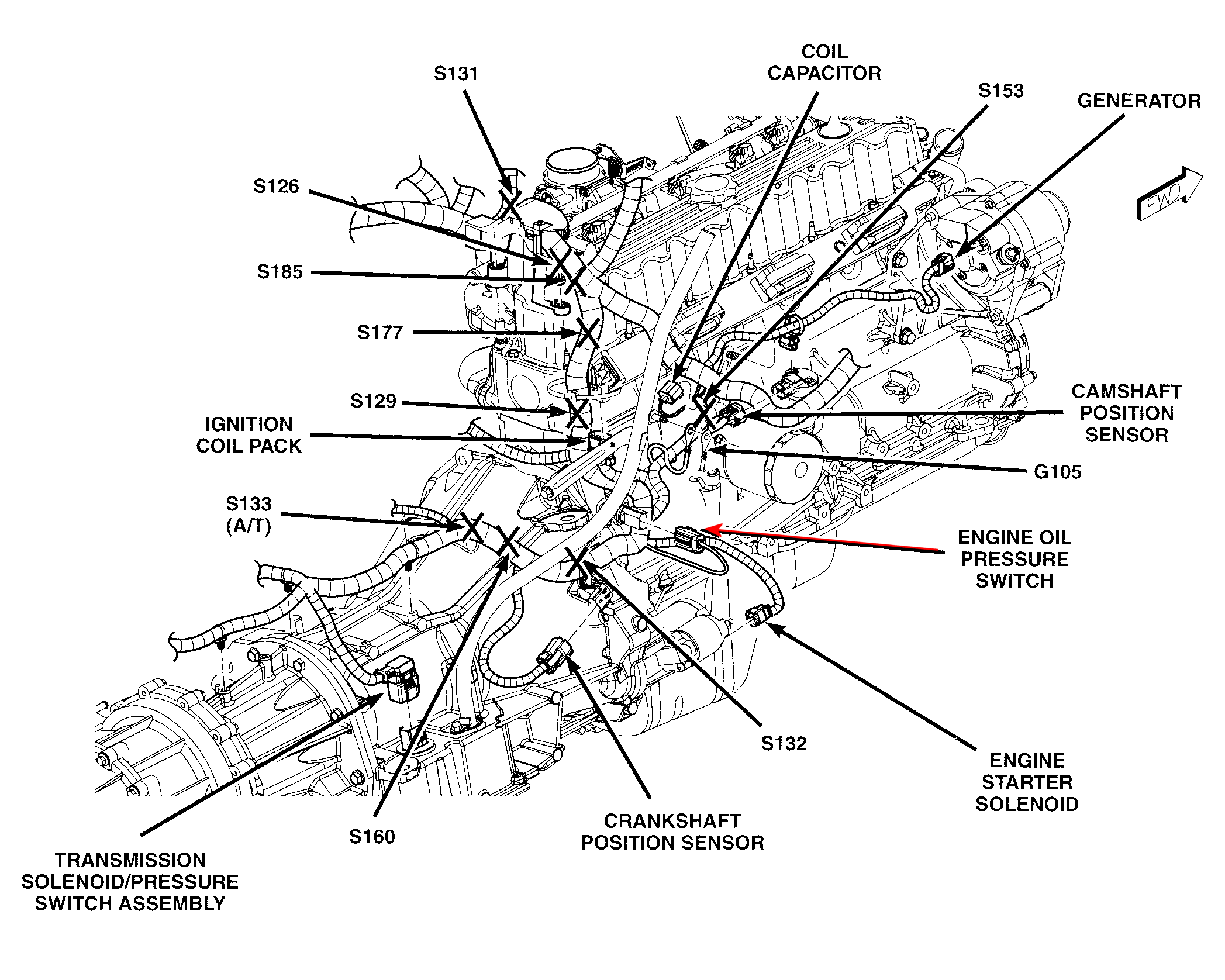
- Carburetor (BBD): Consider a rebuild kit, a performance upgrade carburetor (Weber or Motorcraft 2100 are popular choices), or a complete fuel injection conversion.
- Distributor: Check for wear on the distributor cap, rotor, and pickup coil. Upgrading to an HEI (High Energy Ignition) distributor can significantly improve performance and reliability.
- Water Pump: A common failure point. Replace it proactively if you suspect any leaks or overheating.
- Radiator: Ensure proper cooling, especially with the 4.2L engine. Consider upgrading to a larger capacity radiator.
- Exhaust Manifold (4.2L): Inspect for cracks. Aftermarket headers can offer improved performance and durability.
- Timing Chain/Belt (2.5L): Replace at recommended intervals to prevent engine damage.
- Starter Motor: A common failure point. Consider a high-torque starter for easier starts, especially in cold weather.
- Alternator: Upgrade to a higher amperage alternator if you plan on adding aftermarket accessories like lights or a winch.
- Engine Mounts: Replace worn or cracked engine mounts to reduce vibration and prevent damage.

2. Putting the Power Down: Transmission & Drivetrain Parts
The '87 YJ typically came with either a manual or automatic transmission. The manual was usually an Aisin AX-5 or AX-15, while the automatic was a Chrysler Torqueflite 999.
Key Transmission & Drivetrain Parts:
- Clutch Kit (Manual): Replace the clutch disc, pressure plate, and throw-out bearing together for optimal performance.
- Transmission Mount: Inspect for cracks and wear.
- Shifter Linkage (Manual): Ensure smooth and precise shifting.
- U-Joints: Check for play and grease regularly. Replace if worn.
- Driveshaft: Inspect for damage and balance.
- Transfer Case: The NP231 transfer case was standard. Check fluid levels and inspect for leaks.
- Axle Shafts: Inspect for bends and cracks. Upgrade to stronger aftermarket axles for serious off-roading.
- Differential: The Dana 30 front and Dana 35 rear axles were standard. Re-gearing may be necessary depending on tire size and driving style.
3. Rolling Strong: Suspension & Steering Parts
The YJ's leaf spring suspension provides a rugged and durable platform, but it can also be stiff and uncomfortable.
Key Suspension & Steering Parts:
- Leaf Springs: Replace worn or sagging leaf springs to restore ride height and handling. Lift kits are popular for increased ground clearance.
- Shocks: Upgrade to performance shocks for improved ride quality and off-road capability.
- Bushings: Replace worn bushings in the leaf springs, shackles, and sway bar to eliminate noise and improve handling.
- Sway Bar Links: Inspect for damage and replace as needed.
- Steering Gearbox: Check for play and leaks. Upgrading to a steering box brace can improve steering feel and prevent damage.
- Tie Rod Ends: Inspect for play and replace if worn.
- Ball Joints: Check for play and replace if worn.
- Wheel Bearings: Inspect for play and noise.
4. Stopping Power: Brake Parts
Properly functioning brakes are essential for safety.
Key Brake Parts:
- Brake Pads/Shoes: Replace when worn. Consider upgrading to performance pads for improved stopping power.
- Brake Rotors/Drums: Inspect for wear and warping.
- Brake Calipers/Wheel Cylinders: Check for leaks and proper function.
- Brake Lines: Inspect for cracks and leaks. Stainless steel brake lines can improve brake feel and durability.
- Master Cylinder: Check for leaks and proper function.
- Brake Booster: Ensure proper vacuum assist.
5. Seeing and Being Seen: Electrical & Lighting Parts
The YJ's electrical system can be prone to issues, especially with age.
Key Electrical & Lighting Parts:
- Wiring Harness: Inspect for damaged or corroded wires.
- Fuses: Replace blown fuses with the correct amperage rating.
- Relays: Check for proper function.
- Headlights: Upgrade to brighter headlights for improved visibility. LED headlights are a popular choice.
- Taillights: Ensure all lights are functioning properly.
- Turn Signals: Check for proper function.
- Battery: Use a battery with the correct cold cranking amps (CCA) rating.
- Starter Solenoid: A common failure point.
6. Interior & Body Parts
Restoring the interior and body can significantly improve the appearance and comfort of your '87 YJ.
Key Interior & Body Parts:
- Seats: Replace worn or damaged seats.
- Carpet: Replace worn or stained carpet.
- Dash Pad: Protect your dash from cracking with a dash pad cover.
- Door Panels: Replace damaged door panels.
- Windshield: Replace cracked or chipped windshield.
- Soft Top/Hard Top: Replace worn or damaged soft top or hard top.
- Fenders: Replace damaged fenders.
- Hood: Replace damaged hood.
- Grille: Replace damaged grille.
- Bumpers: Replace damaged bumpers.
Tips for Sourcing 1987 Jeep YJ Parts:
- Online Retailers: Websites like Quadratec, Morris 4x4 Center, and Amazon offer a wide selection of YJ parts.
- Local Auto Parts Stores: NAPA, AutoZone, and Advance Auto Parts can often source common replacement parts.
- Jeep Forums: Online forums are a great resource for finding used parts and getting advice from other YJ owners.
- Salvage Yards: Salvage yards can be a good source for used parts, but be sure to inspect them carefully before purchasing.
- Consider OEM vs. Aftermarket: OEM (Original Equipment Manufacturer) parts are generally more expensive but offer the best fit and quality. Aftermarket parts can be a more affordable option, but quality can vary.
Potential Challenges & Solutions:
- Finding Rare Parts: Some parts for the '87 YJ are becoming increasingly difficult to find. Be patient and persistent in your search.
- Incorrect Parts: Double-check part numbers and descriptions before ordering to ensure you're getting the correct part for your specific year and model.
- Rust: Rust is a common problem on older vehicles. Address rust issues promptly to prevent further damage.
- Electrical Problems: Electrical problems can be difficult to diagnose. Use a multimeter and wiring diagrams to troubleshoot issues.
1987 Jeep YJ Parts Price Table
| Part Description | Estimated Price Range | Notes |
|---|---|---|
| Carburetor Rebuild Kit (BBD) | $30 - $60 | Price varies depending on quality and brand. |
| HEI Distributor Upgrade | $150 - $300 | Complete kits including distributor, coil, and wiring. |
| Water Pump | $40 - $80 | Price depends on brand and warranty. |
| Radiator | $150 - $300 | Aluminum radiators are more efficient. |
| Exhaust Manifold (4.2L) | $80 - $200 | Aftermarket headers can be more expensive but offer performance gains. |
| Clutch Kit (Manual) | $100 - $250 | Includes clutch disc, pressure plate, and throw-out bearing. |
| Leaf Springs (Pair) | $200 - $500 | Price depends on lift height and brand. |
| Shock Absorbers (Set of 4) | $100 - $400 | Price depends on brand and type (gas, hydraulic, etc.). |
| Brake Pads (Front Pair) | $20 - $50 | Price depends on material (organic, ceramic, metallic). |
| Brake Rotors (Front Pair) | $80 - $150 | Price depends on quality and brand. |
| Headlights (LED Pair) | $50 - $200 | Price depends on brightness and features. |
| Soft Top | $300 - $800 | Price depends on material, features (tinted windows, etc.), and brand. |
| Seat Covers (Pair) | $50 - $200 | Protect existing seats or upgrade the look. |
| Floor Pan Repair Panel | $30 - $100 | Common rust repair item. |
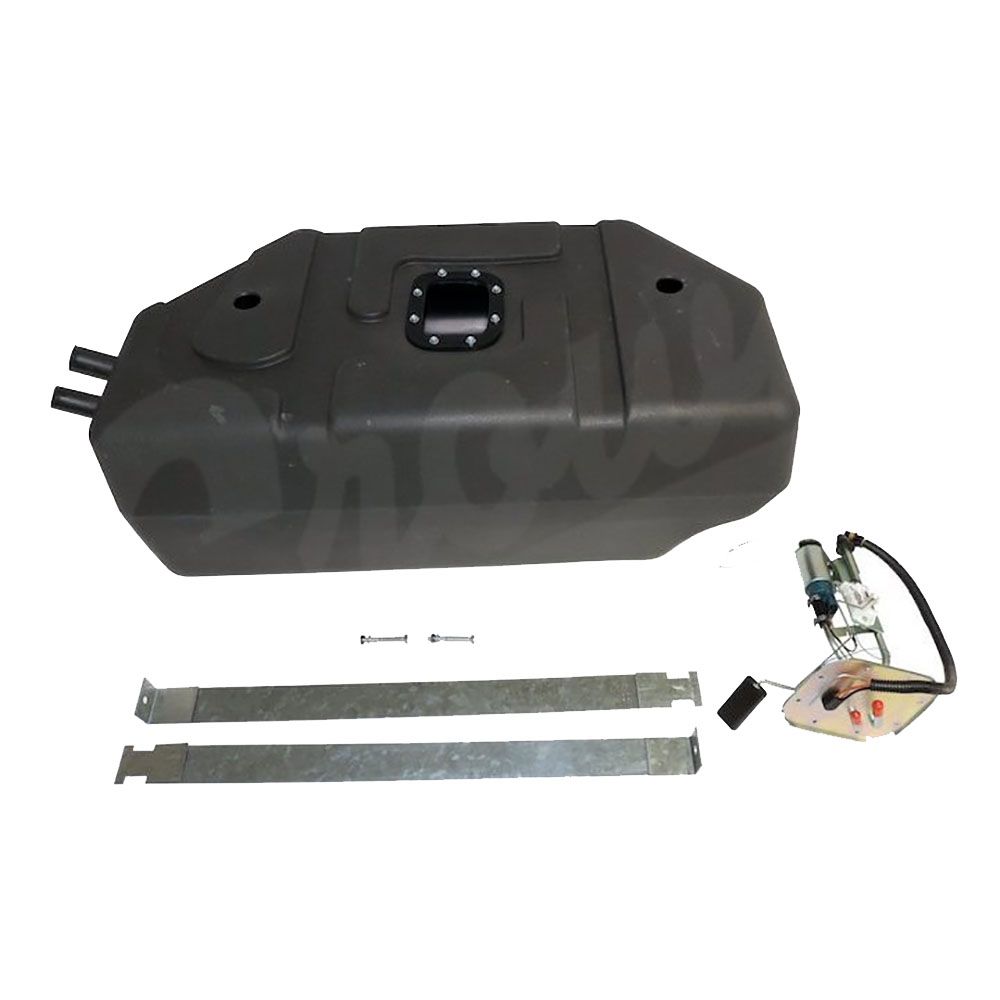
| Fuel Pump (Electric) | $50 - $150 | Upgrade options available for higher performance. |
| Steering Gearbox | $200 - $400 | New or remanufactured options available. |
| Complete Wiring Harness | $400 - $800 | Replaces the entire aging wiring system for increased reliability. |
Note: Prices are estimates and can vary depending on the vendor, location, and availability. Always compare prices and read reviews before making a purchase.
Frequently Asked Questions (FAQ)
-
Q: Where can I find a wiring diagram for my 1987 Jeep YJ?
- A: Online forums, service manuals (Haynes or Chilton), and some auto parts stores may offer wiring diagrams.
-
Q: My '87 YJ has the Carter BBD carburetor. Is there a better option?
- A: Yes! Many owners replace the BBD with a Weber carburetor or a Motorcraft 2100. Fuel injection conversions are also a popular, but more expensive, option.
-
Q: What's the best way to deal with rust on my YJ?
- A: Start by removing any loose rust with a wire brush or grinder. Treat the affected areas with a rust converter or primer. For severe rust, welding in new metal may be necessary.
-
Q: What type of oil should I use in my '87 YJ engine?
- A: Consult your owner's manual for the recommended oil type and viscosity. Many owners use 10W-30 or 10W-40.
-
Q: How often should I change the oil in my '87 YJ?
- A: Change the oil every 3,000 miles or 3 months, whichever comes first.
Conclusion
Owning a 1987 Jeep YJ is a rewarding experience. By understanding the specific parts and systems of this classic vehicle, you can keep it running strong and looking great for years to come. From engine components to suspension upgrades, this guide provides a solid foundation for your restoration or modification journey. Remember to research thoroughly, source quality parts, and don't be afraid to ask for help from fellow YJ enthusiasts. With a little knowledge and dedication, you can keep your '87 YJ a true testament to Jeep's legendary off-road heritage.
0 comments