The '93 Jeep, whether a Wrangler (YJ), Cherokee (XJ), or Grand Cherokee (ZJ), holds a special place in automotive history. It represents a golden era of rugged simplicity and off-road capability. However, after three decades, finding and maintaining these vehicles requires a dedicated approach to sourcing the right parts. This guide provides a comprehensive overview of '93 Jeep parts, covering everything from identifying essential components to navigating the aftermarket landscape and ensuring your classic Jeep continues to conquer trails for years to come.
Introduction: Why '93 Jeep Parts Matter
Reviving a Legend: A Comprehensive Guide to '93 Jeep Parts
The '93 Jeep models are renowned for their durability and relatively straightforward mechanics. This makes them popular choices for off-road enthusiasts, weekend mechanics, and anyone seeking a reliable and easily customizable vehicle. However, age takes its toll. Rubber components degrade, metal corrodes, and even the most robust engines eventually require attention. Sourcing and using the correct '93 Jeep parts is crucial for:
- Maintaining Reliability: Using quality replacement parts ensures your Jeep continues to perform as intended, minimizing breakdowns and maximizing longevity.
- Preserving Authenticity: For purists and collectors, using original or OEM-equivalent parts is vital to maintain the vehicle's value and historical accuracy.
- Enhancing Performance: Upgrading certain parts can significantly improve your Jeep's off-road capabilities, handling, and overall performance.
- Ensuring Safety: Worn or damaged safety-critical components like brakes, steering, and suspension parts must be replaced with quality alternatives to ensure safe operation.
Section 1: Identifying Common '93 Jeep Parts Needs

Before embarking on any repair or restoration project, it's essential to identify the specific parts you need. This involves a thorough inspection of your Jeep and understanding the common issues faced by '93 models.
- Engine Components:
- 4.0L Inline-Six: This engine is a workhorse, but common issues include oil leaks (valve cover, rear main seal), worn-out sensors (crankshaft position sensor, oxygen sensor), and cooling system problems (radiator, water pump, hoses).
- 2.5L Inline-Four: While less powerful, this engine is reliable. Common issues include distributor problems, timing belt wear (if applicable), and exhaust leaks.
- 5.2L V8 (Grand Cherokee ZJ): Offers ample power but can suffer from oil leaks, vacuum leaks, and distributor issues.
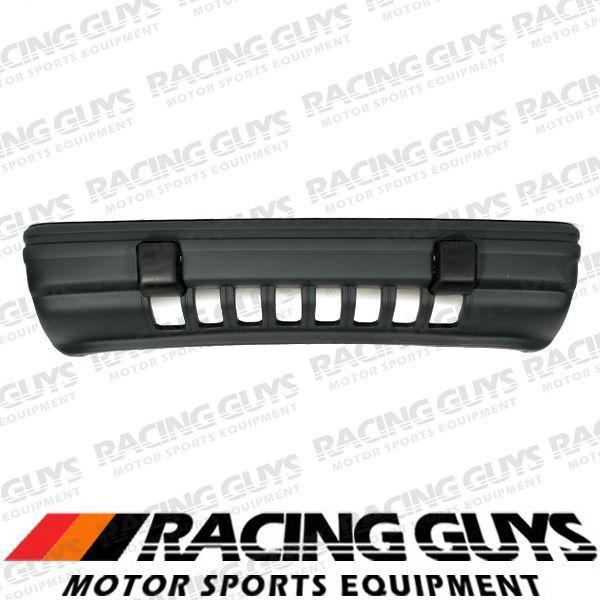
- Transmission & Drivetrain:
- Automatic Transmissions (AW4, 42RE): Prone to slippage, delayed shifting, and torque converter issues. Regular fluid changes are crucial.
- Manual Transmissions (AX15, AX5): Clutch wear, synchronizer problems, and bearing noise are common.
- Transfer Case (NP231, NP242): Chain stretch, seal leaks, and shift linkage problems are typical.
- Differentials: Worn-out gears, bearing noise, and pinion seal leaks require attention.
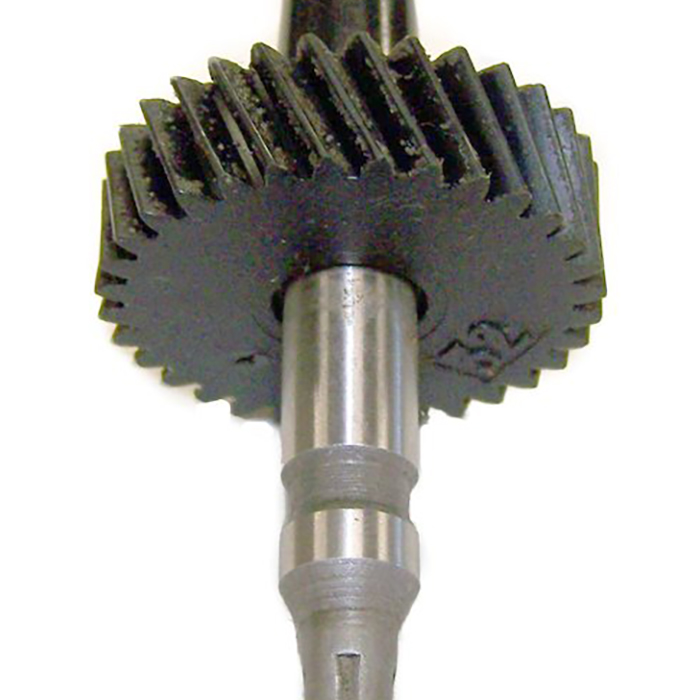
- Suspension & Steering:
- Leaf Springs (YJ, XJ): Sagging, broken leaves, and worn-out bushings are common.
- Coil Springs (ZJ, Some XJ): Sagging and loss of ride height.
- Shocks: Worn-out shocks lead to poor handling and a bouncy ride.
- Steering Gear Box: Play in the steering wheel, leaks, and difficulty steering.
- Ball Joints & Tie Rod Ends: Worn components cause loose steering and alignment issues.
- Brakes:
- Brake Pads & Rotors: Regular wear and tear requires replacement.
- Brake Calipers: Leaking or sticking calipers can cause uneven braking.
- Brake Lines: Corrosion can lead to leaks and brake failure.
- Master Cylinder: Leaks or failure to build pressure.
- Electrical System:
- Wiring Harnesses: Brittle and prone to corrosion, leading to shorts and malfunctions.
- Sensors: Malfunctioning sensors can cause a variety of engine and transmission problems.
- Starter & Alternator: Wear and tear requires replacement.
- Body & Interior:
- Rust: A common problem, especially in areas prone to salt exposure.
- Weather Stripping: Deterioration leads to leaks and wind noise.
- Upholstery: Tears and wear and tear on seats and carpets.
Section 2: Navigating the '93 Jeep Parts Market
Once you've identified your needs, you'll need to navigate the '93 Jeep parts market. Several options are available:
- Original Equipment Manufacturer (OEM) Parts: These are the same parts that were originally installed on your Jeep. They offer the best fit and performance but are often the most expensive. Dealerships and online OEM parts retailers are good sources.
- Aftermarket Parts: These are parts manufactured by companies other than Jeep. They can be less expensive than OEM parts and may offer improved performance or durability. Reputable aftermarket brands are crucial.
- Used Parts: Sourcing used parts from salvage yards or online marketplaces can be a cost-effective option. However, carefully inspect the parts for wear and damage before purchasing.
- Remanufactured Parts: These are used parts that have been rebuilt to like-new condition. They offer a good balance of cost and reliability.
Tips for Finding the Right Parts:
- Know Your Jeep's VIN: The Vehicle Identification Number (VIN) is essential for identifying the correct parts for your specific model and year.
- Use Online Parts Catalogs: Many online retailers offer parts catalogs that allow you to search for parts by VIN or part number.
- Read Reviews: Before purchasing aftermarket parts, read reviews from other Jeep owners to get an idea of their quality and performance.
- Consult Online Forums: Jeep forums are a valuable resource for finding information on specific parts and troubleshooting issues.
- Consider a Jeep-Specific Mechanic: A mechanic specializing in Jeeps can provide expert advice on parts selection and installation.
Section 3: Essential '93 Jeep Parts Replacement & Upgrade Guides
Here are some basic guides to replacing some common parts. Always consult a repair manual or qualified mechanic if you are unsure about any of these procedures.
- Replacing Brake Pads and Rotors:
- Loosen lug nuts.
- Jack up the Jeep and secure it with jack stands.
- Remove the wheel.
- Remove the brake caliper bolts and slide the caliper off the rotor.
- Remove the old brake pads.
- Compress the caliper piston.
- Install new brake pads.
- Install the caliper back onto the rotor.
- Remove the old rotor and install the new rotor.
- Reinstall the wheel and torque the lug nuts to the correct specification.
- Repeat on the other side.
- Pump the brake pedal to seat the pads.
- Replacing Shocks:
- Loosen the shock absorber mounting bolts.
- Compress the shock absorber (if necessary).
- Remove the old shock absorber.
- Install the new shock absorber.
- Tighten the mounting bolts to the correct specification.
- Repeat on the other side.
- Replacing Spark Plugs (4.0L):
- Disconnect the spark plug wires from the spark plugs.
- Use a spark plug socket to remove the old spark plugs.
- Gap the new spark plugs to the correct specification.
- Install the new spark plugs and torque them to the correct specification.
- Reconnect the spark plug wires.
Section 4: Common Challenges & Solutions
Restoring or maintaining a '93 Jeep can present some challenges:
- Finding Obsolete Parts: Some parts may be discontinued. Consider used parts, remanufactured parts, or aftermarket alternatives.
- Rust Repair: Requires specialized tools and skills. Consider professional rust repair or welding.
- Electrical Issues: Can be difficult to diagnose. Use a multimeter and consult wiring diagrams.
- Lack of Documentation: Repair manuals and technical information may be limited. Online forums and Jeep clubs can be helpful.
Section 5: Safety Considerations
- Always use jack stands when working under a vehicle.
- Disconnect the battery before working on electrical components.
- Wear safety glasses when working with tools.
- Dispose of old fluids properly.
- Consult a qualified mechanic if you are unsure about any repair procedure.
Conclusion: Keeping the Legacy Alive
Maintaining a '93 Jeep requires dedication and a willingness to learn. By understanding the common issues, navigating the parts market effectively, and following proper repair procedures, you can keep your classic Jeep running strong for years to come. The satisfaction of driving and maintaining these iconic vehicles is well worth the effort.
Table: Price Range of Common '93 Jeep Parts
| Part | Estimated Price Range (USD) | Notes |
|---|---|---|
| Brake Pads (Front) | $20 - $80 | Price varies by brand and material. |
| Brake Rotors (Front) | $40 - $150 each | Price varies by brand and material. |
| Shock Absorbers (Each) | $30 - $150 | Price varies by brand and type (e.g., gas-charged, hydraulic). |
| Leaf Springs (Each) | $100 - $400 | Price varies by brand and lift height. |
| Ball Joints (Each) | $20 - $100 | Price varies by brand and quality. |
| Tie Rod Ends (Each) | $15 - $75 | Price varies by brand and quality. |
| Water Pump (4.0L) | $40 - $120 | Price varies by brand. |
| Radiator (4.0L) | $100 - $300 | Price varies by brand and material (e.g., aluminum, copper/brass). |
| Starter Motor | $80 - $200 | Remanufactured or new options available. |
| Alternator | $100 - $250 | Remanufactured or new options available. |
| Clutch Kit (Manual Trans) | $100 - $400 | Price varies by brand and application (e.g., heavy-duty). |
| Distributor (4.0L) | $80 - $250 | Price varies by brand and whether it's new or remanufactured. |
| Oxygen Sensor (O2 Sensor) | $20 - $100 | Price varies by brand and type. |
| Fuel Pump | $50 - $200 | Price varies by brand and whether it's a complete assembly or just the pump. |
| Exhaust Manifold (4.0L) | $100 - $300 | Price varies by brand and material. |
| Headlights (Pair) | $30 - $100 | Price varies by style (e.g., halogen, LED). |
Note: Prices are estimates and may vary depending on the retailer, location, and specific part. It is always recommended to compare prices from multiple sources before making a purchase. Prices do not include labor costs for installation.
FAQ: '93 Jeep Parts
- Q: Where can I find a reliable '93 Jeep parts catalog?
- A: Online retailers like Quadratec, Morris 4x4 Center, and Summit Racing offer comprehensive parts catalogs. You can also check with your local Jeep dealership.
- Q: Are aftermarket parts as good as OEM parts?
- A: It depends. Reputable aftermarket brands often offer comparable or even superior performance and durability. However, cheaper, unbranded parts may be of lower quality. Research is key.
- Q: How can I tell if a used part is in good condition?
- A: Carefully inspect the part for wear, damage, and corrosion. Ask the seller about its history and usage. If possible, test the part before purchasing.
- Q: What are some common upgrades for a '93 Jeep?
- A: Popular upgrades include lift kits, larger tires, performance exhaust systems, and upgraded lighting.
- Q: Is it worth restoring a '93 Jeep?
- A: That depends on the condition of the vehicle, your budget, and your personal goals. A well-maintained or restored '93 Jeep can be a rewarding investment, both financially and personally.
By following this comprehensive guide, you'll be well-equipped to source the right '93 Jeep parts and keep your classic Jeep rolling for many years to come.
0 comments