The Jeep Gladiator. The name itself evokes images of ruggedness, utility, and a bygone era of American automotive ingenuity. Produced from 1962 to 1988, this iconic pickup truck, also known as the J-Series, carved its niche as a versatile workhorse and off-road adventurer. Today, the classic Jeep Gladiator enjoys a thriving community of enthusiasts dedicated to preserving and restoring these vintage vehicles. This passion fuels a robust market for classic Jeep Gladiator parts, ranging from essential mechanical components to cosmetic enhancements. This guide dives deep into the world of these parts, providing essential information, practical advice, and valuable insights for anyone looking to breathe new life into their beloved Gladiator.
Why Classic Jeep Gladiator Parts Matter
Reviving a Legend: A Comprehensive Guide to Classic Jeep Gladiator Parts
The availability of classic Jeep Gladiator parts is crucial for several reasons:
- Preservation of Automotive History: Restoring a classic Gladiator is more than just fixing up an old truck; it's preserving a piece of automotive history. Using original or high-quality reproduction parts helps maintain the vehicle's authenticity and character.
- Maintaining Functionality: Many classic Gladiators are still used for work or recreation. Access to reliable replacement parts ensures these trucks can continue to perform as intended, whether hauling lumber or tackling off-road trails.
- Increasing Value: A well-maintained and properly restored Gladiator, using correct parts, will command a higher price in the collector's market.
- Personal Satisfaction: For many owners, the process of restoring a classic Gladiator is a labor of love. Finding and installing the correct parts is a rewarding experience that connects them to the history of the vehicle.
Navigating the World of Classic Jeep Gladiator Parts: Key Areas
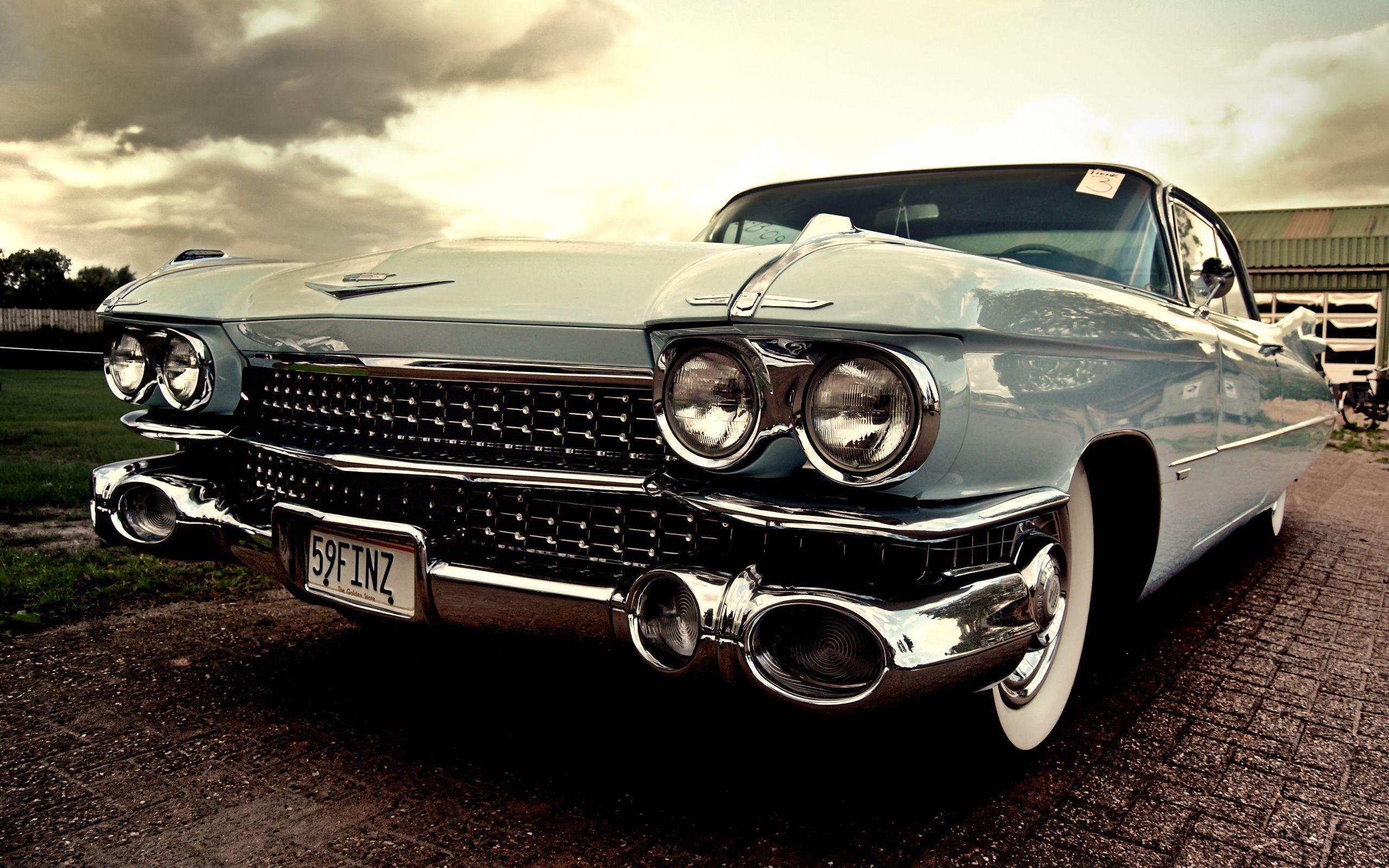
The sheer volume of parts required for a comprehensive Gladiator restoration can be daunting. Here's a breakdown of key areas to consider:
1. Engine and Drivetrain:
- Engines: The Gladiator was offered with various engines over its production run, including inline-sixes (like the 230 Tornado and 258 CID) and V8s (like the 327 and 360 CID). Sourcing rebuilt or remanufactured engines, or individual components like pistons, rings, camshafts, and carburetors, is essential for reliable performance.
- Transmissions: Manual and automatic transmissions were available. Finding original or compatible replacements, along with clutch kits, shift linkages, and torque converters, is crucial for maintaining the driving experience.
- Transfer Cases: The Dana 20 transfer case was a common feature. Parts for rebuilding or replacing this unit, including gears, bearings, and seals, are essential for four-wheel-drive functionality.
- Axles: Dana 44 axles were commonly used. Finding replacement axle shafts, gears, bearings, and housings is vital for maintaining the truck's strength and durability.
2. Body and Exterior:
- Body Panels: Rust is a common problem in older vehicles. Finding replacement fenders, quarter panels, floor pans, and cab corners is often necessary for a complete restoration. Reproduction panels are readily available, but original panels may be preferred for their authenticity.
- Glass: Windshields, side windows, and rear windows can be difficult to find in perfect condition. Searching for NOS (New Old Stock) or high-quality reproduction glass is important for safety and aesthetics.
- Trim and Badging: Restoring the exterior appearance often involves replacing or refinishing trim pieces, badges, and emblems. These details contribute significantly to the vehicle's overall look.
- Bumpers and Grilles: Bumpers and grilles are often damaged or rusted. Finding replacements that match the original design is crucial for maintaining the Gladiator's classic appearance.
3. Interior:
- Seats and Upholstery: Worn or damaged seats and upholstery detract from the interior's appearance. Finding replacement seat covers, foam padding, and interior panels is essential for a comfortable and aesthetically pleasing cabin.
- Dashboard and Instruments: The dashboard and instruments can suffer from cracks, fading, and malfunction. Replacing or restoring these components is crucial for both functionality and appearance.
- Steering Wheel and Column: The steering wheel and column can show signs of wear and tear. Finding replacements or refinishing existing components can improve the driving experience.
- Floor Coverings: Replacing worn or damaged floor coverings with new carpets or rubber mats can significantly improve the interior's appearance and comfort.
4. Electrical System:
- Wiring Harness: Old wiring harnesses can become brittle and prone to shorts. Replacing the entire harness or repairing individual sections is essential for electrical reliability.
- Lights and Lenses: Finding replacement headlights, taillights, and marker lights, along with lenses, is important for safety and appearance.
- Switches and Relays: Replacing faulty switches and relays ensures proper functionality of various electrical systems.
- Gauges: Replacing gauges that have failed or are no longer accurate can prevent major issues.
5. Brakes and Suspension:
- Brake Components: Brake pads, rotors, drums, calipers, and master cylinders are essential for safe stopping. Replacing worn or damaged components is crucial for safety.
- Suspension Components: Springs, shocks, and bushings wear out over time, affecting the ride quality and handling. Replacing these components can restore the truck's original performance.
- Steering Components: Tie rod ends, ball joints, and steering boxes are essential for precise steering. Replacing worn or damaged components is crucial for safety and handling.
Finding Classic Jeep Gladiator Parts: Where to Look
- Online Retailers: Several online retailers specialize in classic Jeep parts. These retailers offer a wide selection of parts, often with detailed descriptions and images.
- Junkyards: Junkyards can be a treasure trove of used parts. Searching for Gladiators or J-Series trucks in junkyards can yield valuable components at a fraction of the cost of new parts.
- Jeep Clubs and Forums: Joining Jeep clubs and online forums can connect you with other enthusiasts who may have parts for sale or know where to find them.
- Auctions and Swap Meets: Auctions and swap meets are great places to find rare or hard-to-find parts.
- NOS (New Old Stock) Dealers: Some dealers specialize in NOS parts, which are original parts that were never used. These parts can be expensive but are highly desirable for restoration projects.
Tips for Buying Classic Jeep Gladiator Parts
- Do Your Research: Before buying any parts, research the correct part numbers and specifications for your specific year and model of Gladiator.
- Inspect Parts Carefully: If possible, inspect parts in person before buying them. Look for signs of damage, wear, or rust.
- Ask Questions: Don't hesitate to ask the seller questions about the part's condition, origin, and compatibility.
- Compare Prices: Shop around and compare prices from different sources to ensure you're getting the best deal.
- Consider Reproduction Parts: If original parts are unavailable or too expensive, consider high-quality reproduction parts.
- Factor in Shipping Costs: Shipping costs can add up, especially for large or heavy parts. Factor these costs into your budget.
- Read Reviews: Check online reviews of sellers and parts to get an idea of their quality and reliability.
Potential Challenges and Solutions
- Scarcity of Parts: Some parts, especially for less common models or years, can be difficult to find. Be patient and persistent in your search.
- High Prices: Classic Jeep Gladiator parts can be expensive, especially for NOS or rare items. Set a budget and prioritize essential parts.
- Counterfeit Parts: Beware of counterfeit parts that may be of poor quality or not fit properly. Buy from reputable sources.
- Incorrect Parts: Make sure you're buying the correct parts for your specific year and model of Gladiator. Double-check part numbers and specifications.
- Condition of Used Parts: Used parts may require cleaning, repair, or rebuilding before they can be installed. Factor in these costs and labor.
Price Table
| Part Category | Description | Approximate Price Range | Notes |
|---|---|---|---|
| Engine (Rebuilt) | 230 Tornado Inline-Six | $2,500 - $4,500 | Price varies based on condition and included components. |
| Transmission (Rebuilt) | T-90 Manual Transmission | $800 - $1,500 | Price depends on rebuild quality and core availability. |
| Body Panel (Fender) | Front Fender (Reproduction) | $250 - $400 | Original fenders can be significantly more expensive if available. |
| Windshield | New Replacement Windshield | $200 - $350 | Installation not included. |
| Seat Cover Set | Complete Seat Cover Set (Vinyl) | $300 - $500 | Fabric options may be more expensive. |
| Wiring Harness (Engine) | Engine Wiring Harness (Reproduction) | $150 - $250 | Ensure compatibility with your specific engine. |
| Brake Pads (Front) | Front Brake Pads (Pair) | $30 - $60 | Ceramic or metallic options available. |
| Leaf Springs (Rear) | Rear Leaf Springs (Pair) | $300 - $500 | Price varies depending on load capacity. |
| Carburetor (Rebuilt) | Carter YF Carburetor | $200 - $350 | Core exchange may be required. |
| Grille Assembly | Complete Grille Assembly (Reproduction) | $300 - $500 | Original grilles in good condition are rare and costly. |
Frequently Asked Questions (FAQ)
-
Q: Where can I find the VIN number on my Gladiator?
- A: The VIN number is typically located on the driver's side door jamb or on the dashboard near the windshield.
-
Q: What is the best way to remove rust from body panels?
- A: There are several methods, including sandblasting, chemical rust removal, and mechanical grinding. Choose the method that best suits the severity of the rust and your skill level.
-
Q: How can I tell if a part is original or reproduction?
- A: Original parts often have unique markings, casting numbers, or manufacturer stamps. Research these details for the specific part you're interested in.
-
Q: What tools do I need for a basic Gladiator restoration?
- A: A basic toolkit should include wrenches, sockets, screwdrivers, pliers, a hammer, a multimeter, and a jack. More specialized tools may be required for specific tasks.
-
Q: How much does it cost to restore a classic Jeep Gladiator?
- A: The cost of restoration varies widely depending on the condition of the vehicle, the extent of the restoration, and the quality of the parts used. A complete restoration can easily cost tens of thousands of dollars.
Conclusion: The Enduring Appeal of the Classic Jeep Gladiator
Restoring a classic Jeep Gladiator is a challenging but rewarding endeavor. By understanding the key areas of the vehicle, knowing where to find parts, and following the tips outlined in this guide, you can successfully bring a piece of automotive history back to life. The enduring appeal of the Gladiator lies in its ruggedness, versatility, and timeless design. With dedication and the right parts, you can ensure that these iconic trucks continue to roam the roads and trails for generations to come. The classic Jeep Gladiator is more than just a truck; it's a symbol of American ingenuity and a testament to the enduring power of well-built machines. So, embrace the challenge, gather your tools, and embark on the journey of restoring your own piece of Gladiator history.
0 comments