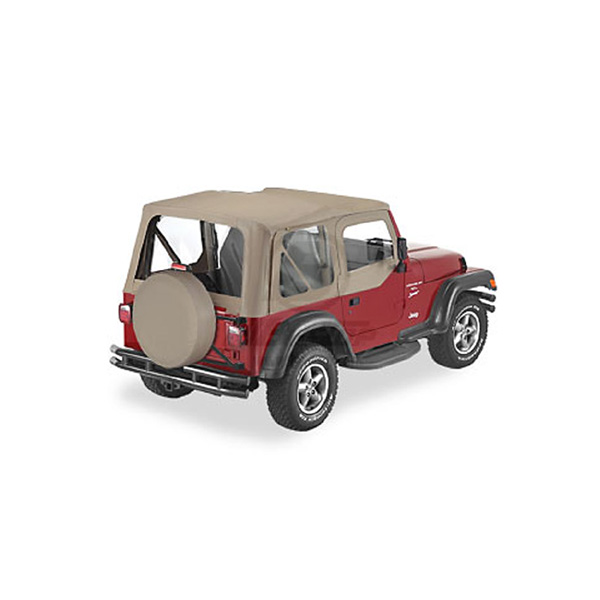
The 1997 Jeep Wrangler TJ. Just uttering the name conjures images of open-air adventures, rugged trails, and that iconic seven-slot grille. This model year marked a significant shift from the YJ, introducing coil spring suspension for a smoother ride and a more refined driving experience. But, as with any vehicle of its age, keeping a '97 TJ running strong requires attention, maintenance, and, inevitably, replacing parts. This comprehensive guide dives deep into the world of 1997 Jeep parts, covering everything from essential maintenance to performance upgrades, ensuring you can keep your beloved TJ conquering trails for years to come.
Why Focus on '97 Jeep Parts Specifically?
Reviving a Legend: A Comprehensive Guide to 1997 Jeep Parts
While many parts are interchangeable between TJ model years (1997-2006), the '97 model holds a unique place. It was the first year of the TJ, and while it shares core components with later models, there are subtle differences that can impact part compatibility. Knowing these differences is crucial to avoid frustrating mistakes and ensure you get the right part for your specific Jeep. Furthermore, focusing on the '97 model allows us to address specific issues and potential problems that are more common in this initial year of production.
I. Essential Maintenance: Keeping Your '97 TJ Running Smoothly
Regular maintenance is the cornerstone of any vehicle's longevity, and a '97 Jeep is no exception. Here's a breakdown of crucial maintenance areas and common replacement parts:
-
Engine:
- Oil Change: A regular oil change (every 3,000-5,000 miles) is vital. Use the correct oil type and viscosity as specified in your owner's manual (usually 10W-30). Parts needed: Oil filter, engine oil, drain plug washer.
- Air Filter: Replace the air filter regularly to ensure proper airflow to the engine. A dirty air filter can reduce performance and fuel economy. Parts needed: Air filter.
- Spark Plugs & Wires: Replace spark plugs and wires according to the maintenance schedule. Old plugs can cause misfires and reduced performance. Parts needed: Spark plugs, spark plug wires.
- Coolant Flush: Flush the cooling system every two years to prevent corrosion and maintain optimal engine temperature. Parts needed: Coolant, distilled water, thermostat (consider replacing).
- Serpentine Belt: Inspect the serpentine belt for cracks or wear. A broken belt can leave you stranded. Parts needed: Serpentine belt.
- Common Issues: Oil leaks (valve cover gasket, rear main seal), overheating (radiator, water pump), rough idle (vacuum leaks).

-
Brakes:
- Brake Pads & Rotors: Inspect brake pads and rotors regularly for wear. Replace as needed to ensure safe stopping power. Parts needed: Brake pads, brake rotors, brake hardware kit.
- Brake Lines: Inspect brake lines for corrosion or leaks. Replace any damaged lines immediately. Parts needed: Brake lines, brake fluid.
- Brake Calipers: Check brake calipers for proper function. A sticking caliper can cause uneven brake wear and reduced performance. Parts needed: Brake calipers.
- Common Issues: Soft brake pedal (air in the lines), squealing brakes (worn pads), uneven brake wear (caliper issues).
-
Suspension & Steering:
- Shocks & Struts: Replace shocks and struts as needed to maintain ride quality and handling. Parts needed: Shocks, struts.
- Bushings: Inspect suspension bushings for wear and tear. Worn bushings can cause sloppy handling and vibrations. Parts needed: Control arm bushings, sway bar bushings, track bar bushings.
- Steering Components: Inspect steering components for play or looseness. This includes tie rod ends, ball joints, and the steering gear box. Parts needed: Tie rod ends, ball joints, steering gear box.
- Common Issues: Wandering steering (worn steering components), clunking noises (worn bushings), poor ride quality (worn shocks).
-
Drivetrain:
- Differential Fluid: Change the differential fluid regularly to protect the gears. Use the correct fluid type as specified in your owner's manual. Parts needed: Differential fluid, gasket or sealant.
- Transfer Case Fluid: Change the transfer case fluid regularly. Parts needed: Transfer case fluid.
- Transmission Fluid: Change the transmission fluid according to the maintenance schedule. Parts needed: Transmission fluid, transmission filter (for automatic transmissions).
- U-Joints: Inspect U-joints for play or looseness. Worn U-joints can cause vibrations and eventual failure. Parts needed: U-joints.
- Common Issues: Noisy differentials (worn gears), slipping transmission (worn clutch or internal components), vibrations (worn U-joints).
II. Common '97 TJ Specific Issues and Solutions
The '97 TJ, being the first year of the model, has a few quirks that are worth noting:
- Early PCM Issues: Some '97 TJs experienced issues with the Powertrain Control Module (PCM). Symptoms can include stalling, poor performance, and difficulty starting. Replacing the PCM may be necessary.
- Clock Spring Failure: The clock spring in the steering column can fail, causing the horn and cruise control to stop working. Replacement is usually the only solution.
- Rust: While all TJs are susceptible to rust, early models may show more signs of corrosion, especially in areas prone to moisture. Thoroughly inspect the frame, body panels, and floorboards for rust. Address any rust issues promptly to prevent further damage.
III. Performance Upgrades: Enhancing Your '97 TJ's Capabilities
While keeping your '97 TJ in good running order is paramount, many owners choose to enhance its performance and capabilities. Here are a few popular upgrade options:
- Lift Kits: Lifting your TJ allows for larger tires and improved off-road clearance. Choose a lift kit that suits your needs and driving style.
- Tires & Wheels: Upgrading to larger tires can significantly improve off-road traction. Select tires that are appropriate for your intended use.
- Lockers: Installing lockers in the front and/or rear differentials can dramatically improve off-road performance by providing increased traction.
- Engine Upgrades: While more complex, engine upgrades can boost horsepower and torque. Options include cold air intakes, performance exhaust systems, and even engine swaps.
- Lighting Upgrades: LED headlights and auxiliary lights can improve visibility and safety, especially when off-roading at night.
IV. Finding the Right Parts: Navigating the Aftermarket
Finding the right parts for your '97 TJ can be overwhelming, given the vast aftermarket. Here are some tips:
- Know Your Jeep: Identify your Jeep's specific options and configurations. This information is crucial for ensuring compatibility.
- Use Reputable Suppliers: Stick with reputable parts suppliers that offer quality products and good customer service.
- Read Reviews: Before purchasing any part, read reviews from other Jeep owners to get an idea of its quality and performance.
- Consider Used Parts: For certain parts, such as body panels or interior components, used parts can be a cost-effective option. However, inspect used parts carefully before purchasing.
- Online Forums: Jeep forums are a valuable resource for finding parts and getting advice from other owners.
V. Potential Challenges and Solutions
- Finding Obsolete Parts: Some parts for the '97 TJ may be becoming harder to find. Consider aftermarket alternatives or explore online forums and classifieds for used parts.
- Compatibility Issues: Double-check part compatibility before purchasing. Consult with a parts specialist or refer to online resources.
- DIY vs. Professional Installation: Some repairs and upgrades are relatively easy to perform yourself, while others require specialized tools and expertise. Be honest about your skill level and consider seeking professional help when needed.
VI. Price Table for Common '97 Jeep TJ Parts
| Part Description | Estimated Price Range | Notes |
|---|---|---|
| Oil Filter | $5 - $15 | Varies by brand and quality. |
| Air Filter | $10 - $30 | Varies by brand and type (e.g., paper, K&N). |
| Spark Plugs (Set of 6) | $20 - $60 | Varies by type (e.g., copper, platinum, iridium). |
| Brake Pads (Front Set) | $30 - $80 | Varies by brand and material. |
| Brake Rotors (Front Pair) | $60 - $150 | Varies by brand and quality. |
| Shocks (Set of 4) | $100 - $400 | Varies by brand and type (e.g., gas, hydraulic). |
| Serpentine Belt | $15 - $40 | Varies by brand and quality. |
| Radiator | $100 - $300 | Varies by brand and construction (e.g., aluminum, copper/brass). |
| Water Pump | $50 - $150 | Varies by brand and quality. |
| PCM (Remanufactured) | $200 - $500 | Requires programming. |
| Clock Spring | $50 - $150 | Aftermarket options available. |
| Lift Kit (2-3 inch) | $300 - $1000 | Varies by brand and components included. |
| Ball Joints (Upper & Lower) | $50 - $150 (per side) | Varies by brand and quality. |
| Tie Rod Ends | $30 - $80 (each) | Varies by brand and quality. |
VII. Frequently Asked Questions (FAQ)
- Q: Where can I find the VIN number on my '97 TJ?
- A: The VIN number is located on the driver's side dashboard, visible through the windshield. It's also found on the driver's side door jamb and on the vehicle's title and registration.
- Q: Are parts interchangeable between the '97 TJ and later models?
- A: Many parts are interchangeable, but there are some differences. It's always best to verify compatibility before purchasing.
- Q: What type of oil should I use in my '97 TJ?
- A: Refer to your owner's manual for the recommended oil type and viscosity. Typically, 10W-30 is recommended.
- Q: How often should I change the oil in my '97 TJ?
- A: Change the oil every 3,000-5,000 miles, depending on your driving conditions.
- Q: My '97 TJ is experiencing the "death wobble." What could be causing this?
- A: The "death wobble" can be caused by several factors, including worn steering components, unbalanced tires, and loose track bar. Have your suspension and steering system inspected by a qualified mechanic.
- Q: My '97 TJ has a check engine light. How do I find out what the code means?
- A: You can use an OBD-II scanner to read the diagnostic trouble code (DTC). Many auto parts stores will scan your vehicle for free. Once you have the code, you can research its meaning online or consult with a mechanic.
Conclusion: Keeping the '97 TJ Spirit Alive
The 1997 Jeep Wrangler TJ is more than just a vehicle; it's a symbol of freedom and adventure. By understanding the specific needs of this iconic model year and proactively addressing maintenance and potential issues, you can ensure your '97 TJ continues to turn heads and conquer trails for many years to come. Embrace the journey, get your hands dirty, and enjoy the unique experience of owning and maintaining a classic Jeep. Happy Jeeping!
0 comments