The 1975 Jeep CJ5 holds a special place in the hearts of off-road enthusiasts and classic car collectors alike. Its rugged simplicity, iconic design, and go-anywhere capability have made it a timeless symbol of American adventure. However, owning a vehicle of this age means understanding the importance of maintaining and replacing parts. This comprehensive guide will delve into the world of 1975 Jeep CJ5 parts, providing you with the knowledge and resources to keep your classic Jeep running strong for years to come.
Why Understanding 1975 Jeep CJ5 Parts is Crucial
Reviving a Legend: A Comprehensive Guide to 1975 Jeep CJ5 Parts
The 1975 CJ5 is a unique beast. While sharing similarities with other CJ models, it boasts specific components and configurations that are distinct to that model year. Identifying the correct parts is essential for several reasons:
- Ensuring Proper Fit and Function: Using incorrect parts can lead to improper fit, reduced performance, and even damage to other components.
- Maintaining Originality: For collectors, preserving the original specifications of their CJ5 is paramount. Using the correct parts helps maintain its value and authenticity.
- Enhancing Performance and Reliability: Upgrading or replacing worn parts with quality alternatives can significantly improve your Jeep's performance, reliability, and safety.
- Safety First: Worn or damaged parts, especially in critical systems like brakes and steering, can compromise your safety and the safety of others.
Exploring the Core Systems and Their Corresponding Parts
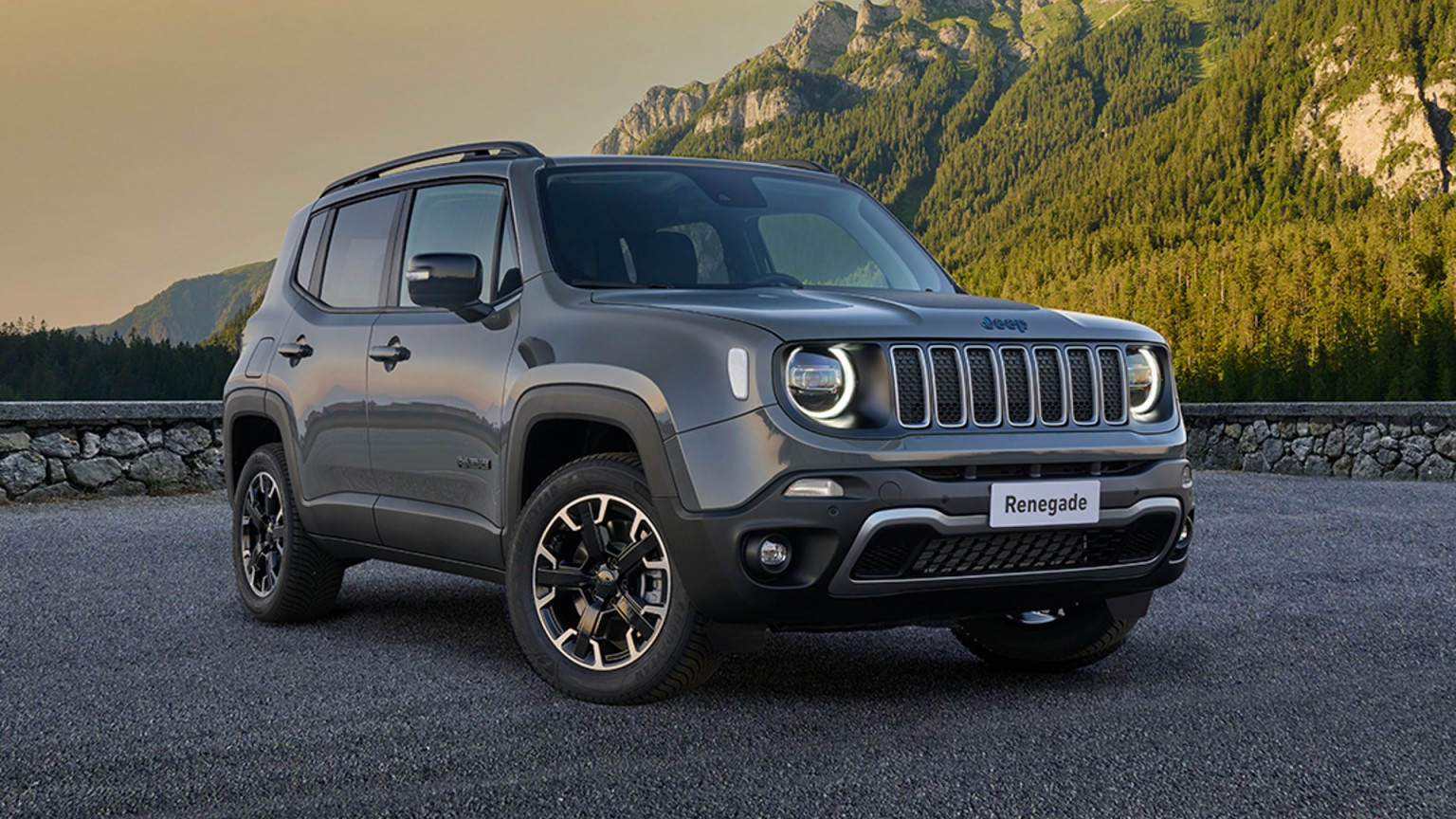
To effectively maintain your 1975 CJ5, it's essential to understand the core systems and the parts that make them function.
1. Engine and Drivetrain:
- Engine: The 1975 CJ5 was typically equipped with either a 258 cubic inch (4.2L) inline-six or a 304 cubic inch (5.0L) V8 engine. Key parts include:
- Engine Block: The foundation of the engine.
- Cylinder Heads: Essential for combustion.
- Pistons, Rings, and Connecting Rods: Internal components responsible for converting combustion energy into mechanical motion.
- Camshaft and Lifters: Control valve timing.
- Carburetor (Motorcraft 2100 or 2150): Mixes air and fuel for combustion.
- Distributor and Ignition System: Delivers spark to the cylinders.
- Water Pump and Radiator: Cool the engine.
- Exhaust Manifold and Exhaust System: Expels exhaust gases.
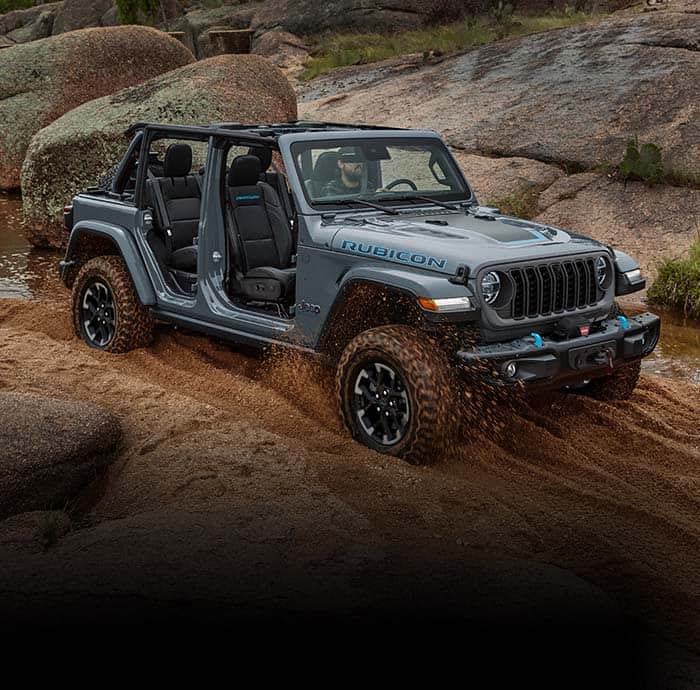
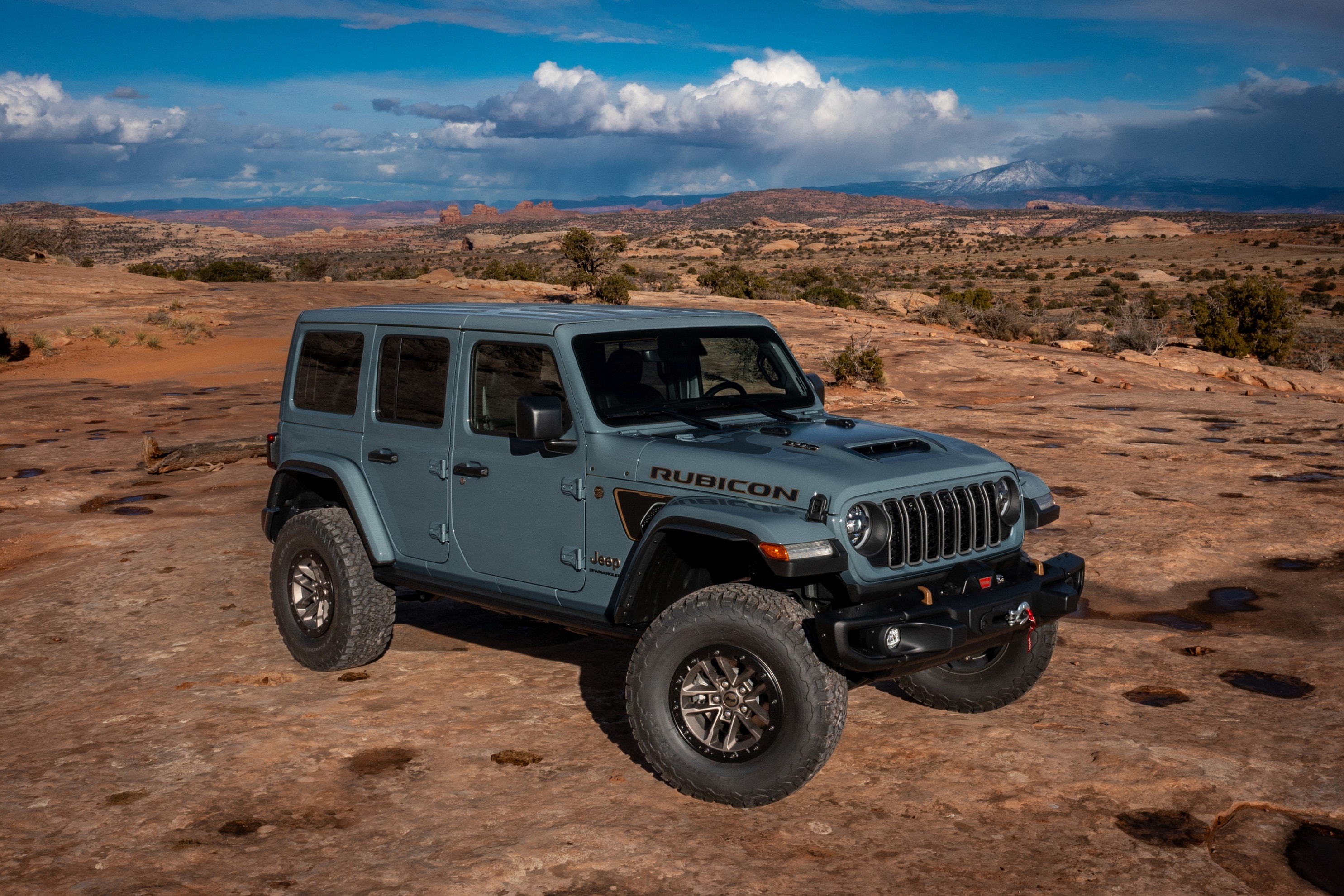
- Transmission: Usually a Warner T-150 three-speed manual transmission. Parts include:
- Gears and Shafts: Transfer power from the engine to the transfer case.
- Synchronizers: Allow for smooth gear changes.
- Clutch: Disconnects the engine from the transmission.
- Transfer Case (Dana 20): Distributes power to the front and rear axles. Parts include:
- Gears and Shafts: Control power distribution.
- Shift Forks: Engage and disengage different drive modes.
- Axles (Dana 30 Front, AMC 20 Rear): Transfer power to the wheels. Parts include:
- Axle Shafts: Transmit torque to the wheels.
- Differential: Allows wheels to rotate at different speeds.
- Ring and Pinion Gears: Provide the final drive ratio.
- Wheel Bearings: Allow wheels to rotate smoothly.
2. Suspension and Steering:
- Suspension: Leaf springs at all four corners. Parts include:
- Leaf Springs: Provide support and absorb shocks.
- Shackles: Connect leaf springs to the frame.
- Shock Absorbers: Dampen spring oscillations.
- Steering: Manual steering system. Parts include:
- Steering Box: Converts steering wheel rotation into linear motion.
- Tie Rods and Drag Link: Connect the steering box to the wheels.
- Steering Knuckles: Connect the wheels to the suspension.
3. Brakes:
- Brakes: Drum brakes on all four wheels. Parts include:
- Brake Drums: Rotate with the wheels and provide a surface for the brake shoes to press against.
- Brake Shoes: Press against the brake drums to slow or stop the vehicle.
- Wheel Cylinders: Actuate the brake shoes.
- Master Cylinder: Provides hydraulic pressure to the brake system.
- Brake Lines: Carry hydraulic fluid to the wheel cylinders.
4. Body and Interior:
- Body: Steel body tub and fenders. Parts include:
- Fenders: Protect the wheels and tires.
- Hood: Covers the engine compartment.
- Windshield: Provides visibility and protection.
- Grille: The iconic Jeep front end.
- Interior: Simple and functional. Parts include:
- Seats: Provide seating for the driver and passengers.
- Dashboard: Houses the gauges and controls.
- Steering Wheel: Controls the steering system.
- Gauges: Monitor engine performance and other vehicle functions.
5. Electrical System:
- Electrical System: 12-volt system. Parts include:
- Battery: Provides power to start the engine and run electrical accessories.
- Alternator: Charges the battery.
- Starter: Cranks the engine to start it.
- Wiring Harness: Connects all electrical components.
- Lights: Provide visibility at night.
- Fuses: Protect the electrical system from overloads.
Finding the Right Parts: Sources and Considerations
Locating parts for a 1975 CJ5 can be challenging but rewarding. Here are some reliable sources and important considerations:
- Online Retailers: Websites like Quadratec, Morris 4x4 Center, and Amazon offer a wide selection of CJ5 parts, both new and reproduction.
- Local Auto Parts Stores: While they may not stock everything for a classic Jeep, they can often source common parts like filters, belts, and hoses.
- Jeep Forums and Clubs: Online communities dedicated to Jeeps are a valuable resource for finding used parts, advice, and connections to other enthusiasts.
- Salvage Yards: Junkyards specializing in older vehicles can be a treasure trove for finding original parts at reasonable prices.
- Specialty Jeep Parts Suppliers: Companies specializing in classic Jeep restoration often carry hard-to-find parts.
Important Considerations When Purchasing Parts:
- Quality: Choose reputable brands and prioritize quality over price, especially for critical components like brakes and steering parts.
- Originality: If maintaining originality is important, look for NOS (New Old Stock) or reproduction parts that closely match the original specifications.
- Compatibility: Double-check the part number and description to ensure compatibility with your 1975 CJ5.
- Warranty: Check if the part comes with a warranty to protect against defects.
Common 1975 CJ5 Parts Replacement Projects
Here are some common maintenance and repair projects that often require replacing parts:
- Brake System Overhaul: Replacing brake shoes, wheel cylinders, master cylinder, and brake lines.
- Suspension Refresh: Replacing leaf springs, shackles, and shock absorbers.
- Engine Tune-Up: Replacing spark plugs, wires, distributor cap, rotor, and filters.
- Carburetor Rebuild: Rebuilding or replacing the carburetor.
- Cooling System Service: Replacing the water pump, radiator, hoses, and thermostat.
- Exhaust System Repair: Replacing the exhaust manifold, muffler, and tailpipe.
Tips for Working on Your 1975 CJ5
- Invest in a Good Repair Manual: A detailed repair manual specific to the 1975 CJ5 is invaluable.
- Take Pictures: Documenting the disassembly process with photos can help you remember how everything goes back together.
- Organize Parts: Keep track of the parts you remove and label them clearly.
- Use the Right Tools: Using the correct tools will make the job easier and prevent damage to the parts.
- Don't Be Afraid to Ask for Help: If you're unsure about something, don't hesitate to ask for advice from experienced Jeep enthusiasts.
Potential Challenges and Solutions
Restoring or maintaining a classic Jeep can present challenges. Here are some common issues and potential solutions:
- Finding Obsolete Parts: Research alternative parts or consider using reproduction parts.
- Rust and Corrosion: Address rust issues by cleaning, repairing, or replacing affected panels.
- Mechanical Wear and Tear: Replace worn parts with quality replacements.
- Electrical Issues: Troubleshoot electrical problems with a multimeter and wiring diagrams.
Price Table: Common 1975 Jeep CJ5 Parts (Estimated)
| Part | Description | Estimated Price Range | Notes |
|---|---|---|---|
| Brake Shoes (Set of 4) | Standard replacement shoes | $40 - $80 | Price varies by brand and material. |
| Wheel Cylinder (Each) | Replacement for drum brakes | $20 - $40 | Check for correct bore size. |
| Master Cylinder | Primary brake hydraulic component | $50 - $100 | Ensure compatibility with your braking system. |
| Leaf Spring (Each) | Standard replacement leaf spring | $100 - $200 | Price depends on lift height and load capacity. |
| Shock Absorber (Each) | Standard replacement shock absorber | $30 - $60 | Consider gas-charged for improved performance. |
| Water Pump | Replacement water pump | $40 - $80 | Check for proper pulley alignment. |
| Radiator | Standard replacement radiator | $150 - $300 | Aluminum radiators offer improved cooling. |
| Carburetor (Rebuilt) | Motorcraft 2100/2150 rebuilt | $200 - $400 | Ensure proper calibration for your engine. |
| Distributor Cap & Rotor | Standard replacement | $20 - $40 | Replace during tune-up. |
| Spark Plugs (Set of 6/8) | Standard replacement | $20 - $50 | Choose plugs compatible with your engine. |
| Wiring Harness (Complete) | Complete replacement harness | $300 - $600 | Simplifies electrical repairs and upgrades. |
| Seat Cover (Pair) | Vinyl replacement seat covers | $100 - $200 | Upgrade to leather or canvas for increased durability and comfort. |
| Battery | Standard replacement battery | $100 - $200 | Consider an AGM battery for improved performance and longevity. |
| Fuel Pump | Mechanical fuel pump replacement | $30 - $60 | Check fuel pressure before replacing. |
| Tie Rod End | Replacement tie rod end | $20 - $40 | Replace in pairs for best results. |
Disclaimer: Prices are estimates and may vary depending on the supplier, brand, and condition of the part. It's always recommended to compare prices from multiple sources before making a purchase.
Frequently Asked Questions (FAQ)
Q: Where can I find the correct part number for my 1975 CJ5?
A: The original parts manual for the 1975 CJ5 is the best resource. You can also find parts diagrams and information on online forums and parts websites.
Q: Are parts for the 1975 CJ5 readily available?
A: Some parts are readily available, while others may be harder to find. Reproduction parts are often available for common wear items, but original parts may require more searching.
Q: Can I use parts from other CJ models on my 1975 CJ5?
A: Some parts are interchangeable between CJ models, but it's essential to verify compatibility before making a purchase.
Q: Should I upgrade my 1975 CJ5 with aftermarket parts?
A: Upgrading with aftermarket parts can improve performance and reliability, but consider the impact on originality and potential modifications required.
Q: Is it difficult to work on a 1975 CJ5?
A: The 1975 CJ5 is relatively simple to work on compared to modern vehicles. However, some experience and knowledge are helpful.
Conclusion
Owning a 1975 Jeep CJ5 is a rewarding experience. By understanding the various systems and parts that make it function, you can effectively maintain and restore your classic Jeep, ensuring it continues to provide years of reliable performance and off-road adventures. Remember to research thoroughly, choose quality parts, and don't hesitate to seek help from the Jeep community when needed. Happy Jeeping!
0 comments