The 2000 Jeep Wrangler Sport: a rugged, iconic vehicle that embodies off-road freedom and open-air adventure. Even after two decades, these Jeeps remain incredibly popular, thanks to their simplicity, reliability, and, importantly, the readily available aftermarket support. Whether you're tackling challenging trails, cruising down scenic backroads, or simply enjoying the daily commute, maintaining and upgrading your 2000 Wrangler Sport requires understanding its parts. This comprehensive guide will delve into the world of 2000 Jeep Wrangler Sport parts, providing you with the knowledge to keep your Jeep running strong and looking its best.
Why Focus on 2000 Jeep Wrangler Sport Parts?
Reviving a Legend: A Comprehensive Guide to 2000 Jeep Wrangler Sport Parts
The 2000 model year falls within the TJ generation (1997-2006) of the Wrangler. This era is renowned for its blend of classic Jeep characteristics (like the solid axles) with modern improvements (like coil springs). Understanding the specific parts relevant to the 2000 model year is crucial for:
- Accurate Ordering: Ensuring you purchase parts compatible with your specific Wrangler configuration (engine, transmission, etc.).
- Effective Maintenance: Performing routine maintenance and repairs using the correct components.
- Targeted Upgrades: Choosing aftermarket parts that enhance performance, aesthetics, and off-road capabilities without compromising reliability.
- Preserving Value: Maintaining your Jeep with quality parts helps retain its value and ensures it remains a reliable vehicle for years to come.
Engine Components: Keeping the Heart Pumping
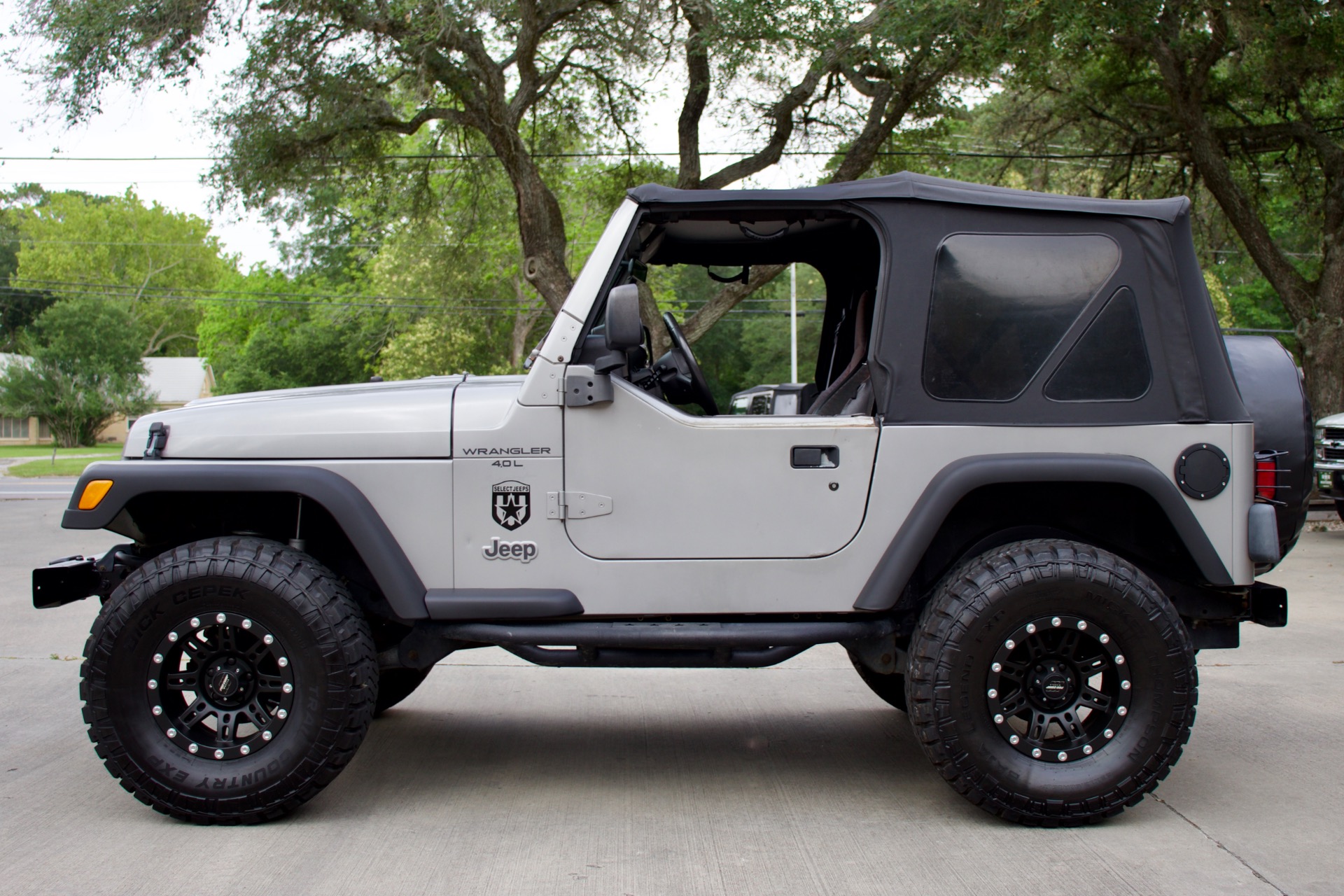
The 2000 Wrangler Sport typically came with two engine options:
- 2.5L Inline-4: A reliable, albeit less powerful, engine option, ideal for lighter-duty use and fuel economy.
- 4.0L Inline-6: The more popular and powerful choice, providing ample torque for off-roading and everyday driving.

Here are some key engine parts to consider:
-
Filters (Oil, Air, Fuel): Regular replacement of these filters is essential for engine health.
- Oil Filter: Choose a high-quality filter to remove contaminants and prolong engine life. Brands like Mopar, K&N, and Wix are reputable options.
- Air Filter: A clean air filter ensures proper airflow to the engine, improving performance and fuel economy. Consider a reusable air filter for long-term cost savings.
- Fuel Filter: Replacing the fuel filter prevents contaminants from reaching the fuel injectors, maintaining engine performance and preventing potential damage.
-
Spark Plugs and Wires: Replacing these components ensures optimal ignition and fuel combustion.
- Spark Plugs: Use spark plugs specifically designed for your engine type. Consult your owner's manual or a reliable parts website for the correct specifications.
- Spark Plug Wires: Upgrade to high-performance spark plug wires to improve ignition efficiency and reduce misfires.
-
Cooling System Components: Preventing overheating is crucial for engine longevity.
- Radiator: Check for leaks and corrosion. Consider upgrading to an aluminum radiator for improved cooling performance, especially if you frequently tow or off-road.
- Water Pump: Replace the water pump if you notice leaks, overheating, or unusual noises.
- Thermostat: Ensure the thermostat is functioning correctly to maintain optimal engine temperature.
-
Belts and Hoses: Inspect belts and hoses for cracks, wear, and leaks. Replace them proactively to prevent breakdowns.

Drivetrain Components: Transferring Power to the Ground
The drivetrain is responsible for transferring power from the engine to the wheels. Key components include:
-
Transmission: The 2000 Wrangler Sport came with either a manual or automatic transmission.
- Clutch Kit (Manual Transmission): Replace the clutch kit if you experience slippage, difficulty shifting, or a chattering noise.
- Transmission Fluid (Automatic Transmission): Regular fluid changes are essential for maintaining smooth shifting and preventing transmission damage.
-
Transfer Case: The transfer case allows you to switch between 2WD and 4WD.
- Transfer Case Fluid: Regularly check and change the transfer case fluid to ensure proper lubrication.
-
Driveshafts: Driveshafts connect the transmission and transfer case to the axles.
- U-Joints: Inspect U-joints for play and replace them if necessary to prevent vibrations and potential driveshaft failure.
-
Axles: The axles transfer power from the differentials to the wheels.
- Axle Seals: Check for leaks and replace axle seals if necessary to prevent gear oil loss.
- Differential Fluid: Regular differential fluid changes are essential for maintaining proper lubrication and preventing wear.
Suspension and Steering Components: Ensuring a Smooth and Controlled Ride
The suspension and steering systems are crucial for ride quality, handling, and off-road capability.
- Shocks: Replace worn shocks to improve ride quality and handling. Consider upgrading to performance shocks for improved off-road performance. Brands like Bilstein, Fox, and Rancho are popular choices.
- Springs: Worn springs can cause sagging and a rough ride. Consider replacing them with new springs or upgrading to a lift kit for increased ground clearance.
- Steering Components:
- Steering Stabilizer: A steering stabilizer dampens vibrations and improves steering control, especially on rough terrain.
- Tie Rods and Drag Link: Inspect tie rods and the drag link for play and replace them if necessary to maintain proper steering alignment and prevent wandering.
- Ball Joints: Check ball joints for play and replace them if necessary to maintain proper steering and suspension geometry.
Body and Exterior Components: Protecting and Enhancing Your Jeep's Appearance
The body and exterior components protect the vehicle and contribute to its overall aesthetic.
- Bumpers: Consider upgrading to aftermarket bumpers for increased protection and a more aggressive look.
- Fenders: Aftermarket fenders can provide increased tire clearance and a more rugged appearance.
- Soft Top/Hard Top: Maintain your soft top or hard top to protect yourself from the elements. Repair or replace damaged sections as needed.
- Lights: Upgrade to LED headlights, taillights, and fog lights for improved visibility and a modern look.
- Mirrors: Replace damaged mirrors to ensure safe driving.
Brake System Components: Ensuring Safe Stopping Power
The brake system is critical for safety.
- Brake Pads and Rotors: Replace brake pads and rotors when they are worn to maintain optimal stopping power.
- Brake Lines: Inspect brake lines for leaks and replace them if necessary.
- Brake Calipers: Rebuild or replace brake calipers if they are leaking or sticking.
- Brake Fluid: Regularly flush and replace brake fluid to maintain its effectiveness.
Interior Components: Comfort and Functionality
- Seats: Replace worn or damaged seats for improved comfort.
- Floor Mats: Protect your interior with durable floor mats.
- Stereo System: Upgrade your stereo system for improved sound quality.
Table Price 2000 Jeep Wrangler Sport Parts
| Part Category | Part Description | Estimated Price Range | Notes |
|---|---|---|---|
| Engine | Oil Filter | $5 - $20 | Brand dependent, synthetic media more expensive. |
| Air Filter | $10 - $30 | Paper vs. reusable options. | |
| Spark Plugs (Set of 6) | $20 - $60 | Depends on material (copper, platinum, iridium). | |
| Radiator | $150 - $400 | Aluminum vs. copper/brass, brand and capacity. | |
| Drivetrain | Clutch Kit (Manual) | $150 - $500 | Quality and brand vary greatly. |
| Transfer Case Fluid | $10 - $25/quart | Synthetic vs. conventional, specific to transfer case model. | |
| U-Joint | $15 - $50 | Grade and brand matter for durability. | |
| Suspension | Shocks (Set of 4) | $100 - $600 | Range depends on type: standard, performance, adjustable. |
| Lift Kit (2-3 inch) | $300 - $1500 | Includes springs, shocks, and possibly other components. | |
| Steering Stabilizer | $50 - $150 | Standard vs. heavy-duty. | |
| Body & Exterior | Front Bumper | $150 - $800+ | Steel, tube, or plastic; features like winch mounts increase price. |
| LED Headlights (Pair) | $80 - $300+ | Quality and brightness vary significantly. | |
| Brakes | Brake Pads (Front Set) | $20 - $80 | Ceramic vs. semi-metallic, brand and performance. |
| Brake Rotors (Front Pair) | $50 - $200 | Solid vs. drilled/slotted. | |
| Interior | Floor Mats (Set) | $30 - $100 | Rubber, carpet, custom fit. |
| Seat Covers (Pair) | $50 - $200+ | Material and custom fit impact price. |
Important Considerations:
- VIN (Vehicle Identification Number): Use your VIN to ensure you are ordering the correct parts for your specific Jeep configuration.
- Quality: Opt for reputable brands and high-quality parts to ensure durability and reliability.
- Installation: If you are not comfortable performing repairs yourself, seek professional installation.
- Online Resources: Utilize online forums, parts websites, and YouTube tutorials for guidance and support.
Tips for Finding the Right Parts:
- Check Online Retailers: Sites like Quadratec, Morris 4x4 Center, and Amazon offer a wide selection of Jeep parts.
- Visit Local Auto Parts Stores: Local stores often have knowledgeable staff who can help you find the right parts.
- Join Jeep Forums and Clubs: Connect with other Jeep owners to get recommendations and advice on parts and repairs.
- Consider Used Parts: For some components, used parts can be a cost-effective option. However, inspect them carefully for wear and damage.
Potential Challenges and Solutions:
- Finding Obsolete Parts: Some parts for older vehicles may be difficult to find. Contact specialized Jeep parts suppliers or explore online forums for assistance.
- Incorrect Parts: Always double-check part numbers and specifications before ordering to avoid receiving the wrong parts.
- Installation Difficulties: Some repairs can be challenging. Consult a professional mechanic if you are not comfortable performing the work yourself.
Frequently Asked Questions (FAQ)
-
Q: Where can I find the part number for my 2000 Wrangler Sport?
- A: Part numbers are often located on the original part itself. You can also find them in your owner's manual or by searching online using your VIN.
-
Q: How often should I change the oil in my 2000 Wrangler Sport?
- A: Typically, every 3,000-5,000 miles, depending on your driving conditions and the type of oil you use.
-
Q: What type of oil should I use in my 2000 Wrangler Sport?
- A: Consult your owner's manual for the recommended oil type and viscosity.
-
Q: Can I lift my 2000 Wrangler Sport myself?
- A: Lifting your Jeep is a complex process. If you have mechanical experience and the proper tools, you may be able to do it yourself. However, professional installation is recommended for safety and proper alignment.
-
Q: How can I improve the fuel economy of my 2000 Wrangler Sport?
- A: Regular maintenance, proper tire inflation, and avoiding aggressive driving can help improve fuel economy.
Conclusion: Keeping the Jeep Spirit Alive
The 2000 Jeep Wrangler Sport remains a beloved vehicle for its ruggedness, simplicity, and off-road capability. By understanding the specific parts required for maintenance, repair, and upgrades, you can keep your Jeep running strong and looking its best for years to come. Whether you're a seasoned off-roader or a weekend adventurer, investing in quality parts and proper maintenance will ensure your 2000 Wrangler Sport continues to embody the spirit of freedom and adventure that defines the Jeep brand. So, get out there, explore, and keep the Jeep spirit alive!

0 comments