The 2006 Jeep Liberty KJ is a rugged, capable, and iconic SUV that holds a special place in the hearts of off-road enthusiasts and daily drivers alike. Its boxy design, solid construction, and dependable performance have made it a popular choice for years. However, time and the elements can take their toll, leading to the need for body part replacements. This comprehensive guide delves into the world of 2006 Jeep Liberty body parts, providing you with everything you need to know to keep your KJ looking and performing its best. We'll cover everything from identifying common issues to sourcing the right parts, ensuring you can maintain or even restore your beloved Liberty with confidence.
Why Body Parts Matter for Your 2006 Jeep Liberty
Reviving a Legend: A Comprehensive Guide to 2006 Jeep Liberty Body Parts
The body of your 2006 Jeep Liberty is more than just aesthetics; it's crucial for safety, structural integrity, and overall vehicle value. Damage to body panels can compromise the vehicle's ability to withstand impacts, leading to increased risk of injury in an accident. Rust and corrosion, common enemies of older vehicles, can weaken the metal, potentially affecting the handling and safety of your Liberty. Furthermore, a well-maintained exterior boosts the vehicle's resale value and reflects pride of ownership. Addressing body damage promptly and using quality replacement parts is an investment in your Liberty's longevity and performance.
Common Body Issues and Parts Needing Replacement
The 2006 Jeep Liberty, like any vehicle of its age, is susceptible to certain common body issues. Understanding these issues can help you identify potential problems early on and take preventative measures.
- Rust: A prevalent issue, particularly in areas with harsh winters and road salt. Common rust spots include:
- Rocker panels
- Fender wells
- Lower door panels
- Frame rails (though technically not "body," frame rust significantly impacts structural integrity)

- Dents and Scratches: Resulting from accidents, off-road adventures, or simple wear and tear.
- Damaged Bumpers: Often cracked or broken in collisions, affecting both aesthetics and safety.
- Faded or Damaged Paint: Exposure to the sun and elements can lead to fading, chipping, and peeling paint.
- Cracked or Broken Mirrors: Vulnerable to damage from impacts or vandalism.
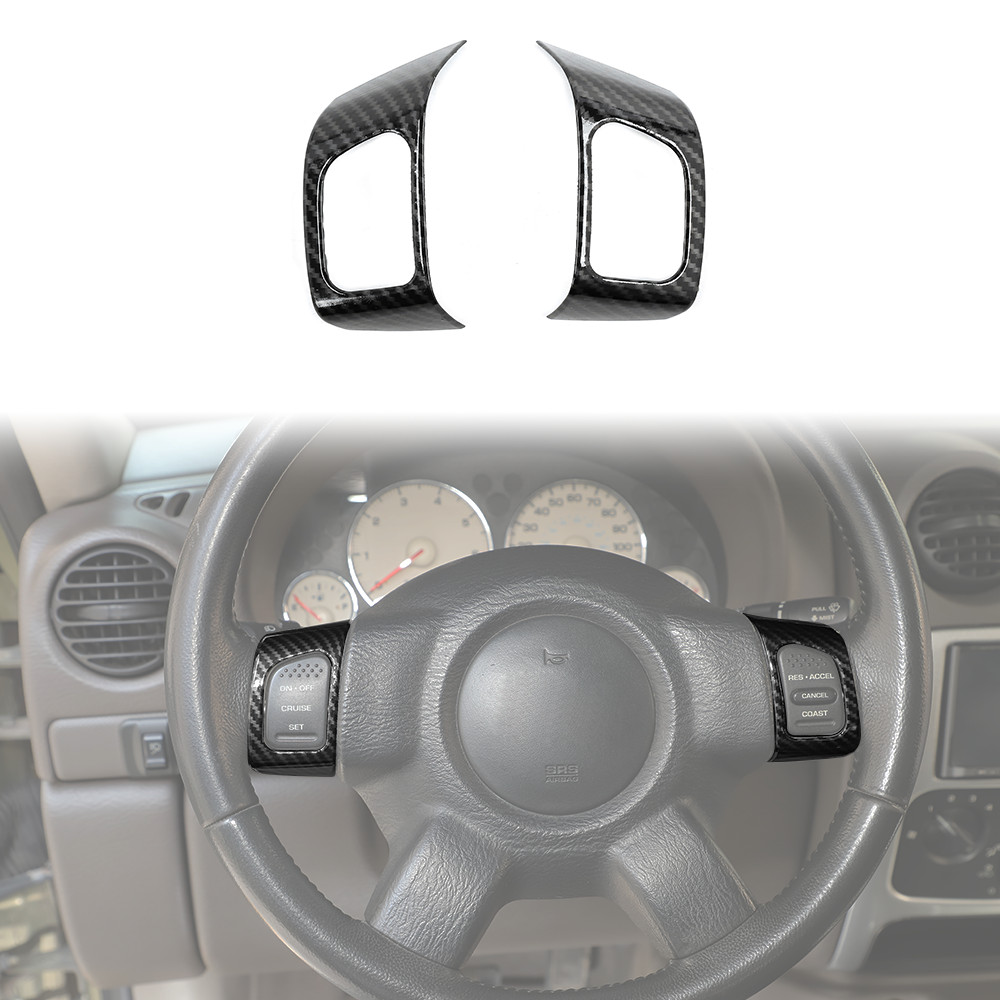
Consequently, the following body parts are frequently replaced on 2006 Jeep Liberties:
- Fenders: Front and rear fenders are susceptible to rust and collision damage.
- Hood: Can be damaged in accidents or by flying debris.
- Doors: Vulnerable to dents, rust, and damage to hinges and latches.
- Bumpers: Front and rear bumpers often need replacement after collisions.
- Rocker Panels: A prime location for rust, often requiring complete replacement.
- Tailgate: Susceptible to dents, rust, and damage to the liftgate mechanism.
- Mirrors: Side view mirrors are frequently broken or damaged.
- Grille: While often cosmetic, a damaged grille can affect airflow to the radiator.
- Headlights and Taillights: While technically lights, they are often considered body parts and are replaced due to damage or fading.

Sourcing 2006 Jeep Liberty Body Parts: A Buyer's Guide
Finding the right body parts for your 2006 Jeep Liberty requires careful consideration. You have several options, each with its own advantages and disadvantages:
- OEM (Original Equipment Manufacturer) Parts: These are parts manufactured by or for Jeep.
- Pros: Guaranteed fit, quality, and performance. Maintain the original look and value of your vehicle.
- Cons: Typically the most expensive option. Can be harder to find for older vehicles.
- Aftermarket Parts: Manufactured by companies other than Jeep.
- Pros: Generally more affordable than OEM parts. Wide variety of brands and styles available.
- Cons: Quality can vary significantly between manufacturers. Fit may not be perfect.
- Used Parts: Sourced from salvage yards or online marketplaces.
- Pros: The most cost-effective option. Can be a good source for hard-to-find parts.
- Cons: Condition can be unpredictable. May require cleaning, repair, or repainting.
Tips for Choosing the Right Parts:
- Check Part Numbers: Ensure the part number matches the one specified for your 2006 Jeep Liberty.
- Read Reviews: Research different brands and suppliers to get an idea of their quality and reliability.
- Consider the Source: Purchase from reputable vendors with good return policies.
- Inspect Used Parts Carefully: Look for signs of damage, rust, or wear.
- Factor in Paint Matching: If replacing a painted part, ensure the new part is the correct color or plan for repainting.
DIY vs. Professional Installation: Know Your Limits
Replacing some body parts, like mirrors or headlights, is a relatively straightforward DIY project. However, more complex tasks, such as replacing fenders, doors, or rocker panels, often require specialized tools, welding skills, and a thorough understanding of automotive repair.
- DIY Considerations:
- Do you have the necessary tools and equipment?
- Do you have the experience and knowledge to perform the repair safely and correctly?
- Are you comfortable working on your vehicle?
- Professional Installation Considerations:
- Get quotes from multiple body shops.
- Check the shop's reputation and reviews.
- Ensure the shop uses quality parts and offers a warranty on their work.
Step-by-Step Guide: Replacing a 2006 Jeep Liberty Fender (Simplified)
This is a simplified overview. Always consult a detailed repair manual or professional guidance.
- Disconnect the Battery: Safety first!
- Remove the Wheel: For easier access.
- Remove Inner Fender Liner: Held in place by clips and screws.
- Disconnect Wiring: Disconnect any wiring harnesses connected to the fender (e.g., side marker lights).
- Remove Bolts: Locate and remove all bolts securing the fender to the body.
- Carefully Remove the Fender: May require some gentle persuasion.
- Prepare the New Fender: Check for fitment and pre-drill any necessary holes.
- Install the New Fender: Align the fender and secure it with the bolts.
- Reconnect Wiring: Reconnect all wiring harnesses.
- Reinstall Inner Fender Liner: Secure it with clips and screws.
- Reinstall the Wheel: Torque the lug nuts to the correct specification.
- Reconnect the Battery: Final step.
Important Considerations and Potential Challenges:
- Rust Repair: Addressing rust properly requires cutting out the affected metal, welding in new metal, and applying rust-resistant coatings.
- Paint Matching: Achieving a perfect paint match can be challenging, especially for older vehicles.
- Panel Alignment: Ensuring proper panel alignment is crucial for both aesthetics and functionality.
- Hidden Damage: Removing body panels may reveal hidden damage that needs to be addressed.
- Safety: Always wear appropriate safety gear, including gloves, eye protection, and a respirator.
Maintaining Your 2006 Jeep Liberty's Body:
- Regular Washing and Waxing: Protects the paint from the elements.
- Touch-Up Paint: Repairing small scratches and chips promptly prevents rust.
- Rust Prevention: Applying rust inhibitors to vulnerable areas can extend the life of your body panels.
- Prompt Repair of Damage: Addressing dents and scratches quickly prevents them from worsening.
- Undercoating: Applying an undercoating can protect the undercarriage from rust and corrosion.
Price Table for 2006 Jeep Liberty Body Parts
| Part Description | Condition | OEM/Aftermarket | Estimated Price Range | Notes |
|---|---|---|---|---|
| Front Fender (Driver) | New | OEM | $250 - $400 | Price varies depending on paint color and supplier. |
| Front Fender (Driver) | New | Aftermarket | $150 - $250 | Quality varies; read reviews carefully. |
| Front Fender (Driver) | Used | OEM | $75 - $150 | Inspect for rust and damage. |
| Rear Fender Flare (Pair) | New | Aftermarket | $80 - $150 | Typically sold as a pair. |
| Hood | New | OEM | $300 - $500 | Price depends on paint color. |
| Hood | New | Aftermarket | $200 - $350 | Ensure proper fitment. |
| Hood | Used | OEM | $100 - $200 | Check for dents and rust. |
| Front Bumper Cover | New | Aftermarket | $100 - $200 | Unpainted; requires painting. |
| Front Bumper Assembly | New | Aftermarket | $250 - $400 | Includes cover, reinforcement, and mounting brackets. |
| Rear Bumper Cover | New | Aftermarket | $100 - $200 | Unpainted; requires painting. |
| Rocker Panel (Pair) | New | Aftermarket | $150 - $300 | Requires welding; professional installation recommended. |
| Door Shell (Front) | New | Aftermarket | $250 - $400 | Bare shell; requires hardware and interior trim transfer. |
| Side Mirror (Driver) | New | Aftermarket | $50 - $100 | Power or manual; heated or non-heated. |
| Tailgate | Used | OEM | $150 - $300 | Check for rust and damage to the liftgate mechanism. |
| Grille | New | Aftermarket | $50 - $100 | Chrome or black finish options. |
Note: Prices are estimates and can vary depending on the supplier, location, and specific part features. Shipping costs are not included.
Frequently Asked Questions (FAQ)
-
Q: Where can I find the paint code for my 2006 Jeep Liberty?
- A: The paint code is usually located on a sticker on the driver's side door jamb.
-
Q: Can I use body parts from other Jeep Liberty models on my 2006 KJ?
- A: While some parts may be interchangeable, it's essential to verify compatibility before purchasing. Consult a parts catalog or a mechanic.
-
Q: How can I prevent rust on my 2006 Jeep Liberty?
- A: Regular washing, waxing, rust inhibitors, and undercoating can help prevent rust.
-
Q: Should I use OEM or aftermarket body parts?
- A: It depends on your budget and priorities. OEM parts offer guaranteed fit and quality, while aftermarket parts are generally more affordable.
-
Q: How do I know if a used body part is in good condition?
- A: Inspect the part carefully for signs of damage, rust, or wear. Ask the seller about the part's history and offer a return policy.
Conclusion
Maintaining the body of your 2006 Jeep Liberty is an essential aspect of preserving its value, safety, and appearance. By understanding common body issues, knowing where to source quality replacement parts, and taking preventative measures against rust and damage, you can keep your KJ looking and performing its best for years to come. Whether you're a seasoned mechanic or a DIY enthusiast, this guide provides the information you need to tackle body repairs with confidence. Remember to prioritize safety, research thoroughly, and don't hesitate to seek professional help when needed. With a little care and attention, your 2006 Jeep Liberty will continue to be a reliable and enjoyable vehicle for many adventures to come.
0 comments