The 1989 Jeep Cherokee. A boxy, rugged icon that defined a generation of off-roading and family adventures. Its robust build, dependable 4.0L inline-six engine, and surprisingly comfortable interior made it a favorite for both weekend warriors and daily drivers. However, like any vehicle of its age, maintaining a 1989 Cherokee requires a diligent approach to parts replacement and restoration. This guide dives deep into the world of 1989 Jeep Cherokee parts, providing you with the knowledge and resources to keep your classic XJ running smoothly for years to come.
This article will cover everything from essential replacement parts to performance upgrades, guiding you through the process of sourcing, selecting, and installing the components needed to keep your '89 Cherokee a true head-turner and a reliable performer. Let's get started!
Reviving a Legend: A Comprehensive Guide to 1989 Jeep Cherokee Parts
I. Understanding the Importance of Genuine and Quality Aftermarket Parts
The age of your 1989 Cherokee necessitates a careful approach to parts selection. While bargain-basement prices might seem tempting, opting for inferior parts can lead to a cascade of problems down the road. Here's why choosing genuine or high-quality aftermarket parts is crucial:
- Durability and Longevity: Genuine or reputable aftermarket parts are built to withstand the rigors of on- and off-road use. They are crafted from quality materials and engineered to meet or exceed the original specifications, ensuring a longer lifespan and reducing the need for frequent replacements.
- Performance and Reliability: Using the correct parts ensures that your Cherokee performs as intended. Incorrect or poorly made components can negatively impact fuel efficiency, engine performance, handling, and overall reliability.
- Safety: Certain parts, such as brakes, steering components, and suspension elements, directly impact your safety and the safety of others. Compromising on these parts can have severe consequences.
- Preserving Value: Maintaining your Cherokee with quality parts helps preserve its value, especially if you plan to sell it in the future. A well-maintained classic is always more desirable.
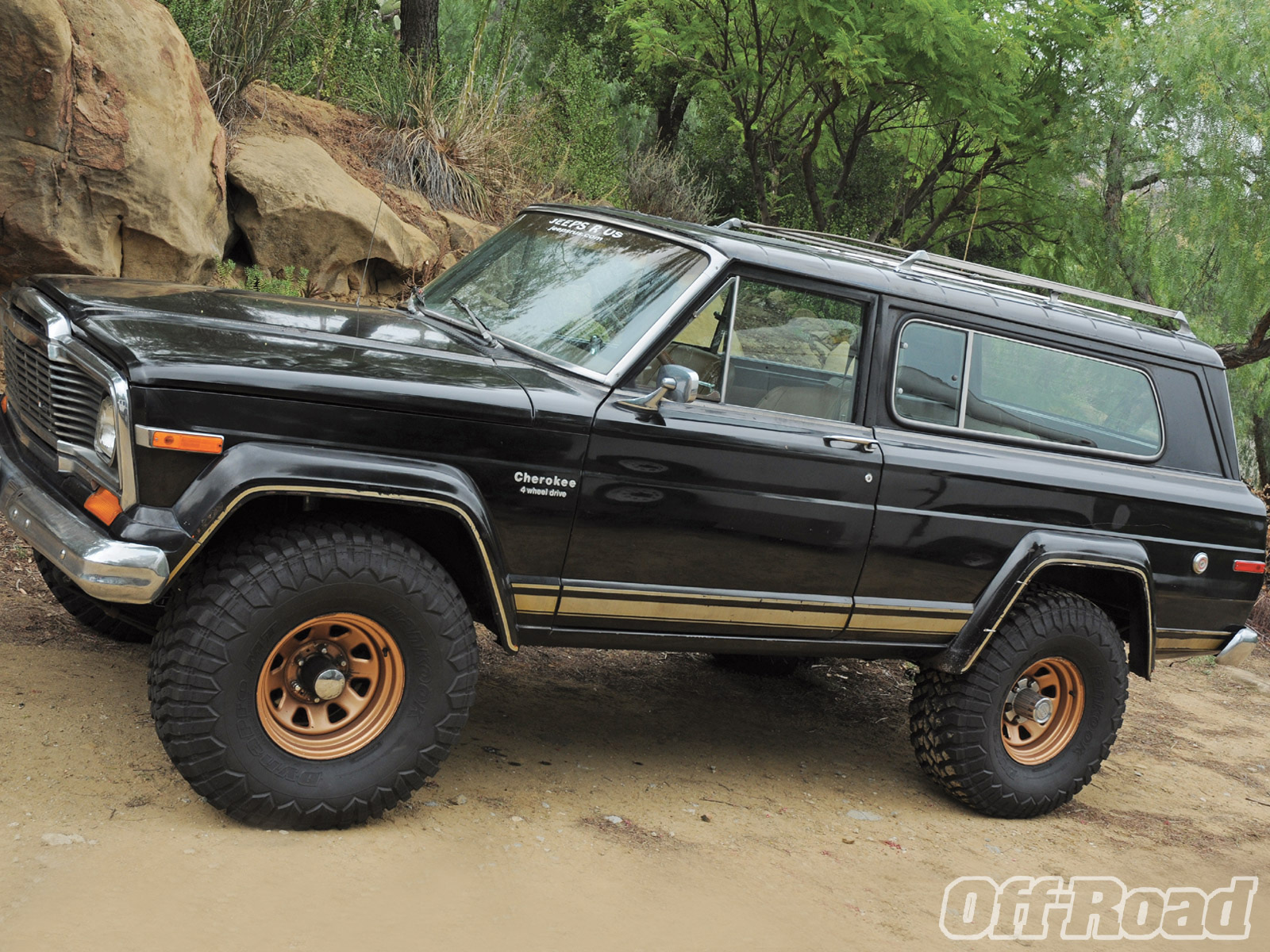
II. Essential Replacement Parts: Keeping Your Cherokee on the Road
Over three decades, wear and tear will inevitably take its toll. Here's a list of essential replacement parts you'll likely need to address at some point:
- Engine Components:
- Filters (Oil, Air, Fuel): Regular replacement is vital for engine health.
- Spark Plugs and Wires: Ensure proper ignition and fuel efficiency.
- Water Pump: Prevents overheating and engine damage.
- Thermostat: Regulates engine temperature.
- Belts and Hoses: Inspect for cracks and wear; replace as needed.
- Radiator: Maintain proper cooling.
- Distributor Cap and Rotor: Essential for ignition timing.
- Fuel Injectors: Ensure proper fuel delivery.


- Brake System:
- Brake Pads/Shoes: Replace when worn to maintain stopping power.
- Brake Rotors/Drums: Inspect for wear and warping; replace as needed.
- Brake Calipers/Wheel Cylinders: Ensure proper function and prevent leaks.
- Brake Hoses: Replace if cracked or damaged.
- Master Cylinder: Provides hydraulic pressure to the brake system.
- Suspension and Steering:
- Shocks and Struts: Improve ride quality and handling.
- Leaf Springs and Coil Springs: Replace if sagging or broken.
- Ball Joints: Ensure proper steering and handling.
- Tie Rod Ends: Critical for steering accuracy.
- Steering Gear Box: Provides power steering assistance.
- Drivetrain:
- Clutch Kit (Manual Transmissions): Replace when slipping or worn.
- Transmission Fluid and Filter: Maintain proper transmission function.
- Differential Fluid: Lubricates gears and prevents wear.
- U-Joints: Connect the driveshaft to the axles.
- Electrical System:
- Battery: Provides power to start the engine and run accessories.
- Alternator: Charges the battery and powers electrical components.
- Starter: Cranks the engine to start.
- Fuses and Relays: Protect electrical circuits.
- Headlights, Taillights, and Turn Signals: Ensure visibility and safety.
III. Sourcing 1989 Jeep Cherokee Parts: Where to Look
Finding the right parts for your '89 Cherokee requires a strategic approach. Here are some avenues to explore:
- Local Auto Parts Stores: Many auto parts stores still carry parts for older vehicles. Check with them first, as they may be able to order specific components if they don't have them in stock.
- Online Retailers: Websites like Quadratec, Morris 4x4 Center, Summit Racing, and Amazon offer a wide selection of Jeep parts, including those for the 1989 Cherokee. Be sure to read reviews and compare prices before making a purchase.
- Jeep Forums and Online Communities: Online forums and communities dedicated to Jeep Cherokees are excellent resources for finding used parts, advice, and recommendations from other owners.
- Salvage Yards/Junkyards: Salvage yards can be a goldmine for finding used parts at a fraction of the cost of new ones. Be prepared to do some searching and cleaning, but you can often find valuable components in good condition.
- Specialty Jeep Parts Suppliers: Companies specializing in Jeep parts often carry hard-to-find or discontinued items.
IV. Performance Upgrades: Enhancing Your Cherokee's Capabilities
Beyond essential repairs, you might want to consider performance upgrades to enhance your Cherokee's capabilities. Here are a few popular options:
- Lift Kits: Increase ground clearance for off-roading. Choose a lift kit that suits your needs and driving style.
- Larger Tires: Improve traction and off-road performance. Be mindful of tire size limitations and potential modifications required.
- Exhaust Systems: Enhance engine performance and sound.
- Cold Air Intakes: Improve airflow to the engine for increased horsepower.
- Performance Chips/Tuners: Optimize engine performance and fuel efficiency.
- Off-Road Bumpers and Winches: Add protection and recovery capabilities for off-road adventures.
V. Common Challenges and Solutions When Working on a 1989 Cherokee
Working on a vehicle of this age presents unique challenges. Here are some common issues and potential solutions:
- Rust: Rust is a common problem on older Cherokees. Address rust issues promptly to prevent further damage. Consider using rust converters, patching panels, or replacing entire sections.
- Frozen or Seized Bolts: Years of exposure to the elements can cause bolts to seize. Use penetrating oil and heat (with caution) to loosen them. If necessary, cut them off and replace them.
- Wiring Issues: Older wiring can become brittle and corroded. Inspect wiring harnesses for damage and repair or replace as needed.
- Obsolete Parts: Some parts may be difficult to find or have been discontinued. Explore alternative parts, aftermarket solutions, or used parts sources.
- Lack of Documentation: Original repair manuals and service information can be scarce. Search online for digital copies or consider purchasing a Haynes or Chilton manual.
VI. Practical Tips for Maintaining Your 1989 Cherokee
- Regular Maintenance: Adhere to a regular maintenance schedule to prevent problems before they arise.
- Visual Inspections: Regularly inspect your Cherokee for signs of wear, leaks, and damage.
- Proper Lubrication: Use the correct fluids and lubricants for all components.
- Address Issues Promptly: Don't ignore small problems; they can quickly escalate into larger, more expensive repairs.
- Keep a Record of Repairs: Maintain a log of all repairs and maintenance performed on your Cherokee.
VII. 1989 Jeep Cherokee Parts Price Guide
| Part Category | Part Description | Estimated Price Range (USD) | Notes |
|---|---|---|---|
| Engine | Oil Filter | $5 - $15 | Varies by brand and quality. |
| Air Filter | $10 - $25 | Paper or high-performance options available. | |
| Spark Plugs (Set of 6) | $20 - $60 | Copper, platinum, or iridium options. | |
| Water Pump | $40 - $100 | New or remanufactured options. | |
| Thermostat | $10 - $30 | Ensure correct temperature rating. | |
| Radiator | $100 - $300 | Aluminum or copper/brass options. | |
| Brakes | Front Brake Pads (Pair) | $20 - $50 | Ceramic or semi-metallic options. |
| Front Brake Rotors (Pair) | $60 - $150 | Solid or vented options. | |
| Rear Brake Shoes (Set) | $20 - $40 | ||
| Rear Brake Drums (Pair) | $50 - $120 | ||
| Brake Master Cylinder | $50 - $120 | ||
| Suspension | Front Shocks (Pair) | $40 - $100 | Gas-charged or hydraulic options. |
| Rear Shocks (Pair) | $40 - $100 | Gas-charged or hydraulic options. | |
| Leaf Springs (Each) | $80 - $200 | Standard or heavy-duty options. | |
| Ball Joints (Each) | $20 - $60 | Upper and lower ball joints. | |
| Electrical | Battery | $80 - $200 | Cold Cranking Amps (CCA) rating important. |
| Alternator | $80 - $200 | New or remanufactured options. | |
| Starter | $60 - $150 | New or remanufactured options. | |
| Drivetrain | Clutch Kit (Manual) | $150 - $300 | Includes clutch disc, pressure plate, and throwout bearing. |
| Transmission Filter Kit (Automatic) | $20 - $50 | Includes filter and gasket. | |
| Body | Replacement Fender | $80 - $250 | Aftermarket or used options. |
| Replacement Door | $100 - $400 | Used options, condition varies greatly. |
Note: These prices are estimates and can vary depending on the brand, supplier, and location. Labor costs are not included. It's always best to get quotes from multiple sources before making a purchase.
VIII. Frequently Asked Questions (FAQ)
-
Q: Where can I find a reliable wiring diagram for my 1989 Cherokee?
- A: Haynes or Chilton repair manuals often include wiring diagrams. You can also find them online through Jeep forums and enthusiast websites.
-
Q: What type of oil should I use in my 1989 Cherokee's 4.0L engine?
- A: A 10W-30 or 10W-40 motor oil is generally recommended. Consider using a high-mileage oil if your engine has over 100,000 miles.
-
Q: How often should I change the transmission fluid in my 1989 Cherokee?
- A: It's generally recommended to change the transmission fluid every 30,000 to 50,000 miles, depending on driving conditions.
-
Q: My 1989 Cherokee's check engine light is on. What should I do?
- A: Have the diagnostic codes read by a mechanic or use an OBD-I scanner. This will help identify the problem and guide you to the appropriate repairs.
-
Q: Are there any common modifications I should avoid on my 1989 Cherokee?
- A: Avoid modifications that could compromise safety or reliability, such as poorly designed lift kits or cheap electrical components. Research any modifications thoroughly before implementing them.
IX. Conclusion: Keeping the Legend Alive
Maintaining a 1989 Jeep Cherokee is a labor of love. It requires patience, dedication, and a willingness to learn. By understanding the importance of quality parts, sourcing them strategically, and addressing common challenges proactively, you can keep your classic XJ running strong and looking great for many years to come. Embrace the challenge, enjoy the journey, and keep the legend alive! The 1989 Jeep Cherokee is more than just a vehicle; it's a symbol of adventure, resilience, and enduring style.

0 comments