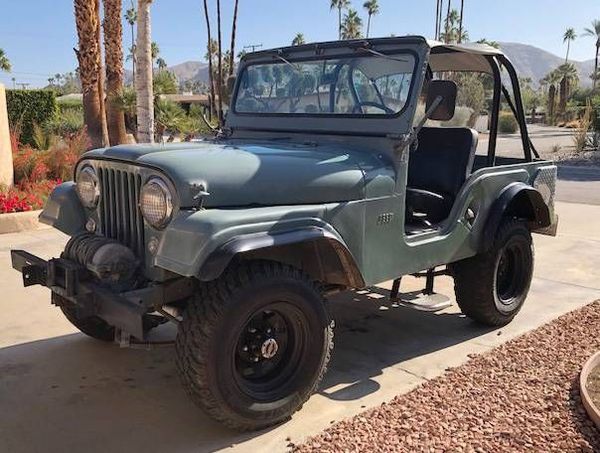
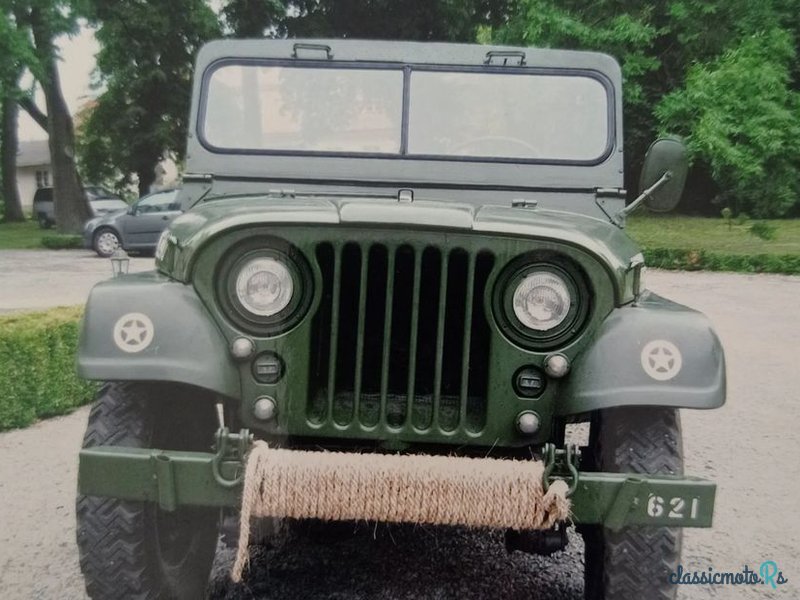
The 1957 Willys Jeep CJ-5 is an icon, a symbol of rugged American ingenuity and off-road capability. Owning one is more than just having a vehicle; it's preserving a piece of history. But time and the elements take their toll, and keeping a 1957 Willys Jeep on the road, or trail, requires sourcing and understanding its unique parts. This guide is your comprehensive resource for navigating the world of 1957 Willys Jeep parts, from identifying essential components to overcoming common restoration challenges.
Why Focus on 1957 Willys Jeep Parts?
Reviving a Legend: A Comprehensive Guide to 1957 Willys Jeep Parts
The 1957 model year is significant for several reasons. It represents a transition period for the CJ-5, incorporating improvements over earlier models while still retaining the classic Willys Jeep aesthetic. While interchangeability exists with some parts from other years, understanding the specific requirements of the 1957 model is crucial for a successful restoration or repair. Using the correct parts ensures proper fit, function, and maintains the vehicle's historical accuracy and value. Furthermore, sourcing parts for a vehicle of this age often requires specialized knowledge and strategies, which this guide aims to provide.
Section 1: The Engine and Drivetrain: Heart of the Beast
The engine is arguably the most critical component of any vehicle, and the 1957 Willys Jeep offered a few options. The most common was the Hurricane F-Head 134 cubic inch inline-four engine. This engine, known for its reliability and low-end torque, is a workhorse. However, finding original parts can be challenging.
-
Engine Components:
- Cylinder Head: Finding a rebuildable original cylinder head is key. Look for cracks and damage around the valve seats. Replacement heads are available, but they may not match the original casting.
- Pistons and Rings: These are readily available as aftermarket replacements. Ensure you purchase the correct size and compression ratio for your engine.
- Carburetor: The original Carter YF carburetor is a critical part of the engine's performance. Rebuilding kits are available, or you can opt for a replacement carburetor, but be mindful of maintaining the original functionality.
- Water Pump and Radiator: Proper cooling is essential. Inspect the water pump for leaks and the radiator for clogs. Replacement parts are available, and upgrading to a more efficient radiator can be beneficial, especially for off-road use.
- Distributor and Ignition System: A well-functioning ignition system is vital for reliable starting and performance. Replacement distributors, coils, and spark plugs are readily available.

-
Drivetrain Components:
- Transmission: The 1957 Willys Jeep typically used a T-90 three-speed manual transmission. Rebuilding kits are available, but finding a skilled mechanic to rebuild it properly is crucial.
- Transfer Case: The Dana 18 transfer case is another robust component. Check for leaks and worn bearings. Rebuilding kits are also available for this component.
- Axles: The Dana 25 front axle and Dana 44 rear axle are known for their durability. Inspect the axles for damage and wear. Replacement axle shafts, bearings, and seals are available.
- Clutch: The clutch assembly is a wear item and will likely need replacement. Ensure you purchase the correct clutch disc, pressure plate, and throw-out bearing for your transmission.
Tips for Engine and Drivetrain Restoration:
- Thorough Inspection: Before ordering any parts, thoroughly inspect all engine and drivetrain components for wear, damage, and leaks.
- Source Quality Parts: Invest in high-quality replacement parts from reputable suppliers.
- Consult a Professional: If you are not experienced in engine and drivetrain repair, consult a qualified mechanic.
- Consider Upgrades: While maintaining originality is important, consider upgrades to improve performance and reliability, such as an electronic ignition system or a more efficient radiator.
Section 2: Body and Chassis: Preserving the Classic Look
The body and chassis are what define the 1957 Willys Jeep's iconic appearance. Restoring these components requires careful attention to detail.
-
Body Panels:
- Fenders: Fenders are prone to rust and damage. Replacement fenders are available, but they may require some modification to fit properly.
- Hood: The hood is another area susceptible to rust. Replacement hoods are available, but ensure they match the original style and dimensions.
- Windshield Frame: The windshield frame is a critical structural component. Inspect it for rust and damage. Replacement frames are available, but ensure they are compatible with your windshield.
- Body Tub: The body tub is the foundation of the Jeep. Inspect it for rust and damage, especially in the floorboards and rocker panels. Replacement tubs are available, but they can be expensive.
-
Chassis Components:
- Frame: The frame is the backbone of the Jeep. Inspect it for rust, cracks, and bends. Repairing a damaged frame is possible, but it requires specialized equipment and expertise.
- Springs: The leaf springs provide the suspension. They are prone to sagging and wear. Replacement springs are available, and upgrading to a slightly stiffer spring can improve handling.
- Shocks: The shocks control the suspension movement. They should be replaced regularly to maintain ride quality and handling.
- Brakes: The brakes are essential for safety. Inspect the brake lines, master cylinder, wheel cylinders, and brake shoes. Replacement parts are readily available.
Tips for Body and Chassis Restoration:
- Rust Removal: Thoroughly remove all rust from the body and chassis before applying any paint or coatings.
- Proper Preparation: Properly prepare the surfaces before painting to ensure a durable and long-lasting finish.
- Use Original Colors: Use the original paint colors to maintain the Jeep's historical accuracy.
- Consider Powder Coating: Powder coating is a durable and long-lasting finish for chassis components.
Section 3: Interior and Electrical: Restoring the Driving Experience
The interior and electrical systems contribute to the overall driving experience of the 1957 Willys Jeep.
-
Interior Components:
- Seats: The original seats were often made of canvas or vinyl. Replacement seat covers and foam are available to restore the seats to their original condition.
- Dashboard: The dashboard is relatively simple but can be prone to damage. Replacement dashboards are available, but they may require some modification to fit properly.
- Gauges: The gauges provide essential information about the engine's performance. Inspect the gauges for damage and functionality. Replacement gauges are available, but they may not match the original style.
- Steering Wheel: The steering wheel is a critical control component. Inspect it for damage and wear. Replacement steering wheels are available, but ensure they match the original style.
-
Electrical Components:
- Wiring Harness: The wiring harness is prone to damage and corrosion. Replacement wiring harnesses are available, and they are a worthwhile investment to ensure reliable electrical performance.
- Lights: The lights are essential for safety. Inspect the headlights, taillights, and turn signals. Replacement lights are readily available.
- Battery: The battery provides the electrical power for the Jeep. Ensure you purchase the correct battery size and type for your vehicle.
- Generator/Alternator: The generator (early models) or alternator (later models) charges the battery. Inspect it for damage and functionality. Replacement generators and alternators are available.
Tips for Interior and Electrical Restoration:
- Use a Wiring Diagram: Use a wiring diagram to ensure that all electrical components are connected correctly.
- Replace Worn Wiring: Replace any worn or damaged wiring to prevent electrical problems.
- Consider LED Lighting: Consider upgrading to LED lighting for improved brightness and energy efficiency.
- Test All Components: Test all electrical components before installing them to ensure they are functioning properly.
Section 4: Sourcing 1957 Willys Jeep Parts
Finding parts for a 1957 Willys Jeep requires a combination of research, patience, and resourcefulness.
- Online Retailers: Several online retailers specialize in Willys Jeep parts. These retailers offer a wide selection of parts, from original components to aftermarket replacements.
- Jeep Clubs and Forums: Jeep clubs and forums are valuable resources for finding parts and advice. Members often have parts for sale or can point you in the right direction.
- Salvage Yards: Salvage yards specializing in vintage vehicles can be a treasure trove of parts. However, be prepared to do some searching and cleaning.
- Local Mechanics: Local mechanics who specialize in vintage vehicles may have parts in stock or can help you source them.
- Auctions and Swap Meets: Auctions and swap meets are great places to find rare and hard-to-find parts.
Challenges and Solutions:
- Availability: Some parts are simply no longer available as original components.
- Solution: Consider using aftermarket replacements or fabricating your own parts.
- Cost: Original parts can be expensive.
- Solution: Shop around and compare prices from different suppliers. Consider using used parts in good condition.
- Fitment: Aftermarket parts may not always fit perfectly.
- Solution: Be prepared to do some modification to ensure proper fitment.
- Authenticity: Maintaining the Jeep's historical accuracy can be challenging when using replacement parts.
- Solution: Research the original specifications and try to find parts that match as closely as possible.
Section 5: Frequently Asked Questions (FAQ)
-
Q: Where can I find a reliable wiring diagram for my 1957 Willys Jeep?
- A: Online forums dedicated to Willys Jeeps often have scanned copies of original service manuals, which include wiring diagrams. You can also purchase reproduction service manuals from online retailers.
-
Q: What is the correct spark plug gap for the Hurricane engine?
- A: The correct spark plug gap for the Hurricane engine is typically 0.030 inches. However, always consult your service manual for the specific recommendation for your engine.
-
Q: Are there any common upgrades that improve the reliability of the 1957 Willys Jeep?
- A: Common upgrades include electronic ignition systems, which improve starting and performance, and more efficient radiators, which help prevent overheating.
-
Q: How can I identify the year of my Willys Jeep?
- A: The Vehicle Identification Number (VIN) can be used to identify the year of your Willys Jeep. The VIN is typically located on the driver's side frame rail or on a plate attached to the dashboard.
-
Q: What type of oil should I use in my 1957 Willys Jeep?
- A: A conventional 10W-30 or 10W-40 oil is typically recommended for the Hurricane engine. However, always consult your service manual for the specific recommendation for your engine.
Price Table for 1957 Willys Jeep Parts (Estimates)
| Part Category | Part Description | Estimated Price Range | Notes |
|---|---|---|---|
| Engine | Cylinder Head (Rebuilt) | $300 - $600 | Varies based on condition and rebuilder |
| Piston Set (4) | $150 - $300 | Standard size | |
| Carburetor (Rebuilt Carter YF) | $200 - $400 | ||
| Water Pump | $50 - $100 | ||
| Drivetrain | T-90 Transmission Rebuild Kit | $100 - $200 | Includes bearings, seals, and gaskets |
| Dana 18 Transfer Case Rebuild Kit | $80 - $150 | Includes bearings, seals, and gaskets | |
| Clutch Kit | $100 - $200 | Includes disc, pressure plate, and throw-out bearing | |
| Body & Chassis | Fender (Replacement) | $150 - $300 | Each |
| Hood (Replacement) | $200 - $400 | ||
| Leaf Spring (Each) | $80 - $150 | ||
| Brake Shoe Set (Front/Rear) | $50 - $100 | ||
| Interior & Electrical | Seat Cover Set | $150 - $300 | Varies based on material and style |
| Wiring Harness (Complete) | $200 - $400 | ||
| Headlight | $20 - $50 | Each | |
| Other | Tire (Military Style) | $100 - $200 | Each |
Disclaimer: These prices are estimates and can vary depending on the supplier, condition of the part, and availability. Always confirm pricing with the vendor before making a purchase.
Conclusion:
Restoring a 1957 Willys Jeep is a rewarding experience, a journey back in time to an era of simple, rugged, and reliable vehicles. By understanding the specific parts requirements of this model year and utilizing the resources available, you can successfully revive this iconic piece of American history. Remember to prioritize safety, research thoroughly, and don't hesitate to seek expert advice when needed. The satisfaction of bringing a classic Willys Jeep back to life is well worth the effort. So, get wrenching, and enjoy the ride!
0 comments