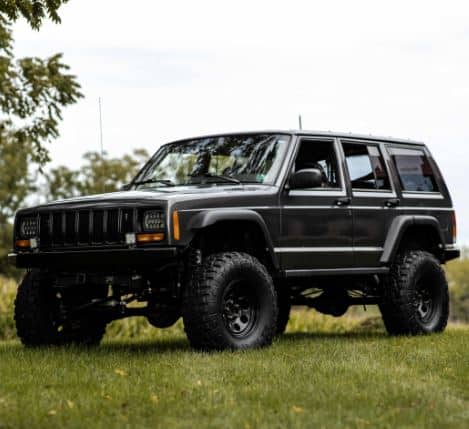
The Jeep Cherokee XJ. A boxy, rugged, and undeniably iconic SUV that continues to captivate off-road enthusiasts and daily drivers alike. The 1999 model year represents one of the last and arguably most refined iterations of this beloved platform. Whether you're restoring a classic, tackling challenging trails, or simply keeping your daily driver on the road, understanding the availability, compatibility, and best practices for 1999 Jeep Cherokee XJ parts is crucial. This guide will delve into the essential aspects of sourcing, selecting, and maintaining your XJ with the right components.
Why the 1999 Cherokee XJ Still Matters
Reviving the Legend: A Comprehensive Guide to 1999 Jeep Cherokee XJ Parts
The '99 XJ occupies a sweet spot in Cherokee history. It benefitted from years of refinements, offering a reliable 4.0L inline-six engine, a comfortable interior (by XJ standards), and that classic Jeep look that's hard to resist. Its simple, robust design also makes it relatively easy to work on, fueling its popularity among DIY mechanics and off-road builders. However, with age comes wear and tear. Finding the right parts is key to keeping these legendary machines alive and kicking.
Section 1: Engine and Drivetrain Parts
The heart of the '99 Cherokee XJ is its engine. The venerable 4.0L inline-six is known for its reliability and torque.
-
Key Components:
- Engine: Cylinder head, pistons, connecting rods, crankshaft, camshaft, oil pump, water pump, thermostat.
- Fuel System: Fuel pump, fuel injectors, fuel filter, fuel pressure regulator.
- Ignition System: Distributor (if applicable, later models used a distributorless system), spark plugs, ignition coil, ignition control module.
- Cooling System: Radiator, hoses, coolant reservoir, fan clutch.
- Exhaust System: Exhaust manifold, catalytic converter, muffler, tailpipe.
- Transmission: Automatic (AW4) or manual (AX15), torque converter (automatic), clutch (manual), transmission filter (automatic).
- Transfer Case: NP231 (part-time 4WD) or NP242 (full-time/part-time 4WD), chain, sprockets.
- Axles: Dana 30 (front), Dana 35 or Chrysler 8.25 (rear), axleshafts, differentials, bearings, seals.
Common Issues & Solutions:
- Oil Leaks: Often from valve cover gasket, oil pan gasket, or rear main seal. Replacing the gasket usually solves the problem.
- Overheating: Could be a faulty thermostat, clogged radiator, or failing water pump. Diagnose and replace the faulty component.
- Rough Idle/Poor Performance: Could be caused by vacuum leaks, faulty sensors (O2 sensor, MAP sensor), or clogged fuel injectors. Proper diagnosis and cleaning or replacement are key.
- Transmission Slippage (Automatic): Could be low fluid, a worn filter, or internal damage. Check fluid level and condition first. If the problem persists, professional diagnosis is recommended.
- Transfer Case Noise: Often indicates a worn chain or low fluid. Inspect and replace the chain or fluid as needed.
-
Performance Upgrades:
- Cold Air Intake: Improves airflow and can slightly increase horsepower.
- Performance Exhaust: Reduces backpressure and can enhance engine sound.
- Throttle Body Spacer: Claims of increased horsepower are often debated, but some users report improved throttle response.
- Engine Management Tuning: Can optimize fuel and ignition timing for improved performance and fuel economy.
Section 2: Suspension and Steering Parts
The XJ's solid axle suspension provides excellent off-road capability, but also requires maintenance.
-
Key Components:
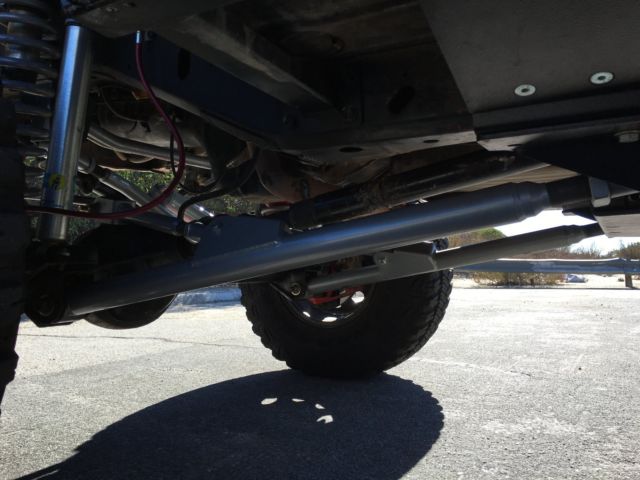
- Front Suspension: Coil springs, shocks, control arms (upper and lower), track bar, sway bar, sway bar links.
- Rear Suspension: Leaf springs, shocks, shackles, sway bar (if equipped), sway bar links (if equipped).
- Steering: Steering box, power steering pump, steering linkage (tie rod ends, drag link), steering stabilizer.
-
Common Issues & Solutions:
- Sagging Springs: Replace worn springs with new stock or aftermarket options.
- Worn Shocks: Replace with new shocks for improved ride quality and handling.
- "Death Wobble": A violent shaking of the front end, often caused by worn steering components, loose track bar, or unbalanced tires. Diagnose and replace worn parts.
- Steering Box Play: Adjust the steering box or replace it if the play is excessive.
- Squeaky Suspension: Often caused by dry bushings. Lubricate or replace worn bushings.
-
Lift Kits:
- Budget Boost: Coil spacers and shackle lifts, providing a small lift (1-3 inches) for larger tires.
- Short Arm Lift: Retains factory control arm mounts but uses longer control arms for increased articulation.
- Long Arm Lift: Requires welding new control arm mounts and provides significantly improved articulation and off-road performance.
Section 3: Body and Interior Parts
Keeping the body and interior in good shape is essential for both aesthetics and functionality.
-
Key Components:
- Body Panels: Fenders, doors, hood, tailgate, rocker panels.
- Bumpers: Front and rear bumpers.
- Lighting: Headlights, taillights, turn signals, marker lights.
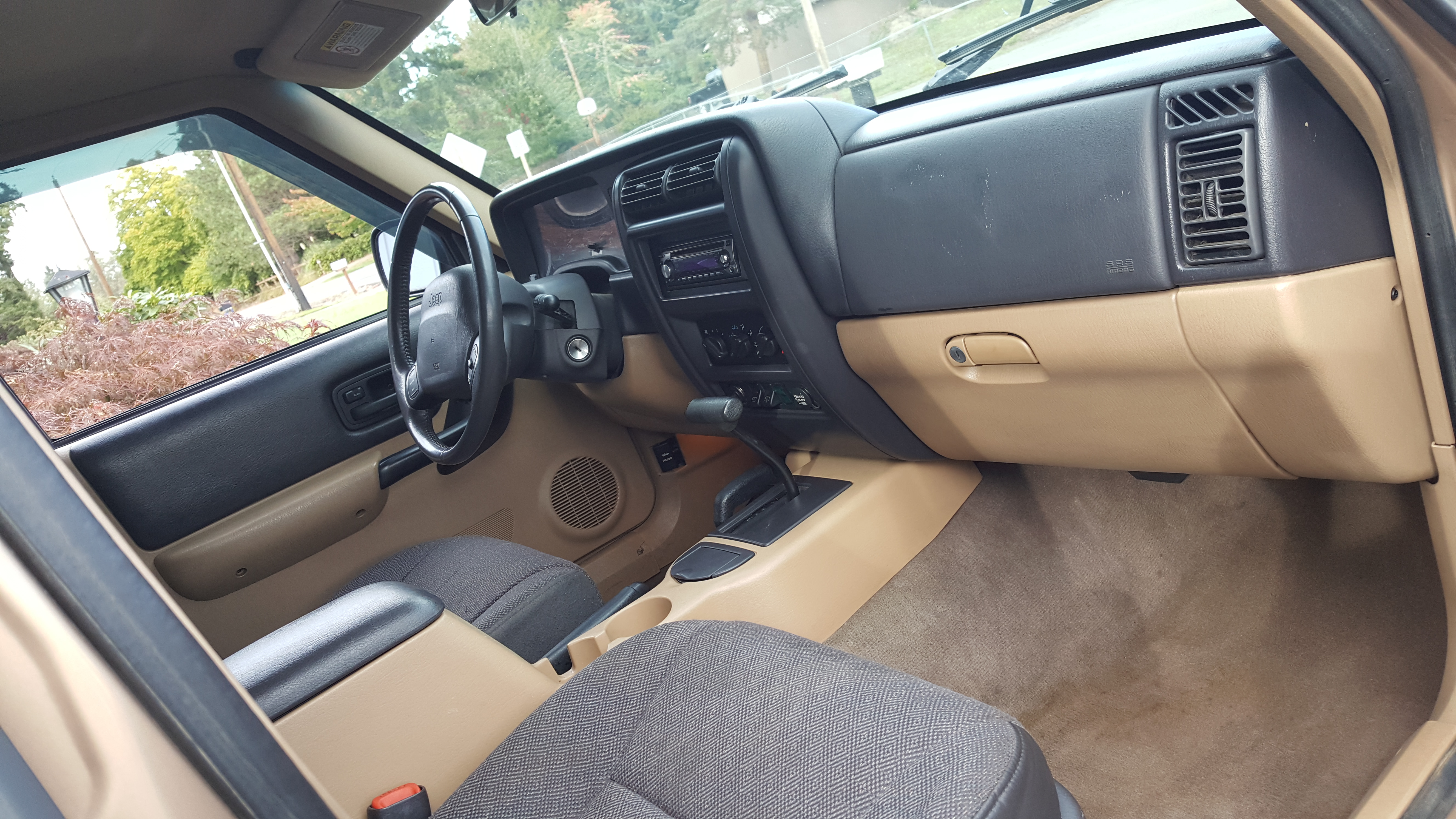
- Interior: Seats, carpets, dashboard, door panels, headliner.
- Glass: Windshield, side windows, rear window.
-
Common Issues & Solutions:
- Rust: A common issue, especially in areas with harsh winters. Repair rust with welding and body filler, or replace rusted panels.
- Cracked or Faded Interior Plastics: Can be restored with plastic restorer products or replaced with new or used parts.
- Sagging Headliner: Replace the headliner with new fabric and adhesive.
- Worn Seats: Replace with new or used seats, or reupholster existing seats.
- Broken Window Regulators: Replace the window regulator.
-
Restoration Tips:
- Source Original Parts: Look for used parts in good condition from salvage yards or online marketplaces.
- Consider Aftermarket Replacements: High-quality aftermarket parts can often be more affordable and readily available than original parts.
- Proper Preparation: Thoroughly clean and prepare surfaces before painting or applying adhesives.
Section 4: Brakes and Electrical Parts
Ensuring the brakes and electrical systems are functioning correctly is crucial for safety.
-
Key Components:
- Brakes: Brake pads, brake rotors, brake calipers, brake lines, master cylinder, brake booster.
- Electrical: Battery, alternator, starter, wiring harness, sensors, switches.
-
Common Issues & Solutions:
- Worn Brake Pads/Rotors: Replace with new brake pads and rotors.
- Leaking Brake Lines: Replace corroded or damaged brake lines.
- Faulty Alternator: Replace the alternator.
- Weak Battery: Replace the battery.
- Electrical Shorts: Trace and repair the short circuit.
-
Upgrade Options:
- Performance Brake Kits: Offer improved stopping power for off-road or high-performance applications.
- LED Lighting: Brighter and more energy-efficient than traditional halogen bulbs.
- Auxiliary Lighting: Add off-road lights for improved visibility on trails.
Section 5: Finding the Right Parts
- Online Retailers: Websites like Quadratec, Morris 4x4 Center, Summit Racing, and Amazon offer a wide selection of parts.
- Local Auto Parts Stores: NAPA, AutoZone, Advance Auto Parts, and O'Reilly Auto Parts can provide common replacement parts.
- Salvage Yards: A great source for used parts at a lower cost.
- Jeep Forums and Online Communities: Connect with other XJ owners and find parts for sale.
Important Considerations:
- Part Number Verification: Always verify the part number before ordering to ensure compatibility.
- Quality Matters: Choose reputable brands and avoid cheap, low-quality parts.
- Read Reviews: Check online reviews to get feedback from other users before purchasing a part.
- Warranty: Look for parts with a warranty to protect your investment.
Table Price 1999 Jeep Cherokee Xj Parts:
| Part Description | Approximate Price Range | Notes |
|---|---|---|
| Engine | ||
| Cylinder Head (Remanufactured) | $300 - $600 | Price depends on core charge and brand. |
| Water Pump | $50 - $150 | |
| Fuel Injectors (Set of 6) | $100 - $300 | Price varies depending on brand and type. |
| Transmission | ||
| AW4 Automatic Transmission (Remanufactured) | $1200 - $2500 | Includes torque converter; installation not included. |
| AX15 Manual Transmission (Used) | $500 - $1000 | Availability may vary. |
| Suspension | ||
| Front Coil Springs (Pair) | $80 - $200 | Depends on lift height and brand. |
| Rear Leaf Springs (Pair) | $150 - $400 | Price varies with spring rate and lift. |
| Shocks (Set of 4) | $100 - $400 | Varies with brand and type (e.g., gas-charged, hydraulic). |
| Brakes | ||
| Front Brake Pads (Pair) | $20 - $60 | Depends on material (e.g., ceramic, semi-metallic). |
| Front Brake Rotors (Pair) | $60 - $150 | |
| Electrical | ||
| Alternator (New) | $100 - $250 | |
| Starter Motor (New) | $80 - $200 | |
| Battery | $100 - $200 | |
| Body | ||
| Front Fender (Aftermarket) | $80 - $200 | Varies with brand and material. |
| Tailgate (Used) | $100 - $300 | Condition dependent. |
Note: These prices are approximate and can vary depending on the vendor, location, and specific part characteristics. Always check with multiple sources for the most accurate and up-to-date pricing.
FAQ: 1999 Jeep Cherokee XJ Parts
-
Q: Are parts for the '99 XJ still readily available?
- A: Yes, most common replacement parts are readily available through online retailers, local auto parts stores, and salvage yards. However, some model-specific or less common parts may be harder to find and more expensive.
-
Q: Are parts interchangeable between different XJ model years?
- A: Some parts are interchangeable, but many are not. It's crucial to verify part compatibility before purchasing. Consult online resources, parts catalogs, or ask an experienced XJ mechanic.
-
Q: Should I use OEM or aftermarket parts?
- A: It depends on your budget and priorities. OEM parts are typically higher quality but more expensive. Aftermarket parts can be a more affordable alternative, but it's essential to choose reputable brands.
-
Q: Where can I find a reliable mechanic for my XJ?
- A: Look for mechanics with experience working on Jeeps and solid axle vehicles. Ask for recommendations from other XJ owners or check online reviews.
-
Q: How can I prevent rust on my XJ?
- A: Regularly wash and wax your XJ, especially in areas with harsh winters. Apply rustproofing products to vulnerable areas, such as the undercarriage and rocker panels. Address any rust spots promptly to prevent them from spreading.
Conclusion:
The 1999 Jeep Cherokee XJ remains a highly desirable and capable vehicle. By understanding the common issues, available parts, and best practices for maintenance and repair, you can keep your XJ on the road (or trail) for years to come. Remember to prioritize quality parts, proper diagnosis, and regular maintenance to ensure the longevity and reliability of your classic Jeep. With a little knowledge and effort, you can keep the legend alive.
0 comments