The Jeep TJ, produced from 1997 to 2006, holds a special place in the hearts of off-road enthusiasts. Its classic Wrangler styling, coil-spring suspension, and capable 4.0L inline-six engine made it a formidable machine both on and off the pavement. However, time, the elements, and the inherent nature of off-roading can take their toll. Rust, dents, and damage are common realities for many TJ owners. That's where Jeep TJ replacement body parts come into play. This comprehensive guide will walk you through everything you need to know about restoring your TJ's body, from understanding common issues to selecting the right parts and tackling the replacement process.
Why Invest in TJ Replacement Body Parts?
Reviving a Legend: A Comprehensive Guide to Jeep TJ Replacement Body Parts
Replacing body parts on your Jeep TJ is more than just aesthetics. It's about preserving the vehicle's value, ensuring its structural integrity, and enhancing your overall driving experience. Here's why it's important:
- Rust Prevention: Rust is a notorious enemy of the TJ, especially in regions with harsh winters and road salt. Addressing rust early with replacement panels prevents further corrosion and potentially costly structural damage.
- Restoring Appearance: Dents, scratches, and faded paint can detract from the TJ's rugged charm. New body panels and paint can bring your Jeep back to its former glory.
- Structural Integrity: Damaged body panels can compromise the vehicle's structural rigidity, affecting handling and safety. Replacing these parts restores the TJ's strength and stability.
- Personalization: Replacement body parts offer an opportunity to customize your TJ's appearance. Consider aftermarket bumpers, fenders, and hoods for a unique look.
- Increased Resale Value: A well-maintained TJ with a clean body will command a higher resale value than one with significant damage or rust.

Common Areas Prone to Damage and Rust on a TJ
Knowing where to look for damage is the first step in planning your restoration project. Here are the most common areas prone to damage and rust on a Jeep TJ:
- Rocker Panels: These are particularly vulnerable to rust and impact damage from rocks and debris.
- Floor Pans: Water leaks and accumulated moisture can lead to rust in the floor pans.
- Fenders: Prone to dents and scratches from off-roading. Rear fenders often rust along the wheel well lip.
- Windshield Frame: Susceptible to rust, especially around the hinges and the base of the frame.
- Tailgate: Rust can occur along the bottom edge and around the hinges.
- Body Mounts: These can corrode and weaken, affecting the alignment and stability of the body.
- Corner Guards: While designed to protect the body, these areas can trap moisture and lead to rust underneath.
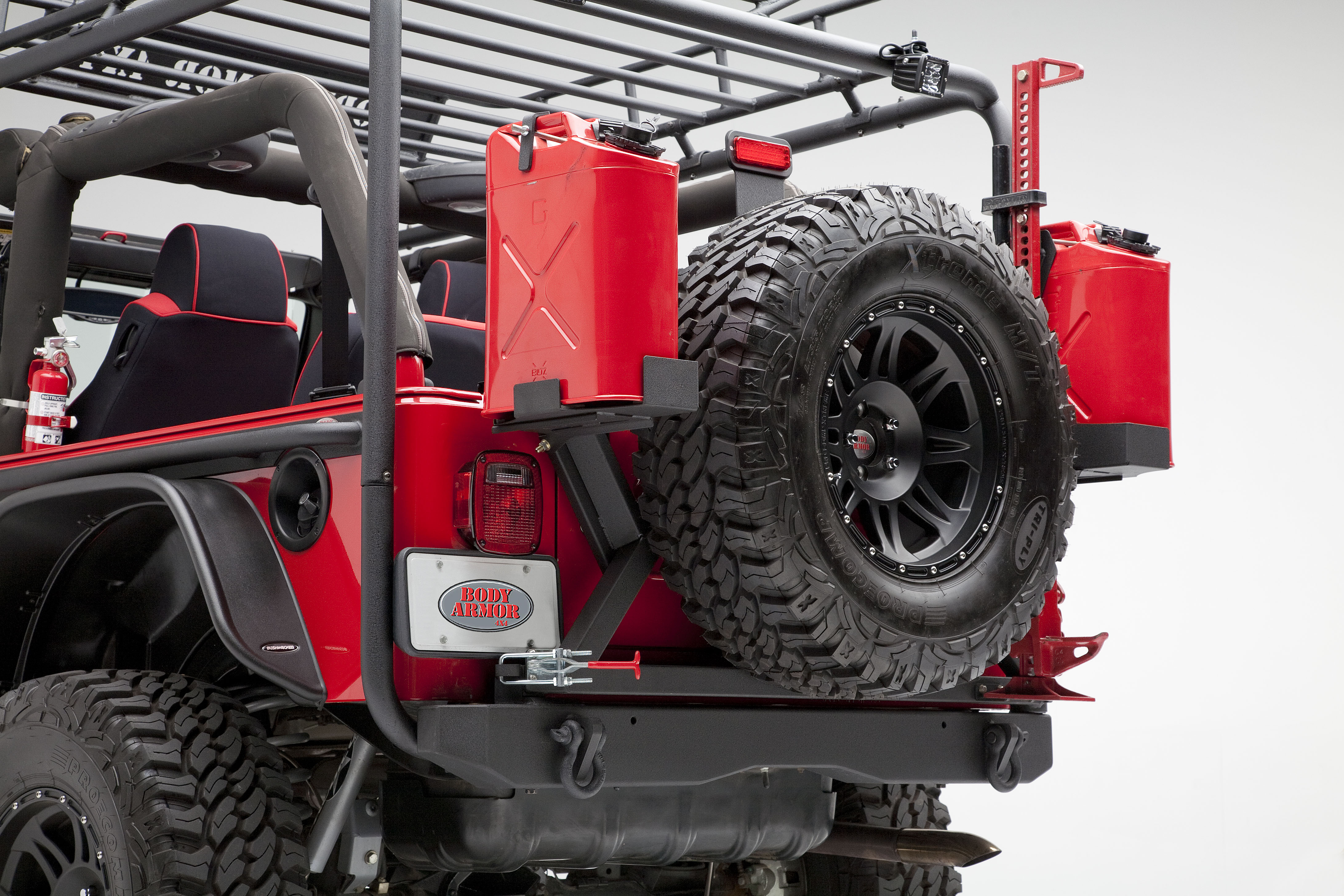

Types of TJ Replacement Body Parts
The market offers a wide variety of replacement body parts for the Jeep TJ, ranging from small patches to complete body tubs. Here's a breakdown of the most common types:
- Rocker Panels: Available as complete replacements or weld-in patches. Consider heavy-duty rocker guards for added protection.
- Floor Pans: Offered as full floor pan replacements or smaller patch panels for localized repairs.
- Fenders: Available in steel or aftermarket materials like aluminum or fiberglass. Choose from stock replacements or wider, more aggressive designs.
- Windshield Frames: Available as complete replacements, often pre-primed and ready for paint.
- Tailgates: Offered as direct replacements, with or without the spare tire carrier.
- Body Mounts: Available as complete kits to replace all the body mounts on your TJ.
- Hoods: Offered in steel, aluminum, or fiberglass, with options for different styles and scoops.
- Grilles: Direct replacements for the original grille, or aftermarket grilles with unique designs.
- Complete Body Tubs: For a complete restoration, a full body tub is the ultimate solution. These are available in steel or fiberglass.
- Corner Guards: Protect the rear corners of your TJ from damage.
Choosing the Right Replacement Body Parts
Selecting the correct replacement body parts is crucial for a successful restoration. Consider the following factors:
- Material: Steel is the most common and durable material. Aluminum is lighter but more expensive. Fiberglass is lightweight and rust-resistant but can be more prone to cracking.
- Fit and Finish: Ensure the replacement part is specifically designed for your TJ year model for a proper fit. Check customer reviews to assess the quality of the fit and finish.
- Construction Quality: Look for parts made from high-quality materials with durable welds and a protective coating to prevent rust.
- Brand Reputation: Choose reputable brands known for producing reliable and well-fitting replacement parts.
- Price: Compare prices from different vendors to find the best deal, but don't sacrifice quality for cost.
- Application: Consider how you use your Jeep. For serious off-roading, heavy-duty parts are essential.
Installation: DIY or Professional?
The complexity of installing replacement body parts varies depending on the part and your skill level.
- DIY (Do-It-Yourself): Installing smaller parts like fenders, grilles, and tailgates can be a manageable DIY project for those with basic mechanical skills and tools.
- Professional Installation: More complex repairs, such as replacing rocker panels, floor pans, or a complete body tub, often require welding, cutting, and bodywork skills. Consider professional installation if you're not comfortable with these tasks.
Tools and Materials You'll Need
Regardless of whether you're tackling a DIY project or hiring a professional, here's a general list of tools and materials you'll likely need:
- Basic Hand Tools: Wrenches, sockets, screwdrivers, pliers, etc.
- Power Tools: Angle grinder, drill, cutting wheel, welder (if applicable).
- Safety Gear: Safety glasses, gloves, ear protection.
- Rust Removal Tools: Wire brush, sandpaper, rust converter.
- Bodywork Tools: Body filler, sanding blocks, spreaders.
- Paint Supplies: Primer, paint, clear coat, sandpaper, masking tape.
- Welding Equipment: Welding machine, welding helmet, welding gloves (if applicable).
- Replacement Hardware: Bolts, nuts, screws, clips.
- Seam Sealer: To seal gaps and prevent water intrusion.
Tips for a Successful Body Part Replacement
- Thorough Preparation: Clean and inspect the area to be repaired thoroughly. Remove any rust or debris.
- Proper Fitment: Test-fit the replacement part before welding or painting to ensure a proper fit.
- Accurate Welding: If welding is required, ensure you have proper welding skills or hire a qualified welder.
- Rust Prevention: Apply a rust inhibitor or primer to any exposed metal surfaces.
- Proper Sealing: Use seam sealer to seal any gaps or seams to prevent water intrusion.
- Professional Paint Job: Consider having the replacement part professionally painted for a durable and consistent finish.
- Follow Instructions: Carefully follow the instructions provided with the replacement part.
Potential Challenges and Solutions
- Rust Removal: Removing stubborn rust can be time-consuming. Use a combination of mechanical and chemical methods.
- Welding Difficulties: Welding thin sheet metal can be challenging. Practice your welding technique before working on your TJ.
- Fitment Issues: Minor fitment issues may require some adjustments. Be patient and take your time.
- Matching Paint: Matching the existing paint color can be difficult. Consult with a professional paint supplier for assistance.
Jeep TJ Replacement Body Parts Price Table
| Part | Material | Estimated Price Range | Notes |
|---|---|---|---|
| Rocker Panels (Pair) | Steel | $150 - $400 | Prices vary based on gauge and length. |
| Floor Pans (Pair) | Steel | $200 - $500 | Prices vary based on coverage area. |
| Fenders (Each) | Steel | $100 - $300 | Aftermarket options like aluminum or fiberglass are more expensive. |
| Windshield Frame | Steel | $250 - $500 | |
| Tailgate | Steel | $200 - $400 | |
| Body Mount Kit | Polyurethane | $100 - $200 | |
| Hood | Steel | $250 - $500 | Aftermarket hoods can be significantly more expensive. |
| Grille | Plastic | $50 - $150 | |
| Complete Body Tub | Steel | $3,000 - $7,000 | Fiberglass tubs are generally more affordable. |
| Corner Guards (Pair) | Steel | $100 - $300 | |
| Paint and Supplies (Per Panel) | Varies | $50 - $200 | Depends on paint type and color matching requirements. |
| Professional Installation (Per Part) | Varies | $100 - $1000+ | Varies greatly depending on the complexity of the job. |
Note: Prices are estimates and can vary depending on the vendor, brand, and specific features of the part.
Frequently Asked Questions (FAQ)
-
Q: Where can I buy Jeep TJ replacement body parts?
- A: You can find replacement body parts at online retailers specializing in Jeep parts (e.g., Quadratec, Morris 4x4 Center), local auto parts stores, and salvage yards.
-
Q: What is the best material for replacement body panels?
- A: Steel is generally the most durable and cost-effective option. Aluminum is lighter but more expensive. Fiberglass is lightweight and rust-resistant but can be more prone to cracking.
-
Q: How do I prevent rust from returning after replacing body panels?
- A: Thoroughly clean and prep the area before installing the new panel. Apply a rust inhibitor or primer to any exposed metal surfaces. Use seam sealer to seal any gaps or seams.
-
Q: Can I install replacement body panels myself?
- A: It depends on the complexity of the repair and your skill level. Smaller parts like fenders and grilles can be DIY projects. More complex repairs like rocker panels and floor pans often require professional installation.
-
Q: How do I match the existing paint color on my Jeep TJ?
- A: Take a sample of your Jeep's paint to a professional paint supplier. They can use a color scanner to match the paint color and provide you with the correct paint code.
Conclusion
Restoring your Jeep TJ with replacement body parts is a rewarding project that can enhance its appearance, structural integrity, and value. By understanding the common areas prone to damage, selecting the right parts, and following proper installation techniques, you can bring your TJ back to its former glory and enjoy many more years of off-road adventures. Whether you choose to tackle the project yourself or hire a professional, investing in your TJ's body will pay off in the long run.

0 comments