The 1980 Jeep CJ7. A name synonymous with ruggedness, off-road prowess, and a raw, unfiltered driving experience. Owning one of these iconic vehicles is more than just owning a Jeep; it's owning a piece of automotive history. However, keeping a classic like the 1980 CJ7 running smoothly requires understanding its unique components and knowing where to find the right parts. This guide will be your comprehensive resource for navigating the world of 1980 Jeep CJ7 parts, ensuring your Jeep stays on the road (and off it!) for years to come.
Introduction: Why 1980 CJ7 Parts Matter
Reviving a Legend: A Deep Dive into 1980 Jeep CJ7 Parts
The 1980 CJ7 occupies a sweet spot in the CJ series. It benefits from many improvements over earlier models while retaining the classic CJ aesthetic that enthusiasts adore. However, being a 40+ year-old vehicle, finding and maintaining correct parts is crucial. Using the wrong parts can lead to performance issues, safety concerns, and a diminished resale value. This guide will help you identify the critical components of your 1980 CJ7, understand the common challenges, and find the best resources for sourcing the correct parts.
I. Understanding the 1980 CJ7: Key Components and Systems
Before diving into specific parts, it's essential to understand the key systems that make up your 1980 CJ7. These include:
-
Engine: The 1980 CJ7 offered several engine options, including the AMC 258 inline-six and the AMC 304 V8. Identifying your specific engine is the first step in finding the correct replacement parts.
Transmission: Manual and automatic transmissions were available. Knowing which transmission you have (e.g., T-4, T-5, TH400) is vital for ordering clutch kits, filters, and other related components.
-
Transfer Case: Typically a Dana 300, the transfer case is responsible for distributing power to the front and rear axles for 4-wheel drive.
-
Axles: Dana 30 front and AMC 20 rear axles were standard. The AMC 20 is known for its weaker two-piece axle shafts, making upgrades a common consideration.
-
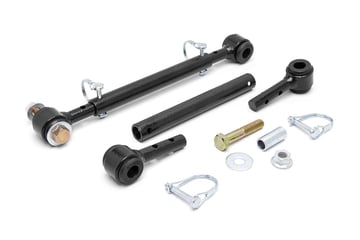
Suspension: A leaf spring suspension provides the CJ7's rugged ride. Components include leaf springs, shackles, shocks, and U-bolts.

-
Brakes: Drum brakes were standard on all four corners. Upgrading to disc brakes is a popular modification for improved stopping power.
-
Electrical System: A 12-volt system powers the Jeep. Components include the battery, alternator, starter, wiring harness, and various sensors.
-
Body: The iconic CJ7 body is prone to rust, especially in areas exposed to moisture and road salt.

II. Sourcing 1980 CJ7 Parts: Where to Look
Finding the right parts requires knowing where to look. Here are some of the best resources:
-
Online Retailers: Websites like Quadratec, Morris 4x4 Center, and Summit Racing offer a vast selection of CJ7 parts, including OEM replacements, aftermarket upgrades, and restoration components.
-
Local Auto Parts Stores: While they may not stock everything, local stores can often source common maintenance items like filters, fluids, and brake components.
-
Jeep Forums and Online Communities: These forums are a goldmine of information and a great place to connect with other CJ7 owners who may have parts for sale or recommendations for reliable vendors. Websites like JeepForum.com have active CJ sections.
-
Salvage Yards: Finding a donor CJ7 in a salvage yard can be a cost-effective way to acquire hard-to-find parts, especially body panels and interior components.
-
Specialty Jeep Restoration Shops: These shops specialize in restoring classic Jeeps and often have access to rare or NOS (New Old Stock) parts.
III. Common 1980 CJ7 Parts and Issues
Here's a breakdown of some common parts that often need replacement and potential issues to watch out for:
-
Body Panels: Rust is a common problem, especially on the floors, rocker panels, and fender flares. Replacement panels are available, but welding and bodywork may be required.
-
Suspension Components: Worn leaf springs, shocks, and bushings can negatively impact ride quality and handling. Consider replacing these components as a set for optimal performance.
-
Brake Components: Inspect brake lines, cylinders, and shoes regularly. Upgrading to disc brakes offers improved stopping power and reliability.
-
Engine Components: Depending on the engine, common issues include carburetor problems, worn valve seals, and leaks.
-
Electrical Components: Wiring harnesses can become brittle and corroded over time, leading to electrical problems. Consider replacing the entire harness if necessary.
-
Interior Components: Seats, carpets, and dashboards can deteriorate with age. Replacement options are available, ranging from original-style reproductions to modern aftermarket upgrades.
IV. Practical Tips for Buying 1980 CJ7 Parts
-
Know Your VIN: The Vehicle Identification Number (VIN) is crucial for identifying the correct parts for your specific CJ7.
-
Check Compatibility: Always double-check that the part you're buying is compatible with your CJ7's year, engine, transmission, and other options.
-
Read Reviews: Before buying from an online retailer, read reviews from other customers to ensure they have a good reputation for quality and service.
-
Consider Quality: While saving money is tempting, investing in high-quality parts can save you time and money in the long run.
-
Keep Records: Maintain a record of all parts you purchase, including the date, vendor, and part number.
V. Common Upgrades for the 1980 CJ7
While keeping your CJ7 original is admirable, some upgrades can significantly improve its performance, reliability, and safety:
-
Disc Brake Conversion: As mentioned earlier, upgrading to disc brakes provides much better stopping power.
-
Electronic Fuel Injection (EFI): Replacing the carburetor with an EFI system improves fuel efficiency, cold starting, and overall engine performance.
-
Axle Upgrades: The AMC 20 rear axle is a known weak point. Upgrading to a one-piece axle shaft or a stronger axle like a Dana 44 is a common modification.
-
Suspension Lift: Lifting the suspension allows for larger tires and improved off-road clearance.
-
Power Steering: If your CJ7 doesn't have power steering, adding it can significantly improve handling, especially on rough terrain.
VI. Potential Challenges and Solutions
-
Finding Rare Parts: Some parts, especially NOS items, can be difficult to find. Be patient and persistent, and consider joining online communities to network with other CJ7 owners.
-
Dealing with Rust: Rust repair can be time-consuming and expensive. Assess the extent of the damage carefully and consider hiring a professional if necessary.
-
Incorrect Parts: Ordering the wrong parts is a common mistake. Double-check compatibility and ask for assistance from a knowledgeable vendor if you're unsure.
-
Installation Difficulties: Some parts can be challenging to install, especially if you're not experienced with automotive repair. Consider hiring a professional mechanic if needed.
VII. 1980 Jeep CJ7 Parts Price Table
| Part Category | Part Description | Estimated Price Range | Notes |
|---|---|---|---|
| Engine | Carburetor (Rebuilt) | $200 - $400 | Dependent on brand and features |
| Water Pump | $50 - $150 | ||
| Radiator | $150 - $300 | Aluminum radiators are a common upgrade | |
| Transmission | Clutch Kit (Manual) | $150 - $300 | Includes clutch disc, pressure plate, and throwout bearing |
| Transmission Filter Kit (Automatic) | $20 - $50 | ||
| Transfer Case | Rebuild Kit (Dana 300) | $100 - $250 | Includes seals, bearings, and other wear items |
| Axles | Axle Shaft (AMC 20, Single) | $100 - $200 | Upgrading to one-piece shafts is recommended |
| Differential Gear Set (Dana 30/AMC 20) | $200 - $400 per axle | Affects gearing and performance | |
| Suspension | Leaf Spring (Single) | $100 - $250 | Price varies based on lift height and brand |
| Shock Absorber (Single) | $30 - $100 | Gas-charged shocks offer improved performance | |
| Brakes | Brake Shoe Set (Front/Rear) | $30 - $75 per set | |
| Brake Drum (Single) | $50 - $100 | ||
| Disc Brake Conversion Kit (Front) | $500 - $1000 | Includes calipers, rotors, brackets, and hardware | |
| Electrical | Wiring Harness (Complete) | $300 - $600 | Aftermarket harnesses often offer improved reliability |
| Starter Motor | $80 - $200 | ||
| Alternator | $80 - $200 | ||
| Body | Floor Pan (Replacement) | $100 - $300 per side | Requires welding |
| Fender Flare (Single) | $50 - $150 | ||
| Interior | Seat Cover Set | $150 - $400 | Price varies based on material and style |
| Carpet Kit | $100 - $300 | ||
| Exhaust | Muffler | $50 - $150 | |
| Exhaust Pipe | $30 - $100 | ||
| Steering | Steering Gear Box (Rebuilt) | $200 - $400 | |
| Cooling | Thermostat | $10 - $30 |
Disclaimer: Prices are approximate and can vary depending on the vendor, brand, condition (new, used, rebuilt), and location. Always verify the price and compatibility before purchasing any part.
VIII. Frequently Asked Questions (FAQ)
-
Q: Where can I find the VIN on my 1980 CJ7?
- A: The VIN is typically located on the driver's side dashboard, near the windshield. It may also be on the driver's side door jamb.
-
Q: What's the best way to remove rust from my CJ7?
- A: Several methods can be used, including sanding, media blasting, and chemical rust removal. The best method depends on the severity of the rust.
-
Q: Should I upgrade my AMC 20 axle?
- A: If you plan to do serious off-roading or run larger tires, upgrading to a stronger axle is highly recommended.
-
Q: How can I improve the fuel economy of my 1980 CJ7?
- A: Consider installing an EFI system, ensuring your engine is properly tuned, and driving conservatively.
-
Q: What type of oil should I use in my 1980 CJ7 engine?
- A: A conventional 10W-30 or 10W-40 oil is typically recommended. Consult your owner's manual for specific recommendations.
Conclusion: Preserving a Legacy
Owning and maintaining a 1980 Jeep CJ7 is a rewarding experience. By understanding its components, sourcing the right parts, and performing regular maintenance, you can ensure that your Jeep remains a reliable and enjoyable classic for years to come. Embrace the challenge, connect with the CJ community, and enjoy the unique driving experience that only a 1980 CJ7 can offer. It's more than just a vehicle; it's a legacy.
0 comments