The 2002 Jeep Grand Cherokee, a workhorse known for its blend of on-road comfort and off-road capability, relies heavily on a robust and well-maintained front suspension. This system is the unsung hero that absorbs bumps, provides stable handling, and keeps your tires firmly planted on the ground, whether you're navigating city streets or tackling rugged trails. Understanding the components that make up this vital system is crucial for maintaining your Grand Cherokee's performance, safety, and overall driving experience.
This article will serve as a comprehensive guide to the 2002 Jeep Grand Cherokee front suspension, diving deep into its various parts, their functions, maintenance considerations, and potential issues. Whether you're a seasoned mechanic or a DIY enthusiast, this information will equip you with the knowledge to keep your Jeep rolling smoothly for years to come.
The Backbone of Your Ride: Understanding the 2002 Jeep Grand Cherokee Front Suspension Parts
I. The Importance of a Healthy Front Suspension
Before we dissect the individual components, let's understand why a properly functioning front suspension is so critical. The front suspension system is responsible for:
- Ride Comfort: Absorbing shocks and vibrations from the road, providing a smooth and comfortable ride for you and your passengers.
- Handling and Stability: Maintaining proper tire contact with the road surface, ensuring stable handling and precise steering control, especially during cornering and braking.
- Safety: Contributing to safe braking distances and preventing loss of control in emergency situations. A worn or damaged suspension can drastically reduce braking effectiveness and increase the risk of accidents.
- Tire Wear: A misaligned or damaged suspension can cause uneven tire wear, leading to premature tire replacement and increased costs.
- Component Longevity: A healthy suspension system protects other components, like the steering system and frame, from excessive stress and wear.
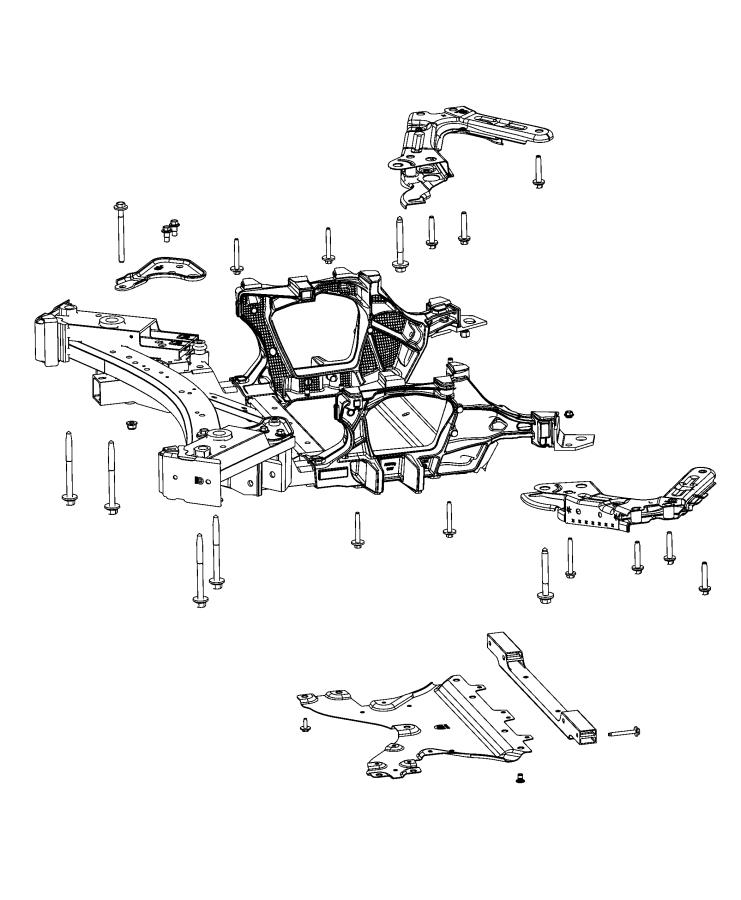
Ignoring suspension issues can lead to a cascade of problems, affecting not only your driving experience but also your safety and the longevity of your vehicle.
II. Key Components of the 2002 Jeep Grand Cherokee Front Suspension
The 2002 Jeep Grand Cherokee utilizes a coil spring front suspension. This design provides a good balance of ride quality, handling, and durability. Here's a breakdown of the key components:
- Coil Springs: These helical springs are the primary load-bearing components of the suspension. They absorb vertical movement and support the weight of the vehicle. Over time, coil springs can sag or weaken, leading to a lower ride height and reduced handling performance.
- Shock Absorbers (Shocks): These hydraulic or gas-filled cylinders dampen the oscillations of the coil springs, preventing the vehicle from bouncing excessively. Worn shocks contribute to a bouncy ride, reduced handling, and increased braking distances. They are crucial for maintaining tire contact with the road.
- Upper and Lower Control Arms: These arms connect the front wheels to the vehicle's frame. They control the wheel's movement and maintain its alignment. The 2002 Grand Cherokee utilizes an upper and lower A-arm design. Bushings within the control arms allow for controlled movement but can wear out over time, causing play and noise.
- Ball Joints: These spherical bearings connect the control arms to the steering knuckle, allowing the wheels to steer. Ball joints are critical for steering and handling. Worn ball joints can cause loose steering, clunking noises, and, in extreme cases, can separate, leading to a catastrophic loss of control.
- Sway Bar (Stabilizer Bar): This torsion bar connects the left and right sides of the suspension, reducing body roll during cornering. The sway bar helps keep the vehicle level during turns, improving handling and stability. Sway bar links connect the sway bar to the suspension and can wear out, causing clunking noises.
- Sway Bar Links: These connect the sway bar to the suspension components. They are often the first part of the sway bar system to wear out.
- Steering Knuckle (Spindle): This component houses the wheel hub, bearings, and brake components. It's connected to the control arms via ball joints and to the steering system via the tie rod end.
- Wheel Hub and Bearings: The wheel hub is the central part of the wheel assembly, and the bearings allow the wheel to rotate smoothly. Worn wheel bearings can cause humming or grinding noises and can eventually lead to wheel failure.
- Tie Rod Ends: These connect the steering linkage to the steering knuckle, allowing the steering wheel to turn the wheels. Worn tie rod ends can cause loose steering and poor handling.
- Bump Stops: These rubber or polyurethane stops limit the upward travel of the suspension, preventing the suspension from bottoming out. They protect the suspension components from damage during extreme compression.
- Track Bar (Panhard Rod): While primarily a rear suspension component in many vehicles, the 2002 Grand Cherokee utilizes a track bar, and its condition influences the front suspension's overall stability. This bar laterally locates the axle. Worn bushings here can affect handling.


III. Common Symptoms of Front Suspension Problems
Recognizing the signs of a failing front suspension is crucial for timely repairs and preventing further damage. Here are some common symptoms:
- Bouncy or Unstable Ride: Excessive bouncing after hitting a bump, indicating worn shocks.
- Poor Handling: Difficulty steering, loose steering feel, or the vehicle wandering on the road.
- Clunking or Rattling Noises: Noises coming from the front suspension, especially when going over bumps.
- Uneven Tire Wear: Unusual wear patterns on your tires, such as cupping or feathering.
- Vehicle Leaning: The vehicle leaning excessively during cornering, indicating a worn sway bar or sway bar links.
- Vibrations: Vibrations felt through the steering wheel or the vehicle body.
- Visible Damage: Cracks, leaks, or other visible damage to suspension components.
- Excessive Body Roll: Feeling like the car leans a lot in turns.
- Difficulty Steering: Steering wheel feels stiff or hard to turn.
If you experience any of these symptoms, it's essential to have your front suspension inspected by a qualified mechanic.
IV. Inspection and Maintenance
Regular inspection and maintenance are key to prolonging the life of your front suspension and preventing costly repairs. Here's a basic checklist:
- Visual Inspection: Regularly inspect all suspension components for signs of wear, damage, or leaks. Look for cracked bushings, bent control arms, leaking shocks, and worn ball joints.
- Bounce Test: Push down firmly on each corner of the vehicle and release. The vehicle should rebound once or twice and then settle. Excessive bouncing indicates worn shocks.
- Grease Fittings: If your suspension components have grease fittings, lubricate them regularly with a high-quality grease.
- Alignment: Have your wheel alignment checked and adjusted periodically, especially after replacing suspension components or hitting a significant pothole.
- Torque Check: Periodically check the torque of all suspension fasteners to ensure they are properly tightened.
- Professional Inspection: Have your front suspension inspected by a qualified mechanic at least once a year, or more frequently if you drive in harsh conditions or off-road.
V. Replacing Front Suspension Parts: A DIY Guide (with Caution!)
Replacing front suspension parts can be a challenging but rewarding DIY project. However, it's essential to have the necessary tools, skills, and safety precautions in place. If you're not comfortable working on your suspension, it's best to leave the job to a professional.
Disclaimer: Working on your vehicle's suspension can be dangerous. Improper installation or torqueing of components can lead to serious accidents. If you are not experienced with automotive repair, consult a qualified mechanic.
Tools Needed:
- Jack and Jack Stands (Heavy Duty)
- Wheel Chocks
- Socket Set and Wrenches (Metric)
- Torque Wrench
- Ball Joint Separator (Pickle Fork or Ball Joint Press)
- Spring Compressor (Coil Spring Compressor)
- Hammer
- Pry Bar
- Penetrating Oil
- Safety Glasses
- Gloves
General Steps (This is a general overview, consult a repair manual specific to your 2002 Grand Cherokee):
- Safety First: Secure the vehicle with wheel chocks and jack stands. Never work under a vehicle supported only by a jack.
- Loosen Lug Nuts: Loosen the lug nuts on the wheel you'll be working on.
- Raise and Secure: Jack up the vehicle and secure it with jack stands.
- Remove Wheel: Remove the wheel.
- Disconnect Components: Disconnect the necessary components, such as the sway bar link, brake caliper (support it so it doesn't hang by the brake line!), and ABS sensor (if equipped).
- Separate Ball Joints: Use a ball joint separator to separate the ball joints from the steering knuckle.
- Remove the Part: Remove the component you are replacing (e.g., control arm, shock absorber). Use a coil spring compressor to safely remove the coil spring if you are replacing the shock absorber or control arm.
- Install New Part: Install the new part, ensuring all fasteners are properly torqued to the manufacturer's specifications.
- Reassemble: Reconnect all components in the reverse order of removal.
- Lower and Torque: Lower the vehicle and torque the lug nuts to the correct specification.
- Alignment: Get a wheel alignment after replacing any suspension components.
VI. Choosing Replacement Parts
When replacing front suspension parts, you have several options:
- OEM (Original Equipment Manufacturer) Parts: These are the same parts that were originally installed on your vehicle. They are typically the most expensive but offer the best fit and performance.
- Aftermarket Parts: These are parts manufactured by companies other than the original manufacturer. They can be less expensive than OEM parts, but the quality can vary. Research reputable brands.
- Used Parts: Used parts can be a budget-friendly option, but their condition and reliability are questionable. It's generally not recommended to use used suspension components unless you are in a pinch and can thoroughly inspect them.
VII. Troubleshooting Common Issues
Here are some common issues and potential solutions:
- Clunking Noise:
- Worn ball joints: Replace ball joints.
- Worn sway bar links: Replace sway bar links.
- Loose control arm bushings: Replace control arm bushings or control arms.
- Loose fasteners: Check and torque all suspension fasteners.
- Bouncy Ride:
- Worn shocks: Replace shocks.
- Loose Steering:
- Worn tie rod ends: Replace tie rod ends.
- Worn ball joints: Replace ball joints.
- Loose steering gear: Inspect and adjust steering gear (requires specialized tools).
- Uneven Tire Wear:
- Misalignment: Get a wheel alignment.
- Worn suspension components: Inspect and replace worn components.
VIII. Price Table for 2002 Jeep Grand Cherokee Front Suspension Parts
| Part | Estimated Price Range (USD) | Notes |
|---|---|---|
| Coil Springs (Pair) | $80 - $250 | Price varies depending on brand, lift height, and load capacity. |
| Shock Absorbers (Pair) | $60 - $300 | Price varies significantly based on brand and type (e.g., standard, heavy-duty, gas-charged). |
| Upper Control Arms (Each) | $50 - $150 | Includes ball joint and bushings in many cases. |
| Lower Control Arms (Each) | $75 - $200 | Includes ball joint and bushings in many cases. |
| Ball Joints (Each) | $20 - $80 | Price depends on quality and brand. |
| Sway Bar Links (Pair) | $20 - $60 | Relatively inexpensive and easy to replace. |
| Sway Bar Bushings (Pair) | $10 - $30 | Can be purchased as a kit with the sway bar links. |
| Wheel Hub Assembly (Each) | $75 - $250 | Includes wheel bearings. Price depends on brand and quality. |
| Tie Rod Ends (Each) | $20 - $75 | Inner and outer tie rod ends available. |
| Bump Stops (Pair) | $15 - $40 | Inexpensive and important for preventing suspension damage. |
| Track Bar | $50 - $150 | Price varies depending on brand and adjustability. |
| Steering Knuckle (Each) | $150 - $400 | Usually only needs replacement if damaged. Includes wheel bearing and hub assembly in many cases. |
Note: Prices are estimates and may vary depending on the retailer, brand, and location. Labor costs are not included in these estimates.
IX. Frequently Asked Questions (FAQ)
-
Q: How often should I replace my shocks?
- A: Shocks should be replaced every 50,000 to 75,000 miles, or sooner if you notice signs of wear.
-
Q: Can I replace my shocks myself?
- A: Yes, if you have the necessary tools and experience. However, it's essential to follow the proper safety precautions.
-
Q: What are the best aftermarket shocks for my 2002 Grand Cherokee?
- A: The best shocks depend on your driving style and budget. Research reputable brands like Bilstein, Monroe, and KYB.
-
Q: How do I know if my ball joints are bad?
- A: Signs of bad ball joints include clunking noises, loose steering, and uneven tire wear. A mechanic can also inspect them for play.
-
Q: What is a wheel alignment, and why is it important?
- A: A wheel alignment is the process of adjusting the angles of your wheels to the manufacturer's specifications. It's important for proper handling, tire wear, and fuel efficiency.
-
Q: Should I replace all my suspension components at once?
- A: It's generally recommended to replace suspension components in pairs (e.g., both shocks, both control arms) to ensure balanced performance.
X. Conclusion
The front suspension of your 2002 Jeep Grand Cherokee is a complex and vital system that plays a crucial role in your vehicle's performance, safety, and comfort. By understanding the components, recognizing the signs of wear, and performing regular maintenance, you can keep your Jeep rolling smoothly and safely for years to come. Whether you choose to tackle repairs yourself or rely on a professional mechanic, prioritizing the health of your front suspension is an investment in your driving experience and the longevity of your vehicle. Remember to always prioritize safety and consult a repair manual specific to your 2002 Grand Cherokee for detailed instructions.

0 comments