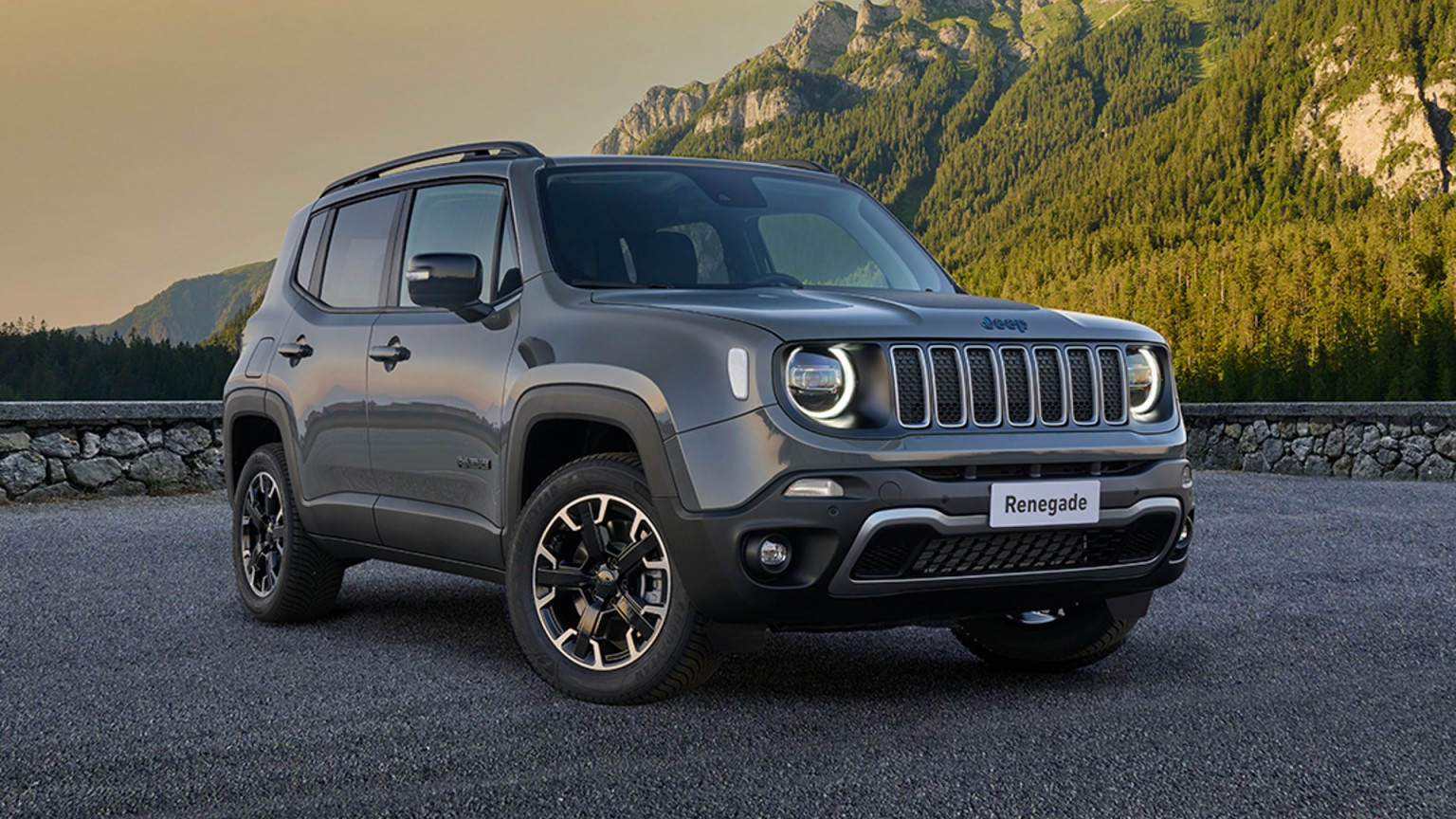
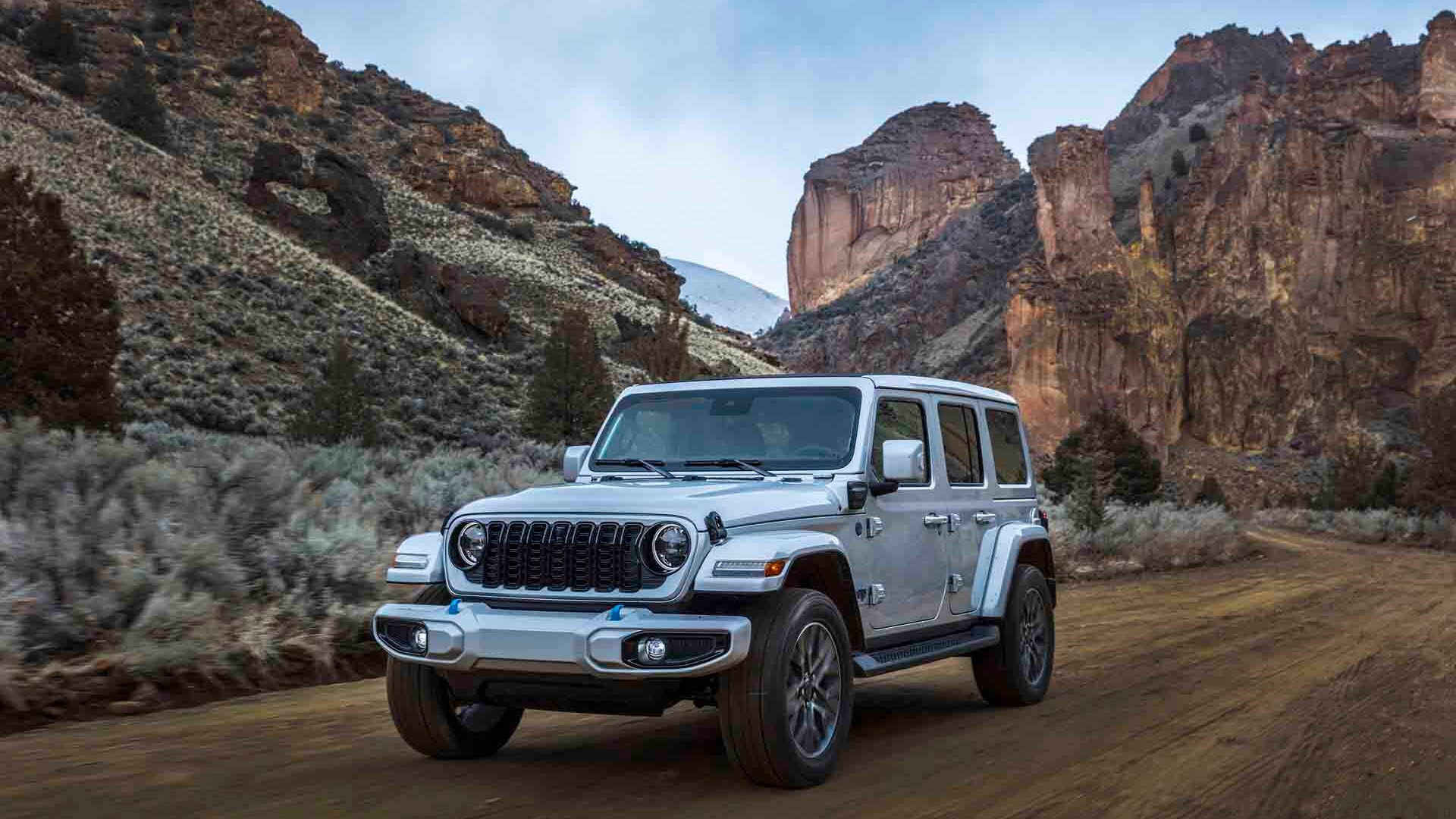
Jeep. The very name conjures images of rugged trails, open-air adventures, and a legendary history. Maintaining that legacy requires more than just regular maintenance; it demands using the right parts. Enter Jeep OEM (Original Equipment Manufacturer) parts – the unsung heroes ensuring your Jeep remains a true Jeep, capable of conquering any terrain. This comprehensive guide will delve into the world of Jeep OEM parts, exploring their importance, benefits, considerations, and everything you need to know to make informed decisions about keeping your Jeep in top condition.
Introduction: What Are Jeep OEM Parts and Why Do They Matter?
The Definitive Guide to Jeep OEM Parts: Preserving Performance and Authenticity
Jeep OEM parts are components manufactured by or specifically for Jeep (under the Mopar brand, which is Fiat Chrysler Automobiles' [FCA] parts, service, and customer care organization) to be used in their vehicles. These parts are identical to the ones originally installed in your Jeep at the factory. Unlike aftermarket parts, which are produced by independent manufacturers, OEM parts are designed, engineered, and tested to meet Jeep's stringent specifications and quality standards.
Why does this matter? Simple: performance, reliability, and preservation. Using OEM parts helps maintain your Jeep's original performance characteristics, ensures compatibility, and protects its value. Think of it like this: a well-maintained Jeep using OEM parts is a vintage guitar with original strings – it sounds and plays as it was intended. An equivalent Jeep with mismatched aftermarket parts? Potentially a cacophony.
Section 1: The Undeniable Benefits of Choosing Jeep OEM Parts
The allure of aftermarket parts often stems from lower prices. However, the short-term savings can lead to long-term problems. Here's why investing in Jeep OEM parts is a wise decision:
- Perfect Fit and Compatibility: OEM parts are designed specifically for your Jeep's make, model, and year. This ensures a perfect fit, eliminating the need for modifications or adjustments. This reduces installation time, labor costs, and the risk of damage to other components.
- Guaranteed Quality and Reliability: Jeep OEM parts undergo rigorous testing and quality control procedures. They are made from high-quality materials designed to withstand the demands of off-road adventures and daily driving. This translates to improved reliability, longevity, and fewer breakdowns.
- Maintained Performance and Handling: OEM parts are engineered to work seamlessly with your Jeep's other systems. This ensures optimal performance, handling, and fuel efficiency. Aftermarket parts may alter these characteristics, potentially compromising your Jeep's overall driving experience.
- Warranty Protection: Using non-OEM parts can sometimes void your Jeep's warranty, particularly if those parts are directly related to the failure. OEM parts, on the other hand, are often covered by their own warranty, providing added peace of mind.
- Preserved Resale Value: A Jeep maintained with OEM parts generally holds its value better than one with aftermarket parts. Potential buyers often value the assurance of knowing that the vehicle has been cared for with original components.
- Safety and Compliance: OEM parts are designed to meet or exceed all applicable safety standards and regulations. Using non-OEM parts may compromise your Jeep's safety and compliance, potentially putting you and others at risk.
Section 2: Navigating the World of Jeep OEM Parts: Where to Find Them and How to Identify Them
Finding the right Jeep OEM part requires careful navigation. Here's a breakdown of the best sources and how to ensure you're getting the real deal:
- Authorized Jeep Dealerships: Dealerships are the most reliable source for OEM parts. They have trained parts specialists who can help you identify the correct part for your Jeep and ensure its compatibility.
- Mopar Online Retailers: Mopar, the official parts and service division of Jeep, offers a comprehensive online catalog of OEM parts. This is a convenient option for browsing and ordering parts from the comfort of your home. Always verify the retailer is an authorized Mopar distributor.
- Reputable Online Parts Stores: Several reputable online parts stores specialize in Jeep OEM parts. Look for stores with a strong reputation, positive customer reviews, and clear return policies. Ensure they are an authorized Mopar seller.
- Identifying OEM Parts:
- Packaging: OEM parts typically come in branded Mopar packaging with a Jeep logo and part number.
- Part Number: Each OEM part has a unique part number. You can use this number to verify its authenticity and compatibility with your Jeep.
- Markings: OEM parts often have the Jeep logo or Mopar markings stamped or molded onto them.
- Quality: OEM parts generally have a higher level of fit and finish than aftermarket parts.

Section 3: Essential Jeep OEM Parts for Maintenance and Repair
From routine maintenance to major repairs, certain OEM parts are essential for keeping your Jeep running smoothly. Here's a list of some common and critical components:
- Filters: Oil filters, air filters, fuel filters, and cabin air filters are crucial for maintaining engine performance, air quality, and fuel efficiency.
- Brake Components: Brake pads, rotors, calipers, and brake lines are essential for safe stopping power.
- Suspension Components: Shocks, struts, springs, and control arms are vital for ride quality, handling, and off-road capability.
- Engine Components: Spark plugs, ignition coils, belts, hoses, and water pumps are critical for engine performance and reliability.
- Cooling System Components: Radiators, thermostats, and coolant hoses are essential for preventing engine overheating.
- Electrical Components: Batteries, alternators, starters, and sensors are vital for the proper functioning of your Jeep's electrical system.
- Body Panels & Trim: Fenders, bumpers, grilles, and interior trim pieces help maintain the appearance and integrity of your Jeep.
- Transfer Case & Driveline Components: Gears, bearings, seals, and shift motors maintain the reliability of your 4x4 system.
Section 4: Installation Tips and Considerations for Jeep OEM Parts
Installing OEM parts is generally straightforward, but here are some tips and considerations to ensure a successful outcome:
- Use the Right Tools: Invest in a quality set of tools appropriate for working on your Jeep. Using the wrong tools can damage parts or lead to injury.
- Follow the Service Manual: Consult your Jeep's service manual for detailed instructions and torque specifications.
- Take Pictures: Before disassembling anything, take pictures of the assembly to help you remember how everything goes back together.
- Work in a Clean Environment: Keep your work area clean and organized to prevent parts from getting lost or damaged.
- Torque to Specification: Use a torque wrench to tighten bolts and nuts to the specified torque values. Over-tightening can damage parts, while under-tightening can lead to loosening and failure.
- Test After Installation: After installing a new part, test it thoroughly to ensure it is functioning correctly.
- Consider Professional Installation: If you are not comfortable installing a part yourself, consider having it done by a qualified mechanic.
- Safety First: Always wear safety glasses and gloves when working on your Jeep.
Section 5: Potential Challenges and Solutions When Using Jeep OEM Parts
While OEM parts offer numerous benefits, some challenges may arise:
- Higher Cost: OEM parts are generally more expensive than aftermarket parts.
- Solution: Shop around at different dealerships and online retailers to compare prices. Consider purchasing parts during sales or promotions.
- Availability: Some OEM parts, especially for older Jeeps, may be difficult to find.
- Solution: Contact multiple dealerships and online retailers. Consider joining Jeep forums or online communities to connect with other owners who may have the parts you need. Check with specialized Jeep parts recyclers.
- Complexity of Part Identification: Identifying the correct OEM part can be challenging, especially for complex systems.
- Solution: Consult with a parts specialist at a Jeep dealership. Use the Vehicle Identification Number (VIN) to ensure you are ordering the correct part.
Section 6: OEM vs. Aftermarket: A Head-to-Head Comparison
| Feature | Jeep OEM Parts | Aftermarket Parts |
|---|---|---|
| Fit | Perfect, direct fit | May require modifications or adjustments |
| Quality | High, meets Jeep's stringent standards | Varies widely, can be lower quality |
| Reliability | Excellent, designed for longevity | Varies widely, can be less reliable |
| Performance | Maintains original performance characteristics | May alter performance characteristics |
| Warranty | Often covered by warranty | Varies, may not be covered by warranty |
| Resale Value | Helps maintain resale value | May negatively impact resale value |
| Safety | Meets all applicable safety standards | May not meet safety standards |
| Cost | Generally higher | Generally lower |
| Availability | Can sometimes be limited, especially for older models | Generally readily available |
Section 7: Frequently Asked Questions (FAQ)
- Q: Where can I find my Jeep's VIN?
- A: The VIN is typically located on the driver's side dashboard, visible through the windshield, and on your vehicle registration and insurance documents.
- Q: Can I install OEM parts myself?
- A: Yes, if you have the necessary skills, tools, and knowledge. However, complex repairs should be left to qualified mechanics.
- Q: Are used OEM parts a good option?
- A: Used OEM parts can be a cost-effective option, but carefully inspect them for wear and tear before purchasing. Purchase from a reputable source with a good return policy.
- Q: How do I know if an online retailer is an authorized Mopar dealer?
- A: Check for a Mopar logo or accreditation badge on their website. You can also contact Mopar directly to verify their authorization.
- Q: What is Mopar?
- A: Mopar is the parts, service, and customer care organization for Fiat Chrysler Automobiles (FCA), which includes Jeep.
Price Table of Jeep Oem Parts
| Part Name | Part Number | Estimated Price (USD) | Description |
|---|---|---|---|
| Oil Filter | 68197769AA | $10 - $15 | Genuine Mopar oil filter for most modern Jeep engines |
| Air Filter | 68225450AA | $20 - $30 | Mopar engine air filter for Jeep Wrangler JL and Gladiator JT |
| Front Brake Pads | 68232765AA | $60 - $80 (per set) | Mopar front brake pad set for Jeep Grand Cherokee WK2 |
| Rear Brake Rotors | 68052334AA | $80 - $120 (each) | Mopar rear brake rotor for Jeep Wrangler JK |
| Spark Plug (Set of 6) | SPLZFR5C-11 | $40 - $60 | Mopar spark plugs for 3.6L Pentastar V6 engine |
| Radiator | 55037608AB | $200 - $300 | Mopar radiator for Jeep Cherokee XJ (1984-2001) |
| Water Pump | 5184294AE | $150 - $250 | Mopar water pump for 3.6L Pentastar V6 engine |
| Front Bumper | 68339761AA | $400 - $600 | Mopar steel front bumper for Jeep Wrangler JL (Rubicon) |
| Fuel Filter | 68061634AA | $30 - $50 | Mopar fuel filter for various Jeep models |
| Cabin Air Filter | 68079487AA | $15 - $25 | Mopar cabin air filter for Jeep Compass and Patriot |
| Battery | 56046954BC | $150 - $250 | Mopar battery for Jeep Wrangler JK/JL |
| Headlight Assembly (Pair) | 68414354AA | $300 - $500 (pair) | Mopar LED headlight assembly for Jeep Wrangler JL |
| Suspension Shock (Front) | 68029510AB | $100 - $150 (each) | Mopar front shock absorber for Jeep Grand Cherokee WK2 |
| Transfer Case Shift Motor | 68071255AA | $250 - $350 | Mopar transfer case shift motor for Jeep Grand Cherokee WK2 |
| Transmission Filter and Gasket | 68002342AD | $50 - $75 | Mopar transmission filter and gasket kit for Jeep Grand Cherokee WK2 5-speed transmission |
Disclaimer: Prices are estimates and may vary depending on the dealer, location, and availability. Always confirm the correct part number for your specific vehicle model and year before purchasing.
Conclusion: Preserving the Jeep Legacy with OEM Parts
Jeep OEM parts are more than just replacement components; they are a commitment to preserving your Jeep's performance, reliability, and heritage. While aftermarket parts may offer a tempting price point, the long-term benefits of using OEM parts far outweigh the initial cost savings. By choosing Jeep OEM parts, you're investing in the longevity, safety, and value of your Jeep, ensuring it remains a true off-road icon for years to come. Whether you're performing routine maintenance or tackling a major repair, remember that using the right parts is crucial for keeping your Jeep adventure-ready. So, embrace the legacy, choose OEM, and keep exploring!

0 comments