The iconic Jeep, a symbol of American resilience and off-road capability, has a long and storied history. Whether you're tearing up trails in a Wrangler, navigating city streets in a Grand Cherokee, or meticulously restoring a vintage Willys, the need for replacement parts is inevitable. This is where the concept of a "Parts Jeep" comes into play. A Parts Jeep, simply put, is a Jeep acquired specifically for the purpose of harvesting its usable components to repair or upgrade another Jeep (or multiple Jeeps). It's a valuable resource for budget-conscious enthusiasts, restorers, and off-roaders alike. This article serves as your comprehensive guide to understanding the Parts Jeep, covering everything from finding the right candidate to effectively dismantling it for your benefit.
Why Consider a Parts Jeep? The Benefits Unveiled
The Parts Jeep: Your Comprehensive Guide to Salvage, Restoration, and Off-Road Mastery
Before diving into the specifics, let's understand the compelling reasons why someone might choose to acquire a Parts Jeep:
- Cost Savings: This is perhaps the most significant advantage. Purchasing individual parts, especially from dealerships, can be incredibly expensive. A Parts Jeep, even in rough condition, can often be acquired for less than the cost of a handful of new components.
- Rare or Discontinued Parts: Older Jeeps, particularly those from the Willys and CJ eras, often require parts that are no longer manufactured. A Parts Jeep can be a goldmine for these hard-to-find treasures.
- Upgrade Opportunities: A Parts Jeep might contain components that can be used to upgrade your current Jeep. For example, you might find a heavier-duty axle, a better transmission, or even a complete engine in better condition than your own.
- Bulk Buying Power: If you frequently work on Jeeps, having a Parts Jeep provides a readily available supply of commonly needed items like lights, switches, wiring harnesses, and body panels.
- Learning and Experimentation: Dismantling a Jeep, even one destined for salvage, is a fantastic way to learn about its mechanics and construction. It provides a hands-on learning experience that can be invaluable for future repairs and modifications.

Finding the Right Parts Jeep: A Hunter's Guide
Locating a suitable Parts Jeep requires a strategic approach. Here's a breakdown of where to look and what to consider:
- Online Marketplaces: Websites like Craigslist, Facebook Marketplace, and eBay Motors are excellent starting points. Use specific keywords like "Jeep parts," "Jeep project," or "Jeep salvage."
- Local Junkyards: Junkyards specializing in Jeeps or having a wide selection of vehicles are prime candidates. Be prepared to get dirty and negotiate prices.
- Online Jeep Forums and Clubs: These communities often have members selling project vehicles or parts from their own Jeeps.
- Auctions: Both online and in-person auctions can be a source of potential Parts Jeeps, but be sure to thoroughly inspect the vehicle before bidding.
- Word of Mouth: Let your network of Jeep enthusiasts know you're looking for a Parts Jeep. You might be surprised by what you uncover.
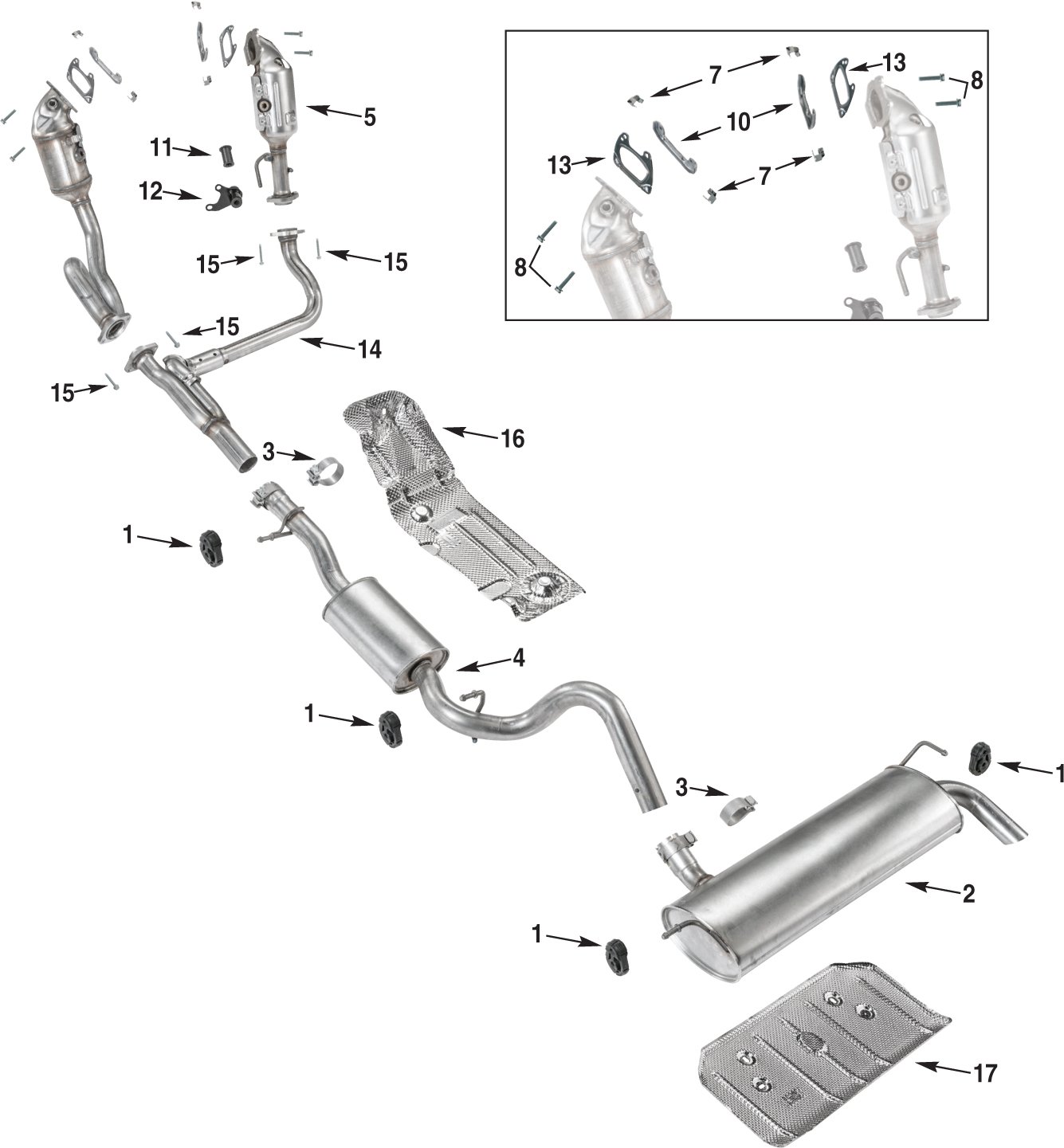
Key Considerations Before You Buy:

- Condition: Assess the overall condition of the Jeep. Focus on the parts you need and their condition. Don't get swayed by cosmetic issues if the core components are in good shape.
- Model and Year: Ensure the Parts Jeep is compatible with your Jeep. Parts often vary significantly between models and years.
- Completeness: A more complete Jeep offers more potential parts. Consider whether the engine, transmission, axles, and other major components are present.
- Rust: Rust is a major enemy of Jeeps. Carefully inspect the frame, body panels, and undercarriage for excessive rust. Heavily rusted parts may be unusable.
- A clear title is always preferable, but a parts vehicle often doesn't require one, depending on local laws. Check your local regulations regarding disposal of vehicles without a title.
- Price: Compare the asking price to the potential value of the parts. Factor in the cost of transportation and storage.
The Disassembly Process: A Step-by-Step Guide
Once you've acquired your Parts Jeep, the real work begins. Here's a methodical approach to dismantling it:
- Safety First: Disconnect the battery to prevent electrical shocks. Wear safety glasses, gloves, and appropriate footwear. Work in a well-ventilated area.
- Preparation: Gather the necessary tools, including wrenches, sockets, screwdrivers, pliers, a hammer, a pry bar, and penetrating oil. Have containers ready to organize and label the removed parts.
- Fluid Drainage: Drain all fluids, including oil, coolant, brake fluid, and fuel. Dispose of these fluids responsibly at a recycling center.
- Interior Removal: Start with the interior components, such as seats, carpets, trim, and the dashboard. Label and store each part carefully.
- Electrical System: Disconnect and remove the wiring harness. Label each wire and connector to make reinstallation easier. Take pictures for reference.
- Engine and Transmission: Disconnect all hoses, wires, and linkages connected to the engine and transmission. Use an engine hoist to carefully remove them.
- Axles and Suspension: Disconnect the axles, shocks, springs, and other suspension components.
- Body Panels: Remove the doors, hood, fenders, and other body panels. Be careful to avoid damaging them.
- Smaller Parts: Remove smaller parts like lights, switches, mirrors, and hardware.
- Cleaning and Storage: Clean and inspect all removed parts. Store them in a dry, organized location, clearly labeled.
Tips for Efficient Dismantling:
- Take Pictures: Document the disassembly process with photos. This will be invaluable when reassembling the parts.
- Label Everything: Use masking tape and a marker to label each part and its location.
- Use Penetrating Oil: Apply penetrating oil to rusted bolts and fasteners to make them easier to remove.
- Don't Force It: If a bolt or fastener is stuck, don't force it. Apply more penetrating oil or use a torch to heat it up.
- Organize Your Workspace: Keep your workspace clean and organized to prevent losing parts.
- Recycle: Recycle any scrap metal and other materials responsibly.
Potential Challenges and Solutions:
- Rusted Bolts: Use penetrating oil, heat, or bolt extractors.
- Seized Parts: Use a hammer and pry bar to loosen seized parts.
- Damaged Threads: Use a thread chaser to repair damaged threads.
- Lack of Information: Consult repair manuals and online forums for assistance.
- Storage Space: Secure adequate storage space for the removed parts.
Price Table for Parts Jeep Components
| Component | Condition | Estimated Price Range | Notes |
|---|---|---|---|
| Engine (complete) | Running | $500 - $2000 | Depends on model, year, and mileage. |
| Transmission | Working | $300 - $1000 | Manual transmissions generally cheaper than automatics. |
| Axle Assembly (front) | Good | $200 - $800 | Varies based on type (Dana 30, Dana 44, etc.) and condition. |
| Axle Assembly (rear) | Good | $200 - $800 | Varies based on type and condition. |
| Transfer Case | Working | $150 - $500 | |
| Body Panels (each) | Good, No Rust | $50 - $300 | Doors, fenders, hoods. Price depends on the panel and condition. |
| Seats (pair) | Good | $50 - $200 | Depends on type (bucket, bench) and condition. |
| Wheels (set of 4) | Good | $100 - $400 | Varies based on size, material (steel, alloy), and tire condition (if included). |
| Wiring Harness | Complete, Untouched | $50 - $200 | Harder to come by in good condition. Verify completeness. |
| Radiator | Good | $50 - $150 | Check for leaks. |
Frequently Asked Questions (FAQ)
-
Q: Is it legal to buy a Jeep without a title for parts?
- A: Generally, yes, but it depends on your local laws. Check with your DMV or local authorities regarding the requirements for disposing of vehicles without a title.
-
Q: How do I dispose of the remaining chassis after removing all the parts?
- A: Contact a local scrap metal dealer or junkyard. They will typically pay you for the scrap metal.
-
Q: What if I find a part that I don't need?
- A: Sell it online or at a local Jeep swap meet.
-
Q: How do I know if a part from the Parts Jeep is compatible with my Jeep?
- A: Consult a parts interchange manual or online resources. You can also ask for advice on Jeep forums.
-
Q: Should I buy a running Parts Jeep or one that doesn't run?
- A: A running parts Jeep can be more valuable if the engine and transmission are in good working order. However, a non-running Jeep may be cheaper and still have usable parts. Weigh the pros and cons based on your needs and budget.
Conclusion: The Enduring Legacy of the Parts Jeep
The Parts Jeep is more than just a collection of spare parts; it's a resource, a learning opportunity, and a testament to the enduring spirit of Jeep ownership. By carefully selecting, dismantling, and utilizing the components from a Parts Jeep, you can save money, acquire rare parts, upgrade your Jeep, and gain valuable mechanical knowledge. Whether you're a seasoned mechanic or a novice enthusiast, the Parts Jeep offers a unique and rewarding experience. So, embrace the challenge, get your hands dirty, and unlock the potential hidden within that pile of Jeep parts. You'll be surprised at what you can achieve.
0 comments