The 1998 Jeep Wrangler TJ. A legend. An icon. A symbol of freedom and off-road prowess. If you own one of these beasts, you know the thrill of open-air adventures and conquering challenging terrain. But like any vehicle, time and miles take their toll. Knowing about the 1998 Jeep Wrangler TJ parts and where to find them is crucial for keeping your trusty companion running smoothly for years to come. This comprehensive guide will delve into everything you need to know about maintaining and upgrading your 1998 TJ, covering everything from essential replacement parts to performance-enhancing modifications.
Why Understanding 1998 Jeep Wrangler TJ Parts is Essential
The Ultimate Guide to 1998 Jeep Wrangler TJ Parts: Keeping Your Classic Crusader Running Strong
The 1998 TJ represents a sweet spot in Jeep history. It combines the ruggedness of the Wrangler lineage with a slightly more refined (though still decidedly spartan) driving experience compared to earlier models. However, finding parts for a vehicle over two decades old can present unique challenges. Understanding the specific components, their potential issues, and where to source reliable replacements is paramount for:
- Maintaining Reliability: Replacing worn parts before they fail prevents breakdowns and ensures your TJ remains a dependable daily driver or weekend warrior.
- Preserving Value: Keeping your TJ in good condition preserves its value, both financially and sentimentally.
- Customization and Performance: Understanding the available aftermarket parts allows you to tailor your TJ to your specific needs and enhance its off-road capabilities.
- Safety: Properly functioning brakes, steering components, and lighting are crucial for safe operation, both on and off the road.
I. Engine and Drivetrain Parts
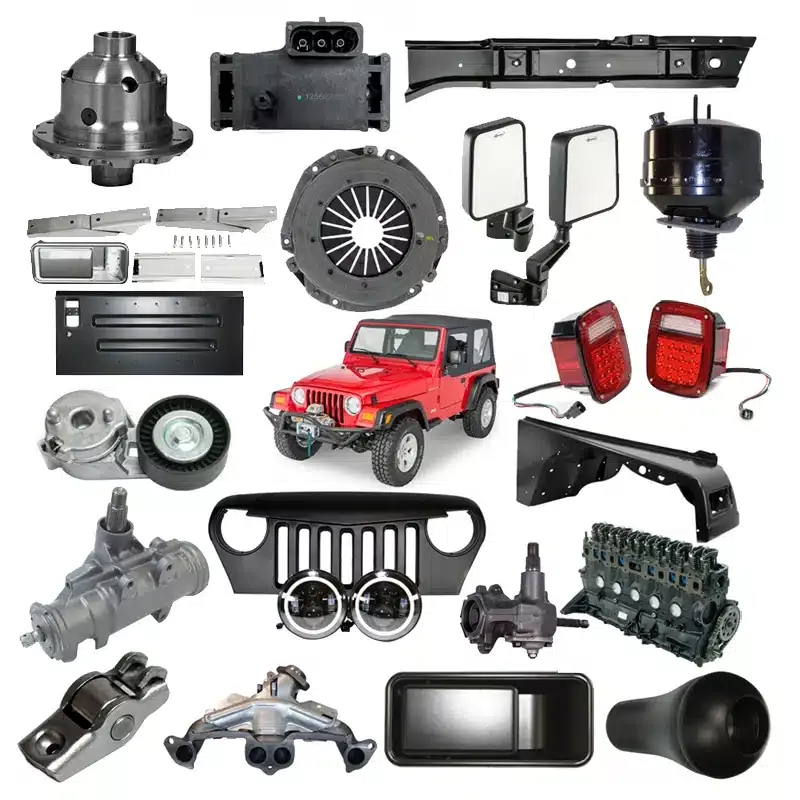
The heart of your TJ is its engine, and the drivetrain is what transfers that power to the wheels. Maintaining these components is vital for performance and longevity.
-
Engine Options: The 1998 TJ offered two engine choices:
- 2.5L Inline-4: A reliable, though less powerful, option suitable for everyday driving and light off-roading.
- 4.0L Inline-6: The more desirable option, offering significantly more power and torque for tackling tougher trails.
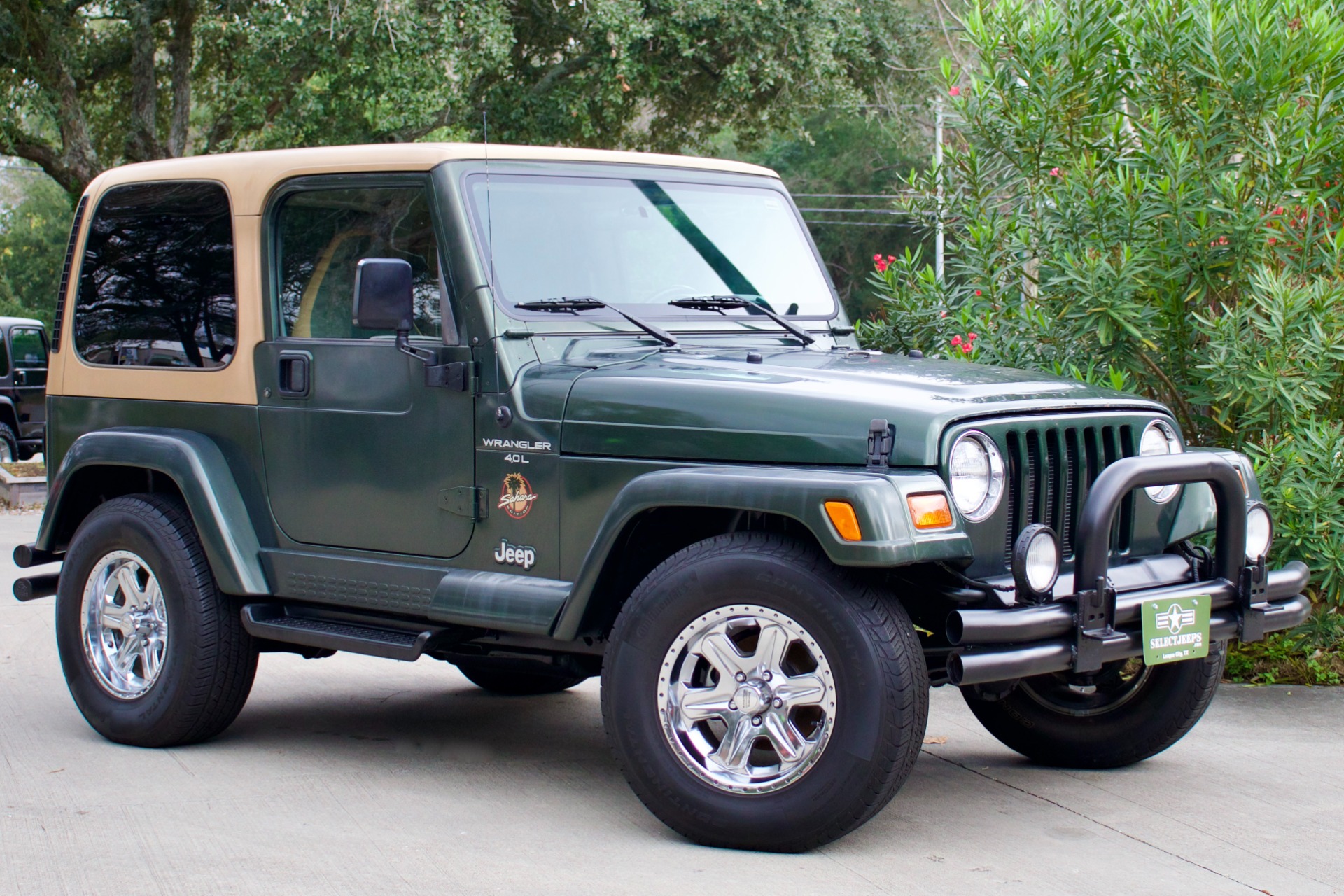
Common Engine Parts and Issues:
- Spark Plugs, Wires, and Distributor Cap: Regular replacement ensures optimal ignition performance.
- Oxygen Sensors (O2 Sensors): Failure can lead to poor fuel economy and emissions issues.
- Crankshaft Position Sensor (CKP): A common cause of no-start conditions.
- Cooling System Components (Radiator, Water Pump, Thermostat): Overheating is a serious concern; regular maintenance is crucial.
- Oil Leaks: Valve cover gaskets, oil pan gaskets, and rear main seals are common leak points.
-
Drivetrain Components:
- Transmission: Available in manual and automatic options. Look for signs of slipping or hard shifting.
- Transfer Case: The NP231 transfer case is a common and reliable unit. Inspect for leaks and proper engagement.
- Driveshafts: Check for worn U-joints and damaged slip yokes.
- Axles: Dana 30 (front) and Dana 35 (rear) are the standard axles. Consider upgrading to stronger axles if you plan on heavy off-roading.
-
Sourcing Engine and Drivetrain Parts: Reputable auto parts stores like NAPA, AutoZone, and Advance Auto Parts carry many replacement parts. Online retailers like Quadratec, Morris 4x4 Center, and Amazon offer a wider selection, including performance upgrades.
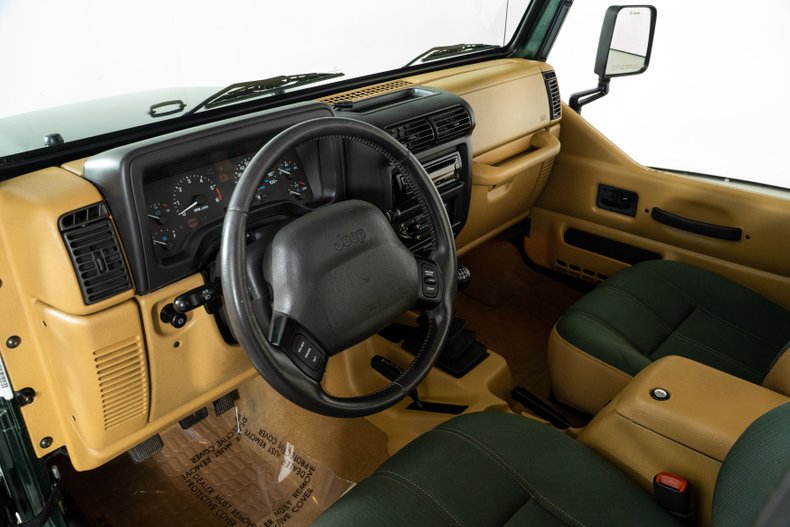
II. Suspension and Steering Parts
The suspension and steering systems are critical for ride quality, handling, and off-road capability.
-
Suspension Components:
- Leaf Springs: The TJ uses leaf springs in the rear. Over time, they can sag and lose their arch.
- Coil Springs: The TJ uses coil springs in the front. Similar to leaf springs, they can sag over time.
- Shocks: Worn shocks significantly impact ride quality and handling.
- Control Arms: Control the axle's movement. Bushings wear out over time, leading to sloppy handling.
- Track Bar: Centers the axle under the vehicle. Worn bushings can cause "death wobble."
-
Steering Components:
- Steering Gearbox: Can develop leaks and slop over time.
- Tie Rods and Drag Link: Connect the steering gearbox to the wheels. Worn tie rod ends cause steering play.
- Ball Joints: Connect the knuckles to the axle. Worn ball joints can cause steering issues and vibrations.
-
Upgrading Suspension and Steering: Many aftermarket options are available to lift your TJ and improve its off-road performance. These include lift kits, upgraded shocks, stronger control arms, and heavy-duty steering components.
-
Important Considerations: When lifting your TJ, consider the impact on driveline angles and the need for longer driveshafts or transfer case drop kits.
III. Body and Interior Parts
While not directly related to performance, the body and interior contribute to the overall enjoyment and functionality of your TJ.
-
Common Body Issues:
- Rust: TJs are prone to rust, especially in areas exposed to salt and moisture. Pay close attention to the floor pans, rocker panels, and frame.
- Soft Top: Soft tops can wear out and tear over time. Replacement tops are readily available.
- Fenders and Bumpers: Damage from off-roading or accidents is common.
-
Interior Components:
- Seats: Can wear and tear over time. Replacement seat covers or entire seat assemblies are available.
- Carpeting: Often gets stained and worn. Replacement carpeting or floor liners can freshen up the interior.
- Dashboard: Can crack and fade due to sun exposure.
- Gauges: May malfunction or become inaccurate.
-
Sourcing Body and Interior Parts: Salvage yards can be a good source for used body panels and interior parts. Online retailers like LMC Truck and Quadratec specialize in Jeep body parts.
IV. Electrical System Parts
The electrical system powers everything from the engine to the lights.
-
Common Electrical Issues:
- Battery: Replace every 3-5 years.
- Alternator: Can fail over time, leading to a dead battery.
- Starter: Can fail, preventing the engine from starting.
- Wiring Harness: Can become brittle and corroded, leading to electrical shorts.
- Lights: Bulbs can burn out, and lenses can become cracked or faded.
-
Upgrading Electrical System: If you plan on adding accessories like off-road lights or a winch, consider upgrading the battery and alternator to handle the increased electrical load.
V. Brakes and Wheels
The braking system is crucial for safety, and the wheels and tires affect both performance and appearance.
-
Brake Components:
- Brake Pads and Rotors: Replace when worn to ensure optimal braking performance.
- Brake Calipers: Can seize or leak over time.
- Brake Lines: Can corrode and leak.
- Master Cylinder: Can fail, leading to reduced braking power.
-
Wheels and Tires:
- Tire Size: The stock tire size is relatively small. Many owners upgrade to larger tires for improved off-road performance and a more aggressive look.
- Wheel Offset: Choosing the correct wheel offset is important to prevent rubbing and ensure proper fitment.
-
Upgrading Brakes: If you plan on running larger tires, consider upgrading to a big brake kit for improved stopping power.
VI. Finding the Right 1998 Jeep Wrangler TJ Parts
- Online Retailers: Quadratec, Morris 4x4 Center, Amazon, eBay.
- Local Auto Parts Stores: NAPA, AutoZone, Advance Auto Parts, O'Reilly Auto Parts.
- Jeep Forums and Clubs: Often have classifieds sections where members sell used parts.
- Salvage Yards: Can be a good source for used body panels and interior parts.
VII. Tips for Maintaining Your 1998 Jeep Wrangler TJ
- Regular Oil Changes: Follow the recommended maintenance schedule in your owner's manual.
- Inspect Fluids Regularly: Check the levels and condition of all fluids, including engine oil, coolant, brake fluid, power steering fluid, and transmission fluid.
- Grease Fittings: Grease all grease fittings on the suspension and steering components regularly.
- Check for Leaks: Inspect for leaks under the vehicle regularly.
- Address Problems Promptly: Don't ignore small problems. They can often lead to larger, more expensive repairs down the road.
- Keep it Clean: Washing your TJ regularly helps prevent rust.
Price Table
| Part Description | Approximate Price Range | Where to Buy | Notes |
|---|---|---|---|
| Engine | |||
| Spark Plugs (Set of 6) | $20 - $50 | AutoZone, NAPA, Amazon | Check engine specification |
| Oxygen Sensor | $30 - $100 | AutoZone, NAPA, Amazon | Pre-cat or Post-cat matters |
| Water Pump | $50 - $150 | AutoZone, NAPA, Amazon | Consider the quality and brand |
| Radiator | $100 - $300 | AutoZone, NAPA, Amazon | Depending on the material and brand |
| Drivetrain | |||
| Clutch Kit | $150 - $400 | Quadratec, Amazon | Includes disc, pressure plate, and throwout bearing |
| Transmission Filter Kit (Automatic) | $20 - $50 | AutoZone, NAPA | Fluid extra |
| U-Joint (Driveshaft) | $15 - $40 | AutoZone, NAPA | Depending on the brand |
| Suspension & Steering | |||
| Shock Absorbers (Set of 4) | $100 - $500 | Quadratec, Amazon | Price varies significantly based on brand and type |
| Leaf Spring (Rear) | $100 - $300 each | Quadratec, Morris 4x4 Center | Consider lift and load capacity |
| Ball Joint (Front, Upper or Lower) | $20 - $80 each | AutoZone, NAPA | Important to replace in pairs |
| Tie Rod End | $20 - $60 each | AutoZone, NAPA | Replace in pairs for even wear |
| Brakes | |||
| Brake Pads (Front or Rear Set) | $20 - $60 | AutoZone, NAPA | Ceramic pads offer better performance |
| Brake Rotor (Each) | $30 - $100 | AutoZone, NAPA | Consider drilled or slotted for performance |
| Body | |||
| Soft Top Replacement | $300 - $1000 | Quadratec, Amazon | Varies greatly by material and features |
| Fender Flare (Each) | $50 - $200 | Quadratec, Morris 4x4 Center | Depending on the style |
| Electrical | |||
| Battery | $100 - $250 | AutoZone, NAPA | Cold Cranking Amps (CCA) important |
| Alternator | $100 - $300 | AutoZone, NAPA | Amperage rating is key |
VIII. Frequently Asked Questions (FAQ)
-
Q: Where can I find a reliable mechanic who specializes in Jeeps?
- A: Ask for recommendations from local Jeep clubs or online forums. Look for mechanics with experience working on older Jeeps.
-
Q: What are some common upgrades for a 1998 TJ?
- A: Popular upgrades include a lift kit, larger tires, aftermarket bumpers, and a winch.
-
Q: How do I know if my ball joints are bad?
- A: Signs of bad ball joints include steering play, vibrations, and a clunking noise when going over bumps.
-
Q: My TJ has the "death wobble." What could be causing it?
- A: Death wobble is a violent shaking of the front end. Common causes include worn track bar bushings, loose steering components, and unbalanced tires.
-
Q: How often should I change the oil in my 1998 TJ?
- A: Follow the recommended maintenance schedule in your owner's manual. Generally, every 3,000-5,000 miles is a good interval.
Conclusion
Owning a 1998 Jeep Wrangler TJ is a rewarding experience. By understanding the common issues, knowing where to find the right parts, and performing regular maintenance, you can keep your classic crusader running strong for years to come. Don't be afraid to get your hands dirty and tackle some repairs yourself. With a little knowledge and effort, you can keep your 1998 TJ on the road (and off the road) for many adventures to come. The spirit of the Wrangler lives on, and by taking care of your TJ, you're ensuring that spirit continues to thrive.
0 comments