Jeeps are legendary for their ruggedness, versatility, and off-road prowess. But even the most capable Jeep needs regular maintenance and the occasional upgrade to stay in peak condition. Whether you're a seasoned off-roader, a daily commuter, or just love the iconic Jeep look, understanding the crucial parts that keep your vehicle running smoothly is essential. This guide explores 47 key Jeep parts, covering everything from essential components to performance upgrades, helping you keep your Jeep ready for any adventure.
Introduction: Why Understanding Jeep Parts Matters
The Ultimate Guide to 47 Essential Jeep Parts: Keeping Your Off-Road Machine Ready for Adventure
Knowing the ins and outs of your Jeep's components isn't just for mechanics. It empowers you to diagnose problems, perform basic maintenance, and make informed decisions when upgrades or repairs are needed. Understanding the function of each part allows you to tailor your Jeep to your specific needs, whether you're aiming for extreme rock crawling or a comfortable daily driving experience. This guide serves as a comprehensive resource, providing you with the knowledge to confidently navigate the world of Jeep parts.
I. Essential Engine Components (8 Parts)
The engine is the heart of your Jeep. These components are vital for its reliable operation:
- Engine Block: The foundation of the engine, housing the cylinders and other critical components.
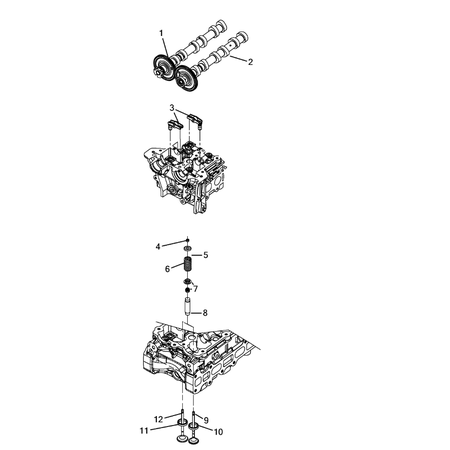
- Cylinder Head: Sits atop the engine block, containing the valves, spark plugs, and combustion chambers.
- Piston: Moves up and down within the cylinder, converting combustion energy into mechanical motion.
- Connecting Rod: Connects the piston to the crankshaft, transmitting power.
- Crankshaft: Converts the reciprocating motion of the pistons into rotary motion, which drives the transmission.
- Water Pump: Circulates coolant through the engine to prevent overheating.
- Alternator: Generates electricity to power the vehicle's electrical system and charge the battery.
- Starter Motor: Cranks the engine to initiate the combustion process.
II. Drivetrain Components (10 Parts)
The drivetrain transfers power from the engine to the wheels. These components are critical for getting your Jeep moving:
- Transmission: Changes gear ratios to optimize engine power and speed for different driving conditions.
- Transfer Case: (For 4x4 Jeeps) Splits power between the front and rear axles, enabling four-wheel drive.
- Driveshaft: Transmits torque from the transmission or transfer case to the axles.
- Front Axle: (For 4x4 Jeeps) Houses the differential and provides power to the front wheels.
- Rear Axle: Houses the differential and provides power to the rear wheels.
- Differential: Allows the wheels on an axle to rotate at different speeds, essential for turning.
- U-Joint (Universal Joint): Connects rotating shafts, allowing for angular misalignment. Found in driveshafts and axles.
- CV Joint (Constant Velocity Joint): Similar to U-joints, but designed to maintain a constant speed ratio even at large angles. Common in front axles of independent suspension Jeeps.
- Clutch: (For manual transmissions) Connects and disconnects the engine from the transmission.
- Flywheel: (For manual transmissions) Stores rotational energy and provides a surface for the clutch to engage.
III. Suspension and Steering Components (12 Parts)
These parts ensure a smooth ride and responsive handling, especially important off-road:
- Leaf Springs: (Common in older Jeeps) Provide suspension and locate the axle.
- Coil Springs: (Common in newer Jeeps) Provide suspension and allow for greater articulation.
- Shock Absorbers: Dampen oscillations from the springs, improving ride quality and control.
- Control Arms: Connect the axle to the frame, controlling axle movement.
- Track Bar: (Panhard Bar) Prevents lateral movement of the axle.
- Sway Bar: (Anti-Roll Bar) Reduces body roll during cornering, improving stability.
- Tie Rod: Connects the steering linkage to the steering knuckles, transmitting steering input.
- Drag Link: Connects the pitman arm to the steering knuckle, transmitting steering input.
- Steering Knuckle: Connects the suspension components to the wheel hub and allows for steering.
- Steering Gearbox: Converts steering wheel input into mechanical force to turn the wheels.
- Power Steering Pump: Provides hydraulic assistance to the steering gearbox, making steering easier.
- Ball Joints: Allow for movement between suspension components.
IV. Braking System Components (6 Parts)
Reliable brakes are crucial for safety, both on and off-road:
- Brake Pads: Create friction against the brake rotors to slow or stop the vehicle.
- Brake Rotors: Rotating discs that the brake pads clamp onto.
- Brake Calipers: House the brake pads and apply pressure to the rotors.
- Brake Lines: Carry brake fluid from the master cylinder to the calipers.
- Master Cylinder: Supplies brake fluid to the brake lines when the brake pedal is pressed.
- Brake Booster: Provides power assist to the braking system, making it easier to apply the brakes.
V. Body and Exterior Components (5 Parts)
These parts define the Jeep's look and provide protection:
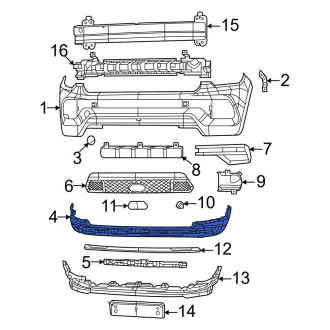
- Bumpers: Protect the vehicle from impacts and can be upgraded for off-road use.
- Fenders: Protect the tires and prevent debris from being thrown onto the vehicle.
- Grille: A distinctive Jeep feature, allowing airflow to the radiator.
- Windshield: Provides visibility and protection from the elements.
- Doors: Provide access to the vehicle and can be removed for open-air driving.
VI. Electrical System Components (6 Parts)
These parts power the vehicle's electronics:
- Battery: Stores electrical energy and provides power to start the engine and run accessories.
- Wiring Harness: A network of wires that connects all the electrical components.
- Fuses: Protect electrical circuits from overloads.
- Relays: Control high-current circuits using a low-current signal.
- Sensors: Monitor various parameters, such as engine temperature, oil pressure, and wheel speed.
- ECU (Engine Control Unit): The "brain" of the engine, controlling various engine functions.
VII. Price Table
| Part Name | Approximate Price Range | Notes |
|---|---|---|
| Engine Block | $500 - $3000 | Varies greatly by engine type |
| Cylinder Head | $300 - $1500 | Varies greatly by engine type |
| Piston | $50 - $200 (each) | Price per piston |
| Connecting Rod | $30 - $100 (each) | Price per connecting rod |
| Crankshaft | $300 - $1000 | Varies by engine type |
| Water Pump | $50 - $200 | |
| Alternator | $100 - $400 | |
| Starter Motor | $80 - $300 | |
| Transmission | $800 - $4000 | Varies by transmission type |
| Transfer Case | $500 - $2000 | Varies by model and condition |
| Driveshaft | $200 - $800 | |
| Front Axle | $500 - $3000 | Varies by model and condition |
| Rear Axle | $500 - $3000 | Varies by model and condition |
| Differential | $300 - $1500 | Varies by gear ratio and type |
| U-Joint | $10 - $50 (each) | |
| CV Joint | $50 - $200 (each) | |
| Clutch | $150 - $500 | |
| Flywheel | $100 - $400 | |
| Leaf Springs | $100 - $400 (each) | |
| Coil Springs | $80 - $300 (each) | |
| Shock Absorbers | $50 - $300 (each) | Varies by brand and type |
| Control Arms | $50 - $200 (each) | |
| Track Bar | $80 - $300 | |
| Sway Bar | $100 - $400 | |
| Tie Rod | $50 - $200 | |
| Drag Link | $50 - $200 | |
| Steering Knuckle | $100 - $400 (each) | |
| Steering Gearbox | $200 - $800 | |
| Power Steering Pump | $100 - $300 | |
| Ball Joints | $20 - $100 (each) | |
| Brake Pads | $30 - $100 (per set) | |
| Brake Rotors | $50 - $200 (each) | |
| Brake Calipers | $80 - $300 (each) | |
| Brake Lines | $20 - $100 (per line) | |
| Master Cylinder | $80 - $250 | |
| Brake Booster | $100 - $400 | |
| Bumpers | $100 - $1000+ | Varies widely by style |
| Fenders | $100 - $500 (each) | |
| Grille | $50 - $300 | |
| Windshield | $150 - $500 | |
| Doors | $200 - $1000+ (each) | Varies widely by type and condition |
| Battery | $80 - $300 | |
| Wiring Harness | $200 - $1000+ | Varies greatly by complexity |
| Fuses | $0.50 - $5 (each) | |
| Relays | $5 - $20 (each) | |
| Sensors | $20 - $100 (each) | Varies by sensor type |
| ECU (Engine Control Unit) | $300 - $1500+ | Varies greatly by model |
VIII. Practical Advice and Actionable Insights
- Regular Maintenance: Following the manufacturer's recommended maintenance schedule is crucial for preventing costly repairs.
- Inspect Regularly: Regularly inspect your Jeep for signs of wear and tear, such as leaks, cracks, and unusual noises.
- Use Quality Parts: Investing in high-quality parts can save you money in the long run by providing better performance and longevity.
- Consult a Professional: If you're unsure about a repair or upgrade, consult a qualified mechanic.
- Consider Upgrades: Upgrading certain parts, such as shocks, springs, and bumpers, can improve your Jeep's performance and capabilities.
- Document Your Work: Keep records of all maintenance and repairs performed on your Jeep. This will help you track its history and identify potential problems.
- Off-Road Considerations: If you frequently off-road, consider upgrading components like axles, tires, and suspension for increased durability and performance.
IX. Potential Challenges and Solutions
- Finding the Right Parts: Identifying the correct part for your specific Jeep model and year can be challenging. Utilize online resources, consult with parts specialists, and double-check part numbers.
- Installation Difficulties: Some repairs and upgrades can be complex and require specialized tools. Consider hiring a professional if you lack the necessary skills or equipment.
- Part Availability: Certain parts, especially for older Jeeps, may be difficult to find. Explore online marketplaces, salvage yards, and specialty Jeep parts suppliers.
- Cost: Jeep parts can be expensive. Shop around for the best prices and consider aftermarket options for more affordable alternatives.
X. Frequently Asked Questions (FAQ)
-
Q: Where can I find the part number for a specific Jeep part?
- A: Part numbers can often be found stamped on the part itself, in the owner's manual, or by searching online using your Jeep's VIN (Vehicle Identification Number).
-
Q: What are the best brands for Jeep parts?
- A: Some popular and reputable Jeep parts brands include Mopar (OEM), Crown Automotive, TeraFlex, ARB, and Currie Enterprises. The best brand depends on the specific part and your budget.
-
Q: Can I install Jeep parts myself?
- A: Many Jeep parts can be installed by DIYers with the right tools and knowledge. However, some repairs and upgrades are best left to professionals.
-
Q: How often should I replace certain Jeep parts?
- A: The replacement frequency depends on the part and your driving conditions. Consult your owner's manual for recommended maintenance intervals. Regularly inspect your vehicle for signs of wear and tear.
-
Q: Are aftermarket Jeep parts as good as OEM parts?
- A: Aftermarket parts can be just as good as OEM parts, and sometimes even better, depending on the brand and quality. However, it's important to research and choose reputable aftermarket brands.
Conclusion: Keeping Your Jeep Adventure-Ready
Understanding the 47 essential Jeep parts outlined in this guide will empower you to maintain, repair, and upgrade your vehicle with confidence. By performing regular maintenance, inspecting for wear and tear, and choosing quality parts, you can ensure that your Jeep remains a reliable and capable companion for all your adventures, on and off the road. Remember, a well-maintained Jeep is a happy Jeep, ready to tackle any challenge you throw its way.
0 comments