Jeeps are iconic vehicles, celebrated for their ruggedness, off-road capability, and distinctive aesthetic. A crucial component contributing to all three of these aspects is the bumper. More than just a cosmetic addition, the Jeep bumper is a critical safety feature and a primary point for customization and off-road enhancement. This comprehensive guide delves into the world of Jeep bumper parts, exploring their importance, types, benefits, installation considerations, and everything else you need to know to choose the right bumper for your Jeep.
Introduction: More Than Just Chrome - The Vital Role of Jeep Bumpers
The Ultimate Guide to Jeep Bumper Parts: Protection, Customization, and Off-Road Readiness
Jeep bumper parts are the components that make up the front and rear bumpers of a Jeep vehicle. While the term "bumper" often conjures images of shiny chrome strips on older vehicles, modern Jeep bumpers are far more sophisticated. They consist of various parts working in concert to provide impact protection, mounting points for accessories, and a rugged appearance that complements the Jeep's adventurous spirit.
The importance of Jeep bumpers extends beyond aesthetics. They serve as the first line of defense in collisions, protecting the vehicle's frame, engine, and occupants. They also provide crucial mounting points for essential off-road equipment like winches, lights, D-rings (for recovery), and even spare tire carriers. For the serious off-roader, a well-chosen and properly installed bumper is an absolute necessity.
Section 1: Understanding the Anatomy of a Jeep Bumper
A Jeep bumper is rarely a single piece of metal. It's typically an assembly of several parts, each contributing to its overall function and durability. Understanding these parts is key to making informed decisions about replacements, upgrades, and customizations.
- Bumper Shell/Main Body: This is the primary structure of the bumper, usually made of steel or aluminum. It provides the main impact protection and determines the overall shape and style of the bumper.
- Bumper End Caps: These caps protect the sides of the vehicle and often house fog lights or turn signals. They can be removable or integrated into the main bumper body.
- Mounting Brackets: These brackets attach the bumper to the Jeep's frame. They are crucial for ensuring the bumper can withstand impacts and support the weight of accessories.
- D-Ring Mounts (Shackle Mounts): These reinforced mounting points are designed to accommodate D-rings or shackles, which are used for connecting tow straps during vehicle recovery.
- Winch Plate/Mount: If you plan to install a winch, you'll need a bumper with a built-in winch plate or a separate winch mount that attaches to the bumper.
- Fog Light Housings/Mounts: Many aftermarket bumpers include housings or mounts for auxiliary fog lights, improving visibility in challenging conditions.
- Skid Plate: A skid plate is a protective panel that mounts below the bumper, shielding vulnerable components like the sway bar disconnect and steering box from rocks and debris.
- Hardware (Bolts, Nuts, Washers): High-quality hardware is essential for securely attaching the bumper and all its components to the vehicle.
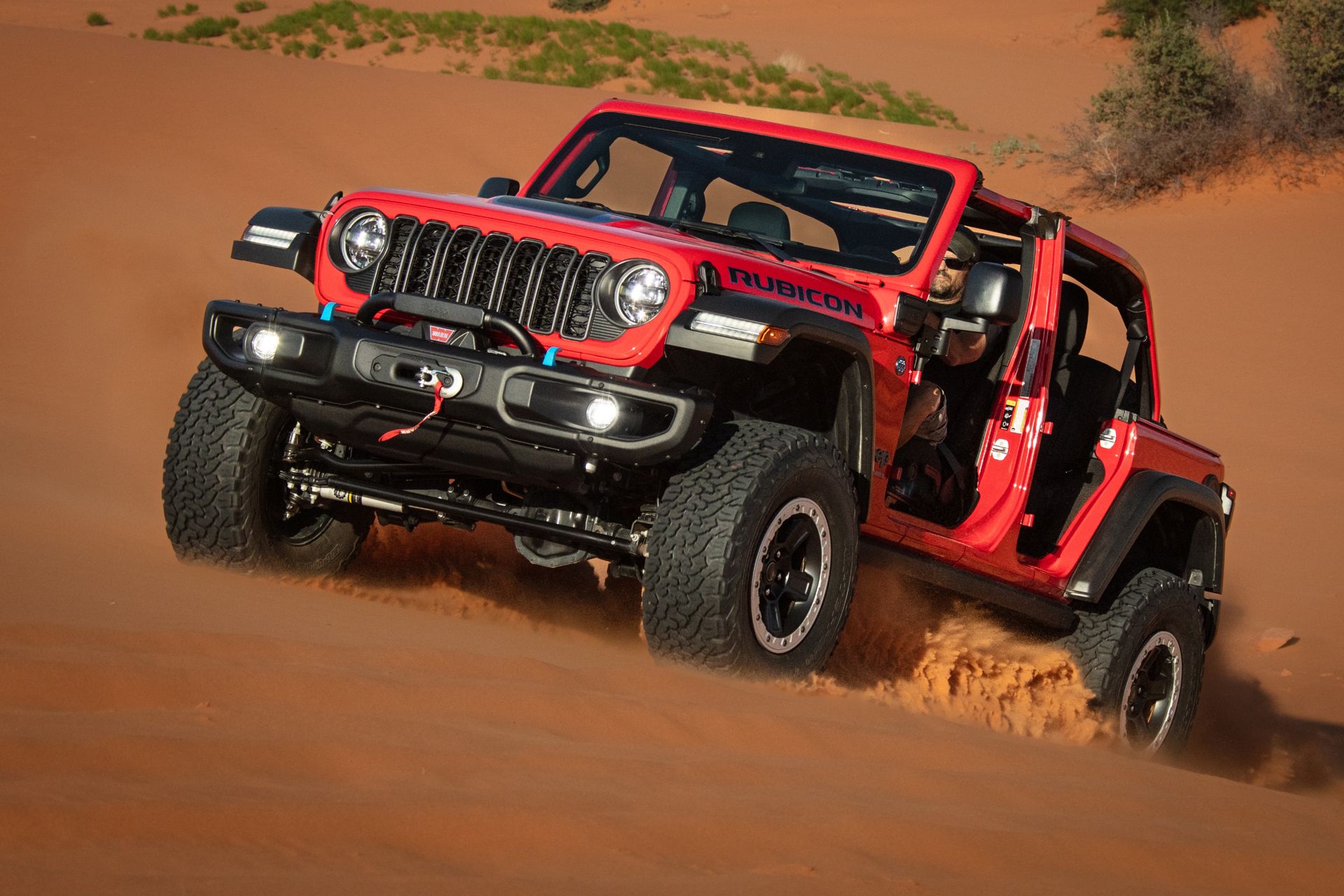
Section 2: Types of Jeep Bumpers: Choosing the Right Style for Your Needs
The market offers a wide variety of Jeep bumpers, each designed for specific purposes and aesthetic preferences. Here's a breakdown of the most common types:
- Factory/OEM Bumpers: These are the bumpers that come standard on new Jeeps. They are typically made of steel or plastic and offer basic impact protection. While adequate for everyday driving, they often lack the strength and features required for serious off-roading.
- Stubby Bumpers: These are shorter than factory bumpers, offering improved approach angles for off-road obstacles. They are popular among rock crawlers who prioritize maneuverability.
- Mid-Width Bumpers: These bumpers offer a balance between protection and approach angle, extending slightly beyond the width of the Jeep's grille. They are a versatile option for both on-road and off-road use.
- Full-Width Bumpers: These bumpers provide maximum protection, extending across the entire width of the Jeep and often incorporating brush guards or grille guards. They are ideal for those who frequently encounter challenging terrain.
- Tube Bumpers: These bumpers are constructed from steel tubing, offering a minimalist and lightweight design. They provide good protection for the front and rear of the Jeep while maintaining excellent ground clearance.
- Modular Bumpers: These bumpers consist of several interchangeable sections, allowing you to customize the bumper to your specific needs. You can add or remove sections to change the bumper's width, add or remove brush guards, and configure the bumper to accommodate different accessories.

Section 3: Material Matters: Steel vs. Aluminum Bumpers
The material used to construct a Jeep bumper significantly impacts its strength, weight, and corrosion resistance. The two most common materials are steel and aluminum.
- Steel Bumpers:
- Pros: Highly durable, strong impact resistance, relatively inexpensive, easy to weld and repair.
- Cons: Heavy, prone to rust if not properly coated.
- Aluminum Bumpers:
- Pros: Lightweight, corrosion-resistant, visually appealing.
- Cons: More expensive than steel, not as strong as steel in extreme impacts, more difficult to weld and repair.
The choice between steel and aluminum depends on your individual needs and priorities. If you prioritize maximum strength and affordability, steel is the better option. If you're concerned about weight and corrosion resistance, aluminum is a good choice, provided you're willing to pay a premium.
Section 4: Installing a Jeep Bumper: A Step-by-Step Guide (General)
While specific installation instructions vary depending on the bumper and Jeep model, here's a general overview of the process:
- Preparation: Gather all necessary tools, including sockets, wrenches, a torque wrench, a jack, jack stands, and safety glasses.
- Remove the Old Bumper: Disconnect any electrical connections (fog lights, parking sensors, etc.) and remove the bolts holding the old bumper in place. Carefully remove the bumper and set it aside.
- Install Mounting Brackets: Attach the mounting brackets for the new bumper to the Jeep's frame, following the manufacturer's instructions.
- Attach the New Bumper: Carefully lift the new bumper into place and align it with the mounting brackets.
- Secure the Bumper: Install the bolts and washers to secure the bumper to the mounting brackets. Tighten the bolts to the manufacturer's specified torque using a torque wrench.
- Reconnect Electrical Connections: Reconnect any electrical connections for fog lights, parking sensors, or other accessories.
- Test and Adjust: Test all lights and accessories to ensure they are working properly. Make any necessary adjustments to the bumper's position.
Important Considerations:
- Torque Specifications: Always use a torque wrench to tighten bolts to the manufacturer's specified torque. Over-tightening can damage the bolts or the frame, while under-tightening can lead to the bumper coming loose.
- Wiring: Pay close attention to wiring when disconnecting and reconnecting electrical connections. Ensure that all wires are properly connected and insulated to prevent shorts.
- Safety: Always wear safety glasses when working on your vehicle. Use jack stands to support the Jeep while removing and installing the bumper.
Section 5: Essential Accessories for Your Jeep Bumper
Once you've chosen and installed your Jeep bumper, consider adding these essential accessories to enhance its functionality and appearance:
- Winch: A winch is a powerful tool for self-recovery in off-road situations.
- D-Rings (Shackles): D-rings are used to connect tow straps to the bumper for vehicle recovery.
- Fog Lights: Fog lights improve visibility in fog, rain, and snow.
- Light Bars: Light bars provide a powerful source of illumination for off-road driving at night.
- Brush Guards/Grille Guards: Brush guards protect the Jeep's grille and headlights from damage.
- Spare Tire Carrier: A spare tire carrier allows you to mount a larger spare tire on the rear bumper.
Section 6: Troubleshooting Common Jeep Bumper Issues
Even with proper installation and maintenance, you may encounter some common issues with your Jeep bumper. Here are some troubleshooting tips:
- Rattling or Squeaking: This can be caused by loose bolts or worn-out bushings. Tighten all bolts and replace any worn-out bushings.
- Rust: Steel bumpers are prone to rust, especially in areas with harsh weather conditions. Regularly inspect your bumper for rust and treat any rust spots with a rust inhibitor.
- Damage from Impacts: If your bumper has been damaged in an impact, inspect it for cracks or bends. Minor damage can be repaired, but severe damage may require replacing the bumper.
- Difficulty Installing Accessories: If you're having trouble installing accessories on your bumper, double-check the manufacturer's instructions and make sure you have the correct hardware.
Table Price: Jeep Bumper Parts
| Part Name | Material | Estimated Price (USD) | Notes |
|---|---|---|---|
| Front Bumper (OEM) | Steel/Plastic | $200 - $500 | Standard factory bumper; price varies based on Jeep model and condition. |
| Front Bumper (Aftermarket) | Steel/Aluminum | $400 - $2000 | Price depends on the brand, material, features (winch mount, D-ring mounts, etc.), and complexity. |
| Rear Bumper (OEM) | Steel/Plastic | $250 - $600 | Standard factory bumper; price varies based on Jeep model and condition. |
| Rear Bumper (Aftermarket) | Steel/Aluminum | $500 - $2500 | Price depends on the brand, material, features (tire carrier, D-ring mounts, etc.), and complexity. |
| Bumper End Caps | Plastic/Steel | $50 - $200 (per pair) | Price depends on the material and design. |
| Mounting Brackets | Steel | $50 - $150 (per pair) | Price depends on the bumper type and Jeep model. |
| D-Ring Mounts | Steel | $30 - $100 (per pair) | Price depends on the material and load rating. |
| Winch Plate/Mount | Steel | $80 - $250 | Price depends on the winch capacity and mounting location. |
| Fog Light Housings | Plastic | $20 - $80 (per pair) | Price depends on the size and design. |
| Skid Plate | Steel/Aluminum | $100 - $400 | Price depends on the material, size, and coverage area. |
| D-Rings (Shackles) | Steel | $20 - $50 (each) | Price depends on the load rating. |
Note: Prices are approximate and can vary depending on the vendor, location, and current market conditions. It's always best to shop around and compare prices before making a purchase.
Frequently Asked Questions (FAQ)
- Q: What is the best material for a Jeep bumper?
- A: It depends on your needs and budget. Steel is stronger and more affordable, while aluminum is lighter and corrosion-resistant.
- Q: How do I choose the right bumper for my Jeep?
- A: Consider your driving style, off-road needs, and aesthetic preferences. Choose a bumper that provides the protection and features you need without sacrificing performance or appearance.
- Q: Can I install a Jeep bumper myself?
- A: Yes, but it requires some mechanical knowledge and tools. If you're not comfortable working on your vehicle, it's best to have a professional install the bumper.
- Q: How often should I inspect my Jeep bumper?
- A: Inspect your bumper regularly, especially after off-road trips or impacts. Look for cracks, bends, rust, or loose bolts.
- Q: What is a D-ring used for?
- A: D-rings (also known as shackles) are used to connect tow straps to the bumper for vehicle recovery.
Conclusion: Protecting Your Investment and Enhancing Your Adventure
Jeep bumper parts are essential components that contribute to the safety, functionality, and aesthetics of your Jeep. By understanding the different types of bumpers, materials, and accessories available, you can choose the right bumper to meet your specific needs and enhance your off-road adventures. Whether you're looking for added protection on the trail, a more aggressive look, or a platform for mounting essential accessories, the right Jeep bumper can make all the difference. Invest wisely, maintain your bumper properly, and enjoy the peace of mind that comes with knowing your Jeep is well-protected and ready for anything.
0 comments