The Jeep Cherokee. The name conjures images of rugged trails, adventurous weekends, and a vehicle that's as comfortable cruising down the highway as it is crawling over rocks. From the iconic XJ (1984-2001) to the more modern KL (2014-present), the Cherokee has earned its place in Jeep history. However, like any vehicle, Cherokees require maintenance and repairs. Knowing your Jeep Cherokee parts list is crucial for keeping your ride running smoothly, whether you're a seasoned mechanic or just starting to wrench on your own vehicle. This comprehensive guide will break down the essential components, offer practical advice, and help you navigate the world of Jeep Cherokee parts.
Introduction: Why Understanding Your Jeep Cherokee Parts List Matters
The Ultimate Guide to Jeep Cherokee Parts: Keeping Your XJ (and Beyond) on the Trail
Knowing the parts that make up your Jeep Cherokee is more than just trivia; it's essential for several reasons:
- DIY Maintenance and Repairs: Understanding the names and functions of various parts empowers you to tackle basic maintenance tasks like oil changes, filter replacements, and brake pad replacements. This saves you money on labor costs and gives you a deeper understanding of your vehicle.
- Accurate Diagnosis: When your Cherokee starts acting up, being able to describe the symptoms and identify the affected part accurately is crucial for communicating with mechanics and ordering the correct replacement.
- Informed Purchasing Decisions: Whether you're buying replacement parts or upgrading your Jeep for off-roading, knowing the available options and their quality will help you make informed purchasing decisions.
- Extending Your Jeep's Lifespan: Regular maintenance and timely repairs, facilitated by a good understanding of parts, can significantly extend the life of your Jeep Cherokee.
- Preserving a Classic (XJ): For XJ owners, sourcing and maintaining original or high-quality replacement parts is crucial for preserving the vehicle's value and character.
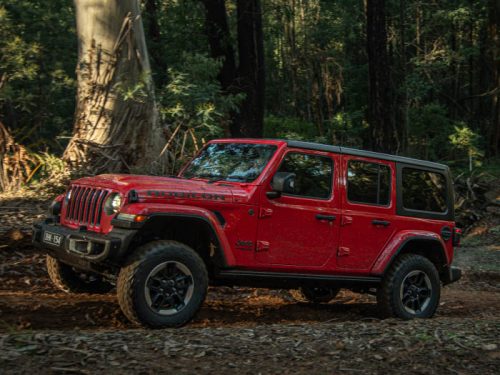
This article will cover a wide range of Jeep Cherokee parts, focusing primarily on the XJ (1984-2001) due to its popularity and readily available parts. We'll also touch upon key components for the KL (2014-present).
1. Engine Components: The Heart of Your Cherokee
The engine is arguably the most critical system in your Cherokee. Understanding its components is paramount.
- Block: The foundation of the engine, housing the cylinders. Replacement is rare unless there's significant damage.
- Cylinder Head: Sits atop the block, containing the valves, camshaft, and combustion chambers. Common issues include cracked heads, especially in older models.
- Pistons and Connecting Rods: Convert combustion energy into mechanical motion. Usually replaced during engine rebuilds.
- Crankshaft: Converts the reciprocating motion of the pistons into rotational motion. Requires specialized tools for replacement.
- Camshaft: Controls the opening and closing of the valves. Different camshaft profiles can improve performance.
- Valves (Intake and Exhaust): Regulate the flow of air and exhaust gases into and out of the combustion chambers.
- Timing Chain or Belt: Synchronizes the rotation of the crankshaft and camshaft. Regular replacement is crucial to prevent catastrophic engine damage. (XJ has a timing chain, KL uses a timing chain).
- Water Pump: Circulates coolant to prevent overheating. A common failure point, especially in older models.
- Radiator: Dissipates heat from the coolant. Check for leaks and proper airflow.
- Thermostat: Regulates engine temperature. A faulty thermostat can cause overheating or poor fuel economy.
- Oil Pump: Circulates oil to lubricate engine components.
- Fuel Injectors: Spray fuel into the combustion chambers. Clogged injectors can cause poor performance and misfires.
- Spark Plugs: Ignite the air-fuel mixture in the combustion chambers. Regular replacement is essential for optimal performance.
- Distributor (XJ only): Distributes high-voltage electricity to the spark plugs. Replaced by coil packs in the KL.
- Coil Packs (KL only): Individually ignite each cylinder's spark plug.
- Sensors (Crankshaft Position Sensor, Camshaft Position Sensor, Oxygen Sensor, etc.): Provide crucial data to the engine control unit (ECU) for optimal engine management.

Practical Advice:
- Regular Oil Changes: Use the correct viscosity oil and change it according to the manufacturer's recommendations.
- Inspect Hoses and Belts: Check for cracks, wear, and leaks. Replace as needed.
- Listen for Unusual Noises: Pay attention to any unusual sounds coming from the engine, as they can indicate a potential problem.
- Consider an Engine Rebuild: If your engine has high mileage or is experiencing significant problems, consider an engine rebuild as a cost-effective alternative to replacement.
2. Drivetrain Components: Putting the Power to the Ground
The drivetrain transfers the engine's power to the wheels, enabling movement.
- Transmission (Automatic or Manual): Transmits power from the engine to the axles. Regular fluid changes are crucial for longevity.
- Transfer Case (4x4 models): Allows the driver to select between 2WD and 4WD.
- Driveshafts: Connect the transmission and transfer case to the axles. Check for worn U-joints and proper lubrication.
- Axles (Front and Rear): Transmit power from the driveshafts to the wheels.
- Differentials (Front and Rear): Allow the wheels to rotate at different speeds during turns.
- U-Joints: Allow the driveshaft to articulate. Worn U-joints can cause vibrations and eventual failure.
- CV Joints (KL models): Used in the front axles of KL Cherokees.
Practical Advice:
- Regular Fluid Changes: Change the transmission fluid, transfer case fluid, and differential fluid according to the manufacturer's recommendations.
- Inspect U-Joints: Check for play and proper lubrication.
- Listen for Grinding or Whining Noises: These noises can indicate a problem with the transmission, transfer case, or differentials.
- Consider a Limited-Slip Differential (LSD): For improved off-road traction.
3. Suspension and Steering Components: Handling and Control
The suspension and steering systems provide a comfortable ride and precise handling.
- Shocks and Struts: Dampen vibrations and control body movement.
- Springs (Coil or Leaf): Support the weight of the vehicle and absorb bumps.
- Control Arms: Connect the suspension to the frame.
- Ball Joints: Allow the suspension components to articulate.
- Tie Rods: Connect the steering gear to the steering knuckles.
- Steering Gearbox or Rack and Pinion: Translates steering wheel input into steering motion.
- Power Steering Pump: Provides hydraulic assistance for steering.
Practical Advice:
- Regular Inspections: Check for worn bushings, leaking shocks, and damaged springs.
- Consider Upgrading the Suspension: For improved off-road performance or a more comfortable ride.
- Check Wheel Alignment: Proper wheel alignment is essential for tire wear and handling.
- Grease Fittings: Regularly grease the suspension and steering components to prevent wear.
4. Brakes: Stopping Power
The braking system is crucial for safety.
- Brake Pads and Shoes: Create friction to slow down the vehicle.
- Brake Rotors and Drums: Provide a surface for the brake pads and shoes to grip.
- Brake Calipers and Wheel Cylinders: Apply pressure to the brake pads and shoes.
- Brake Lines: Carry brake fluid to the calipers and wheel cylinders.
- Master Cylinder: Supplies brake fluid to the braking system.
- Brake Booster: Provides power assistance for braking.
Practical Advice:
- Regular Inspections: Check brake pad thickness, rotor condition, and brake fluid level.
- Replace Brake Pads and Rotors/Drums as Needed: Worn brake pads can damage the rotors.
- Bleed the Brakes: To remove air from the brake lines.
- Use High-Quality Brake Pads: For improved stopping power and longer life.
5. Electrical System: Powering Everything
The electrical system provides power to all the vehicle's components.
- Battery: Stores electrical energy.
- Alternator: Charges the battery and provides power to the electrical system while the engine is running.
- Starter: Cranks the engine to start it.
- Wiring Harness: Connects all the electrical components.
- Fuses and Relays: Protect the electrical system from overloads.
- Sensors: Monitor various vehicle parameters and provide data to the ECU.
Practical Advice:
- Regular Battery Maintenance: Clean the battery terminals and check the electrolyte level (if applicable).
- Check for Loose Connections: Loose connections can cause electrical problems.
- Use a Multimeter: To diagnose electrical problems.
- Consider Upgrading the Battery: For increased power, especially if you have a lot of accessories.
6. Body and Interior: Comfort and Appearance
The body and interior components provide comfort, safety, and aesthetics.
- Body Panels: Protect the vehicle's components and provide structural support.
- Bumpers: Protect the vehicle from damage in collisions.
- Glass (Windshield, Windows): Provides visibility and protection from the elements.
- Seats: Provide comfort and support for the driver and passengers.
- Dashboard: Houses the instrument cluster and controls.
- Carpeting: Provides comfort and insulation.
Practical Advice:
- Repair Body Damage Promptly: To prevent rust and further damage.
- Protect the Interior: Use seat covers and floor mats to protect the upholstery and carpeting.
- Consider Upgrading the Interior: For improved comfort and aesthetics.
7. Specific Considerations for XJ vs. KL Cherokee:
While many principles of maintenance and repair apply to both XJ and KL Cherokees, there are key differences to keep in mind:
- Engine Options: The XJ primarily used the AMC 2.5L inline-4 and the 4.0L inline-6. The KL offers a range of engines, including the 2.4L inline-4 and the 3.2L V6.
- Suspension: The XJ uses a solid front axle with leaf springs in the rear. The KL uses an independent front suspension and a multi-link rear suspension.
- Electronics: The KL is significantly more complex electronically than the XJ.
- Parts Availability: Parts for the XJ are generally more readily available and affordable than parts for the KL.
- Overall Design Philosophy: The XJ is a simpler, more rugged vehicle, while the KL is a more refined and technologically advanced vehicle.
8. Table Price
| Part Name | Approximate Price Range | Notes |
|---|---|---|
| Brake Pads (Front) | $25 - $75 | Price varies by brand and material (ceramic, semi-metallic, etc.) |
| Brake Rotors (Front) | $50 - $150 each | Price varies by brand and quality. |
| Oil Filter | $5 - $20 | Choose a quality filter for optimal engine protection. |
| Air Filter | $10 - $30 | Replace regularly for good engine performance. |
| Spark Plugs (Set of 6) | $20 - $60 | Price varies by type (copper, iridium, etc.). |
| Water Pump | $50 - $150 | Important to replace if leaking or making noise. |
| Radiator | $100 - $300 | Consider a high-performance radiator for heavy-duty use. |
| Thermostat | $10 - $30 | Choose the correct temperature rating for your engine. |
| U-Joint (Driveshaft) | $15 - $50 each | Inspect regularly and replace if worn. |
| Ball Joint (Upper/Lower) | $20 - $80 each | Replace in pairs for best results. |
| Shock Absorbers (Front) | $30 - $100 each | Price varies by brand and type (gas-charged, hydraulic, etc.). |
| Alternator | $100 - $300 | Consider a high-output alternator for vehicles with many accessories. |
| Battery | $80 - $200 | Choose a battery with the correct cold-cranking amps (CCA) rating. |
Note: These prices are estimates and can vary depending on the supplier, location, and specific vehicle model. It's always a good idea to shop around and compare prices before making a purchase.
Conclusion: Keeping Your Cherokee on the Road (and Off It!)
Understanding your Jeep Cherokee parts list is a valuable asset for any owner. Whether you're performing routine maintenance, tackling repairs, or upgrading your vehicle for off-road adventures, knowledge is power. By familiarizing yourself with the essential components and their functions, you can keep your Cherokee running smoothly and enjoy years of reliable performance. Remember to consult your owner's manual, reputable online resources, and experienced mechanics for specific guidance on your vehicle. Happy Jeeping!
Frequently Asked Questions (FAQ)
-
Q: Where can I find a reliable Jeep Cherokee parts list diagram?
- A: Online parts catalogs from reputable auto parts retailers (e.g., RockAuto, Quadratec, Morris 4x4 Center) often include detailed diagrams. Also, Jeep service manuals contain exploded views of various components.
-
Q: What are the best brands for Jeep Cherokee replacement parts?
- A: This depends on the specific part and your budget. Some popular and generally reliable brands include Mopar (OEM), Crown Automotive, Omix-ADA, and various aftermarket performance brands like Currie Enterprises and TeraFlex for suspension components.
-
Q: How can I tell if a part is genuine Mopar or aftermarket?
- A: Genuine Mopar parts will typically have the Mopar logo and part number stamped or printed on them. They also usually come in Mopar-branded packaging. Be wary of parts that claim to be Mopar but lack these markings.
-
Q: Is it always necessary to use genuine Mopar parts?
- A: No, it's not always necessary. High-quality aftermarket parts from reputable brands can often perform just as well as or even better than genuine Mopar parts, and they may be more affordable. However, for critical components like engine internals, it's often recommended to stick with Mopar or well-known performance brands.
-
Q: How can I find the correct part number for my Jeep Cherokee?
- A: The easiest way is to use an online parts catalog that allows you to search by year, make, and model. You can also find part numbers in your Jeep's service manual or by contacting a Jeep dealership.
-
Q: What are some common problems to look for when inspecting Jeep Cherokee parts?
- A: Common problems include leaks (oil, coolant, brake fluid), cracks, rust, worn bushings, play in joints, and unusual noises.
-
Q: Should I replace parts in pairs (e.g., brake pads, shocks)?
- A: Yes, it's generally recommended to replace parts in pairs to ensure even wear and performance. Replacing only one side can lead to uneven braking, handling problems, and premature wear on the new part.
0 comments