The Jeep Cherokee XJ. For many off-road enthusiasts, these two words evoke a sense of nostalgia, rugged capability, and endless modification possibilities. Produced from 1984 to 2001, the XJ's boxy silhouette, solid axles, and relatively lightweight construction made it an instant classic, and its affordability keeps it a popular choice for building capable off-road rigs even today. But taking your XJ from a daily driver to a trail conqueror requires careful planning and the right parts. This guide delves into the world of Jeep XJ off-road parts, providing you with the knowledge to transform your Cherokee into the ultimate adventure machine.
Why Upgrade Your XJ for Off-Roading?
Unleash the Trail Beast: A Comprehensive Guide to Jeep XJ Off-Road Parts
The stock XJ is surprisingly capable on moderate trails. However, pushing its limits requires upgrades that address key areas:
- Increased Ground Clearance: Navigating obstacles like rocks, logs, and deep ruts becomes easier with a lift.
- Improved Traction: Upgrading tires, adding lockers, and improving suspension articulation all contribute to better traction in challenging terrain.
- Enhanced Durability: Strengthening vulnerable components like axles, steering, and skid plates protects your XJ from damage.
- Greater Comfort and Safety: Upgrading seats, adding recovery gear, and installing safety features make your off-road adventures more enjoyable and secure.
1. Suspension Lifts: Raising the Bar (Literally)
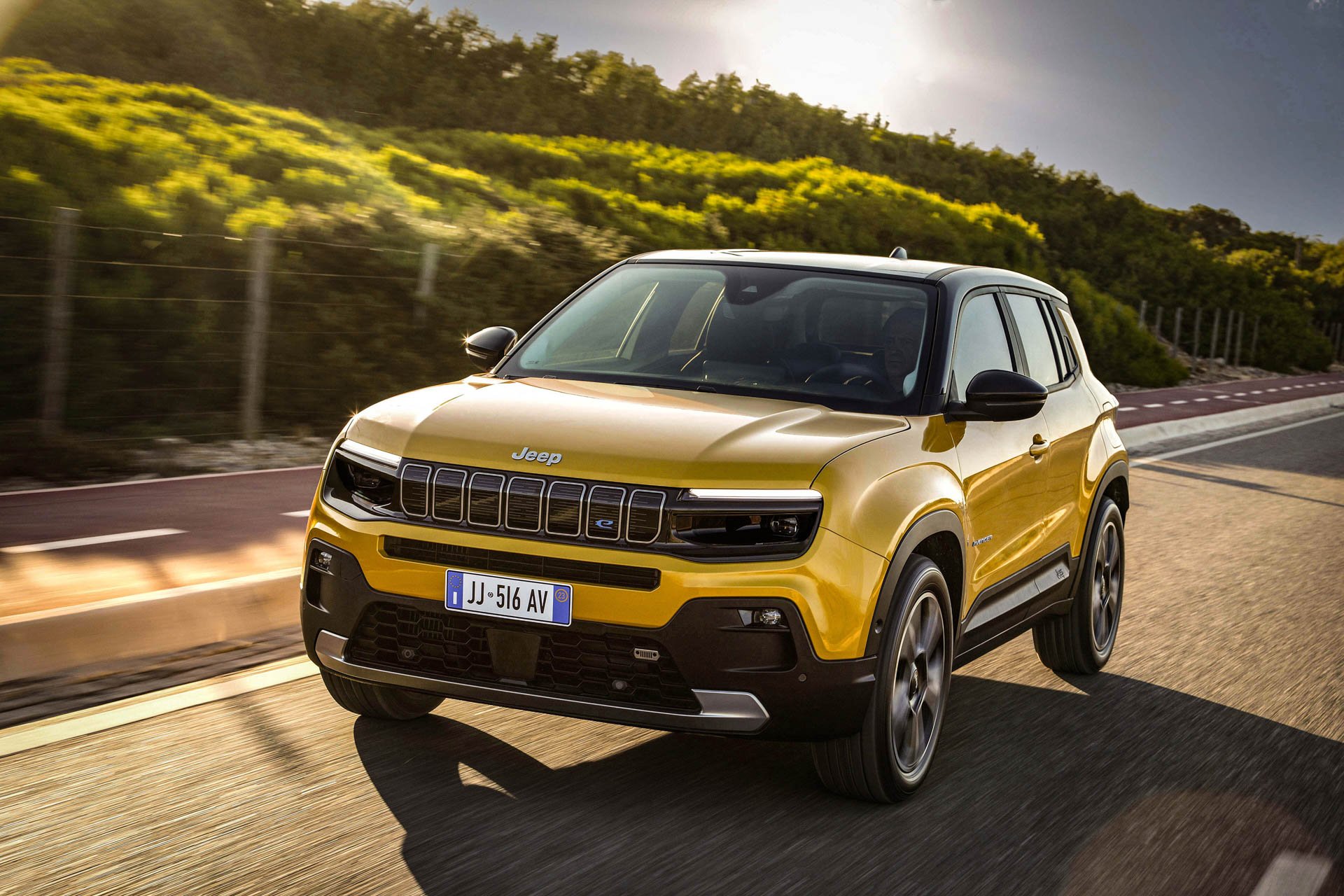
A suspension lift is often the first upgrade many XJ owners consider. It increases ground clearance, allows for larger tires, and improves overall off-road performance.
- Types of Lifts:
- Budget Boost (Coil Spacers/Shackle Lifts): The most affordable option, these kits use spacers to lift the vehicle. Good for mild trails and fitting slightly larger tires (up to 31"). Limited articulation improvement.
- Leaf Spring Lifts: Replace the stock leaf springs with new, taller ones. Offer better ride quality and articulation than budget boosts. Typically range from 3" to 4.5" of lift.
- Long Arm Lifts: The most comprehensive (and expensive) option. Replace the factory short control arms with longer arms that improve suspension geometry and articulation. Typically used for lifts of 4.5" and above. Offer the best on-road and off-road performance.
- Important Considerations:
- Lift Height: Choose a lift height that matches your intended use. Too much lift can compromise stability and require extensive modifications.
- Drivetrain Angle: Lifting an XJ can change the drivetrain angle, potentially causing vibrations. Transfer case drop kits, slip yoke eliminators (SYE), and adjustable control arms can help correct this.
- Component Compatibility: Ensure that the lift kit you choose is compatible with your XJ's model year and intended tire size.
- Ride Quality: Different lift kits offer varying ride qualities. Research and read reviews to find a kit that balances off-road performance with on-road comfort.
- Installation Tips:
- Follow the manufacturer's instructions carefully.
- Use quality tools and take your time.
- Consider having a professional install the lift if you're not comfortable working on suspension components.

2. Tires and Wheels: Where the Rubber Meets the Road
Tires are arguably the most crucial component for off-road performance. Choosing the right tires can dramatically improve traction, handling, and overall capability.
- Types of Tires:
- All-Terrain (AT): A good compromise between on-road comfort and off-road traction. Suitable for moderate trails and daily driving.
- Mud-Terrain (MT): Designed for aggressive off-road use, offering excellent traction in mud, rocks, and loose terrain. Can be noisy on the road and wear faster than AT tires.
- Rock Crawling Tires: Specialized tires with extreme grip and reinforced sidewalls for tackling challenging rock obstacles.
- Important Considerations:
- Tire Size: Choose a tire size that fits your lift height and wheel well clearance. Rubbing can damage the tires and affect handling.
- Tire Tread Pattern: Select a tread pattern that matches your primary off-road terrain.
- Tire Load Rating: Ensure that the tires you choose have a load rating that meets or exceeds your XJ's gross vehicle weight rating (GVWR).
- Wheel Backspacing: Choose wheels with the correct backspacing to prevent tire rubbing and ensure proper suspension geometry.
- Tips for Off-Road Tire Use:
- Air Down: Lowering tire pressure increases the contact patch and improves traction on loose surfaces. Carry an air compressor to re-inflate your tires after off-roading.
- Rotate Regularly: Rotating your tires extends their lifespan and ensures even wear.
- Balance Tires: Properly balanced tires improve ride quality and prevent vibrations.
3. Axle Upgrades: Beefing Up the Drivetrain
The stock Dana 30 front axle and Dana 35 rear axle (found in many XJs) can be vulnerable to breakage, especially when running larger tires and tackling challenging terrain. Upgrading your axles is essential for increased strength and reliability.
- Common Axle Upgrades:
- Rear Axle Swap: Replacing the Dana 35 with a stronger axle like a Ford 8.8, Chrysler 8.25, or Dana 44 is a popular upgrade.
- Front Axle Truss: Adding a truss to the Dana 30 front axle reinforces it and prevents bending.
- Chromoly Axle Shafts: Replacing the stock axle shafts with chromoly shafts increases their strength and resistance to breakage.
- Gussets and Braces: Adding gussets and braces to the axle housings and knuckles further strengthens them.
- Important Considerations:
- Axle Ratio: Choosing the correct axle ratio is crucial for optimal performance with larger tires. Consult a gear ratio calculator to determine the ideal ratio for your setup.
- Brake Compatibility: Ensure that the axle you choose is compatible with your XJ's braking system.
- Welding: Many axle upgrades require welding. Consider having a professional welder perform the work.
4. Lockers and Limited-Slip Differentials: Maximizing Traction
Lockers and limited-slip differentials significantly improve traction by distributing power more effectively to the wheels.
- Types of Traction Devices:
- Limited-Slip Differentials (LSDs): Allow some wheel slip but transfer power to the wheel with more traction when one wheel loses grip. Offer good on-road and off-road performance.
- Automatic Lockers (Lunchbox Lockers): Lock both axles together when torque is applied, providing maximum traction. Can be noisy on the road and affect handling.
- Selectable Lockers: Allow you to choose between an open differential for on-road driving and a locked differential for off-road use. Offer the best of both worlds but are the most expensive option.
- Important Considerations:
- Driving Style: Consider your driving style and intended use when choosing a traction device.
- On-Road Behavior: Lockers can affect on-road handling, especially in slippery conditions.
- Installation: Lockers require professional installation.
5. Bumpers, Winches, and Recovery Gear: Prepared for Anything
Off-roading often involves getting stuck. Equipping your XJ with the right bumpers, winches, and recovery gear is essential for self-rescue.
- Bumpers:
- Front Bumpers: Protect the front of your XJ and provide a mounting point for a winch.
- Rear Bumpers: Protect the rear of your XJ and often include a tire carrier.
- Winches: A winch is invaluable for extracting your XJ from challenging situations. Choose a winch with a capacity that is at least 1.5 times your XJ's GVWR.
- Recovery Gear: Includes items like tow straps, shackles, tree savers, and a shovel.
- Important Considerations:
- Winch Capacity: Choose a winch with sufficient capacity for your XJ.
- Bumper Strength: Select bumpers that are built to withstand the rigors of off-road use.
- Recovery Gear Quality: Invest in high-quality recovery gear that is designed for heavy-duty use.
6. Steering Upgrades: Maintaining Control
Lifting your XJ and adding larger tires can put stress on the steering system. Upgrading the steering components is essential for maintaining control and preventing breakage.
- Common Steering Upgrades:
- Heavy-Duty Steering Linkage: Replacing the stock steering linkage with a stronger aftermarket system.
- Steering Box Brace: Reinforcing the steering box mounting point to prevent cracking.
- Hydro Assist Steering: Adding a hydraulic ram to assist the steering box, making it easier to turn larger tires.
- Important Considerations:
- Steering Geometry: Ensure that the steering upgrades maintain proper steering geometry to prevent bump steer and other handling issues.
- Component Compatibility: Choose steering upgrades that are compatible with your XJ's model year and other modifications.
7. Skid Plates: Protecting Vulnerable Components
Skid plates protect the undercarriage of your XJ from damage caused by rocks, logs, and other obstacles.
- Common Skid Plate Locations:
- Transfer Case: Protects the transfer case from impacts.
- Fuel Tank: Protects the fuel tank from punctures.
- Oil Pan: Protects the oil pan from damage.
- Important Considerations:
- Skid Plate Thickness: Choose skid plates that are thick enough to provide adequate protection.
- Mounting: Ensure that the skid plates are securely mounted to the frame.
Price Table of Jeep Xj Off Road Parts
| Part Category | Description | Estimated Price Range |
|---|---|---|
| Suspension Lift | ||
| Budget Boost | Coil spacers and shackle lift kit | $100 - $300 |
| Leaf Spring Lift | Complete leaf spring replacement kit | $500 - $1500 |
| Long Arm Lift | Full long arm suspension system | $1500 - $4000+ |
| Tires | ||
| All-Terrain (AT) | Set of 4 tires (31" - 33") | $600 - $1200 |
| Mud-Terrain (MT) | Set of 4 tires (31" - 33") | $800 - $1500 |
| Wheels | ||
| Steel Wheels | Set of 4 wheels | $300 - $600 |
| Aluminum Wheels | Set of 4 wheels | $600 - $1200 |
| Axle Upgrades | ||
| Rear Axle Swap (8.8) | Ford 8.8 axle swap with installation | $800 - $2000 |
| Front Axle Truss | Dana 30 truss kit | $100 - $300 |
| Chromoly Axle Shafts | Pair of front or rear shafts | $300 - $800 |
| Lockers | ||
| Lunchbox Locker | Automatic locker for front or rear | $200 - $500 |
| Selectable Locker | Air or electric locker for front or rear | $800 - $1500 |
| Bumpers | ||
| Front Bumper | Steel off-road bumper | $300 - $800 |
| Rear Bumper | Steel off-road bumper with tire carrier | $400 - $1000 |
| Winch | ||
| 8000-10000 lb Winch | Electric winch with synthetic rope | $300 - $800 |
| Skid Plates | ||
| Transfer Case Skid | Steel skid plate | $100 - $300 |
| Fuel Tank Skid | Steel skid plate | $150 - $400 |
| Steering | ||
| Steering Box Brace | Reinforcement bracket | $50 - $150 |
| Heavy-Duty Linkage | Upgraded steering linkage kit | $200 - $500 |
Disclaimer: Prices are estimates and can vary based on brand, vendor, and installation costs.
Frequently Asked Questions (FAQ)
- Q: What's the best lift height for my XJ?
- A: It depends on your intended use and budget. For mild trails and fitting 31" tires, a 3" lift is a good starting point. For more challenging terrain and larger tires, consider a 4.5" or higher lift.
- Q: Do I need to re-gear after lifting my XJ and installing larger tires?
- A: Re-gearing is often recommended when installing larger tires to restore power and fuel economy. Consult a gear ratio calculator to determine the ideal ratio for your setup.
- Q: What are the benefits of a slip yoke eliminator (SYE)?
- A: An SYE eliminates the factory slip yoke on the transfer case, which can cause vibrations and driveline issues after lifting the vehicle.
- Q: Can I install these upgrades myself?
- A: Some upgrades, like budget boosts and skid plates, can be installed by experienced DIYers. However, more complex upgrades, like suspension lifts, axle swaps, and lockers, are best left to professionals.
- Q: What is the best way to learn about specific XJ off-road builds?
- A: Online forums, such as JeepForum.com and dedicated XJ communities, are great resources for learning from other XJ owners and seeing different build configurations.
Conclusion: Building Your Dream XJ
Transforming your Jeep Cherokee XJ into a capable off-road machine is a rewarding experience. By carefully considering your needs, budget, and intended use, you can choose the right parts to build a rig that can tackle any trail. Remember to prioritize safety, research your options, and don't be afraid to seek advice from experienced off-roaders. With the right upgrades, your XJ will be ready to conquer any adventure you throw its way. Happy trails!
0 comments