For generations, the Jeep has been synonymous with adventure, freedom, and the ability to conquer challenging terrains. But a stock Jeep, while capable, can only take you so far. To truly unlock its off-road potential, you need to invest in the right Jeep off-road parts. This comprehensive guide will delve into the world of aftermarket upgrades, covering everything from essential modifications to specialized components, helping you transform your Jeep into an unstoppable off-road machine.
Introduction: Defining Jeep Off-Road Parts and Their Significance
Unleash Your Inner Explorer: A Comprehensive Guide to Jeep Off-Road Parts
Jeep off-road parts encompass a vast array of aftermarket components designed to enhance a Jeep's performance, durability, and capability when venturing off the paved road. These parts address various aspects of off-roading, including improving ground clearance, increasing traction, protecting vulnerable components, and enhancing the overall driving experience.
Investing in quality off-road parts is crucial for several reasons:
- Enhanced Capability: Upgrades like lift kits, larger tires, and lockers dramatically improve a Jeep's ability to navigate challenging obstacles, traverse rocky terrain, and conquer muddy trails.
- Increased Durability: Off-roading can be tough on a vehicle. Skid plates, rock sliders, and reinforced axles protect vital components from damage, preventing costly repairs and ensuring your Jeep can withstand the rigors of off-road adventures.
- Improved Safety: Modifications like upgraded brakes, stronger suspension components, and better lighting enhance safety both on and off the road, giving you greater control and visibility in demanding conditions.
- Personalization and Customization: Off-road parts allow you to tailor your Jeep to your specific needs and preferences, creating a vehicle that perfectly suits your off-road style and the types of terrain you plan to tackle.

Section 1: Essential Upgrades: The Foundation of Off-Road Performance
Before diving into specialized modifications, focus on these essential upgrades that form the foundation of any capable off-road Jeep:
- Lift Kits: A lift kit increases ground clearance, allowing you to fit larger tires and improve approach, departure, and break-over angles. Lift kits come in various forms, including:
- Budget Boosts: Simple and affordable, using coil spacers to raise the vehicle. Suitable for mild off-roading and fitting slightly larger tires.
- Coil Spring Lifts: Replace the stock coil springs with longer, more robust springs, providing improved articulation and ride quality.
- Long Arm Kits: Offer the most significant improvement in articulation and ride quality by replacing the factory control arms with longer arms.
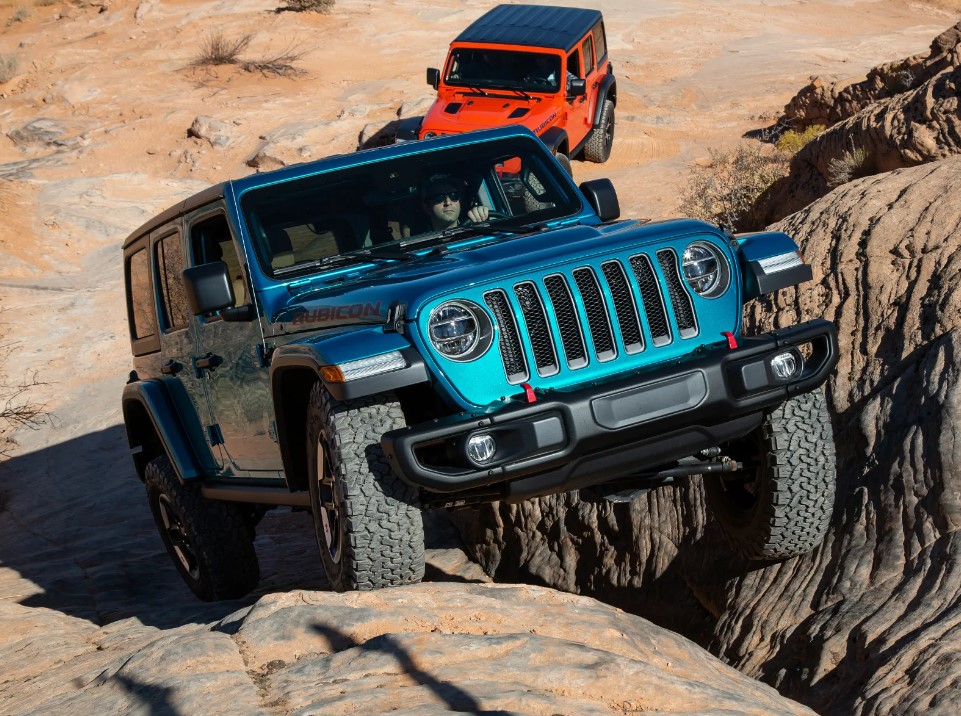
- Tires: Upgrading to larger, more aggressive off-road tires is arguably the most impactful modification you can make. Look for tires with:
- Aggressive Tread Patterns: Designed to grip loose surfaces like mud, sand, and rocks.
- Durable Sidewalls: Resistant to punctures and abrasions from rocks and other obstacles.
- Appropriate Load Rating: Ensure the tires can handle the weight of your Jeep and any added accessories.
- Skid Plates: Protect vulnerable undercarriage components like the oil pan, transmission, transfer case, and fuel tank from damage.
- Rock Sliders: Mounted along the rocker panels, rock sliders prevent damage to the body when navigating rocky terrain.
Section 2: Drivetrain Enhancements: Maximizing Traction and Control
The drivetrain is the heart of your Jeep's off-road capability. Upgrading key components can significantly improve traction, control, and overall performance:
- Lockers: Lockers force both wheels on an axle to rotate at the same speed, regardless of traction. This prevents one wheel from spinning freely in low-traction situations, ensuring power is delivered to the wheel with grip.
- Automatic Lockers: Engage automatically when wheel slip is detected.
- Selectable Lockers: Can be engaged or disengaged at the driver's discretion.
- Gears: Re-gearing your axles allows you to optimize your Jeep's power delivery for larger tires and challenging terrain. Choosing the right gear ratio depends on your tire size and driving style.
- Axle Upgrades: Stock axles can be a weak point when subjected to the stresses of off-roading, especially with larger tires and lockers. Upgrading to stronger axles with reinforced shafts and housings provides increased durability and reliability.
- Driveshafts: After lifting your Jeep, you may need to upgrade your driveshafts to accommodate the increased angle and prevent vibrations.
Section 3: Protection and Recovery: Preparing for the Unexpected
Off-roading is inherently unpredictable. Equipping your Jeep with the right protection and recovery gear can prevent damage and get you out of sticky situations:
- Bumpers: Aftermarket bumpers offer improved protection, enhanced aesthetics, and the ability to mount accessories like winches and lights.
- Winch: A winch is an essential recovery tool that allows you to pull your Jeep out of mud, sand, or other difficult situations. Choose a winch with a pulling capacity that is at least 1.5 times the weight of your Jeep.
- Recovery Gear: A comprehensive recovery kit should include items like:
- Tow Straps: For pulling another vehicle or being pulled out of a stuck situation.
- D-Rings: For connecting tow straps to recovery points.
- Gloves: To protect your hands.
- Shovel: For digging out your tires.
- Tire Deflator: For reducing tire pressure to increase traction.
- Roll Cage/Sport Cage: Provides crucial occupant protection in the event of a rollover.
Section 4: Lighting and Electrical: Illuminating the Trail
Adequate lighting is essential for safe and enjoyable off-roading, especially at night. Upgrading your Jeep's lighting system can significantly improve visibility and enhance your overall experience:
- LED Light Bars: Provide powerful, focused illumination for long-range visibility.
- Fog Lights: Improve visibility in foggy or dusty conditions.
- Rock Lights: Illuminate the undercarriage, allowing you to see obstacles and avoid damage.
- Auxiliary Switches: Allow you to easily control aftermarket lighting and other electrical accessories.
- Dual Battery System: Provides a dedicated power source for accessories, preventing the main battery from being drained.
Section 5: Important Considerations and Potential Challenges
Before embarking on any off-road modification project, consider these important factors:
- Budget: Off-road parts can be expensive. Set a realistic budget and prioritize upgrades based on your needs and driving style.
- Installation: Some modifications require specialized tools and expertise. Consider whether you can install the parts yourself or if you need to hire a professional.
- Warranty: Modifying your Jeep may void certain aspects of your factory warranty.
- Legality: Ensure that any modifications you make are legal in your area.
- Vehicle Weight: Adding heavy accessories can impact fuel economy and handling.
- Over-Modification: It's possible to over-modify your Jeep, creating a vehicle that is less enjoyable to drive on the road.
Practical Advice and Actionable Insights:
- Start with the Essentials: Focus on lift, tires, and skid plates before moving on to more specialized modifications.
- Do Your Research: Read reviews, watch videos, and talk to other Jeep owners to learn about different parts and their performance.
- Buy Quality Parts: Investing in quality parts will save you money in the long run by reducing the risk of failure and damage.
- Plan Your Modifications: Create a plan that outlines the modifications you want to make and the order in which you will make them.
- Test Your Modifications: After making any modifications, test them out in a safe and controlled environment to ensure they are working properly.
Concluding Summary:
Transforming your Jeep into an off-road powerhouse requires careful planning and the right selection of parts. By focusing on essential upgrades, enhancing the drivetrain, prioritizing protection and recovery, and improving lighting, you can unlock your Jeep's full potential and conquer any terrain with confidence. Remember to consider your budget, driving style, and local regulations when making modifications. With the right approach, you can create a Jeep that is both capable and enjoyable to drive, both on and off the road. The possibilities for customization are endless, allowing you to build a unique and capable machine that reflects your personal adventure spirit.
Price Table for Jeep Off Road Parts (Approximate Values)
| Part | Description | Price Range (USD) |
|---|---|---|
| Lift Kits | ||
| Budget Boost (Spacers) | Simple coil spring spacers for a small lift. | $100 - $300 |
| Coil Spring Lift (2-3") | Replaces stock springs for better articulation. | $500 - $1500 |
| Long Arm Kit (4"+) | Full suspension replacement for maximum articulation. | $2000 - $5000+ |
| Tires (Set of 4) | ||
| All-Terrain Tires | Versatile for on and off-road use. | $800 - $1600 |
| Mud-Terrain Tires | Aggressive tread for maximum off-road traction. | $1000 - $2000+ |
| Skid Plates | ||
| Engine/Oil Pan Skid Plate | Protects the engine's vulnerable oil pan. | $150 - $400 |
| Transmission Skid Plate | Shields the transmission from rocks and debris. | $200 - $500 |
| Transfer Case Skid Plate | Protects the transfer case during off-road excursions. | $150 - $400 |
| Rock Sliders | Protects rocker panels from damage on rocks. | $300 - $800 (pair) |
| Lockers | ||
| Automatic Locker | Locks automatically when wheel spin occurs. | $500 - $1000 (per axle) |
| Selectable Locker | Can be locked/unlocked manually. | $800 - $1500 (per axle) |
| Gears | Re-gearing for larger tires and better performance. | $500 - $1000 (per axle, plus installation) |
| Axle Shafts | Upgraded axle shafts for increased strength. | $300 - $800 (per shaft) |
| Bumpers | ||
| Front Bumper (Steel) | Durable front bumper with winch mounting options. | $500 - $1500 |
| Rear Bumper (Steel) | Protects the rear of the Jeep. | $400 - $1200 |
| Winch | ||
| Winch (9,500 lb Capacity) | Standard winch for general off-road recovery. | $400 - $1000 |
| LED Light Bar | ||
| 20" LED Light Bar | Provides excellent forward visibility. | $100 - $300 |
| Rock Lights (Set of 4) | Illuminates the undercarriage for obstacle avoidance. | $50 - $150 |
Note: Prices are approximate and can vary depending on brand, quality, and retailer. Installation costs are not included.
Frequently Asked Questions (FAQ)
- Q: What is the first thing I should upgrade on my Jeep for off-roading?
- A: Tires are generally the most impactful first upgrade. Larger, more aggressive tires significantly improve traction.
- Q: How much does it cost to lift a Jeep?
- A: The cost varies depending on the type of lift kit. Budget boosts can be as low as $100, while long arm kits can cost several thousand dollars.
- Q: Do I need to re-gear my axles when I install larger tires?
- A: Re-gearing is highly recommended when installing significantly larger tires (e.g., 35" or larger). It helps restore power and fuel economy.
- Q: What is the difference between a limited-slip differential and a locker?
- A: A limited-slip differential limits wheel spin by transferring some power to the wheel with more traction. A locker, on the other hand, forces both wheels to rotate at the same speed, regardless of traction.
- Q: Are aftermarket bumpers legal?
- A: Bumper regulations vary by state. Check your local laws to ensure that your aftermarket bumper meets all requirements.
- Q: Can I install off-road parts myself?
- A: Some off-road parts, like skid plates, are relatively easy to install. Others, like lift kits and lockers, require specialized tools and expertise and may be best left to a professional.
- Q: Will lifting my Jeep void my warranty?
- A: Lifting your Jeep may void certain aspects of your factory warranty, particularly those related to the suspension and drivetrain. Consult with your Jeep dealer for more information.
- Q: What size winch do I need?
- A: A good rule of thumb is to choose a winch with a pulling capacity that is at least 1.5 times the weight of your Jeep.
0 comments