The Jeep JL Wrangler, a modern iteration of a legendary off-roader, is already a capable machine straight from the factory. However, for many Jeep enthusiasts, "capable" is just the starting point. The desire to push boundaries, conquer tougher terrain, and personalize their ride often leads them down the path of performance upgrades. "Jeep JL Performance Parts" is a broad term encompassing a wide range of components designed to enhance the vehicle's capabilities in various areas, from off-road prowess and on-road handling to engine power and overall durability. This article will serve as your comprehensive guide to understanding, selecting, and benefiting from these performance-enhancing modifications.
Why Upgrade Your Jeep JL?
Unleash Your Jeep JL's Potential: A Comprehensive Guide to Performance Parts
Before diving into the specifics, let's address the "why." Why invest in performance parts for your Jeep JL? The reasons are as varied as the Jeep community itself:
- Enhanced Off-Road Capability: Tackle more challenging trails with improved suspension, bigger tires, and better traction.
- Increased Power and Performance: Boost horsepower and torque for improved acceleration, towing capacity, and climbing ability.
- Improved On-Road Handling: Reduce body roll, improve steering response, and enhance overall driving experience.
- Personalization and Aesthetics: Customize your Jeep to reflect your individual style and preferences.
- Increased Durability: Replace weak factory components with stronger, more robust aftermarket parts.

Section 1: Suspension Upgrades – Elevating Your Off-Road Game
The suspension is arguably the most crucial area to address when improving a Jeep JL's off-road performance. A well-chosen suspension upgrade can significantly improve articulation, ground clearance, and ride quality.
-
Types of Suspension Upgrades:
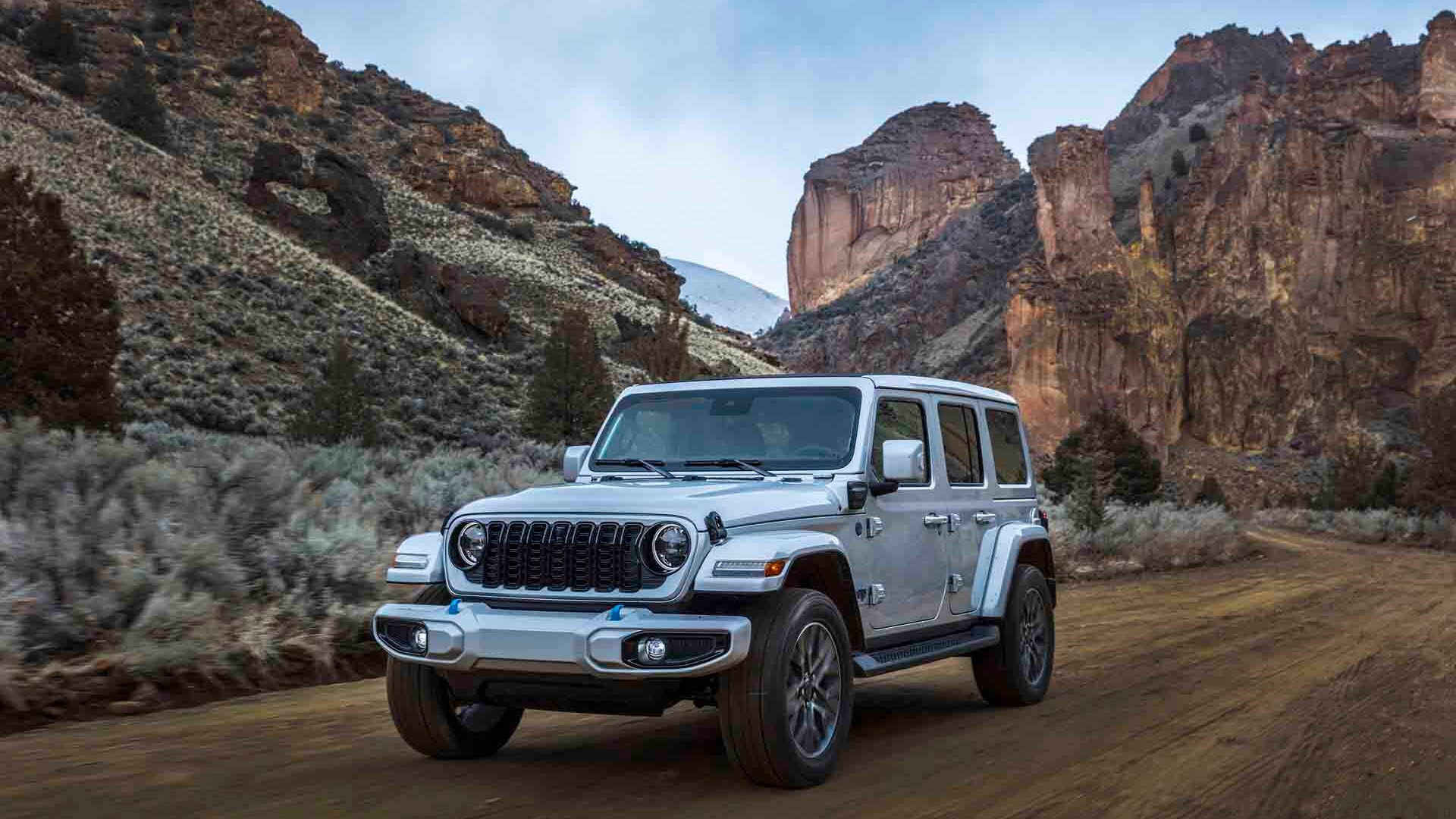
- Lift Kits: These kits raise the vehicle's ride height, allowing for larger tires and improved obstacle clearance. They come in various forms, from budget-friendly spacer lifts to comprehensive long-arm kits.
- Coil Springs: Upgrading to aftermarket coil springs with a higher spring rate can improve load-carrying capacity and reduce body roll.
- Shocks: Aftermarket shocks offer superior damping control, improving ride quality on and off-road. Options range from basic twin-tube shocks to advanced remote reservoir shocks with adjustable damping.
- Control Arms: Longer control arms can correct suspension geometry after a lift, improving handling and reducing stress on other components.
- Track Bars: Adjustable track bars allow you to center the axles after a lift, preventing bump steer and improving handling.
- Sway Bar Disconnects: These allow you to disconnect the sway bars for increased articulation on the trail.
-
Benefits:
- Increased ground clearance
- Improved articulation
- Better ride quality
- Enhanced handling
- Ability to run larger tires
-
How-To (Overview): Installing a lift kit is a complex process that typically requires mechanical expertise and specialized tools. It generally involves removing the existing suspension components, installing the new springs, shocks, control arms, and track bars, and then realigning the vehicle. Consult a professional if you are not comfortable performing this work yourself.
-
Important Considerations:
- Lift Height: Choose a lift height that suits your needs and driving style. Too much lift can negatively impact handling and fuel economy.
- Component Quality: Invest in high-quality components from reputable brands. Cheap parts can fail prematurely and compromise safety.
- Compatibility: Ensure that the components you choose are compatible with your Jeep JL's model year and trim level.
- Driveshaft Angles: With significant lifts, driveshaft angles can become excessive, leading to vibrations and premature wear. Consider upgrading to aftermarket driveshafts with double cardan joints.
-
Potential Challenges and Solutions:
- Death Wobble: This is a dangerous condition characterized by violent shaking of the front end. It can be caused by worn or loose steering components, improper alignment, or unbalanced tires. Ensure all components are tight and properly aligned, and balance your tires regularly.
- Bump Steer: This occurs when the steering wheel turns unexpectedly when the suspension compresses. It can be caused by improper track bar geometry. Use an adjustable track bar to correct this issue.
Section 2: Engine Performance Upgrades – Unleashing Hidden Power
The Jeep JL offers several engine options, but even the most powerful can benefit from performance upgrades. These upgrades can improve horsepower, torque, and throttle response.
-
Types of Engine Performance Upgrades:
- Cold Air Intakes: These replace the restrictive factory airbox with a less restrictive intake system, allowing the engine to breathe easier.
- Throttle Body Spacers: These spacers increase the volume of the intake manifold, which can improve throttle response and horsepower.
- Performance Exhaust Systems: These systems reduce backpressure, allowing the engine to exhale more efficiently.
- Tuners/Programmers: These devices reprogram the engine's computer to optimize performance parameters such as fuel injection, ignition timing, and throttle response.
- Superchargers/Turbochargers: These forced induction systems dramatically increase horsepower and torque by forcing more air into the engine.
-
Benefits:
- Increased horsepower and torque
- Improved throttle response
- Enhanced fuel economy (in some cases)
- Aggressive exhaust note
-
How-To (Overview): Installation varies depending on the upgrade. Cold air intakes and exhaust systems are typically bolt-on modifications. Tuners require connecting to the vehicle's OBD-II port and following the manufacturer's instructions. Supercharger/turbocharger installations are complex and should be performed by a professional.
-
Important Considerations:
- Emissions Compliance: Ensure that any engine performance upgrades you choose are legal in your state and comply with emissions regulations.
- Engine Warranty: Installing certain performance parts can void your factory warranty. Check with your dealer before making any modifications.
- Fuel Requirements: Some performance upgrades may require the use of premium fuel.
- Professional Installation: Complex upgrades like superchargers/turbochargers should be installed by a qualified mechanic.
-
Potential Challenges and Solutions:
- Check Engine Lights: Installing performance parts can sometimes trigger check engine lights. A tuner can often be used to recalibrate the engine's computer and resolve these issues.
- Reduced Fuel Economy: Some performance upgrades can negatively impact fuel economy, especially if you drive aggressively.
Section 3: Drivetrain Upgrades – Enhancing Strength and Reliability
The drivetrain is the system that transmits power from the engine to the wheels. Upgrading drivetrain components can improve strength, reliability, and off-road performance.
-
Types of Drivetrain Upgrades:
- Axle Shafts: Upgrading to stronger axle shafts can prevent breakage when running larger tires or tackling challenging terrain.
- Gears: Re-gearing the axles can improve performance with larger tires and restore the vehicle's original power band.
- Lockers: Lockers lock the axles together, providing maximum traction in off-road situations.
- Differentials: Upgrading to aftermarket differentials can improve strength and durability.
- Driveshafts: Upgrading to stronger driveshafts can prevent breakage when running larger tires or after installing a lift kit.
-
Benefits:
- Increased strength and durability
- Improved traction
- Enhanced off-road performance
- Restored power with larger tires
-
How-To (Overview): Drivetrain upgrades are complex and require specialized tools and mechanical expertise. It is highly recommended to have these upgrades performed by a qualified mechanic.
-
Important Considerations:
- Gear Ratio: Choose a gear ratio that is appropriate for your tire size and driving style.
- Locker Type: Select a locker type that suits your needs. Options include automatic lockers, selectable lockers, and limited-slip differentials.
- Component Quality: Invest in high-quality components from reputable brands.
-
Potential Challenges and Solutions:
- Noise: Some lockers can be noisy on the street.
- Handling: Lockers can negatively impact handling on pavement.
Section 4: Armor and Protection – Shielding Your Investment
Protecting your Jeep JL from damage is essential, especially if you plan to venture off-road. Armor and protection components can shield vulnerable areas from rocks, trees, and other obstacles.
-
Types of Armor and Protection:
- Rock Sliders: These protect the rocker panels from damage.
- Skid Plates: These protect the undercarriage components, such as the engine, transmission, and transfer case.
- Bumpers: Aftermarket bumpers offer improved protection and can accommodate winches and other accessories.
- Fender Flares: These protect the body from debris thrown up by the tires.
-
Benefits:
- Increased protection from damage
- Enhanced off-road capability
- Aggressive appearance
-
How-To (Overview): Installation typically involves bolting the components to the vehicle's frame.
-
Important Considerations:
- Material: Choose armor made from durable materials such as steel or aluminum.
- Fitment: Ensure that the armor fits properly and does not interfere with other components.
-
Potential Challenges and Solutions:
- Weight: Armor can add significant weight to the vehicle.
- Cost: High-quality armor can be expensive.
Jeep JL Performance Parts Pricing
| Part Category | Description | Price Range | Notes |
|---|---|---|---|
| Suspension | |||
| Lift Kit (2-3.5") | Complete lift kit w/ springs & shocks | $800 - $3,000 | Varies by brand, quality, and included components |
| Coil Springs | Upgraded front/rear coil springs | $200 - $600 | Per pair; depends on spring rate and lift height |
| Shocks | Performance shocks (set of 4) | $400 - $2,000 | Wide range from basic to remote reservoir w/ adjustable damping |
| Control Arms | Aftermarket adjustable control arms | $300 - $1,200 | Per pair; necessary for correcting geometry on higher lifts |
| Track Bars | Adjustable front/rear track bars | $150 - $400 | Each; ensures proper axle centering after lifting |
| Engine | |||
| Cold Air Intake | Performance cold air intake system | $200 - $500 | Varies by filter type, material, and brand |
| Exhaust System | Cat-back or axle-back exhaust system | $400 - $1,500 | Stainless steel systems are more durable |
| Tuner/Programmer | Engine performance programmer | $300 - $800 | Can adjust various engine parameters for performance |
| Drivetrain | |||
| Axle Shafts | Upgraded front/rear axle shafts | $400 - $1,500 | Per pair; stronger than stock for larger tires |
| Gears | Re-gearing (front & rear) | $1,000 - $2,500 | Includes parts and labor; necessary for larger tires |
| Locker (Selectable) | Selectable air or electric locker | $800 - $1,500 | Each; provides maximum traction on demand |
| Armor | |||
| Rock Sliders | Heavy-duty rock sliders | $300 - $800 | Per pair; protects rocker panels from rocks |
| Skid Plates | Full set of underbody skid plates | $500 - $1,500 | Protects engine, transmission, transfer case, and fuel tank |
| Front Bumper | Aftermarket steel front bumper | $500 - $1,500 | Often includes winch mounting capability |
| Rear Bumper | Aftermarket steel rear bumper | $400 - $1,200 | Can include tire carrier and recovery points |
Note: Prices are estimates and can vary depending on the brand, retailer, and specific features of the part. Labor costs for installation are not included and can significantly increase the overall expense.
Conclusion: Building Your Dream Jeep JL
Upgrading your Jeep JL with performance parts is a rewarding experience that can significantly enhance its capabilities, both on and off-road. By carefully researching your options, choosing high-quality components, and seeking professional assistance when needed, you can create a Jeep that is perfectly tailored to your individual needs and driving style. Remember to prioritize safety, legality, and compatibility when making your selections. With the right upgrades, your Jeep JL can become a truly unstoppable force, ready to tackle any adventure you throw its way.
Frequently Asked Questions (FAQ)
-
Q: Will upgrading my Jeep JL void my warranty?
- A: Installing certain performance parts can void your factory warranty, especially if the part is directly related to the failure. Check with your dealer before making any modifications.
-
Q: How much does it cost to lift a Jeep JL?
- A: The cost of a lift kit varies depending on the lift height, component quality, and installation labor. A basic spacer lift can cost a few hundred dollars, while a comprehensive long-arm kit can cost several thousand.
-
Q: What size tires can I run on my Jeep JL with a lift kit?
- A: The tire size you can run depends on the lift height and the amount of trimming you are willing to do. A 2.5-inch lift can typically accommodate 35-inch tires, while a 3.5-inch lift can accommodate 37-inch tires.
-
Q: Do I need to re-gear my axles when I install larger tires?
- A: Re-gearing is recommended when installing larger tires to restore the vehicle's original power band and improve performance.
-
Q: What is the best type of locker for my Jeep JL?
- A: The best type of locker depends on your driving style and the type of terrain you typically encounter. Automatic lockers are simple and effective, while selectable lockers offer more control.
-
Q: Where can I find a reputable shop to install performance parts on my Jeep JL?
- A: Ask for recommendations from other Jeep enthusiasts, check online reviews, and look for shops that specialize in Jeep modifications.

0 comments