Introduction: Elevating Your Adventure
The Jeep. A symbol of freedom, adventure, and off-road prowess. But for many Jeep enthusiasts, the stock configuration is just a starting point. Enter Jeep lift parts – the components that unlock a whole new level of capability, aesthetics, and personalized performance. Lifting your Jeep isn't just about making it look tougher; it's about enhancing its off-road performance, allowing for larger tires, and creating a truly unique driving experience. This guide will delve into the world of Jeep lift parts, exploring the different types, considerations, benefits, and potential challenges involved in elevating your ride. Whether you're a seasoned off-roader or a weekend warrior, this comprehensive guide will equip you with the knowledge to make informed decisions and choose the right lift parts for your Jeep.
Unleash Your Jeep's Potential: A Comprehensive Guide to Jeep Lift Parts
Section 1: Why Lift Your Jeep? Unveiling the Benefits
Lifting your Jeep is a significant modification with a range of advantages, both functional and aesthetic. Understanding these benefits is crucial in deciding whether a lift kit is right for you.
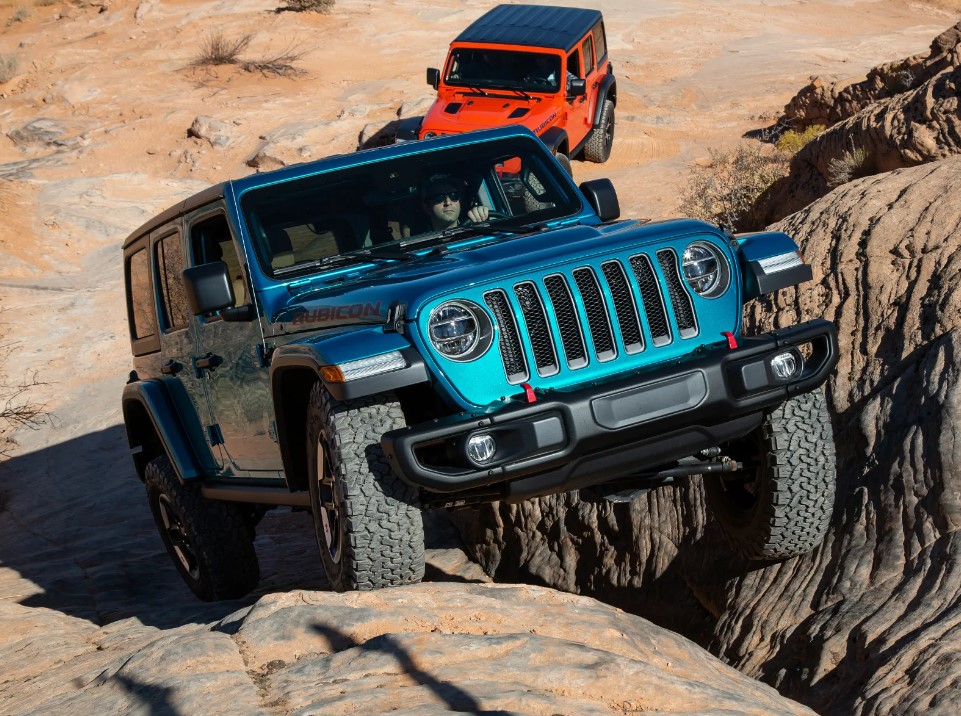
- Increased Ground Clearance: This is arguably the most significant benefit. Lifting your Jeep raises the frame and body away from the ground, allowing you to clear obstacles like rocks, logs, and deep ruts that would otherwise cause damage or leave you stranded.
- Larger Tire Accommodation: Larger tires provide better traction and a more aggressive look. A lift kit creates the necessary space in the wheel wells to accommodate these bigger tires without rubbing or impacting suspension components.
- Improved Approach, Departure, and Breakover Angles: These angles determine your Jeep's ability to navigate obstacles. Lifting increases these angles, allowing you to approach steeper inclines, descend sharper drops, and traverse more challenging terrain without scraping the undercarriage.
- Enhanced Off-Road Performance: Combined with increased ground clearance and larger tires, a lift kit significantly enhances your Jeep's off-road capabilities. You'll be able to tackle more demanding trails and explore new horizons.
- Aggressive Aesthetics: Let's be honest, a lifted Jeep looks fantastic! The increased ride height and larger tires create a more imposing and aggressive stance, turning heads both on and off the road.
- Improved Visibility: A higher seating position provides better visibility of the road and surrounding terrain, enhancing safety and awareness.

Section 2: Decoding the Types of Jeep Lift Kits: Choosing the Right Option
The world of Jeep lift kits can seem daunting, with a wide variety of options available. Understanding the different types is crucial for selecting the kit that best suits your needs and budget.
- Budget Boost (Spacer Lift): This is the most affordable and simplest type of lift. It involves adding spacers on top of the existing coil springs, effectively lifting the vehicle.
- Pros: Inexpensive, easy to install, retains factory ride quality.
- Cons: Limited lift height (typically 1-2 inches), doesn't improve suspension performance, can lead to premature wear on suspension components.
- Coil Spring Lift: This involves replacing the factory coil springs with longer, stiffer springs. This provides a more substantial lift and can improve ride quality compared to a budget boost.
- Pros: More lift height than a budget boost (typically 2-4 inches), improved ride quality with the right springs, relatively affordable.
- Cons: Can require additional modifications, such as longer shocks and sway bar links.
- Leaf Spring Lift (For older Jeeps): Similar to a coil spring lift, but uses leaf springs instead. This involves replacing the factory leaf springs with longer, stiffer leaf springs.
- Pros: More lift height than a budget boost (typically 2-4 inches), improved ride quality with the right leaf springs, relatively affordable.
- Cons: Can require additional modifications, such as longer shocks and sway bar links.
- Short Arm Lift: This involves replacing the factory control arms with slightly longer arms, along with longer coil springs and shocks.
- Pros: Good balance of off-road performance and on-road comfort, typically lifts 3-4.5 inches.
- Cons: Can cause binding in the suspension at extreme angles, requires careful alignment.
- Long Arm Lift: This is the most comprehensive and expensive type of lift. It involves replacing the factory control arms with significantly longer arms, improving suspension articulation and ride quality.
- Pros: Superior off-road performance, improved ride quality, reduced binding, allows for greater lift heights (4.5 inches and up).
- Cons: Most expensive option, requires more extensive modifications, can affect on-road handling.
Section 3: Essential Jeep Lift Parts: A Detailed Breakdown
Beyond the core lift kit components, several other parts are often necessary or highly recommended for a successful lift installation.
- Shocks: Longer shocks are essential to accommodate the increased suspension travel provided by the lift. Choose shocks that are specifically designed for lifted Jeeps to ensure proper damping and ride quality.
- Sway Bar Links: Longer sway bar links are needed to maintain proper sway bar function after the lift. Disconnects are also a popular option for off-road use, allowing for increased articulation.
- Brake Lines: Lifting your Jeep can stretch the factory brake lines, potentially causing them to break. Extended brake lines are a crucial safety upgrade.
- Track Bar (Panhard Bar): A track bar keeps the axle centered under the vehicle. After lifting, an adjustable track bar or track bar relocation bracket is often necessary to recenter the axle.
- Control Arms (Short or Long): As discussed in the lift kit types, control arms are crucial for maintaining proper axle geometry and improving suspension articulation.
- Steering Correction: Lifting a Jeep can affect the steering geometry, leading to bump steer or other handling issues. Steering correction components, such as a drop pitman arm or high steer kit, may be required.
- Slip Yoke Eliminator (SYE): For lifts above 3 inches, a slip yoke eliminator (SYE) is often recommended to eliminate driveline vibrations and prevent damage to the transfer case.
- Driveshaft: Depending on the lift height, you may need to replace the factory driveshaft with a longer one to accommodate the increased distance between the transfer case and the axles.
Section 4: Installation Tips and Considerations: A Practical Guide
Installing a lift kit can be a challenging project, but with the right tools, knowledge, and preparation, it can be a rewarding experience.
- Research and Planning: Before you begin, thoroughly research the specific lift kit you've chosen. Read reviews, watch installation videos, and understand all the steps involved.
- Gather the Right Tools: Ensure you have all the necessary tools, including wrenches, sockets, a torque wrench, a jack, jack stands, and potentially a spring compressor.
- Safety First: Always prioritize safety. Use jack stands to support the vehicle and wear safety glasses and gloves.
- Follow the Instructions: Carefully follow the manufacturer's instructions for the lift kit. Don't skip steps or deviate from the recommended procedures.
- Torque Specifications: Pay close attention to torque specifications. Using the correct torque is crucial for ensuring the safety and longevity of the installation.
- Alignment: After installing the lift kit, it's essential to have the vehicle professionally aligned. This will ensure proper handling and prevent premature tire wear.
- Driveline Angles: Check driveline angles after the lift. If the angles are too steep, you may need to install shims or other modifications to prevent vibrations.
- Test Drive: After the installation, take the vehicle for a test drive to check for any issues. Listen for unusual noises, vibrations, or handling problems.
Section 5: Potential Challenges and Solutions: Troubleshooting Your Lift
Lifting a Jeep can sometimes present unexpected challenges. Here are some common issues and potential solutions:
- Driveline Vibrations: This is a common issue after lifting. Solutions include installing a SYE kit, adjusting pinion angles, or replacing the driveshaft.
- Bump Steer: This occurs when the steering wheel jerks in your hands as the suspension moves. Solutions include installing a drop pitman arm or high steer kit.
- Death Wobble: This is a dangerous and violent shaking of the front end, often caused by loose or worn steering components. Solutions include tightening or replacing steering components, adjusting track bar, and ensuring proper alignment.
- Tire Rubbing: This occurs when the tires rub against the fenders or suspension components. Solutions include trimming the fenders, using wheel spacers, or adjusting the bump stops.
- Difficulty Installing Components: Some lift kits can be challenging to install, especially for beginners. Consider seeking professional assistance if you're uncomfortable with any aspect of the installation.
Section 6: Jeep Lift Parts - Prices
| Part Category | Description | Price Range (USD) |
|---|---|---|
| Budget Boost (Spacer Lift) | 2" Front & Rear Spacer Lift Kit | $100 - $300 |
| Coil Spring Lift | 3" Coil Spring Lift Kit (Springs Only) | $300 - $800 |
| Leaf Spring Lift | 2.5" Leaf Spring Lift Kit (Springs Only) | $250 - $700 |
| Short Arm Lift | 3.5" Short Arm Lift Kit (Complete) | $800 - $2000 |
| Long Arm Lift | 4.5" Long Arm Lift Kit (Complete) | $2000 - $5000+ |
| Shocks | Performance Shocks (Set of 4) | $200 - $800 |
| Sway Bar Links | Extended Sway Bar Links (Pair) | $50 - $200 |
| Brake Lines | Extended Brake Lines (Set) | $100 - $300 |
| Track Bar | Adjustable Track Bar | $150 - $400 |
| Control Arms | Adjustable Control Arms (Pair) | $200 - $600 |
| Steering Correction | Drop Pitman Arm | $100 - $250 |
| Slip Yoke Eliminator | SYE Kit | $200 - $500 |
| Driveshaft | Custom Driveshaft | $300 - $800 |
Note: Prices are approximate and can vary depending on the brand, quality, and retailer. Installation costs are not included. It's always recommended to get quotes from multiple sources before making a purchase.
Section 7: Frequently Asked Questions (FAQ)
- Q: How much does it cost to lift a Jeep?
- A: The cost varies greatly depending on the type of lift kit, the complexity of the installation, and whether you do it yourself or hire a professional. Expect to spend anywhere from a few hundred dollars for a budget boost to several thousand dollars for a long arm lift.
- Q: Can I install a lift kit myself?
- A: It depends on your mechanical skills and experience. A budget boost is relatively easy to install, while a long arm lift requires more advanced skills and tools. If you're unsure, it's best to seek professional assistance.
- Q: Will lifting my Jeep void the warranty?
- A: Lifting your Jeep can void the warranty on certain parts that are directly affected by the lift, such as the suspension and drivetrain. However, it typically won't void the entire warranty. Consult your Jeep dealer for specific details.
- Q: How much can I lift my Jeep without causing problems?
- A: The ideal lift height depends on your Jeep model and your intended use. Generally, lifts of 2-3 inches are relatively straightforward and don't require extensive modifications. Lifts above 3 inches may require more significant modifications to address driveline angles and steering geometry.
- Q: What size tires can I fit after lifting my Jeep?
- A: The tire size you can fit depends on the lift height and the width of the tires. Consult a tire size chart or speak to a tire specialist to determine the appropriate tire size for your lifted Jeep.
- Q: How will lifting my Jeep affect gas mileage?
- A: Lifting your Jeep and installing larger tires will typically decrease your gas mileage due to increased weight, wind resistance, and rolling resistance.
Conclusion: Elevating Your Jeep Journey
Lifting your Jeep is a transformative modification that unlocks a new level of capability and style. By understanding the different types of lift kits, essential components, installation considerations, and potential challenges, you can make informed decisions and choose the right setup for your needs and budget. Whether you're seeking increased ground clearance for tackling challenging trails or simply want to enhance the aggressive look of your Jeep, lifting your ride can elevate your adventure and create a truly personalized driving experience. Remember to prioritize safety, research thoroughly, and seek professional assistance when needed. Happy trails!
0 comments