The Jeep 4.0 inline-six engine is legendary. For over two decades, it powered Jeep mainstays like the Cherokee, Wrangler, and Grand Cherokee, earning a reputation for rugged reliability and respectable torque. However, even a legend can be improved upon. Whether you're looking to squeeze out a bit more horsepower for off-roading, improve fuel efficiency, or simply breathe new life into your trusty Jeep, exploring performance parts for the 4.0 is a rewarding endeavor. This guide will delve into the world of 4.0 performance upgrades, covering everything from simple bolt-ons to more complex modifications, helping you tailor your Jeep to your specific needs and driving style.
Why Upgrade Your Jeep 4.0 Inline 6?
Unleashing the Legend: A Guide to Jeep 4.0 Inline 6 Performance Parts
The 4.0 is known for its low-end torque, making it excellent for crawling over rocks and navigating challenging terrain. However, its horsepower output can feel limited, especially at higher RPMs. Upgrading components can address these limitations and offer several benefits:
- Increased Horsepower and Torque: Performance parts can unlock hidden potential, boosting both horsepower and torque for improved acceleration and overall performance.
- Improved Fuel Efficiency: While not always the primary goal, some upgrades, like optimized air intake systems and fuel injectors, can contribute to better fuel economy.
- Enhanced Throttle Response: A more responsive engine translates to a more engaging driving experience, especially during off-road maneuvers.
- Increased Engine Longevity: Maintaining your engine and replacing worn components with performance-oriented parts can extend its lifespan.
- Personalized Performance: You can tailor your upgrades to suit your specific driving style and the type of terrain you frequently encounter.
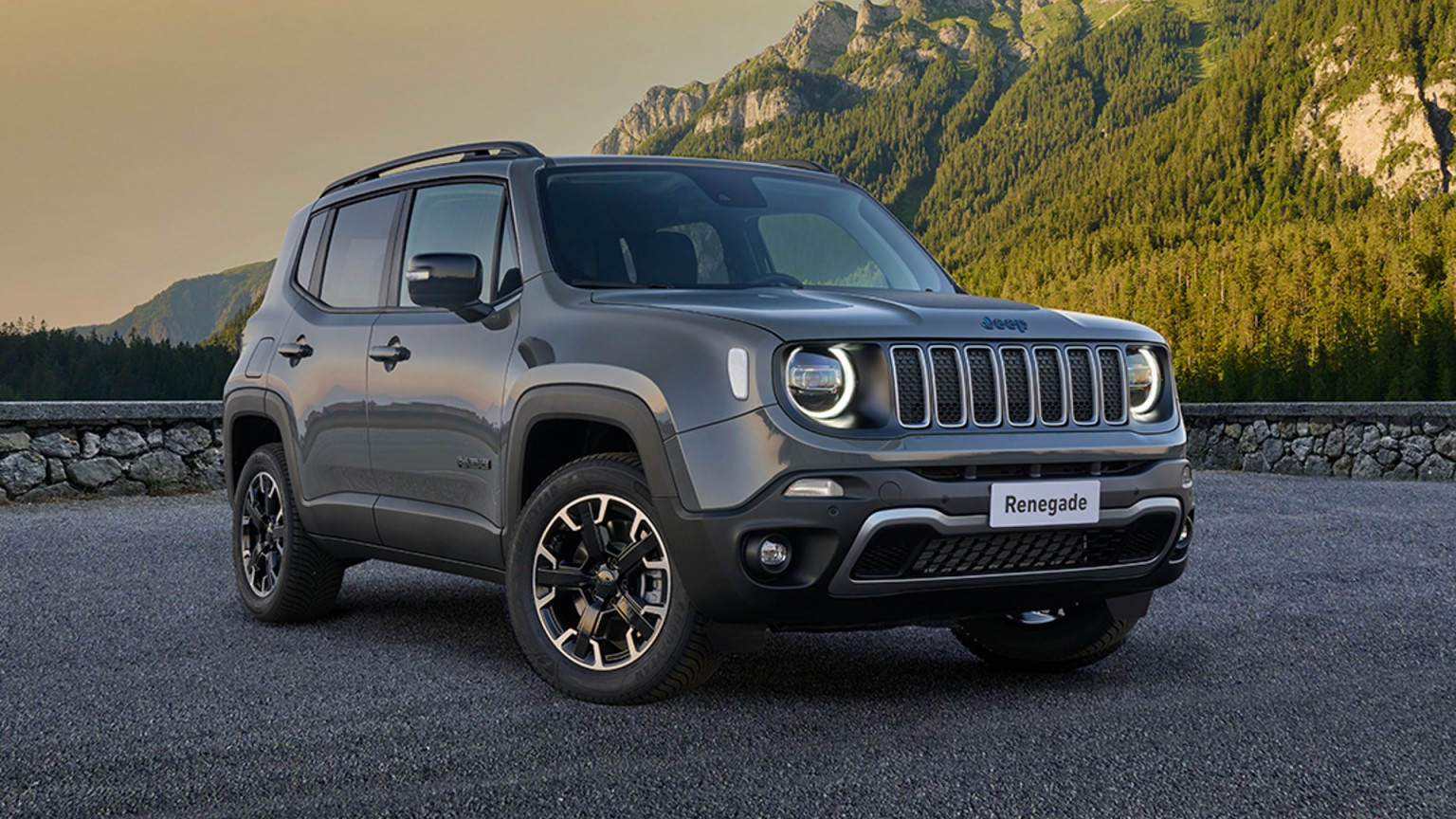
Section 1: Breathing Easier - Air Intake and Exhaust Upgrades
The first step in improving engine performance is often optimizing airflow. The 4.0 engine, like any internal combustion engine, needs to breathe freely to perform at its best.
-
Cold Air Intake (CAI) Systems: A CAI replaces the factory airbox with a system designed to draw cooler, denser air into the engine. Cooler air contains more oxygen, leading to more efficient combustion. CAIs typically include a high-flow air filter and a redesigned intake tube.

- Benefits: Increased horsepower and torque, improved throttle response, and a more aggressive engine sound.
- Considerations: Some CAIs may require modifications to the engine bay. Ensure the filter is properly maintained to prevent debris from entering the engine.
- Installation: Most CAIs are relatively easy to install, often requiring only basic hand tools.

-
Throttle Body Spacers: These spacers are installed between the throttle body and the intake manifold. They're designed to improve airflow by creating a swirling effect.
- Benefits: Can potentially improve throttle response and low-end torque.
- Considerations: The effectiveness of throttle body spacers on the 4.0 is debated. Results can vary.
-
Performance Exhaust Systems: Upgrading your exhaust system allows exhaust gases to flow more freely, reducing backpressure and improving engine efficiency.
-
Cat-Back Systems: These systems replace the exhaust components from the catalytic converter back, including the muffler and tailpipe.
- Benefits: Improved exhaust flow, increased horsepower and torque, and a more aggressive exhaust note.
- Considerations: Ensure the system complies with local emissions regulations.
-
Headers: Headers replace the factory exhaust manifold with individual runners, allowing each cylinder to exhaust more efficiently.
- Benefits: Significant improvements in exhaust flow, increased horsepower and torque, especially at higher RPMs.
- Considerations: Header installation can be more complex than cat-back systems. They can also increase engine noise and heat. Some headers may require modifications to the exhaust system.
-
Section 2: Fueling the Fire - Fuel Delivery Upgrades
Optimizing fuel delivery is crucial for maximizing the benefits of other performance upgrades.
-
Performance Fuel Injectors: Upgrading to performance fuel injectors can provide a more precise and consistent fuel spray, improving combustion efficiency.
- Benefits: Improved throttle response, increased horsepower and torque, and potentially better fuel economy.
- Considerations: Select injectors with the correct flow rate for your engine's modifications and driving style. Installing larger injectors without proper tuning can lead to poor performance.
-
Fuel Pressure Regulator: A performance fuel pressure regulator allows you to fine-tune the fuel pressure to optimize performance.
- Benefits: Improved fuel delivery control and the ability to adjust fuel pressure for optimal performance.
- Considerations: Requires careful adjustment and monitoring to avoid engine damage.
Section 3: Tuning and Engine Management
Once you've upgraded your intake, exhaust, and fuel delivery systems, it's essential to tune your engine's computer (ECU) to take full advantage of the modifications.
-
Performance Chips/Tuners: These devices reprogram the ECU to optimize fuel delivery, ignition timing, and other parameters for improved performance.
- Benefits: Increased horsepower and torque, improved throttle response, and the ability to customize engine settings.
- Considerations: Choose a reputable tuner and ensure the tune is compatible with your engine modifications. Improper tuning can damage your engine.
-
Standalone Engine Management Systems: For more advanced modifications, a standalone engine management system offers complete control over engine parameters.
- Benefits: Maximum control over engine tuning and the ability to optimize performance for specific modifications.
- Considerations: Requires extensive knowledge of engine tuning and programming.
Section 4: Internal Engine Upgrades (For the Serious Enthusiast)
These upgrades involve modifying the internal components of the engine and are typically reserved for those seeking significant performance gains.
-
Performance Camshaft: A performance camshaft alters the timing and duration of valve opening and closing, improving airflow and increasing horsepower.
- Benefits: Increased horsepower and torque, especially at higher RPMs.
- Considerations: Requires significant engine disassembly and reassembly. Choose a camshaft that matches your desired driving style and the other engine modifications.
-
Cylinder Head Porting and Polishing: Porting and polishing the cylinder head improves airflow into and out of the combustion chamber.
- Benefits: Increased horsepower and torque, improved throttle response.
- Considerations: Requires specialized tools and knowledge.
-
High-Compression Pistons: Increasing the compression ratio can boost horsepower and torque.
- Benefits: Increased horsepower and torque.
- Considerations: Requires careful engine assembly and may require higher-octane fuel.
Section 5: Drivetrain Considerations
Increasing your engine's power output can put additional strain on the drivetrain. Consider upgrading these components to ensure reliability.
- Heavy-Duty Clutch: If you have a manual transmission, a heavy-duty clutch can handle the increased torque.
- Upgraded Axles: Stronger axles can prevent breakage, especially during off-road use.
- Transmission Cooler: Keeping your transmission cool can extend its lifespan, especially when towing or off-roading.
Tips for Choosing the Right Performance Parts:
- Define Your Goals: What do you want to achieve with your upgrades? More horsepower? Better fuel economy? Improved off-road performance?
- Research Thoroughly: Read reviews, compare products, and talk to other Jeep owners.
- Choose Reputable Brands: Stick with well-known brands that offer quality products and good customer support.
- Consider Your Budget: Performance upgrades can be expensive. Set a budget and stick to it.
- Install Properly: Follow the manufacturer's instructions carefully. If you're not comfortable installing the parts yourself, hire a qualified mechanic.
- Tune Your Engine: After installing performance parts, it's essential to tune your engine to optimize performance and prevent damage.
Potential Challenges and Solutions:
- Emissions Regulations: Ensure your modifications comply with local emissions regulations.
- Engine Damage: Improper installation or tuning can damage your engine.
- Drivetrain Failure: Increased power can strain the drivetrain, leading to failure.
- Cost: Performance upgrades can be expensive.
Jeep 4.0 Inline 6 Performance Parts: Price Table
| Part | Description | Estimated Price (USD) |
|---|---|---|
| Cold Air Intake (CAI) System | Replaces factory airbox for cooler, denser air intake. | $150 - $400 |
| Throttle Body Spacer | Installed between throttle body and intake manifold for improved airflow. | $50 - $150 |
| Cat-Back Exhaust System | Replaces exhaust components from catalytic converter back. | $300 - $800 |
| Performance Headers | Replaces factory exhaust manifold with individual runners. | $200 - $600 |
| Performance Fuel Injectors | Provides precise and consistent fuel spray for improved combustion. | $100 - $400 (set) |
| Adjustable Fuel Pressure Regulator | Allows fine-tuning of fuel pressure for optimal performance. | $80 - $200 |
| Performance Chip/Tuner | Reprograms ECU for optimized fuel delivery, ignition timing, etc. | $200 - $600 |
| Performance Camshaft | Alters valve timing and duration for increased horsepower. | $150 - $500 |
| Heavy-Duty Clutch Kit (Manual Trans) | Handles increased torque from engine upgrades. | $200 - $500 |
| Upgraded Axle Shafts (Pair) | Stronger axles to prevent breakage during off-road use. | $300 - $1000+ |
Conclusion
Upgrading your Jeep 4.0 inline-six engine is a fantastic way to improve its performance and personalize your driving experience. From simple bolt-on modifications to more complex internal upgrades, there are options to suit every budget and skill level. Remember to research thoroughly, choose reputable brands, and install the parts properly. With the right upgrades, you can unleash the full potential of your legendary Jeep 4.0 and enjoy years of reliable performance.
Frequently Asked Questions (FAQ)
-
Q: Will performance upgrades void my Jeep's warranty?
- A: It depends on the specific warranty and the modifications you make. Generally, modifications that directly cause a failure may not be covered. Consult your warranty documentation or your dealer.
-
Q: How much horsepower can I realistically gain from performance upgrades?
- A: The amount of horsepower gain varies depending on the specific upgrades and the condition of your engine. Bolt-on upgrades can typically add 10-30 horsepower. More extensive modifications can yield significantly higher gains.
-
Q: Do I need to tune my engine after installing performance parts?
- A: Yes, tuning is highly recommended to optimize performance and prevent engine damage.
-
Q: What is the best first upgrade for my Jeep 4.0?
- A: A cold air intake and a cat-back exhaust system are often considered good starting points.
-
Q: Are performance upgrades legal in my state?
- A: Check your local emissions regulations before making any modifications to your vehicle.
By carefully considering your goals, budget, and the potential challenges, you can transform your Jeep 4.0 into a truly capable and enjoyable machine. Happy wrenching!
0 comments