The 2001 Jeep Grand Cherokee (WJ) is a popular SUV known for its blend of on-road comfort and off-road capability. However, like any vehicle, parts eventually wear out and need replacing. Finding the right replacement parts can be a challenge, especially when considering using parts from other model years. Understanding which parts are interchangeable can save you money, time, and frustration. This comprehensive guide will explore the years and models that share compatible parts with the 2001 Jeep Grand Cherokee, offering practical advice, insights, and essential considerations.
Introduction: The Importance of Interchangeability
What Year Jeep Grand Cherokee Parts Are Interchangeable With 2001? A Comprehensive Guide
"What Year Jeep Grand Cherokee Parts Are Interchangeable With 2001?" This question is crucial for several reasons. First, sourcing used parts from salvage yards or online marketplaces can be significantly cheaper than buying new components. Second, some parts may be discontinued or difficult to find specifically for the 2001 model year. Knowing which years offer compatible alternatives expands your options. Finally, understanding interchangeability can empower you to make informed decisions about upgrades and modifications, potentially improving your Grand Cherokee's performance and appearance.
Section 1: The WJ Generation (1999-2004): The Foundation of Interchangeability
The 2001 Jeep Grand Cherokee belongs to the WJ generation, produced from 1999 to 2004. This generation shares a significant number of components, making it the primary source for interchangeable parts. Generally, parts from other WJ models within this timeframe are the most likely to fit and function correctly. However, even within the WJ generation, variations exist based on engine type, trim level (Laredo, Limited, Overland), and optional features.
- Engine Compatibility: While the 4.0L inline-six and 4.7L V8 engines were offered throughout the WJ's production run, specific engine components (e.g., sensors, fuel injectors) might have minor variations. It's always best to check part numbers or consult with a mechanic to ensure compatibility.
- Transmission Compatibility: The 42RE (4.0L) and 45RFE/545RFE (4.7L) transmissions saw some revisions throughout the WJ's lifespan. While complete transmission swaps are possible, ensure the transmission control unit (TCU) and wiring harness are compatible.
- Axle and Suspension Components: Differentials (Dana 30 front, Dana 35/44a rear), axles, suspension arms, springs, and shocks are generally interchangeable within the WJ generation, but variations exist based on trim level and factory options like Quadra-Trac or Quadra-Drive. Verify gear ratios and suspension heights before swapping.
- Body Panels and Interior: Most body panels (doors, fenders, hood) are interchangeable across the WJ years. Interior components like seats, dashboards, and trim pieces also share considerable commonality, though color variations might exist.

Section 2: Beyond the WJ: Exploring Limited Interchangeability with Other Jeep Models
While the WJ generation offers the highest degree of interchangeability, some parts from other Jeep models may be compatible with the 2001 Grand Cherokee, although this is less common and requires careful research.
- XJ Cherokee (1984-2001): The XJ and WJ share some basic components, particularly in the front suspension and steering. However, significant differences in overall design and dimensions limit widespread interchangeability. Certain brake components (calipers, rotors) might be compatible, but verify part numbers thoroughly.
- TJ Wrangler (1997-2006): Similar to the XJ, the TJ shares some common components with the WJ, primarily in the drivetrain. Some axle parts (especially Dana 30 components) might be interchangeable, but careful comparison is crucial.
- WK Grand Cherokee (2005-2010): The WK is a completely different platform from the WJ, and very few parts are directly interchangeable. Avoid assuming compatibility between these generations.
Section 3: Key Components and Their Interchangeability
Let's examine specific components and their likelihood of interchangeability:
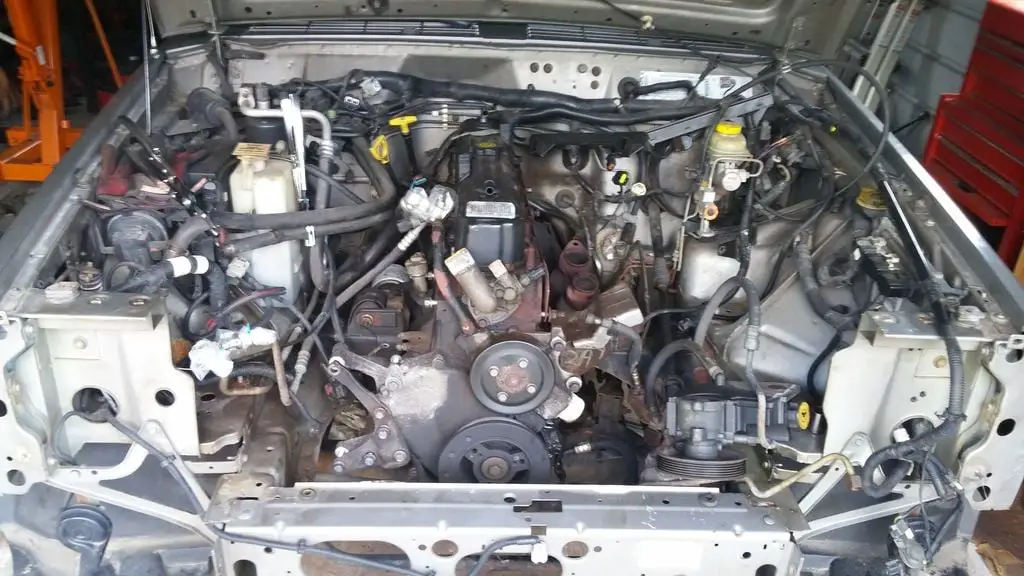
- Engine Components: As mentioned earlier, engine blocks are generally the same between 1999-2004 for both the 4.0L and 4.7L. However, sensors, fuel injectors, and other peripherals might differ slightly. Always check part numbers.
- Transmission Components: Complete transmission swaps from other WJ models are possible, but ensure TCU and wiring harness compatibility. Internal parts (gears, clutches) may also be interchangeable, but consult a transmission specialist.
- Brake System: Brake calipers, rotors, and master cylinders are generally interchangeable within the WJ generation, but ensure compatibility based on rotor size (e.g., standard vs. up-country suspension).
- Suspension System: Suspension components (springs, shocks, control arms) are mostly interchangeable within the WJ generation. Consider the impact of different spring rates on ride height and handling.
- Steering System: Steering boxes and power steering pumps are generally interchangeable within the WJ generation.
- Electrical System: Electrical components (switches, relays, sensors) are often interchangeable within the WJ generation, but verify part numbers. Wiring harnesses are generally NOT interchangeable due to variations in options and features.
- Body Panels: Doors, fenders, hoods, and tailgates are typically interchangeable within the WJ generation, although color matching might be required.
Section 4: How to Determine Interchangeability: A Practical Guide
Determining part interchangeability requires careful research and attention to detail. Here's a step-by-step guide:
- Identify the Part: Clearly identify the part you need to replace and its original part number. You can find this information in your owner's manual, parts catalog, or by contacting a Jeep dealership.
- Consult Online Resources: Use online parts databases like Mopar parts websites, RockAuto, or online Jeep forums. These resources often provide interchangeability information and cross-reference part numbers.
- Compare Part Numbers: The most reliable way to determine interchangeability is to compare part numbers. If the part numbers are identical, the parts are likely interchangeable. Even slight variations in part numbers can indicate compatibility issues.
- Check Jeep Forums and Communities: Jeep forums and online communities are valuable resources for sharing experiences and knowledge about part interchangeability. Search for threads related to your specific part and model year.
- Consult with a Mechanic: If you're unsure about interchangeability, consult with a qualified mechanic who specializes in Jeeps. They can provide expert advice and guidance.
- Visual Inspection: If possible, visually inspect the parts to compare their physical dimensions, mounting points, and electrical connectors. This can help identify potential compatibility issues.
- Test Fit: If you're still uncertain, purchase the part from a retailer with a generous return policy and test fit it on your vehicle.
Section 5: Potential Challenges and Solutions
Interchangeability isn't always straightforward. Here are some potential challenges and solutions:
- Variations in Trim Levels and Options: Parts can vary based on trim level (Laredo, Limited, Overland) and optional features (Quadra-Trac, Quadra-Drive). Ensure the replacement part is compatible with your vehicle's specific configuration.
- Minor Revisions Over Time: Even within the WJ generation, parts might have undergone minor revisions over time. These revisions might not affect functionality, but they could require slight modifications.
- Used Parts Condition: When using used parts, carefully inspect their condition before installation. Look for signs of wear, damage, or corrosion.
- Incorrect Part Numbers: Part numbers can be incorrect or outdated. Double-check the part number against multiple sources to ensure accuracy.
- Solutions: Always prioritize part number matching. Research specific applications and use online resources. Consult with experienced mechanics or Jeep specialists. Be prepared to make minor modifications if necessary.
Section 6: Tips for Successful Part Interchangeability
- Document Everything: Keep a record of the parts you replace, their part numbers, and the year/model of the donor vehicle.
- Take Pictures: Take pictures of the original part before removing it. This can help with reassembly and identifying the correct replacement part.
- Label Everything: Label all wires and connectors before disconnecting them. This will prevent confusion during reassembly.
- Be Patient: Part interchangeability can be a complex process. Be patient and take your time to ensure you're doing it correctly.
- Safety First: Always prioritize safety when working on your vehicle. Wear appropriate safety gear and disconnect the battery before working on electrical components.
Table: Interchangeability of Common Parts for 2001 Jeep Grand Cherokee (WJ)
| Part | Years Interchangeable (Generally) | Notes |
|---|---|---|
| Engine (4.0L) | 1999-2004 | Sensors and peripherals might vary slightly. Check part numbers. |
| Engine (4.7L) | 1999-2004 | Sensors and peripherals might vary slightly. Check part numbers. |
| Transmission (42RE) | 1999-2004 (4.0L) | Ensure TCU and wiring harness compatibility if swapping complete units. |
| Transmission (45RFE/545RFE) | 1999-2004 (4.7L) | Ensure TCU and wiring harness compatibility if swapping complete units. |
| Front Axle (Dana 30) | 1999-2004 | Gear ratio must match the rear axle. |
| Rear Axle (Dana 35/44a) | 1999-2004 | Gear ratio must match the front axle. Dana 44a is stronger. |
| Brakes (Calipers/Rotors) | 1999-2004 | Ensure compatibility based on rotor size and suspension type. |
| Suspension Components | 1999-2004 | Consider spring rates and ride height. |
| Steering Box | 1999-2004 | |
| Power Steering Pump | 1999-2004 | |
| Body Panels | 1999-2004 | Color matching may be required. |
| Interior Components | 1999-2004 | Color matching may be required. |
Conclusion: Navigating the World of WJ Part Interchangeability
Understanding which parts are interchangeable with your 2001 Jeep Grand Cherokee can significantly simplify the repair and maintenance process. Focusing on the WJ generation (1999-2004) is the best starting point. Always prioritize thorough research, part number verification, and consultation with experienced mechanics when in doubt. By following these guidelines, you can save money, expand your options, and keep your Grand Cherokee running smoothly for years to come. Remember, patience and attention to detail are key to successful part interchangeability.
Frequently Asked Questions (FAQ)
- Q: Will a 2004 Grand Cherokee engine fit in my 2001?
- A: Yes, a 2004 engine (4.0L or 4.7L) will generally fit in your 2001 Grand Cherokee. However, be sure to check for any minor differences in sensors or connectors and swap them over from your original engine if necessary.
- Q: Can I use a transmission from a 2000 Grand Cherokee in my 2001?
- A: Yes, a transmission from a 2000 Grand Cherokee (either 42RE or 45RFE/545RFE, depending on the engine) should be compatible. However, verify that the TCU and wiring harness connectors are the same.
- Q: Are the seats from a 2002 Grand Cherokee interchangeable with my 2001?
- A: Yes, the seats are generally interchangeable, but be aware of potential color differences.
- Q: Can I use the wheels from a 2006 Grand Cherokee on my 2001?
- A: No, the 2006 (WK) Grand Cherokee has a different bolt pattern than the 1999-2004 (WJ) model. The WJ uses a 5x4.5" bolt pattern, while the WK uses a 5x5" bolt pattern.
- Q: Where can I find reliable part numbers for my 2001 Grand Cherokee?
- A: You can find reliable part numbers in your owner's manual, parts catalogs, online Mopar parts websites, and by contacting a Jeep dealership.

0 comments