The Ultimate Guide to 1995 Jeep Grand Cherokee Suspension Parts: Upgrade for Performance and Reliability
The 1995 Jeep Grand Cherokee (ZJ) is a legendary SUV, renowned for its ruggedness, off-road capability, and classic styling. A crucial aspect of its performance lies in its suspension system. Over time, these components can wear out, impacting ride quality, handling, and safety. This comprehensive guide delves into the world of 1995 Jeep Grand Cherokee suspension parts. We'll explore the different components, common issues, upgrade options, and essential maintenance tips to keep your ZJ running smoothly for years to come.
1995 jeep grand cherokee suspension parts
Why Your 1995 Jeep Grand Cherokee Suspension Matters
Your Jeep's suspension system is far more than just springs and shocks. It is the backbone of its ride quality and handling. A well-maintained suspension ensures a comfortable ride, precise steering, and optimal tire contact with the road. This is especially important for a vehicle like the Grand Cherokee. It is built for both on-road comfort and off-road adventures.
A worn-out suspension can lead to a host of problems. These include poor handling, excessive body roll, uneven tire wear, and a generally uncomfortable driving experience. Ignoring these issues can also compromise safety, especially in emergency braking or evasive maneuvers. Replacing worn suspension parts is a worthwhile investment in your Jeep's overall health and performance.
Key Suspension Components of the 1995 Jeep Grand Cherokee
Understanding the individual components of your ZJ's suspension is crucial for proper diagnosis and maintenance. Here's a breakdown of the key parts:
-
Coil Springs: These provide the primary support for the vehicle's weight. They absorb bumps and road imperfections. Over time, coil springs can sag or weaken, leading to a lower ride height and reduced suspension travel.

-
Shock Absorbers (Shocks): Shocks dampen the oscillations of the springs. They control the rebound and compression, preventing the vehicle from bouncing excessively. Worn shocks result in a bouncy ride and reduced handling precision.
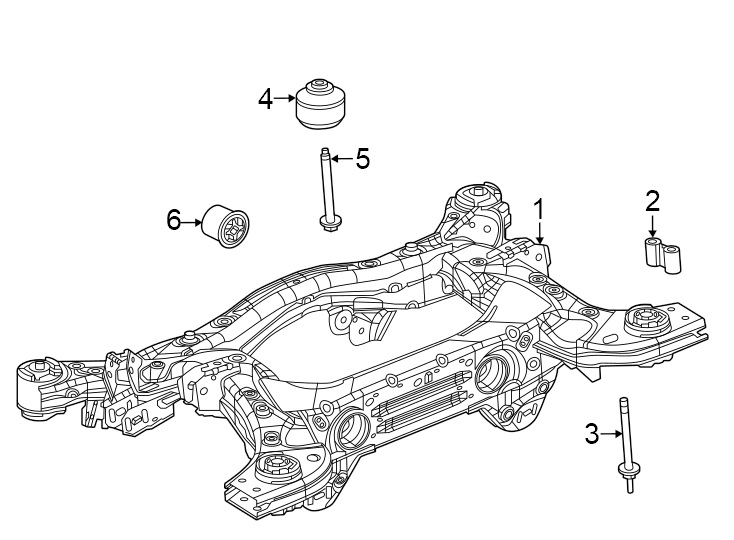
Control Arms: These connect the axle to the vehicle's frame. They allow the suspension to move up and down while maintaining proper wheel alignment. The 1995 Grand Cherokee uses both upper and lower control arms.
-
Track Bar (Panhard Rod): The track bar is responsible for keeping the axle centered under the vehicle. It prevents lateral movement, especially during cornering. A worn track bar can cause "bump steer," where the steering wheel moves erratically over bumps.
-
Sway Bar (Stabilizer Bar): The sway bar connects the left and right sides of the suspension. It reduces body roll during cornering, improving stability and handling. Sway bar links connect the sway bar to the axle or frame.
-
Bushings: Bushings are rubber or polyurethane insulators found in control arms, track bars, and sway bar links. They absorb vibrations and allow for movement between suspension components. Worn bushings lead to play in the suspension, causing noise and imprecise handling.
-
Ball Joints: Ball joints connect the control arms to the steering knuckles. They allow the wheels to pivot for steering. Worn ball joints can cause looseness in the steering and clunking noises.

Common Suspension Problems in the 1995 Jeep Grand Cherokee
Several factors can contribute to suspension problems in a 1995 Jeep Grand Cherokee. These include age, mileage, driving conditions, and off-road use. Here are some of the most common issues:
-
Worn Shocks: A bouncy ride, excessive body roll, and poor handling are telltale signs of worn shocks. Visual inspection may reveal leaks or damage.
-
Sagging Springs: If your Jeep sits lower than it should, especially in the front or rear, the coil springs may be sagging. This can negatively impact ride quality and ground clearance.
-
Worn Bushings: Cracks, tears, or excessive play in the bushings are signs of wear. This can lead to noise, vibration, and imprecise handling. Inspect the bushings on the control arms, track bar, and sway bar links.
-
Loose Ball Joints: Check for play in the ball joints by jacking up the vehicle and attempting to move the wheel. Clunking noises when turning or going over bumps can also indicate worn ball joints.
-
Bent or Damaged Control Arms: Off-road use or accidents can damage the control arms. Inspect them for bends, cracks, or other signs of damage.
Diagnosing Suspension Issues: A Step-by-Step Guide
Diagnosing suspension problems requires a systematic approach. Here's a step-by-step guide to help you pinpoint the issue:
-
Visual Inspection: Start by visually inspecting all suspension components. Look for signs of wear, damage, or leaks. Pay close attention to the shocks, springs, bushings, and ball joints.
-
Bounce Test: Push down on each corner of the vehicle and observe how it rebounds. Excessive bouncing indicates worn shocks.
-
Road Test: Drive the vehicle and pay attention to the ride quality, handling, and any unusual noises. Note any excessive body roll, bump steer, or vibrations.
-
Steering Check: Check for play in the steering wheel and listen for clunking noises when turning.
-
Professional Inspection: If you're unsure about the diagnosis, take your Jeep to a qualified mechanic for a professional inspection. They have the tools and expertise to accurately diagnose suspension problems.
Upgrade Options for Your 1995 Jeep Grand Cherokee Suspension
Upgrading your ZJ's suspension can significantly improve its performance, both on and off-road. Here are some popular upgrade options:
-
Lift Kits: Lift kits increase the ride height, allowing for larger tires and improved off-road clearance. They typically include longer springs, shocks, and other necessary components. Lift kits range from mild (2-3 inches) to more extreme (6+ inches).
-
Performance Shocks: Upgrading to performance shocks can improve ride quality and handling. Options include Bilstein, Rancho, and Fox shocks, which offer better damping and control.
-
Heavy-Duty Springs: If you frequently carry heavy loads or tow trailers, consider upgrading to heavy-duty springs. These provide additional support and prevent sagging.
-
Adjustable Control Arms: Adjustable control arms allow you to fine-tune the suspension geometry, especially after installing a lift kit. This can improve handling and prevent premature tire wear.
-
Polyurethane Bushings: Polyurethane bushings are more durable and offer better performance than rubber bushings. They can improve handling and reduce body roll.
Pro tips from us: When selecting suspension upgrades, consider your intended use. A mild lift kit and performance shocks are suitable for occasional off-roading and improved on-road handling. A more aggressive lift kit and heavy-duty components are better suited for serious off-road enthusiasts.
Replacing Suspension Parts: A DIY Guide (with Caution)
Replacing suspension parts can be a rewarding DIY project. However, it's essential to have the necessary tools, skills, and safety precautions.
Tools You'll Need:
- Jack and Jack Stands
- Socket Set
- Wrench Set
- Torque Wrench
- Ball Joint Separator (Pickle Fork or Ball Joint Press)
- Spring Compressor (for Coil Springs)
- Hammer
- Penetrating Oil
Step-by-Step Instructions (General Overview):
-
Safety First: Always use jack stands to support the vehicle before working underneath it. Disconnect the battery to prevent accidental electrical shorts.
-
Loosen Lug Nuts: Loosen the lug nuts on the wheel before jacking up the vehicle.
-
Jack Up Vehicle: Jack up the vehicle and place jack stands under the frame.
-
Remove Wheel: Remove the wheel.
-
Disconnect Components: Disconnect the shocks, sway bar links, and other components that are attached to the part you're replacing. Use penetrating oil to loosen any rusted bolts.
-
Remove Old Part: Remove the old suspension part. This may require using a ball joint separator or spring compressor.
-
Install New Part: Install the new suspension part, following the manufacturer's instructions. Torque all bolts to the specified torque values.
-
Reconnect Components: Reconnect the shocks, sway bar links, and other components.
-
Reinstall Wheel: Reinstall the wheel and tighten the lug nuts.
-
Lower Vehicle: Lower the vehicle and remove the jack stands.
-
Torque Lug Nuts: Torque the lug nuts to the specified torque values.
Common mistakes to avoid are:
- Not using jack stands: This is extremely dangerous. Always use jack stands to support the vehicle.
- Stripping bolts: Use penetrating oil and the correct size wrench to avoid stripping bolts.
- Not torquing bolts to the correct values: This can lead to loose suspension components and safety hazards.
- Forgetting to disconnect the sway bar: Attempting to remove suspension components with the sway bar still connected can be difficult and dangerous.
Based on my experience... It's often best to tackle one side of the vehicle at a time. This allows you to use the other side as a reference for reassembly. Also, consider replacing parts in pairs (e.g., both shocks or both ball joints) to ensure even wear and performance.
Maintenance Tips for Your 1995 Jeep Grand Cherokee Suspension
Regular maintenance can help extend the life of your ZJ's suspension and prevent costly repairs. Here are some essential maintenance tips:
-
Regular Inspections: Inspect your suspension components regularly for signs of wear, damage, or leaks.
-
Lubrication: Lubricate the ball joints and other grease fittings regularly.
-
Alignment: Get a wheel alignment after replacing suspension parts or after any significant off-road activity.
-
Tire Pressure: Maintain proper tire pressure to ensure even tire wear and optimal handling.
-
Avoid Overloading: Avoid overloading your Jeep, as this can put excessive stress on the suspension.
Finding the Right Suspension Parts for Your 1995 Jeep Grand Cherokee
Finding the correct suspension parts is crucial for a successful repair or upgrade. Here are some tips for finding the right parts:
-
Check Your Vehicle's VIN: Use your vehicle's VIN to identify the correct parts.
-
Consult Online Catalogs: Online auto parts catalogs can help you find the right parts based on your vehicle's year, make, and model.
-
Read Reviews: Read reviews of different suspension parts to get an idea of their quality and performance.
-
Consult a Mechanic: If you're unsure about which parts to choose, consult a qualified mechanic for advice.
Trusted Brands for 1995 Jeep Grand Cherokee Suspension Parts
Several reputable brands offer high-quality suspension parts for the 1995 Jeep Grand Cherokee. These include:
- Mopar: Mopar is the original equipment manufacturer (OEM) for Jeep vehicles.
- Bilstein: Bilstein is a well-known manufacturer of high-performance shocks.
- Rancho: Rancho offers a wide range of suspension components, including shocks, springs, and lift kits.
- Moog: Moog is a trusted brand for chassis parts, including ball joints and control arms.
- Energy Suspension: Energy Suspension specializes in polyurethane bushings.
Cost Considerations for Suspension Repairs and Upgrades
The cost of suspension repairs and upgrades can vary depending on the parts needed, the labor involved, and the brand of parts you choose. Here's a general idea of what you can expect to pay:
- Shocks: \$50-\$200 per shock
- Springs: \$100-\$300 per spring
- Control Arms: \$100-\$300 per control arm
- Ball Joints: \$50-\$150 per ball joint
- Lift Kits: \$500-\$3000+
Labor costs can range from \$50 to \$150 per hour, depending on the mechanic. Getting multiple quotes from different shops is always a good idea.
Conclusion: Investing in Your 1995 Jeep Grand Cherokee's Suspension
The suspension system is a vital part of your 1995 Jeep Grand Cherokee. By understanding the components, common issues, and maintenance tips outlined in this guide, you can keep your ZJ running smoothly and safely for years to come. Whether you're tackling a simple repair or a complete suspension upgrade, investing in quality parts and proper maintenance is a worthwhile investment in your Jeep's overall performance and reliability. Don't hesitate to consult with a qualified mechanic if you have any questions or concerns. A well-maintained suspension not only enhances your driving experience but also preserves the value and legacy of your classic Jeep Grand Cherokee. For further information on Jeep maintenance, a resource like this one from Quadratec can be a valuable tool. Remember to always prioritize safety and consult professional help when needed to ensure the longevity and performance of your vehicle.
0 comments