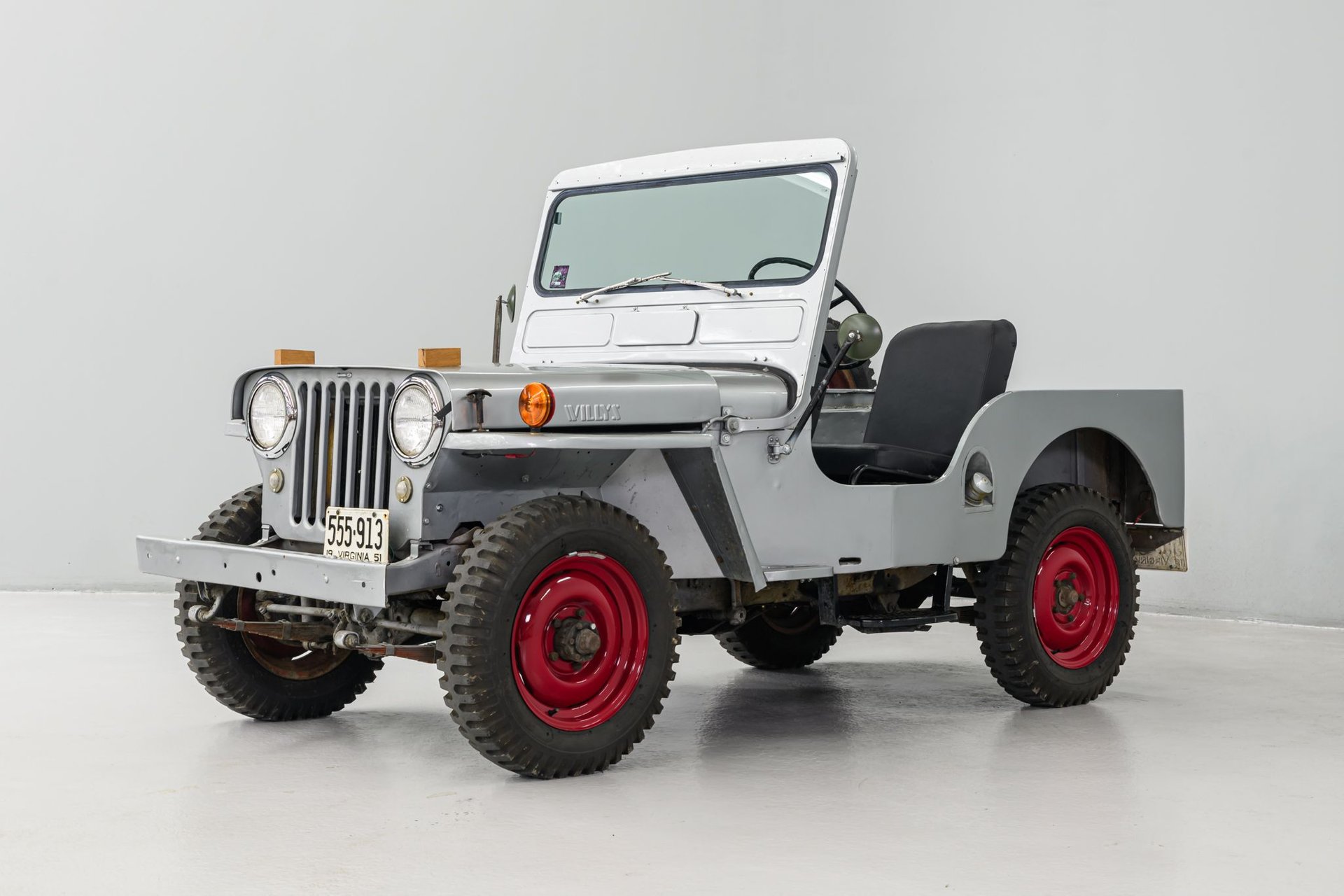
The 1961 Willys Jeep represents a pivotal moment in off-road vehicle history. Its rugged design and reliable performance have cemented its place as an iconic classic. For enthusiasts looking to restore, maintain, or simply enhance their 1961 Willys Jeep, understanding the available parts and their specific functions is crucial. This comprehensive guide dives deep into the world of 1961 Willys Jeep parts. We'll cover everything from sourcing them to understanding their importance in keeping your vintage Jeep running smoothly.
Why the 1961 Willys Jeep Remains a Classic
The Ultimate Guide to 1961 Willys Jeep Parts: Restoration, Maintenance, and More
The 1961 Willys Jeep stands out for several reasons. Its simple yet robust design made it incredibly durable. It also offered unmatched off-road capabilities. This model year maintained the classic CJ-3B's high-hood design, accommodating the more powerful F-head engine. This engine provided a noticeable performance boost over earlier models. The 1961 Willys Jeep also represents a key period in Jeep's evolution. It bridges the gap between its military origins and its growing popularity as a civilian vehicle.
Essential Categories of 1961 Willys Jeep Parts
To effectively navigate the world of 1961 Willys Jeep parts, it's helpful to categorize them based on function:
-
Engine Components: These include everything related to the engine's operation. This includes the carburetor, distributor, water pump, fuel pump, and all internal parts like pistons, rings, and valves.
Transmission & Drivetrain: This encompasses the transmission, transfer case, axles, driveshafts, and differentials. These parts are responsible for transferring power from the engine to the wheels.
-
Suspension & Steering: This category includes leaf springs, shocks, steering gear, tie rods, and related components. These parts ensure a comfortable ride and proper handling.
-
Body & Frame: This includes the body panels, frame, windshield, seats, and other cosmetic and structural parts.
-
Electrical System: This covers the wiring harness, starter, generator (or alternator), lights, gauges, and other electrical components.
-
Brakes: This includes brake drums, shoes, wheel cylinders, master cylinder, and brake lines. These parts are critical for safe stopping.


Sourcing 1961 Willys Jeep Parts: A Detailed Guide
Finding the right parts for your 1961 Willys Jeep requires a strategic approach. Here are several avenues to explore:
-
Specialty Jeep Parts Suppliers: These suppliers specialize in vintage Jeep parts. They often carry a wide selection of both new and reproduction parts. They can be a great resource for hard-to-find items.
-
Online Marketplaces: Websites like eBay and Craigslist can be treasure troves for used and NOS (New Old Stock) parts. Be sure to carefully inspect the parts before purchasing. Ask the seller plenty of questions.
-
Local Auto Parts Stores: While they may not carry everything, some local auto parts stores can still source common parts like filters, belts, and hoses for older vehicles.
-
Jeep Clubs and Forums: Joining a Jeep club or online forum can connect you with other enthusiasts. They often have valuable information about parts availability and restoration tips.
-
Salvage Yards: Salvage yards specializing in older vehicles can be a great source for used parts. However, be prepared to do some searching and possibly some disassembly.
Understanding the Importance of Originality vs. Reproduction Parts
When restoring a 1961 Willys Jeep, you'll face the decision of whether to use original parts or reproduction parts. Both have their advantages and disadvantages:
-
Original Parts: Using original parts helps maintain the vehicle's authenticity and value. They can be difficult to find and often more expensive.
-
Reproduction Parts: Reproduction parts are generally more readily available and often more affordable. They may not always match the original in terms of quality or appearance.
Pro tip from us: Consider your restoration goals when deciding between original and reproduction parts. If you're aiming for a concours-level restoration, original parts are essential. For a daily driver or weekend off-roader, reproduction parts may be a more practical choice.
Key Engine Components for the 1961 Willys Jeep
The engine is the heart of your 1961 Willys Jeep. Keeping it in good working order is essential for reliable performance. The 1961 Willys Jeep typically used the "F-Head" Hurricane engine. Here are some key engine components to consider:
-
Carburetor: The carburetor mixes air and fuel for combustion. Over time, it can become clogged or worn, leading to poor performance. Rebuilding or replacing the carburetor can significantly improve engine performance.
-
Distributor: The distributor delivers the spark to the spark plugs in the correct firing order. A faulty distributor can cause misfires and reduced power.
-
Water Pump: The water pump circulates coolant through the engine to prevent overheating. A failing water pump can lead to serious engine damage.
-
Fuel Pump: The fuel pump delivers fuel from the gas tank to the carburetor. A weak fuel pump can cause fuel starvation and engine stalling.
-
Internal Engine Parts: Pistons, rings, valves, and bearings are all critical internal engine parts. Replacing worn or damaged parts during an engine rebuild can restore performance and extend engine life.
Transmission and Drivetrain: Keeping the Power Flowing
The transmission and drivetrain are responsible for transferring power from the engine to the wheels. These components are subjected to a lot of stress, so it's important to keep them properly maintained.
-
Transmission: The transmission allows the driver to select different gear ratios for varying speeds and driving conditions. A worn transmission can cause slipping, grinding, or difficulty shifting.
-
Transfer Case: The transfer case allows the driver to engage four-wheel drive. A faulty transfer case can prevent the vehicle from shifting into four-wheel drive.
-
Axles: The axles transfer power from the differentials to the wheels. Damaged axles can cause vibrations and loss of power.
-
Driveshafts: The driveshafts connect the transmission and transfer case to the axles. Worn or damaged driveshafts can cause vibrations and noise.
-
Differentials: The differentials allow the wheels to rotate at different speeds when turning. A faulty differential can cause wheel slippage and difficulty turning.
Suspension and Steering: Ensuring a Smooth Ride
The suspension and steering systems are critical for ride comfort and handling. Keeping these components in good condition is essential for a safe and enjoyable driving experience.
-
Leaf Springs: Leaf springs provide support and absorb shocks. Worn or sagging leaf springs can cause a rough ride and poor handling.
-
Shocks: Shocks dampen the movement of the suspension. Worn shocks can cause excessive bouncing and poor handling.
-
Steering Gear: The steering gear translates the driver's input into movement of the wheels. A worn steering gear can cause loose steering and difficulty controlling the vehicle.
-
Tie Rods: Tie rods connect the steering gear to the wheels. Worn tie rods can cause loose steering and poor handling.
Body and Frame: Preserving the Classic Look
The body and frame are the foundation of your 1961 Willys Jeep. Keeping them in good condition is essential for preserving the vehicle's classic look and structural integrity.
-
Body Panels: Body panels can be damaged by rust, dents, and scratches. Repairing or replacing damaged body panels can restore the vehicle's appearance.
-
Frame: The frame provides the structural support for the vehicle. A damaged frame can compromise the vehicle's safety and handling.
-
Windshield: The windshield provides protection from the elements and improves visibility. A cracked or broken windshield should be replaced immediately.
-
Seats: The seats provide comfort for the driver and passengers. Worn or damaged seats can be uncomfortable and detract from the vehicle's appearance.
Electrical System: Keeping the Lights On
The electrical system powers the lights, gauges, and other electrical components. A faulty electrical system can cause a variety of problems, from dim lights to a non-starting engine.
-
Wiring Harness: The wiring harness connects all of the electrical components. A damaged wiring harness can cause shorts and other electrical problems.
-
Starter: The starter cranks the engine to start the vehicle. A faulty starter can prevent the engine from starting.
-
Generator/Alternator: The generator (or alternator) charges the battery and powers the electrical system. A faulty generator or alternator can cause a dead battery.
-
Lights: The lights provide visibility at night and signal other drivers. Burned-out or dim lights should be replaced immediately.
-
Gauges: The gauges provide information about the engine's performance. Faulty gauges can provide inaccurate information.
Brakes: Ensuring Safe Stopping Power
The brakes are critical for safe stopping power. Keeping them in good working order is essential for preventing accidents.
-
Brake Drums: Brake drums provide the surface for the brake shoes to press against. Worn brake drums can reduce braking performance.
-
Brake Shoes: Brake shoes press against the brake drums to slow the vehicle. Worn brake shoes can reduce braking performance.
-
Wheel Cylinders: Wheel cylinders push the brake shoes against the brake drums. Leaking wheel cylinders can reduce braking performance.
-
Master Cylinder: The master cylinder provides the hydraulic pressure to operate the brakes. A faulty master cylinder can cause a loss of braking power.
-
Brake Lines: Brake lines carry the hydraulic fluid from the master cylinder to the wheel cylinders. Leaking brake lines can cause a loss of braking power.
Common Mistakes to Avoid When Restoring a 1961 Willys Jeep
Restoring a 1961 Willys Jeep can be a rewarding experience. However, it's important to avoid common mistakes that can lead to frustration and wasted time and money.
-
Not doing your research: Before starting any restoration project, it's important to do your research and understand the vehicle's original specifications.
-
Cutting corners: Cutting corners on parts or labor can lead to problems down the road. It's better to do the job right the first time.
-
Ignoring rust: Rust is a common problem on older vehicles. It's important to address rust issues early on to prevent further damage.
-
Overlooking the electrical system: The electrical system is often overlooked during restoration projects. However, a faulty electrical system can cause a variety of problems.
-
Not seeking professional help: Don't be afraid to seek professional help when needed. A qualified mechanic or restorer can provide valuable assistance.
Tips for Maintaining Your 1961 Willys Jeep
Once you've restored your 1961 Willys Jeep, it's important to keep it properly maintained to ensure its longevity.
-
Regularly inspect the vehicle: Regularly inspect the vehicle for signs of wear and tear. This includes checking the fluids, tires, brakes, and other components.
-
Perform routine maintenance: Perform routine maintenance according to the manufacturer's recommendations. This includes changing the oil, filters, and other fluids.
-
Store the vehicle properly: If you're not going to be driving the vehicle for an extended period of time, store it properly to protect it from the elements.
-
Drive the vehicle regularly: Driving the vehicle regularly will help keep the engine and other components in good working order.
-
Address problems promptly: Address any problems promptly to prevent them from becoming more serious.
Resources for 1961 Willys Jeep Owners
There are many resources available for 1961 Willys Jeep owners. These resources can provide valuable information about parts, restoration, and maintenance.
-
Online forums: Online forums are a great place to connect with other Willys Jeep owners and ask questions. CJ3B.info is a great resource.
-
Jeep clubs: Jeep clubs offer opportunities to connect with other enthusiasts and participate in organized events.
-
Restoration guides: Restoration guides provide step-by-step instructions for restoring a Willys Jeep.
-
Parts catalogs: Parts catalogs list available parts for the Willys Jeep.
Conclusion: Embracing the Legacy of the 1961 Willys Jeep
The 1961 Willys Jeep represents a unique blend of utility and classic design. Understanding its parts and their functions is paramount for any enthusiast. Whether you're restoring a vintage model or simply keeping your daily driver running smoothly, this guide provides a solid foundation. By carefully sourcing parts, understanding their purpose, and performing regular maintenance, you can ensure that your 1961 Willys Jeep continues to turn heads for generations to come. The journey of owning and maintaining a classic Jeep is a rewarding one. It connects you to a rich history of innovation and rugged capability.
This article offers a deep dive into the world of 1961 Willys Jeep parts, covering sourcing, maintenance, and restoration. Remember to consult with experienced mechanics and enthusiasts for personalized advice. Enjoy the journey of preserving this iconic piece of automotive history!

0 comments