The 2002 Jeep Liberty. It's a classic. A rugged, reliable SUV that evokes memories of off-road adventures and dependable daily commutes. But, like any vehicle of its age, keeping a 2002 Liberty running smoothly requires attention, care, and the occasional replacement part. This comprehensive guide is your one-stop resource for navigating the world of 2002 Jeep Liberty replacement parts, ensuring you can keep your trusty steed on the road for years to come.
Whether you're a seasoned mechanic or a DIY enthusiast, understanding the common issues, available parts, and best practices for maintenance will empower you to make informed decisions and save money in the long run. Let's dive in!
The Ultimate Guide to 2002 Jeep Liberty Replacement Parts: Keeping Your Ride Alive
Why Invest in Replacement Parts for Your 2002 Jeep Liberty?
Simply put, regular maintenance and timely replacements are crucial for extending the life of your 2002 Jeep Liberty. Ignoring worn or damaged components can lead to more significant and costly repairs down the line.
Think of it like this: a small leak in a hose can eventually lead to engine overheating and catastrophic damage. Replacing that hose early on is a far more economical solution. Plus, keeping your Liberty in good working order ensures your safety and the safety of others on the road.
Moreover, a well-maintained vehicle retains its value better. So, when the time comes to sell or trade-in, you'll be in a much stronger position.
Common Issues and Essential Replacement Parts
The 2002 Jeep Liberty, while generally reliable, is prone to certain issues due to its age and mileage. Identifying these common problems will help you anticipate potential repairs and proactively address them.
Here's a breakdown of some key areas and the corresponding replacement parts you might need:
1. Engine Components:
- Spark Plugs: These are vital for ignition. Worn spark plugs can cause misfires, reduced fuel economy, and poor performance. Replacing them at the recommended interval (typically every 30,000 miles) is crucial.
- Ignition Coils: Each spark plug has its own ignition coil. If one fails, you'll experience rough idling and a check engine light. Replacing a faulty coil is usually a straightforward process.
- Oxygen Sensors (O2 Sensors): These sensors monitor the exhaust gases and provide feedback to the engine control unit (ECU) to optimize fuel mixture. Failing O2 sensors can lead to poor fuel economy and emissions issues.
- Water Pump: The water pump circulates coolant through the engine, preventing overheating. A failing water pump can cause leaks and ultimately lead to engine damage.
- Thermostat: The thermostat regulates engine temperature. A faulty thermostat can cause overheating or prevent the engine from reaching its optimal operating temperature.
- Hoses and Belts: Radiator hoses, heater hoses, and serpentine belts are all susceptible to wear and tear. Regularly inspect them for cracks, leaks, or fraying, and replace them as needed.
2. Transmission System:
- Transmission Fluid: Maintaining clean transmission fluid is critical for smooth shifting and longevity. Follow the manufacturer's recommended service interval for fluid changes.
- Transmission Filter: The transmission filter removes contaminants from the fluid. Replacing it during fluid changes ensures optimal performance.
- Shift Solenoids: These solenoids control the flow of fluid within the transmission. Faulty solenoids can cause shifting problems.
3. Suspension and Steering:
- Shocks and Struts: These components provide a comfortable ride and maintain vehicle stability. Worn shocks and struts can lead to excessive bouncing and poor handling.
- Ball Joints: Ball joints connect the suspension to the wheel hubs. Worn ball joints can cause clunking noises and steering problems.
- Tie Rod Ends: Tie rod ends connect the steering rack to the steering knuckles. Worn tie rod ends can cause loose steering and uneven tire wear.
- Control Arm Bushings: These bushings absorb vibrations and maintain proper suspension geometry. Worn bushings can cause clunking noises and poor handling.
4. Brake System:
- Brake Pads and Rotors: These are essential for stopping power. Regularly inspect them for wear and replace them as needed.
- Brake Calipers: Brake calipers house the brake pads and apply pressure to the rotors. A failing caliper can cause uneven braking and reduced stopping power.
- Brake Lines: Brake lines carry brake fluid to the calipers. Inspect them for leaks or damage.
- Master Cylinder: The master cylinder provides hydraulic pressure to the brake system. A failing master cylinder can cause a soft brake pedal and reduced braking performance.
5. Electrical System:
- Battery: A healthy battery is essential for starting the engine. Replace the battery every few years or as needed.
- Alternator: The alternator charges the battery while the engine is running. A failing alternator can cause the battery to drain and the engine to stall.
- Starter: The starter cranks the engine to start it. A failing starter can cause difficulty starting the engine.
- Fuses and Relays: These components protect the electrical circuits from overloads. Replace blown fuses and faulty relays as needed.
6. Cooling System:
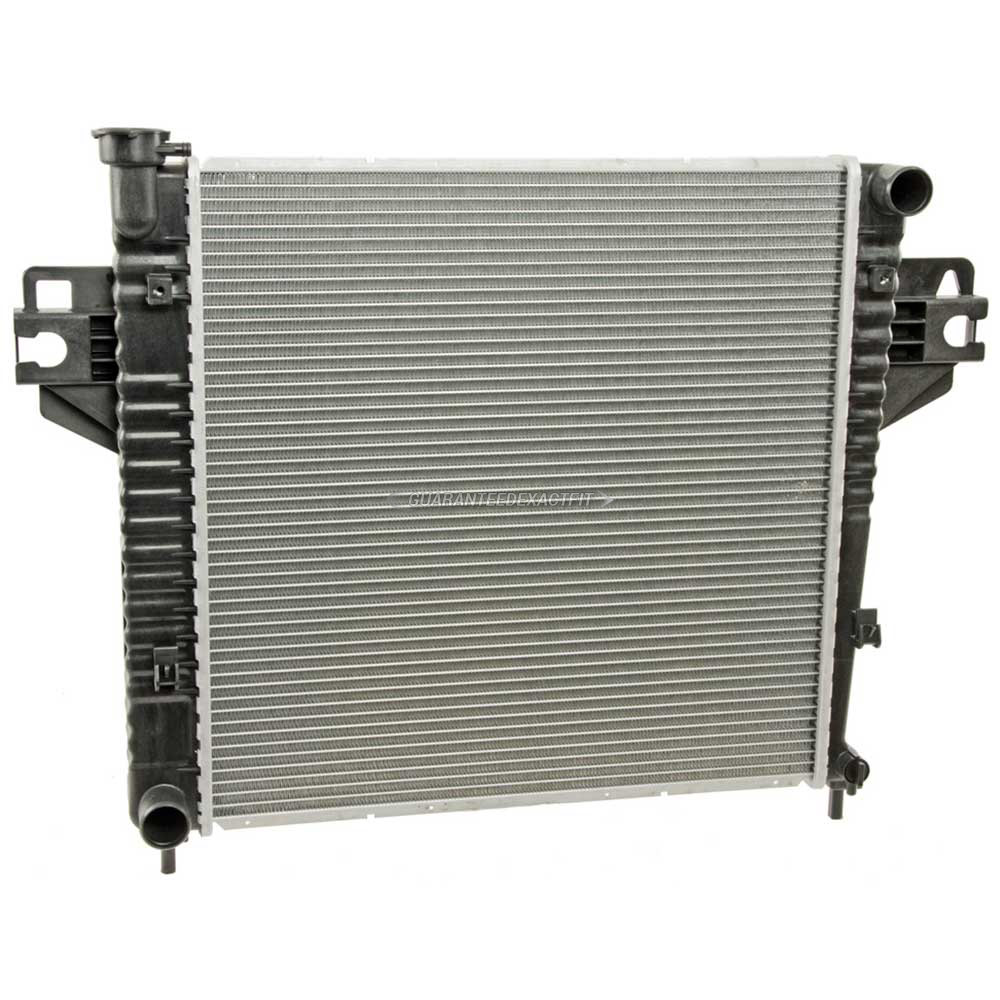
- Radiator: The radiator dissipates heat from the engine coolant. A leaking or clogged radiator can cause overheating.
- Radiator Cap: The radiator cap maintains pressure in the cooling system. A faulty cap can cause leaks and overheating.
7. Body and Interior:
- Exterior Lighting: Headlights, taillights, and turn signals are essential for safety. Replace burned-out bulbs promptly.
- Windshield Wipers: Functioning windshield wipers are crucial for visibility. Replace worn wiper blades regularly.
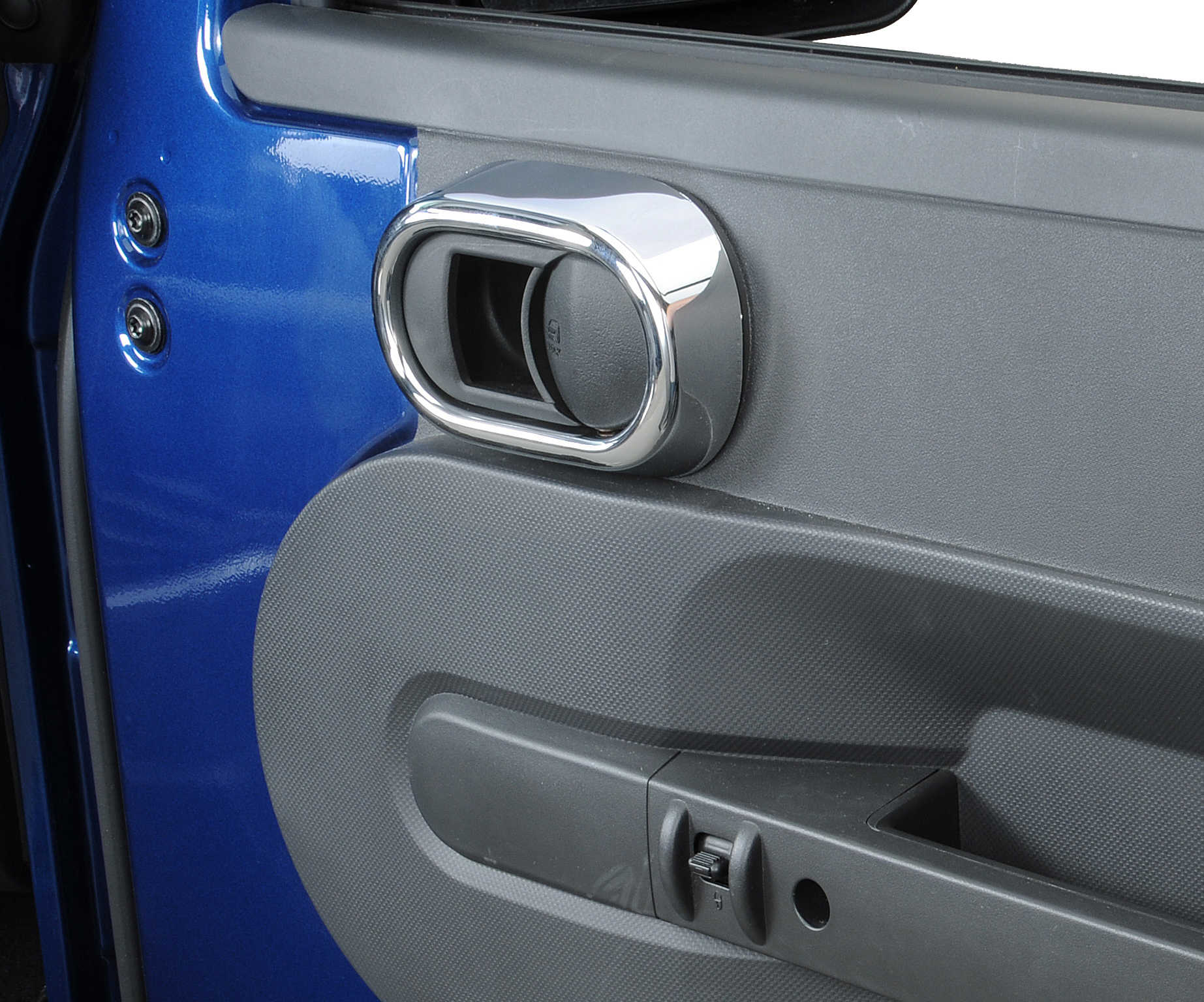
- Interior Components: Depending on the condition of your vehicle, you might need to replace worn seats, carpets, or trim pieces.
Where to Find 2002 Jeep Liberty Replacement Parts
Finding the right replacement parts is crucial. You have several options:
- Local Auto Parts Stores: These stores offer convenience and the ability to physically inspect the parts before purchasing. They often have knowledgeable staff who can assist you.
- Online Retailers: Online retailers offer a wider selection and often lower prices. However, you won't be able to physically inspect the parts before buying, so be sure to read reviews and check the return policy.
- Dealerships: Dealerships offer genuine OEM (Original Equipment Manufacturer) parts, which are guaranteed to fit and function properly. However, they are typically more expensive than aftermarket parts.
- Salvage Yards: Salvage yards can be a good source for used parts at a lower cost. However, the condition of the parts may vary, so inspect them carefully before purchasing.
Pro tips from us: When searching online, be as specific as possible with your search terms. Include the year, make, and model of your vehicle, as well as the specific part you need. For example, "2002 Jeep Liberty front brake pads."
Choosing the Right Parts: OEM vs. Aftermarket
One of the biggest decisions you'll face is whether to choose OEM (Original Equipment Manufacturer) parts or aftermarket parts.
- OEM Parts: These are the same parts that were originally installed on your vehicle at the factory. They are typically more expensive but offer guaranteed fit and performance.
- Aftermarket Parts: These parts are manufactured by companies other than the original manufacturer. They are often less expensive than OEM parts but may vary in quality and fit.
Based on my experience: For critical components like brake pads, rotors, and engine parts, I generally recommend using OEM or high-quality aftermarket parts from reputable brands. For less critical components, such as interior trim or exterior lighting, aftermarket parts may be a more cost-effective option.
Essential Tools and Equipment
Before you start replacing parts on your 2002 Jeep Liberty, make sure you have the right tools and equipment.
Here's a list of some essential items:
- Socket Set: A comprehensive socket set is essential for removing and installing bolts and nuts.
- Wrench Set: A set of wrenches is also necessary for various tasks.
- Screwdrivers: A variety of screwdrivers, including Phillips head and flathead, will come in handy.
- Pliers: Pliers are useful for gripping, cutting, and bending wires and other components.
- Jack and Jack Stands: A jack and jack stands are essential for safely lifting your vehicle.
- Torque Wrench: A torque wrench is necessary for tightening bolts and nuts to the correct specifications.
- Multimeter: A multimeter is useful for testing electrical circuits.
- Diagnostic Scanner: A diagnostic scanner can help you identify problems with your vehicle's engine and other systems.
- Penetrating Oil: Penetrating oil can help loosen rusted or corroded bolts and nuts.
- Shop Rags: Shop rags are essential for cleaning up spills and messes.
- Safety Glasses: Always wear safety glasses to protect your eyes from flying debris.
- Gloves: Wear gloves to protect your hands from dirt and grime.
Step-by-Step Guides and Resources
Replacing parts on your 2002 Jeep Liberty can be a rewarding experience, but it's important to have the right information and resources.
Here are some helpful resources:
- Repair Manuals: A repair manual provides detailed instructions and diagrams for various repairs and maintenance tasks. Haynes and Chilton are popular brands.
- Online Forums: Online forums dedicated to Jeep Liberty owners can be a valuable source of information and advice. You can ask questions, share experiences, and learn from other owners.
- YouTube Videos: YouTube is a great resource for finding step-by-step videos on how to replace various parts on your 2002 Jeep Liberty.
- Professional Mechanics: If you're not comfortable performing a repair yourself, don't hesitate to take your vehicle to a professional mechanic.
Common Mistakes to Avoid
- Using the Wrong Parts: Always make sure you're using the correct parts for your vehicle. Double-check the year, make, and model before purchasing.
- Over-Tightening Bolts and Nuts: Over-tightening bolts and nuts can damage the threads or break the component. Use a torque wrench to tighten them to the correct specifications.
- Neglecting Safety Precautions: Always follow safety precautions when working on your vehicle. Wear safety glasses and gloves, and use jack stands to support the vehicle.
- Ignoring Warning Signs: Pay attention to warning signs such as unusual noises, leaks, or changes in performance. Addressing problems early on can prevent more serious damage.
- Forgetting to Disconnect the Battery: Before working on any electrical components, disconnect the negative battery cable to prevent electrical shocks.
Maintaining Your 2002 Jeep Liberty for Longevity
Regular maintenance is key to keeping your 2002 Jeep Liberty running smoothly for years to come.
Here are some essential maintenance tasks:
- Oil Changes: Change the engine oil and filter every 3,000 to 5,000 miles, depending on your driving conditions.
- Fluid Checks: Regularly check the levels of all fluids, including engine oil, coolant, brake fluid, power steering fluid, and transmission fluid.
- Tire Rotations: Rotate the tires every 6,000 to 8,000 miles to ensure even wear.
- Brake Inspections: Regularly inspect the brake pads and rotors for wear.
- Tune-Ups: Perform regular tune-ups, including replacing spark plugs, air filter, and fuel filter.
Conclusion: Keeping the Legend Alive
The 2002 Jeep Liberty is a vehicle worth preserving. By understanding its common issues, knowing where to find quality replacement parts, and following a regular maintenance schedule, you can keep your Liberty running strong for many years to come. Don't be afraid to tackle DIY repairs, but also know when to seek professional help. With the right knowledge and resources, you can ensure your 2002 Jeep Liberty continues to provide reliable and enjoyable transportation.
Click here for more information about the 2002 Jeep Liberty.
Internal Link: [Example Blog Post on Jeep Maintenance] (Replace with an actual link to a relevant post on your blog if available).

0 comments