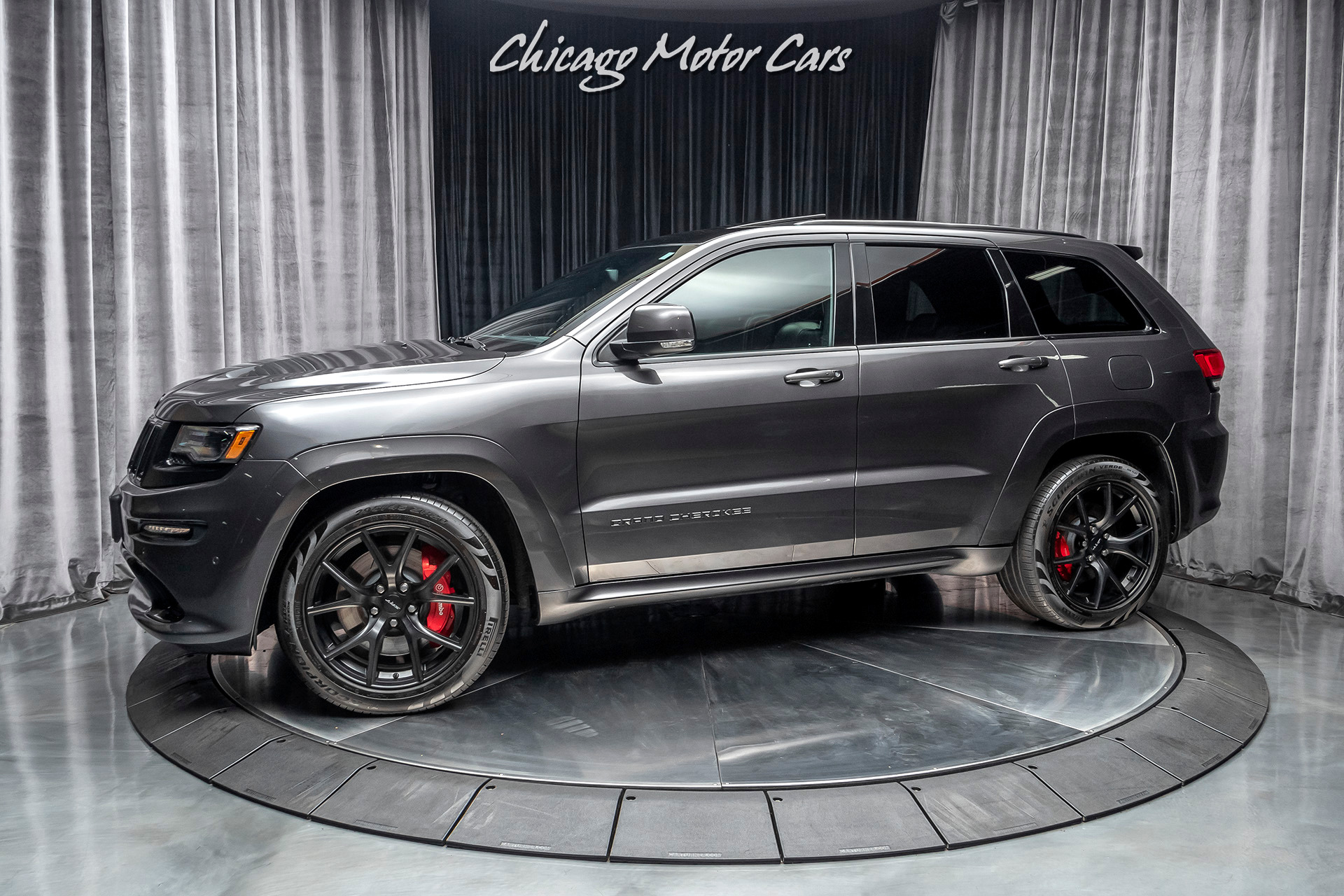
The 2014 Jeep Grand Cherokee SRT is a beast. It's a powerful machine blending SUV practicality with sports car performance. Maintaining and upgrading this high-performance vehicle requires understanding its unique parts and systems. This comprehensive guide delves into the world of 2014 Jeep SRT parts, covering everything from essential maintenance to performance-enhancing upgrades. We'll explore common issues, aftermarket options, and tips to keep your SRT running at its peak. Let's dive in!
Understanding the Heart of the Beast: Engine Components
The Ultimate Guide to 2014 Jeep SRT Parts: Performance, Upgrades, and Maintenance
The 2014 Jeep SRT boasts a formidable 6.4-liter HEMI V8 engine. This engine is the heart of its performance. Understanding its components is crucial for maintenance and potential upgrades.
- Engine Block: The foundation of the engine. It houses the cylinders and internal components. Damage to the block often necessitates a complete engine replacement.
- Cylinder Heads: These sit atop the engine block. They control airflow and combustion. Upgraded cylinder heads can improve horsepower and torque.
- Pistons and Connecting Rods: These components convert combustion energy into mechanical motion. Forged pistons and stronger connecting rods are popular upgrades for increased power and durability.
- Crankshaft: This rotating shaft converts the linear motion of the pistons into rotational power. A balanced crankshaft is essential for smooth engine operation.
- Camshaft: The camshaft controls the timing of the valves. Performance camshafts can significantly alter the engine's power curve.
- Valves: These regulate the flow of air and exhaust gases into and out of the cylinders. Upgraded valves and valve springs can improve engine breathing at high RPMs.
Regular oil changes with the correct viscosity are critical for engine longevity. Use high-quality synthetic oil designed for high-performance engines. Consider upgrading to an aftermarket oil cooler for improved temperature management, especially if you frequently track or tow with your SRT. Based on my experience, many owners neglect regular spark plug replacements. This can lead to decreased performance and fuel economy.
Fueling the Fire: Fuel System Components
The fuel system delivers the necessary gasoline to the engine for combustion. Ensuring its proper function is vital for optimal performance.
- Fuel Pump: This pump delivers fuel from the tank to the engine. Upgraded fuel pumps are necessary for modified engines with increased fuel demands.
- Fuel Injectors: These spray fuel into the cylinders. Larger fuel injectors are required when increasing horsepower through modifications like superchargers or turbochargers.
- Fuel Rail: The fuel rail distributes fuel to the injectors. Upgraded fuel rails can improve fuel delivery consistency.
- Fuel Filter: The fuel filter removes contaminants from the fuel. Regular replacement ensures clean fuel reaches the engine.

A common mistake is overlooking the fuel filter. A clogged filter can starve the engine of fuel. This leads to poor performance and potential damage. Pro tips from us: Invest in a quality fuel pressure gauge to monitor fuel system performance. This will help you identify potential issues early.
Power to the Ground: Transmission and Drivetrain
The transmission and drivetrain transfer the engine's power to the wheels. These components are crucial for acceleration, handling, and overall driving experience.
- Transmission: The transmission changes the engine's output speed and torque to match driving conditions. Upgraded transmissions and valve bodies can improve shift speed and durability.
- Transfer Case: The transfer case distributes power to the front and rear axles. Proper maintenance, including fluid changes, is essential for its longevity.
- Driveshaft: The driveshaft connects the transmission to the axles. Upgraded driveshafts can handle increased power and reduce drivetrain flex.
- Axles: The axles transfer power from the differentials to the wheels. Stronger axles are recommended for high-horsepower applications.
- Differentials: The differentials allow the wheels to rotate at different speeds during turns. Limited-slip differentials (LSDs) improve traction and handling.
Consider a transmission cooler if you frequently tow or drive aggressively. This will help prevent overheating and extend the transmission's life. Common mistakes to avoid are neglecting the transfer case fluid changes. This can lead to premature wear and failure.
Stopping Power: Brake System
The brake system is essential for safety and performance. Upgrading the brakes can improve stopping power and reduce brake fade.
- Brake Rotors: These rotating discs provide a surface for the brake pads to grip. Slotted or drilled rotors can improve cooling and reduce brake fade.
- Brake Pads: These pads press against the rotors to slow the vehicle. High-performance brake pads offer increased stopping power and heat resistance.
- Brake Calipers: These calipers house the brake pads and apply pressure to the rotors. Upgraded calipers can improve brake feel and clamping force.
- Brake Lines: These lines carry brake fluid to the calipers. Stainless steel brake lines improve brake pedal feel and reduce expansion under pressure.
- Master Cylinder: The master cylinder provides hydraulic pressure to the brake system. Upgraded master cylinders can improve brake response.
Upgrading to a big brake kit can significantly improve stopping power. This is especially important for track use or aggressive driving. Always use high-quality brake fluid that meets or exceeds the manufacturer's specifications.
Handling and Control: Suspension System
The suspension system controls the vehicle's handling and ride quality. Upgrading the suspension can improve cornering ability, stability, and overall driving experience.
- Shocks and Struts: These components dampen suspension movement. Performance shocks and struts offer improved control and handling.
- Springs: These springs support the vehicle's weight and determine ride height. Lowering springs can improve handling and aesthetics.
- Control Arms: These arms connect the suspension to the chassis. Upgraded control arms can improve suspension geometry and reduce flex.
- Sway Bars: These bars reduce body roll during cornering. Thicker sway bars can improve handling and stability.
- Bushings: These bushings connect suspension components. Polyurethane bushings offer increased stiffness and durability.
Consider upgrading to adjustable coilovers for maximum control over ride height and damping. This allows you to fine-tune the suspension to your specific driving needs. Pay attention to the condition of your bushings. Worn bushings can negatively impact handling and ride quality.
Breathing Easier: Exhaust System
The exhaust system removes exhaust gases from the engine. Upgrading the exhaust can improve horsepower, torque, and sound.
- Headers: These connect to the engine's exhaust ports. Long-tube headers can significantly improve exhaust flow and horsepower.
- Catalytic Converters: These converters reduce emissions. High-flow catalytic converters offer improved performance without sacrificing emissions compliance.
- Mid-Pipes: These pipes connect the catalytic converters to the mufflers. Upgraded mid-pipes can improve exhaust flow.
- Mufflers: These mufflers reduce exhaust noise. Performance mufflers offer a more aggressive sound and improved flow.
- Exhaust Tips: These tips add a visual touch to the exhaust system.
A cat-back exhaust system is a popular upgrade. It replaces the exhaust system from the catalytic converters back, improving sound and performance. Make sure any exhaust modifications comply with local emissions regulations.
Wheels and Tires: Contact with the Road
The wheels and tires are the vehicle's direct contact with the road. Choosing the right wheels and tires is crucial for performance, handling, and aesthetics.
- Wheels: Lighter wheels can improve acceleration and handling. Forged wheels offer increased strength and durability.
- Tires: Performance tires offer increased grip and handling. Choose tires that are appropriate for your driving conditions and style.
Consider the wheel offset when choosing aftermarket wheels. Incorrect offset can affect handling and tire clearance. Regularly check your tire pressure. Proper tire pressure is essential for optimal performance and safety.
Interior and Exterior: Enhancing the Experience
While performance is key, the interior and exterior components contribute to the overall driving experience and aesthetics of your 2014 Jeep SRT.
- Seats: Upgrading to performance seats can provide better support and comfort during aggressive driving.
- Steering Wheel: A performance steering wheel can improve grip and feel.
- Exterior Trim: Adding aftermarket trim pieces can enhance the vehicle's appearance.
- Lighting: Upgrading to LED lighting can improve visibility and aesthetics.
Consider adding a performance gauge to monitor engine parameters like boost pressure or oil temperature. This can help you identify potential issues early. Protect your investment with a high-quality car cover to prevent damage from the elements.
Maintaining Your 2014 Jeep SRT: Key to Longevity
Regular maintenance is crucial for keeping your 2014 Jeep SRT running at its best.
- Oil Changes: Change the oil and filter regularly using high-quality synthetic oil.
- Fluid Checks: Regularly check and top off all fluids, including coolant, brake fluid, and transmission fluid.
- Brake Inspections: Inspect the brake pads and rotors regularly for wear.
- Tire Rotations: Rotate the tires regularly to ensure even wear.
- Spark Plug Replacement: Replace the spark plugs according to the manufacturer's recommendations.
- Air Filter Replacement: Replace the air filter regularly to ensure clean air reaches the engine.
Following the manufacturer's recommended maintenance schedule is the best way to ensure the longevity of your 2014 Jeep SRT. Don't neglect minor issues. Addressing them early can prevent them from becoming major problems.
Finding the Right Parts: Where to Look
Finding the right parts for your 2014 Jeep SRT can be challenging. Here are some resources to consider:
- Dealerships: Dealerships offer genuine OEM parts.
- Online Retailers: Online retailers offer a wide selection of aftermarket parts. (Example: https://www.extremeterrain.com/)
- Performance Shops: Performance shops specialize in aftermarket parts and installations.
- Used Parts Suppliers: Used parts suppliers offer more affordable options for certain components.
When purchasing parts, always verify compatibility with your specific vehicle. Read reviews and compare prices before making a purchase.
Conclusion: Keeping Your SRT Performing at Its Best
The 2014 Jeep SRT is a high-performance machine that requires specialized care and attention. By understanding its unique parts and systems, you can properly maintain and upgrade your vehicle to ensure optimal performance and longevity. Whether you're looking to enhance its power, improve its handling, or simply keep it running smoothly, this guide provides the information you need to make informed decisions about your 2014 Jeep SRT. Remember, regular maintenance, quality parts, and expert advice are key to keeping your SRT performing at its best for years to come. Happy driving!
0 comments