Jeeps. The name itself conjures images of rugged terrain, open-air adventures, and a vehicle built to conquer anything. But even the toughest Jeeps need a little TLC, especially when it comes to body parts. Whether you're restoring a classic, repairing damage from a recent off-road excursion, or simply customizing your ride, understanding the world of Jeep body parts in Canada is crucial. This comprehensive guide will delve deep into everything you need to know, from identifying common parts to sourcing them effectively and ensuring a perfect fit.
The purpose of this guide is to equip you with the knowledge you need to confidently navigate the Canadian market for Jeep body parts. We will cover common parts, materials, sourcing tips, and considerations for specific models and modifications. Let's dive in!
The Ultimate Guide to Jeep Body Parts in Canada: Keeping Your Off-Road Legend Alive
Why Jeep Body Parts Matter: More Than Just Aesthetics
While a pristine Jeep looks fantastic, body parts serve a far more important function than just aesthetics. They provide crucial protection for vital components, contribute to the structural integrity of the vehicle, and, in some cases, directly impact safety.
-
Protection: Fenders shield your tires from debris, bumpers absorb impact in collisions, and body panels protect the engine and interior from the elements.
-
Structural Integrity: The body of your Jeep is integral to its overall strength. Damaged body parts can compromise the vehicle's ability to withstand stress, especially during off-road adventures.

-
Safety: Doors, windshield frames, and roll bars (or cages) are critical safety features. Ensuring these parts are in good condition is paramount for protecting yourself and your passengers in the event of an accident.
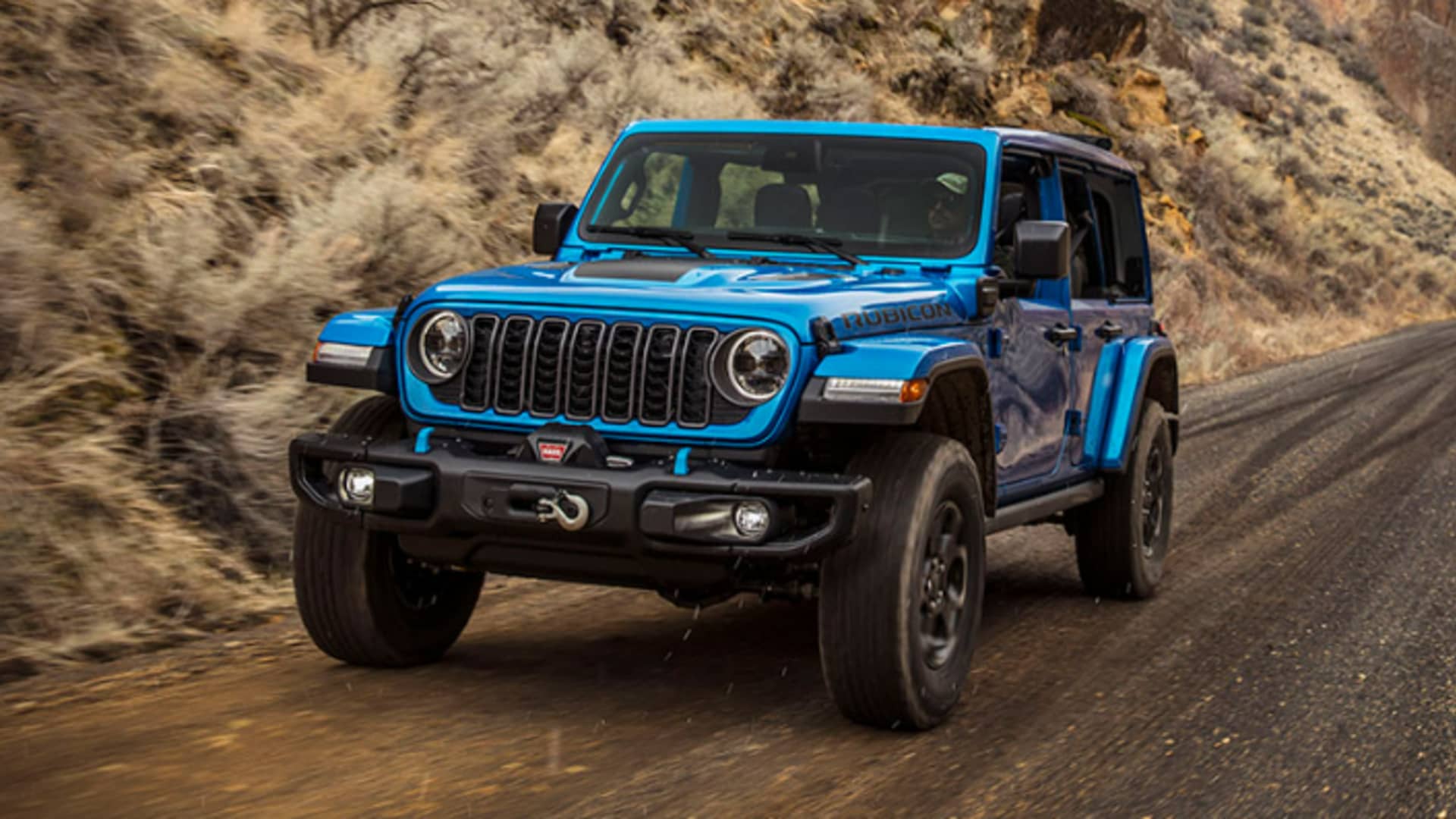
Ignoring damaged or deteriorating body parts can lead to more significant problems down the road, including rust, further structural damage, and potential safety hazards.
Decoding the Jargon: Common Jeep Body Parts Explained
The world of Jeep body parts can seem overwhelming, especially for newcomers. Let's break down some of the most common parts you'll encounter:
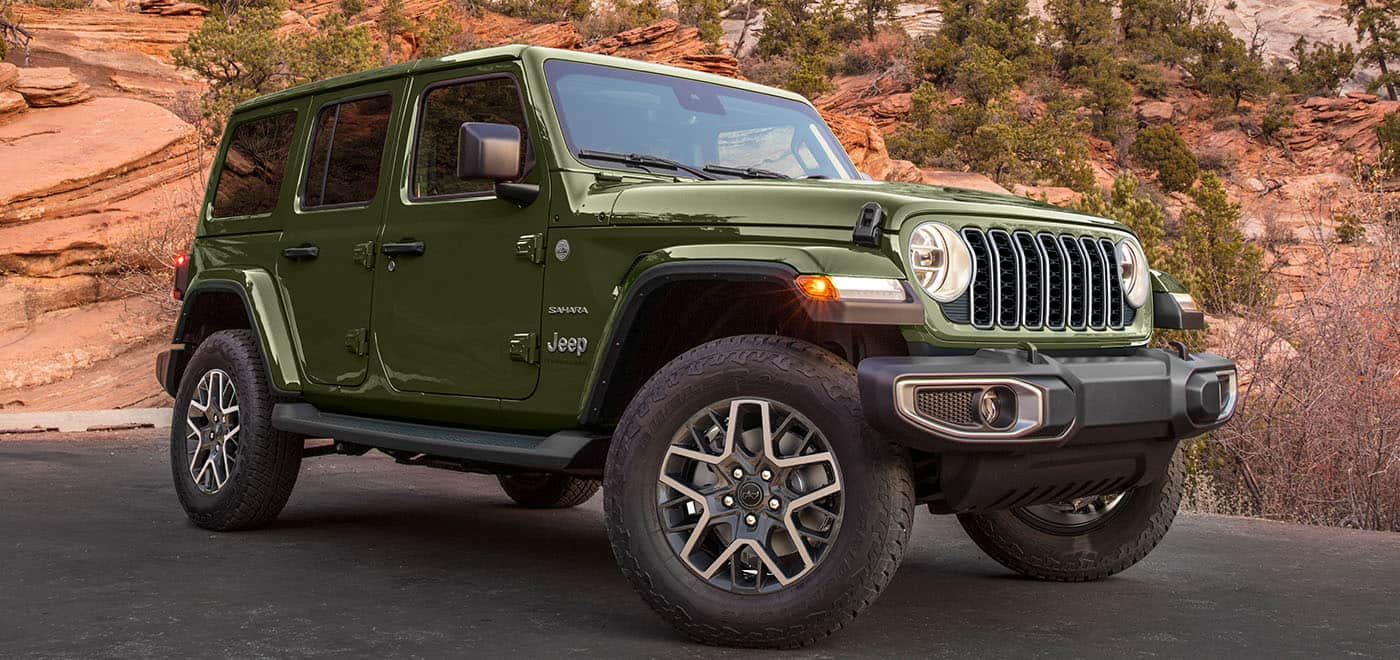
Fenders: These are the panels that surround the wheels, protecting them and preventing debris from being thrown onto the vehicle or other vehicles.
-
Bumpers: Located at the front and rear of the Jeep, bumpers are designed to absorb impact and protect the vehicle from damage in collisions. Aftermarket bumpers often offer enhanced protection and features like winch mounts and D-rings.
-
Hood: The hood covers the engine compartment, providing access for maintenance and repairs. Aftermarket hoods can improve airflow and add a distinctive look.
-
Grille: The grille is the front-most part of the Jeep, often featuring the iconic vertical slots. It protects the radiator and other components while also contributing to the vehicle's overall style.
-
Doors: Jeep doors come in various styles, from full steel doors to half doors and even no doors at all. The choice depends on your preference and intended use.
-
Rocker Panels: Located below the doors, rocker panels are vulnerable to damage from rocks and other obstacles during off-roading. Rock sliders are a popular aftermarket upgrade for added protection.
-
Quarter Panels: These are the body panels located behind the rear doors, forming the sides of the vehicle.
-
Tailgate: The tailgate provides access to the rear cargo area. Different Jeep models have different tailgate designs, such as swing-out or drop-down.
-
Windshield Frame: The windshield frame supports the windshield and provides structural support for the vehicle.
-
Roll Bar/Cage: A roll bar or cage is a safety feature designed to protect occupants in the event of a rollover.
Material Matters: Choosing the Right Material for Your Needs
Jeep body parts are typically made from steel, aluminum, or fiberglass. Each material has its own advantages and disadvantages:
-
Steel: Steel is the most common material for Jeep body parts due to its strength, durability, and relatively low cost. However, steel is susceptible to rust.
- Pros: Strong, durable, affordable, readily available.
- Cons: Susceptible to rust, heavier than aluminum or fiberglass.
-
Aluminum: Aluminum is lighter than steel and resistant to rust. However, it is more expensive and can be more difficult to repair.
- Pros: Lightweight, rust-resistant.
- Cons: More expensive than steel, can be more difficult to repair.
-
Fiberglass: Fiberglass is lightweight and rust-resistant, making it a popular choice for custom body panels and accessories. However, it is less durable than steel or aluminum and can be prone to cracking.
- Pros: Lightweight, rust-resistant, can be molded into complex shapes.
- Cons: Less durable than steel or aluminum, prone to cracking, can be more expensive.
The best material for your needs will depend on your budget, intended use, and desired aesthetic. If you prioritize strength and affordability, steel is a good choice. If you're looking to reduce weight and prevent rust, aluminum may be a better option. Fiberglass is a good choice for custom parts and accessories where weight is a primary concern.
Sourcing Your Parts: Navigating the Canadian Market
Finding the right Jeep body parts in Canada requires careful research and consideration. Here are some of the best places to source your parts:
-
Local Jeep Dealerships: Dealerships are a reliable source for OEM (Original Equipment Manufacturer) parts. While they may be more expensive than aftermarket options, OEM parts are guaranteed to fit and perform as intended.
-
Online Retailers: Online retailers offer a wide selection of Jeep body parts from various manufacturers. Be sure to read reviews and compare prices before making a purchase. Some popular Canadian retailers include Quadratec (though US-based, they ship to Canada), PartsEngine.ca, and Canadian Tire (for some basic parts).
-
Auto Parts Stores: Local auto parts stores often carry a selection of Jeep body parts, especially for common repairs.
-
Junkyards: Junkyards can be a great source for used Jeep body parts at a fraction of the cost of new parts. However, be sure to inspect the parts carefully for damage and rust.
-
Online Forums and Classifieds: Online forums and classifieds can be a good place to find used or aftermarket Jeep body parts from other Jeep enthusiasts.
Pro tips from us: When buying parts online, always check the seller's return policy and warranty information. It's also a good idea to compare prices from multiple sources to ensure you're getting the best deal. Don't be afraid to ask questions! A reputable seller will be happy to provide you with detailed information about the parts they sell.
Fit and Finish: Ensuring a Perfect Match
One of the biggest challenges when buying Jeep body parts is ensuring a proper fit. Here are some tips to help you avoid common problems:
-
Know Your Jeep: Be sure to know the year, make, and model of your Jeep. This information is essential for finding the correct parts.
-
Compare Part Numbers: When possible, compare the part number of the old part with the part number of the new part. This is the best way to ensure a perfect match.
-
Read Reviews: Read reviews from other Jeep owners who have purchased the same parts. This can give you valuable insights into the fit and finish of the parts.
-
Test Fit Before Painting: Always test fit the new parts before painting or permanently installing them. This will allow you to identify any fitment issues and address them before it's too late.
-
Consider Professional Installation: If you're not comfortable installing the parts yourself, consider having them installed by a professional mechanic.
Common mistakes to avoid are: Ordering the wrong part number due to not knowing your Jeep's exact model year. This is especially common with older models that have undergone mid-year changes. Another mistake is neglecting to properly prepare the surface before painting, which can lead to poor adhesion and premature peeling.
Restoring vs. Replacing: Making the Right Choice
Sometimes, damaged Jeep body parts can be repaired rather than replaced. Here are some factors to consider when deciding whether to restore or replace a part:
-
Severity of Damage: Minor dents and scratches can often be repaired, while more severe damage may require replacement.
-
Cost of Repair vs. Replacement: Get quotes for both repairing and replacing the part. The cost of repair can sometimes exceed the cost of replacement, especially if the damage is extensive.
-
Availability of Parts: If the part is difficult to find or expensive to purchase, repairing it may be the more economical option.
-
Your Skill Level: If you're comfortable with bodywork and painting, you may be able to repair the part yourself. However, if you lack the necessary skills, it's best to leave the repair to a professional.
-
Long-Term Durability: A properly repaired part can be just as strong and durable as a new part. However, if the repair is not done correctly, it may be more prone to failure in the future.
Jeep Body Modifications: Customizing Your Ride
One of the great things about Jeeps is their versatility and potential for customization. Body modifications are a popular way to personalize your Jeep and enhance its off-road capabilities. Here are some common Jeep body modifications:
-
Tube Fenders: Tube fenders offer increased tire clearance and a more aggressive look.
-
Rock Sliders: Rock sliders protect the rocker panels from damage during off-roading.
-
Aftermarket Bumpers: Aftermarket bumpers offer enhanced protection, winch mounts, and other features.
-
Body Armor: Body armor provides additional protection for the Jeep's body panels.
-
Fender Flares: Fender flares provide additional tire coverage and can help keep mud and debris off the vehicle.
-
Custom Hoods: Custom hoods can improve airflow and add a distinctive look.
-
Lift Kits: Lift kits raise the vehicle's ride height, allowing for larger tires and improved off-road clearance.
Based on my experience… when considering body modifications, it's important to choose high-quality parts from reputable manufacturers. Poorly made parts can be prone to failure and may not provide the level of protection you need. It's also important to consider the impact of the modifications on your vehicle's handling and performance.
Addressing Rust: The Jeep Owner's Nemesis
Rust is a common problem for Jeeps, especially those that are driven in areas with harsh winters or exposed to saltwater. Here are some tips for preventing and treating rust:
-
Regular Washing and Waxing: Regularly washing and waxing your Jeep can help protect the paint from the elements and prevent rust from forming.
-
Undercoating: Undercoating provides an additional layer of protection against rust.
-
Rust Inhibitors: Rust inhibitors can be applied to areas that are prone to rust.
-
Promptly Repairing Damage: Promptly repairing any scratches or dents can prevent rust from spreading.
-
Removing Rust: If rust does develop, it's important to remove it as soon as possible. This can be done with sandpaper, wire brushes, or chemical rust removers.
Once the rust has been removed, the area should be primed and painted to prevent it from returning.
Maintaining Your Jeep's Body: Long-Term Care
Proper maintenance is essential for keeping your Jeep's body in good condition for years to come. Here are some tips for long-term care:
-
Regular Inspections: Regularly inspect your Jeep's body for any signs of damage or rust.
-
Promptly Repairing Damage: Promptly repair any damage to prevent it from worsening.
-
Keeping Your Jeep Clean: Keep your Jeep clean to prevent dirt and grime from accumulating and causing damage.
-
Using Protective Coatings: Use protective coatings, such as wax or sealant, to protect the paint from the elements.
-
Storing Your Jeep Properly: If you're storing your Jeep for an extended period of time, store it in a dry, covered location to prevent rust and other damage.
Conclusion: Keeping the Legend Rolling
Jeep body parts are crucial for maintaining the safety, structural integrity, and aesthetics of your vehicle. By understanding the different types of parts, materials, and sourcing options available in Canada, you can make informed decisions and keep your Jeep running strong for years to come. Remember to prioritize quality, fit, and proper installation to ensure the best possible results.
Whether you're restoring a classic, repairing damage, or customizing your ride, investing in quality Jeep body parts is an investment in the longevity and performance of your vehicle. Keep the legend rolling!
External Link: https://www.autotrader.ca/ - A good resource for finding local auto shops and parts dealers in Canada.
This guide should help you navigate the world of Jeep body parts in Canada with confidence. Happy Jeeping!

0 comments