The Jeep TJ, produced from 1996 to 2006, holds a special place in the hearts of off-road enthusiasts. Its classic design, rugged capabilities, and simplicity make it a favorite for customization and trail adventures. However, time and the elements can take their toll, leading to the need for replacement parts. Luckily, sourcing Jeep TJ salvage parts offers a cost-effective and environmentally conscious way to keep your beloved Jeep on the road (or off it!).
In this comprehensive guide, we'll delve into the world of Jeep TJ salvage parts, exploring everything from where to find them to what to look for and how to ensure you're getting the best value for your money. Whether you're restoring a classic, repairing damage from a recent adventure, or simply looking to upgrade your TJ on a budget, this article will provide you with the knowledge and resources you need.
The Ultimate Guide to Jeep TJ Salvage Parts: Revive Your Ride on a Budget
Why Choose Salvage Parts for Your Jeep TJ?
There are several compelling reasons to consider salvage parts when maintaining or upgrading your Jeep TJ:
- Cost Savings: This is perhaps the most significant advantage. Salvage parts are typically significantly cheaper than new parts, allowing you to save a substantial amount of money on your repairs or modifications.
- Availability of Discontinued Parts: The TJ is no longer in production, meaning that some original parts may be difficult or impossible to find new. Salvage yards often have a treasure trove of these discontinued parts, making them invaluable for restoration projects.
- Environmental Friendliness: Choosing salvage parts is a sustainable practice that helps reduce waste and conserve resources. By reusing existing parts, you're contributing to a circular economy and minimizing the environmental impact of manufacturing new components.
- OEM Quality: Salvage parts are often original equipment manufacturer (OEM) parts, meaning they were made by the same company that produced the original parts for your Jeep. This ensures a perfect fit and comparable quality to new OEM parts.
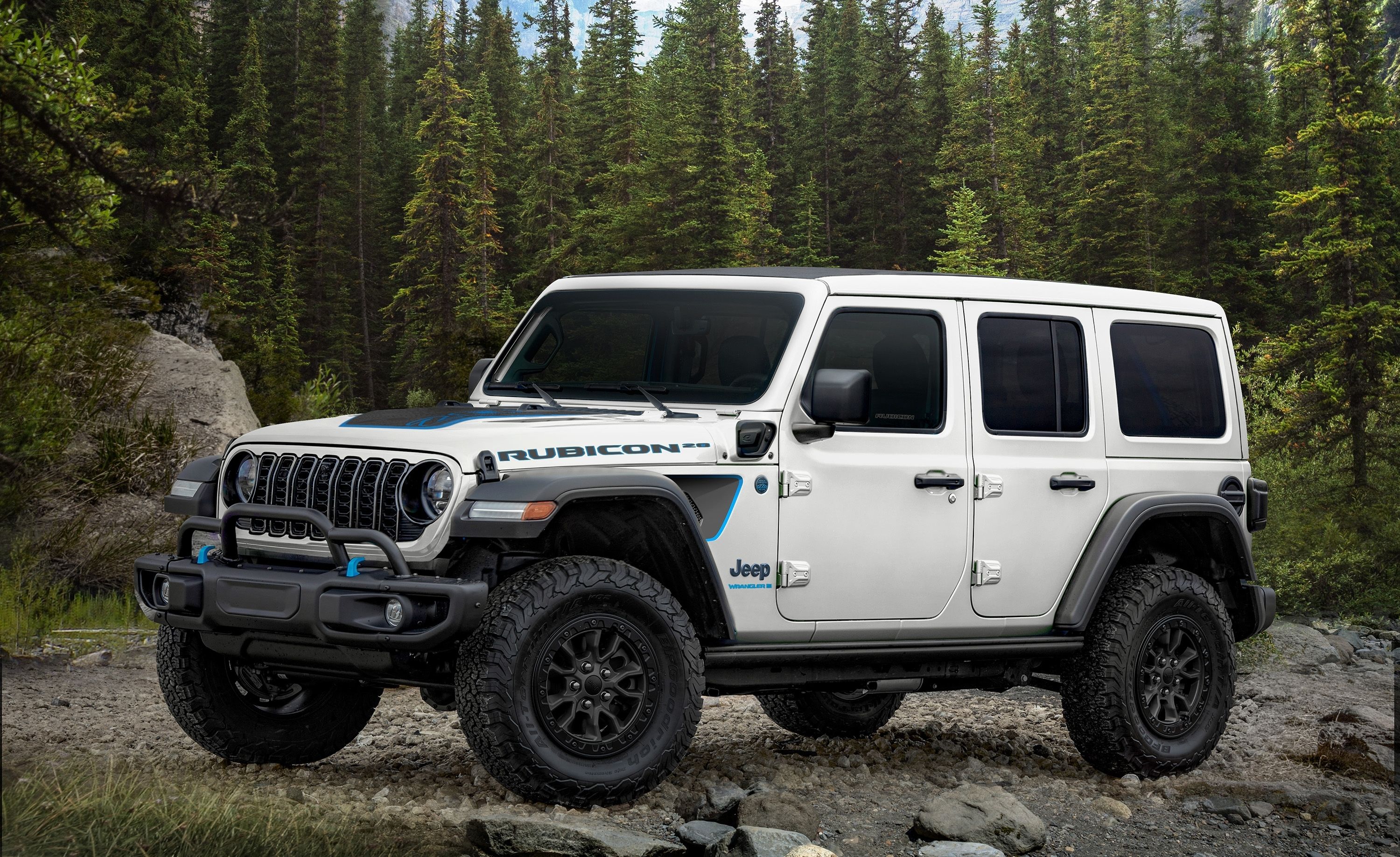
Where to Find Jeep TJ Salvage Parts
Locating the right salvage parts requires a strategic approach. Here are several avenues to explore:
- Local Salvage Yards: Start with salvage yards in your area. Visit them in person to inspect parts firsthand and negotiate prices. Many yards specialize in Jeeps or off-road vehicles, increasing your chances of finding what you need.
- Online Salvage Databases: Websites like Row52, Car-Part.com, and others act as search engines for salvage yards across the country. You can enter your vehicle's information and the part you're looking for, and the database will provide a list of yards that have it in stock.
- Online Marketplaces: Platforms like eBay and Craigslist can be excellent sources for salvage parts, especially for smaller components or accessories. Be sure to carefully review the seller's reputation and the condition of the part before making a purchase.
- Jeep Forums and Online Communities: Jeep forums and online communities are valuable resources for finding salvage parts and connecting with other Jeep enthusiasts. Members often have parts for sale or can point you in the direction of reliable sources.
- Specialty Jeep Parts Retailers: Some retailers specialize in Jeep parts, including both new and used components. They may have a salvage department or offer used parts sourced from various locations.

What to Look for When Buying Salvage Parts

Before purchasing any salvage part, it's crucial to carefully inspect its condition and ensure it meets your needs. Here are some key considerations:
- Visual Inspection: Thoroughly examine the part for any signs of damage, such as cracks, rust, corrosion, or wear. Pay close attention to critical areas that are prone to failure.
- Functionality Testing: If possible, test the part to ensure it's functioning correctly. This may involve hooking it up to a power source or testing its mechanical operation.
- Compatibility: Verify that the part is compatible with your specific Jeep TJ model year and trim level. Differences in components can exist between different years, so it's essential to double-check before purchasing.
- Warranty: Ask about any warranty or return policy offered by the seller. A warranty provides peace of mind and protects you in case the part fails shortly after purchase.
- Price Comparison: Compare prices from different sources to ensure you're getting a fair deal. Don't be afraid to negotiate, especially if you're buying multiple parts.
Common Jeep TJ Salvage Parts to Consider
The specific salvage parts you need will depend on your repair or upgrade project. However, some common components are frequently sought after:
- Engines and Transmissions: These are major components that can be expensive to replace new. Salvage engines and transmissions can be a cost-effective alternative, especially if you're willing to rebuild them.
- Axles and Differentials: These components are essential for off-road performance. Salvage axles and differentials can be a good option for upgrading to a stronger setup or replacing damaged components.
- Body Panels: Fenders, doors, hoods, and other body panels can be damaged in accidents or through rust. Salvage body panels can be used to repair or restore your Jeep's appearance.
- Interior Components: Seats, dashboards, consoles, and other interior components can wear out over time. Salvage interior parts can be used to replace damaged or worn items and refresh your Jeep's interior.
- Electrical Components: Starters, alternators, sensors, and other electrical components can fail unexpectedly. Salvage electrical parts can be a quick and affordable way to get your Jeep back on the road.
- Suspension Components: Springs, shocks, control arms, and other suspension components can wear out or be damaged during off-road use. Salvage suspension parts can be used to repair or upgrade your Jeep's suspension.
Pro Tips for Buying Jeep TJ Salvage Parts
Based on my experience sourcing parts for my own Jeep TJ, here are some pro tips to help you navigate the world of salvage parts:
- Bring Your Tools: When visiting a salvage yard, bring a basic set of tools so you can remove the parts you need yourself. This can save you money on labor costs.
- Take Pictures: Before removing any parts, take pictures of how they are installed. This will help you remember how to reinstall them later.
- Ask Questions: Don't be afraid to ask the salvage yard staff questions about the part's history or condition. They may have valuable insights that can help you make an informed decision.
- Negotiate: Salvage yards are often willing to negotiate prices, especially if you're buying multiple parts. Don't be afraid to make an offer.
- Be Patient: Finding the right salvage parts can take time. Be patient and persistent, and you'll eventually find what you need.
Common Mistakes to Avoid When Buying Salvage Parts
To avoid potential headaches and ensure a successful salvage part purchase, be aware of these common mistakes:
- Not Inspecting the Part Thoroughly: Always inspect the part carefully before purchasing it. Don't rely solely on the seller's description or photos.
- Assuming Compatibility: Double-check that the part is compatible with your specific Jeep TJ model year and trim level.
- Ignoring Warning Signs: Be wary of parts with obvious signs of damage or wear. These parts may be more likely to fail prematurely.
- Overpaying: Compare prices from different sources to ensure you're getting a fair deal.
- Neglecting the Return Policy: Always ask about the return policy before purchasing a salvage part. This will protect you in case the part is defective or doesn't fit.
Installing Your Salvage Parts
Once you've acquired your salvage parts, it's time to install them on your Jeep TJ. If you're comfortable working on your own vehicle, you can tackle the installation yourself. However, if you're not experienced with auto repair, it's best to have a professional mechanic handle the installation.
Safety First: Before starting any repair or installation, disconnect the battery to prevent electrical shocks. Wear safety glasses and gloves to protect yourself from injury.
Follow Instructions: Consult your Jeep TJ service manual or online resources for detailed instructions on how to install the parts correctly.
Use the Right Tools: Use the correct tools for the job to avoid damaging the parts or your vehicle.
Take Your Time: Don't rush the installation process. Take your time and pay attention to detail.
Test Thoroughly: After installing the parts, test them thoroughly to ensure they are functioning correctly.
The Environmental Impact of Salvage Parts
Choosing salvage parts is not only a cost-effective solution but also an environmentally responsible one. By reusing existing parts, you're contributing to a more sustainable automotive industry.
- Reduced Waste: Salvage parts help reduce the amount of waste sent to landfills.
- Conserved Resources: Manufacturing new parts requires significant resources, including raw materials, energy, and water. Using salvage parts helps conserve these resources.
- Lower Emissions: The manufacturing process also generates emissions that contribute to air pollution. Using salvage parts helps reduce these emissions.
- Circular Economy: Salvage parts promote a circular economy, where materials are reused and recycled instead of being discarded.
Conclusion: Revive Your TJ with Salvage Parts
Jeep TJ salvage parts offer a practical and sustainable way to maintain, repair, and upgrade your beloved vehicle. By understanding where to find them, what to look for, and how to install them, you can save money, preserve the environment, and keep your TJ running strong for years to come. Remember to always prioritize safety, inspect parts thoroughly, and don't hesitate to seek professional assistance when needed. With a little effort and knowledge, you can unlock the potential of salvage parts and keep your Jeep TJ adventure-ready.
For additional reading, check out this article on common Jeep TJ problems and how to fix them. [Internal Link]
And for a deeper dive into Jeep maintenance schedules, visit this trusted external source: [Insert External Link to a Reputable Jeep Maintenance Guide].
Don't forget to explore other articles on our blog for more tips and tricks on Jeep maintenance and customization! [Internal Link to another relevant blog post]
0 comments