The roar of the engine, the wind in your hair, and the freedom of the open road – these are the experiences that define the Jeep. But time and the elements take their toll, and even the most rugged Jeeps eventually require restoration. That's where Jeep Restoration Parts come in, offering the opportunity to revitalize a classic and preserve a piece of automotive history. This article is your comprehensive guide to understanding the world of Jeep restoration parts, from sourcing components to tackling common challenges, ensuring your project is a success.
Introduction: Why Restore a Jeep?
Breathing New Life into Legends: A Comprehensive Guide to Jeep Restoration Parts
Jeep restoration is more than just fixing a vehicle; it's a passion project. Whether you're restoring a vintage Willys MB from World War II, a classic CJ, or even a more modern YJ or TJ, the motivation is often deeply personal. Some restore for the nostalgic connection to a family heirloom, others for the challenge of bringing a machine back to its former glory, and still others for the unique driving experience a restored Jeep offers.
Jeep restoration parts are the essential building blocks that allow enthusiasts to accomplish these goals. They encompass everything from body panels and engine components to interior trim and electrical wiring. Without these parts, the dream of a restored Jeep would remain just that – a dream.
Section 1: Defining Jeep Restoration Parts – Beyond the Basics
Jeep restoration parts are typically categorized as follows:
- Body Panels: Fenders, hoods, floor pans, rocker panels, quarter panels, and complete tubs. These are crucial for addressing rust, dents, and other forms of body damage.
- Engine Components: Carburetors, distributors, water pumps, fuel pumps, starters, alternators, and complete engine rebuild kits. Essential for ensuring reliable performance.
- Drivetrain Components: Transmissions, transfer cases, differentials, axles, driveshafts, and related gears. Crucial for off-road capability and overall vehicle integrity.
- Suspension Components: Leaf springs, shocks, bushings, shackles, steering components, and wheel bearings. Important for ride quality, handling, and safety.
- Brake System Components: Master cylinders, brake lines, calipers, rotors, drums, and shoes. Critical for safe operation.
- Interior Trim and Upholstery: Seats, door panels, dashboards, carpets, gauges, and steering wheels. Restores the interior to its original appearance and comfort.
- Electrical Components: Wiring harnesses, lights, switches, gauges, and batteries. Ensures proper functioning of electrical systems.
- Hardware and Fasteners: Nuts, bolts, screws, washers, and clips. Often overlooked, but essential for a secure and authentic restoration.
- Accessories: Bumpers, winches, roll bars, mirrors, and other aftermarket components. Adds functionality and personal touches.

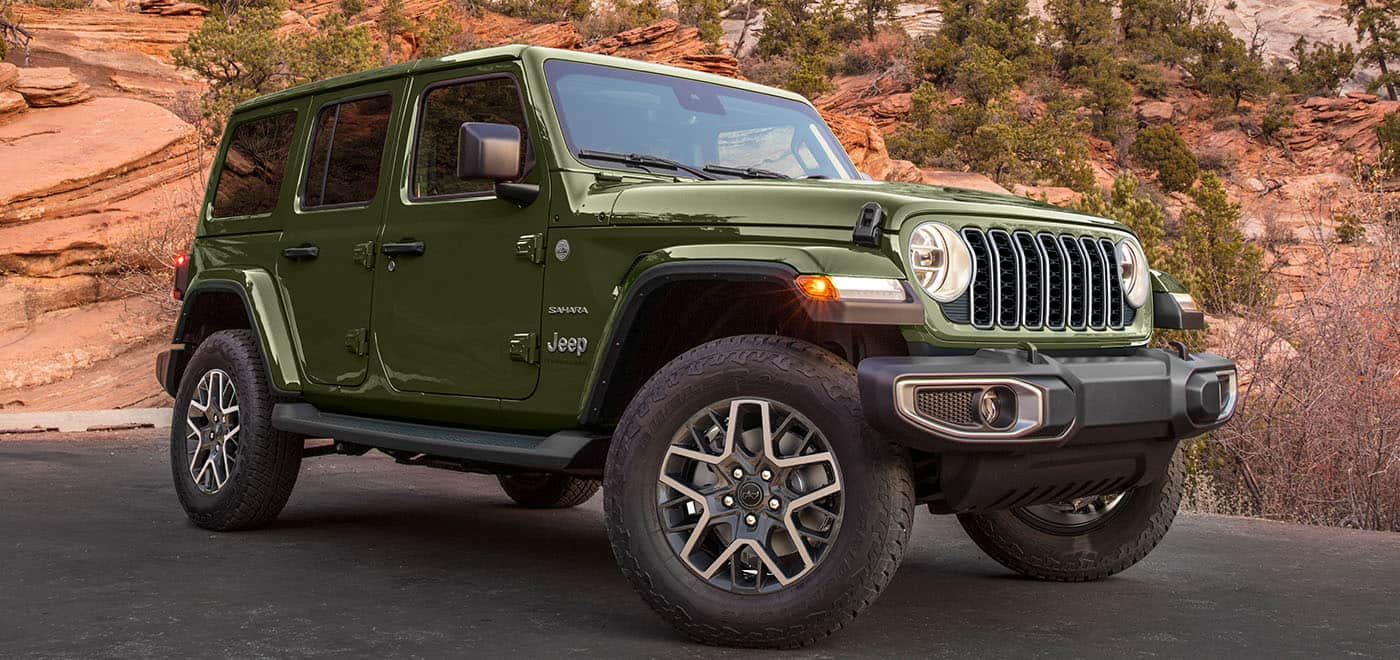
Section 2: Sourcing Your Jeep Restoration Parts – A Treasure Hunt
Finding the right parts is often the biggest challenge in a Jeep restoration project. Here are some common sources:
- Specialty Jeep Restoration Parts Suppliers: These companies specialize in reproduction and NOS (New Old Stock) parts for specific Jeep models. They often offer high-quality components and expert advice.
- Online Retailers: Websites like Quadratec, Morris 4x4 Center, and Amazon offer a wide selection of Jeep parts, including restoration components.
- Local Auto Parts Stores: While they may not carry specialized restoration parts, local stores can be a good source for common items like brake components, fluids, and filters.
- Junkyards and Salvage Yards: A treasure trove of used parts, junkyards can be a great place to find original components at a lower cost. However, be prepared to spend time searching and inspecting parts.
- Online Forums and Classifieds: Websites like JeepForum and Craigslist often have individuals selling used and NOS parts from their own projects.
- Jeep Clubs and Enthusiast Groups: Connecting with other Jeep enthusiasts can provide access to valuable knowledge, resources, and even parts.

Tips for Sourcing Parts:
- Know Your Jeep's Model and Year: This is crucial for identifying the correct parts.
- Research Part Numbers: Before ordering, research the correct part numbers for your Jeep model to ensure compatibility.
- Compare Prices: Shop around and compare prices from different suppliers to get the best deal.
- Read Reviews: Check online reviews to assess the quality and reliability of different parts and suppliers.
- Inspect Parts Carefully: Before installing any part, inspect it for damage or defects.
- Consider Reproduction vs. Original: Reproduction parts are often more readily available and affordable, but original parts may be more desirable for a truly authentic restoration.
Section 3: The Restoration Process – A Step-by-Step Guide (Simplified)
While a full restoration is a complex undertaking, here's a simplified overview of the process:
- Assessment and Planning: Thoroughly assess the condition of your Jeep and create a detailed restoration plan. This includes identifying needed parts, setting a budget, and establishing a timeline.
- Disassembly: Carefully disassemble the Jeep, documenting each step with photos and notes. This will help you reassemble it correctly later.
- Body Work: Address rust, dents, and other body damage. This may involve welding, patching, and applying body filler.
- Painting: Prepare the body for painting by sanding, priming, and applying multiple coats of paint.
- Engine Rebuild: If necessary, rebuild the engine to ensure reliable performance.
- Drivetrain Overhaul: Inspect and repair or replace drivetrain components, such as the transmission, transfer case, and axles.
- Suspension and Brake System Rebuild: Rebuild the suspension and brake systems to ensure safety and handling.
- Interior Restoration: Replace or repair interior components, such as seats, carpets, and door panels.
- Electrical System Repair: Repair or replace wiring harnesses, lights, and other electrical components.
- Reassembly: Carefully reassemble the Jeep, following your documentation from the disassembly process.
- Testing and Adjustments: Test all systems and make any necessary adjustments.
Section 4: Common Challenges and Solutions
Jeep restoration is not without its challenges. Here are some common issues and potential solutions:
- Finding Rare or Obsolete Parts: This can be a major obstacle, especially for older Jeep models. Try contacting specialty restoration parts suppliers, attending Jeep events, and searching online forums and classifieds.
- Rust Repair: Rust is a common problem in older Jeeps. Learn how to weld and patch rust, or hire a professional body shop to handle the repairs.
- Incorrect Parts: Ordering the wrong parts can be frustrating and costly. Double-check part numbers and compare them to your Jeep's specifications before ordering.
- Tight Budgets: Restoration projects can quickly become expensive. Set a realistic budget and stick to it as closely as possible. Consider prioritizing essential repairs over cosmetic improvements.
- Lack of Space and Tools: Restoration projects require space and specialized tools. If you don't have access to a garage or workshop, consider renting a space or partnering with a friend who does.
Section 5: Restoration vs. Modification – Striking a Balance
Many Jeep enthusiasts face the dilemma of whether to restore their Jeep to its original condition or modify it for improved performance or off-road capability. The decision depends on your personal preferences and goals.
- Purists aim to restore their Jeeps to their original factory specifications, using only original or NOS parts.
- Restomodders blend restoration with modern modifications, such as installing a fuel-injected engine, upgraded suspension, or modern creature comforts.
There is no right or wrong answer. The key is to carefully consider the pros and cons of each approach and choose the path that best suits your needs and desires.
Table Price: Estimated Costs for Common Jeep Restoration Parts
| Part Category | Part Description | Estimated Price Range | Notes |
|---|---|---|---|
| Body Panels | Front Fender (Reproduction) | $150 - $300 | Price varies based on model and manufacturer. |
| Floor Pan (Reproduction) | $100 - $250 | Complete floor pan kits are more expensive. | |
| Complete Tub (Reproduction) | $1500 - $4000 | Steel or fiberglass options available. | |
| Engine Components | Carburetor (Rebuilt) | $200 - $400 | Price depends on carburetor type and complexity. |
| Water Pump (New) | $50 - $150 | ||
| Engine Rebuild Kit | $500 - $1500 | Includes pistons, rings, bearings, gaskets, etc. | |
| Drivetrain | Transmission (Rebuilt) | $800 - $2000 | Price varies significantly based on transmission type. |
| Transfer Case (Rebuilt) | $500 - $1200 | ||
| Axle Shaft (New) | $100 - $300 | Per axle shaft. | |
| Suspension | Leaf Spring (New) | $100 - $250 | Per leaf spring. |
| Shock Absorber (Set of 4) | $100 - $400 | Price depends on brand and type of shock. | |
| Brake System | Brake Master Cylinder (New) | $50 - $150 | |
| Brake Caliper (Rebuilt) | $50 - $150 | Per caliper. | |
| Interior | Seat Upholstery Kit | $200 - $600 | Price depends on material and Jeep model. |
| Carpet Kit | $100 - $300 | ||
| Electrical | Wiring Harness (Reproduction) | $200 - $500 | Price depends on complexity and Jeep model. |
| Hardware | Fastener Kit (Complete) | $50 - $200 | Includes various nuts, bolts, and screws. |
Note: These are estimated price ranges and may vary depending on the supplier, part quality, and Jeep model. Always research and compare prices before purchasing. Labor costs are not included in these estimates.
FAQ: Frequently Asked Questions
-
Q: Where can I find the VIN on my Jeep?
- A: The VIN is typically located on the dashboard, near the windshield on the driver's side, and on the frame.
-
Q: How do I identify the year and model of my Jeep?
- A: The VIN contains information about the year and model of your Jeep. You can also consult online resources or contact a Jeep dealer for assistance.
-
Q: What are NOS parts?
- A: NOS stands for New Old Stock. These are original parts that were manufactured but never used or installed.
-
Q: Should I restore my Jeep to its original condition or modify it?
- A: The decision is a personal one. Consider your goals and preferences before making a decision.
-
Q: How much does it cost to restore a Jeep?
- A: The cost can vary widely depending on the condition of the Jeep, the parts needed, and whether you do the work yourself or hire a professional. A basic restoration can cost a few thousand dollars, while a full restoration can cost tens of thousands.
Conclusion: The Timeless Appeal of Jeep Restoration
Jeep restoration is a rewarding journey that allows you to connect with automotive history, learn new skills, and create a unique vehicle that reflects your personal style. While the process can be challenging, the satisfaction of bringing a classic Jeep back to life is well worth the effort. With careful planning, diligent sourcing of parts, and a healthy dose of patience, you can transform a worn-out Jeep into a cherished heirloom that will provide years of enjoyment. So, embrace the challenge, dive into the world of Jeep restoration parts, and breathe new life into a legend!
0 comments