The Jeep Wrangler. It's more than just a vehicle; it's an icon. A symbol of freedom, adventure, and the open road (or, more accurately, the open trail). A huge part of what makes the Wrangler so iconic is its customizable nature. From mild aesthetic tweaks to full-blown off-road transformations, the possibilities are virtually endless. At the heart of this customization lies the vast market for Jeep Wrangler body parts. Whether you're looking to repair damage from a recent off-road excursion, upgrade your Jeep's appearance, or enhance its functionality, understanding the world of Wrangler body parts is crucial. This comprehensive guide will explore the various components, considerations, and tips to help you navigate this exciting world.
I. The Importance of Understanding Jeep Wrangler Body Parts
Jeep Wrangler Body Parts: A Comprehensive Guide to Customization and Repair
Knowing your way around Jeep Wrangler body parts goes beyond just replacing a dented fender. It's about:
- Preserving the Value: Maintaining your Wrangler's body in good condition is crucial for retaining its resale value.
- Personalizing Your Ride: Body parts offer a wide range of customization options, allowing you to express your individual style.
- Improving Performance: Some body modifications can enhance your Wrangler's off-road capabilities, such as higher clearance fenders or reinforced bumpers.
- Ensuring Safety: Replacing damaged body panels is essential for maintaining the vehicle's structural integrity and safety in the event of an accident.
- Cost-Effective Repairs: Understanding body part options allows you to compare prices and choose the most suitable and cost-effective solution for repairs.

II. Key Jeep Wrangler Body Parts: An Overview
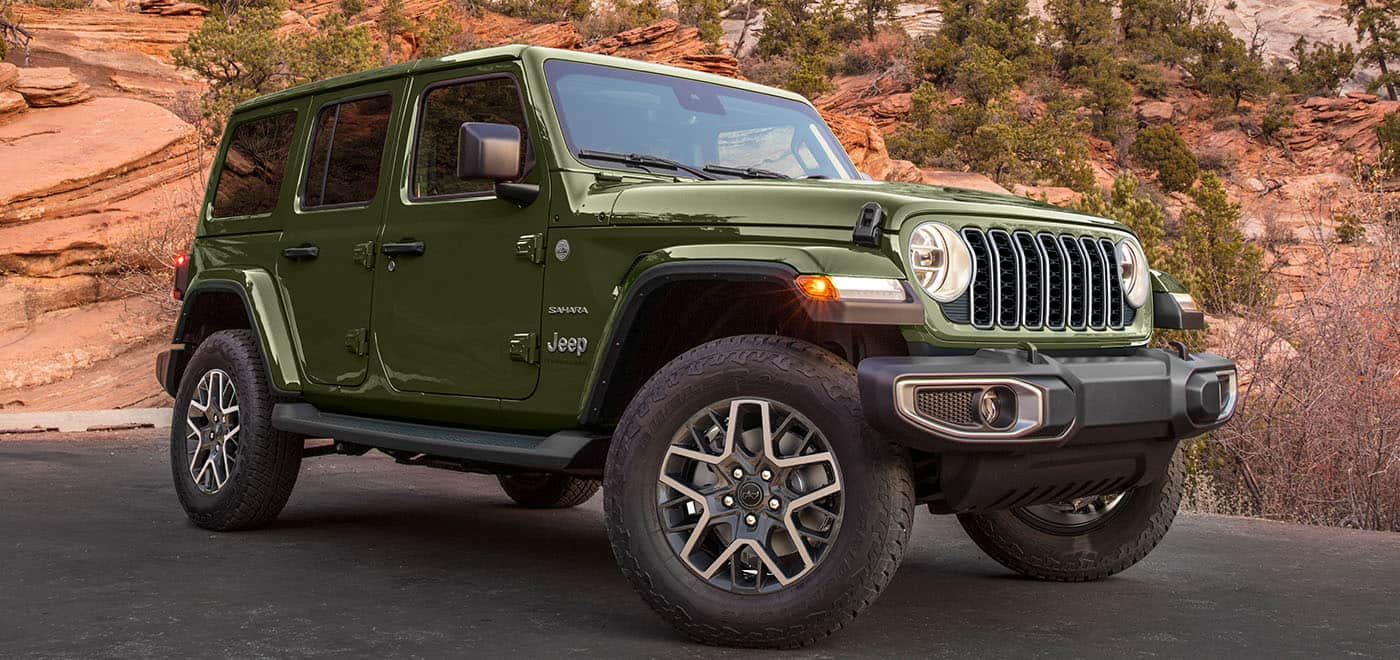
The Wrangler's body consists of numerous components, each with its own function and replacement considerations. Here's a breakdown of some of the most common and important body parts:
- Fenders: Located above the wheels, fenders protect the vehicle from debris and contribute to its overall appearance. Aftermarket fenders come in various styles, including flat fenders, high clearance fenders, and tube fenders, offering different levels of protection and clearance.
- Bumpers: Front and rear bumpers provide impact protection and can be upgraded for increased strength and off-road functionality. Popular options include steel bumpers with winch mounts, rock sliders, and integrated lighting.
- Hoods: The hood covers the engine compartment and can be customized with different styles, such as cowl hoods, vented hoods, and lightweight aluminum hoods.
- Grilles: The grille is a defining feature of the Wrangler's front end. Aftermarket grilles offer a range of styles, from aggressive mesh designs to classic slotted patterns.
- Doors: Wrangler doors are removable, allowing for an open-air driving experience. Replacement doors are available in various materials, including steel, aluminum, and composite. You can also find half doors for added protection while still enjoying the open feel.
- Side Steps/Rock Sliders: These provide protection for the rocker panels (the area below the doors) from rocks and other obstacles. They also serve as a step for easier access to the vehicle.
- Tailgate: The tailgate provides access to the rear cargo area. Replacements are available in steel or aluminum, and some feature integrated storage solutions.
- Hard Tops/Soft Tops: While technically not body parts in the strict sense, the hard top and soft top are integral to the Wrangler's overall appearance and functionality. Replacement tops are available in various materials and styles, including premium soft tops, retractable hard tops, and bikini tops.
- Body Armor: This includes corner guards, rocker guards, and skid plates, providing additional protection for vulnerable areas of the Wrangler's body.

III. Choosing the Right Body Parts: Factors to Consider
Selecting the appropriate body parts for your Wrangler involves several considerations:
- Year and Model: Ensure the parts are compatible with your specific Wrangler year and model. Different generations (TJ, JK, JL) have different body styles and mounting points.
- Material: Consider the material of the part. Steel is strong and durable but heavier than aluminum. Aluminum is lightweight and resistant to corrosion but can be more expensive. Composite materials offer a balance of strength and weight.
- Intended Use: If you primarily drive on the road, aesthetics may be your primary concern. However, if you're an avid off-roader, prioritize durability and functionality.
- Budget: Body parts range in price from budget-friendly options to high-end performance upgrades. Set a budget and stick to it.
- Installation: Some body parts are easy to install yourself, while others require professional installation. Consider your skill level and the complexity of the installation process.
- Brand Reputation: Research different brands and read reviews to ensure you're purchasing high-quality parts from a reputable manufacturer.
- Warranty: Check the warranty offered by the manufacturer. A longer warranty indicates greater confidence in the product's quality.
IV. DIY Installation vs. Professional Installation: A Guide
Deciding whether to install body parts yourself or hire a professional depends on your skill level, the complexity of the installation, and the tools required.
-
DIY Installation (Pros):
- Cost savings on labor.
- Personal satisfaction.
- Greater control over the process.
-
DIY Installation (Cons):
- Requires time and effort.
- Potential for errors.
- May require specialized tools.
- Could void warranties if not installed correctly.
-
Professional Installation (Pros):
- Ensures proper installation.
- Saves time and effort.
- Reduces the risk of errors.
- Provides warranty coverage for installation.
-
Professional Installation (Cons):
- Higher cost due to labor charges.
- Requires scheduling an appointment.
Generally, simpler installations like replacing a grille or installing side steps can be tackled by experienced DIYers. More complex installations, such as replacing fenders or bumpers, especially if welding or fabrication is involved, are best left to professionals.
V. Maintaining Your Wrangler's Body: Tips and Tricks
Proper maintenance can extend the life of your Wrangler's body and keep it looking its best:
- Regular Washing: Wash your Wrangler regularly to remove dirt, mud, and road salt.
- Waxing: Apply wax to protect the paint from UV rays and environmental contaminants.
- Touch-Up Paint: Use touch-up paint to repair small scratches and chips.
- Rust Prevention: Address rust promptly to prevent it from spreading. Consider using rust inhibitors and undercoating.
- Protective Coatings: Apply protective coatings like bedliner material to vulnerable areas like rocker panels and fenders.
- Regular Inspections: Inspect your Wrangler's body regularly for signs of damage or wear.
VI. Potential Challenges and Solutions
Working with Jeep Wrangler body parts can present some challenges:
- Finding the Right Parts: Ensure compatibility by verifying the year and model of your Wrangler. Use online resources and consult with experts.
- Rust Repair: Rust can be a common issue, especially in older Wranglers. Thoroughly remove rust, apply rust inhibitors, and use body filler to repair damaged areas.
- Alignment Issues: Improperly installed body panels can cause alignment issues. Double-check measurements and use shims to ensure proper alignment.
- Paint Matching: Matching the paint color can be tricky. Use the paint code on your Wrangler and consult with a paint specialist to ensure a perfect match.
- Stripped Bolts: Stripped bolts can be a frustrating problem. Use penetrating oil and a bolt extractor to remove stubborn bolts.
VII. Pricing Guide for Jeep Wrangler Body Parts
| Body Part | Material | Price Range (USD) | Notes |
|---|---|---|---|
| Front Bumper | Steel | $300 - $1500 | Prices vary based on features like winch mounts and D-ring attachments |
| Rear Bumper | Steel | $250 - $1200 | Prices vary based on features like tire carriers and integrated lights |
| Fender Flares (Set) | Plastic/Steel | $200 - $800 | Prices vary based on material and style (e.g., flat, high-clearance) |
| Hood | Steel/Aluminum | $400 - $1500 | Prices vary based on material and features like vents |
| Grille | Plastic/Metal | $100 - $500 | Prices vary based on style and brand |
| Side Steps/Rock Sliders | Steel | $200 - $800 | Prices vary based on length and mounting style |
| Door (Bare) | Steel/Aluminum | $500 - $2000 | Prices vary based on material and whether it's a full or half door |
| Hard Top | Fiberglass/Plastic | $1500 - $4000 | Prices vary based on features like insulation and window options |
| Soft Top | Canvas/Vinyl | $500 - $2000 | Prices vary based on material and features like tinted windows |
| Tailgate | Steel/Aluminum | $300 - $1000 | Prices vary based on material and integrated features |
Note: These prices are estimates and may vary depending on the brand, retailer, and specific features of the body part. Installation costs are not included.
VIII. Frequently Asked Questions (FAQ)
-
Q: Where can I buy Jeep Wrangler body parts?
- A: You can purchase body parts from online retailers, local auto parts stores, and Jeep dealerships.
-
Q: What is the best material for off-road bumpers?
- A: Steel is generally considered the best material for off-road bumpers due to its strength and durability.
-
Q: Can I install a body lift myself?
- A: Installing a body lift requires some mechanical knowledge and experience. It's recommended to have it professionally installed if you're not comfortable working on your vehicle.
-
Q: How do I find the paint code for my Jeep Wrangler?
- A: The paint code is typically located on a sticker on the driver's side door jamb or under the hood.
-
Q: Are aftermarket body parts as good as OEM parts?
- A: Aftermarket body parts can be just as good as OEM parts, and sometimes even better, depending on the manufacturer and the intended use. Research the brand and read reviews before purchasing.
IX. Conclusion
The world of Jeep Wrangler body parts offers endless possibilities for customization, repair, and enhancement. By understanding the different components, considering your needs and budget, and following the tips outlined in this guide, you can make informed decisions and transform your Wrangler into the ultimate expression of your personal style and off-road aspirations. Remember to prioritize safety, choose quality parts, and don't hesitate to seek professional help when needed. Happy Jeeping!
0 comments