Introduction: Unleash the Off-Road Potential of Your Cherokee
The Jeep Cherokee, a name synonymous with rugged capability and adventurous spirit, has long been a favorite among off-road enthusiasts. A key feature that contributes to this reputation is its four-wheel-drive (4WD) system. While modern Cherokees offer various 4WD options, the "part-time" 4WD system, particularly in older models like the XJ, holds a special place in the hearts of many. This article delves deep into the world of Jeep Cherokee part-time 4WD, exploring its mechanics, benefits, usage, and essential considerations for both seasoned off-roaders and those new to the Jeep experience.
Jeep Cherokee Part-Time 4WD: A Comprehensive Guide
Understanding Part-Time 4WD: The Basics
Part-time 4WD, as the name suggests, is a system designed for use in specific conditions, primarily off-road or in slippery situations like snow and ice. Unlike full-time 4WD or all-wheel-drive (AWD) systems, part-time 4WD does not have a center differential. This means that when engaged on high-traction surfaces like dry pavement, the front and rear axles are locked together, forcing them to rotate at the same speed. This can lead to driveline binding, stress on components, and potentially damage to the transfer case, axles, and tires.
Key Components of the Cherokee Part-Time 4WD System
- Transfer Case: The heart of the system, the transfer case distributes power from the transmission to both the front and rear axles. In part-time systems, it typically offers 2WD, 4-High (4H), and 4-Low (4L) modes.
- Front and Rear Axles: These axles transmit power from the transfer case to the wheels.
- Shift Lever or Electronic Switch: This allows the driver to select the desired drive mode.
- Vacuum or Cable Actuators: Some systems utilize vacuum or cable-operated actuators to engage the front axle.
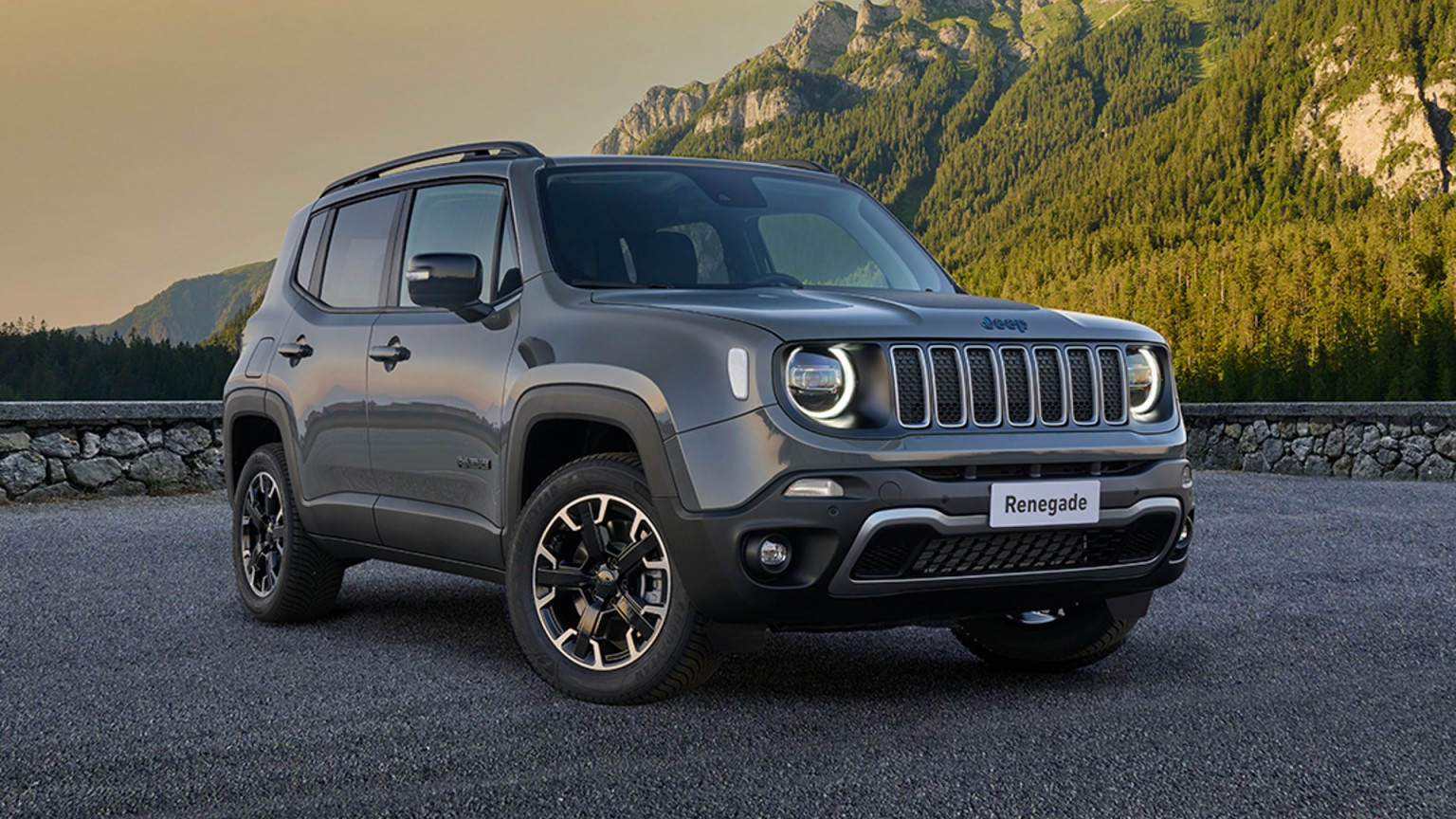
Benefits of Part-Time 4WD in a Jeep Cherokee
- Superior Off-Road Traction: Part-time 4WD provides excellent traction in challenging terrain such as mud, sand, rocks, and snow. The locked axles ensure that power is distributed evenly, preventing wheel spin and maximizing grip.
- Increased Durability: When properly maintained and used appropriately, part-time 4WD systems are generally robust and reliable.
- Cost-Effectiveness: Compared to some advanced 4WD systems, part-time setups are often simpler and more affordable to maintain.
- Fuel Efficiency in 2WD: When not needed, disengaging 4WD allows the Cherokee to operate in 2WD, improving fuel economy and reducing wear and tear.
How to Engage and Disengage Part-Time 4WD
The engagement procedure can vary slightly depending on the specific Cherokee model and year. However, the general steps are as follows:
-
2H to 4H:
- Slow down to a speed below 55 mph (check your owner's manual for the exact recommended speed).
- Shift the transfer case lever from 2H (2-High) to 4H (4-High) while the vehicle is moving.
- In some cases, you may need to momentarily release the accelerator pedal for a smoother shift.
-
4H to 4L:
- Bring the vehicle to a complete stop.
- Shift the transmission into Neutral (N).
- Firmly shift the transfer case lever from 4H to 4L (4-Low).
- You may need to rock the vehicle slightly forward or backward to fully engage 4L.
- Shift the transmission back into Drive (D) or Reverse (R) as needed.
-
Disengaging 4WD (4L to 4H or 4H to 2H):
- Follow the reverse steps of engagement. For 4L to 4H, come to a complete stop, shift to Neutral, and shift the transfer case. For 4H to 2H, slow down to an appropriate speed and shift the transfer case while moving.
Important Considerations and Cautions
- Never Use 4WD on Dry Pavement: As mentioned earlier, using part-time 4WD on high-traction surfaces can cause driveline binding and damage.
- Regular Maintenance: Inspect and service the transfer case, axles, and other components regularly to ensure proper functioning.
- Understanding Terrain: Choose the appropriate 4WD mode based on the terrain conditions. 4H is suitable for light off-road or snowy roads, while 4L is for more extreme situations.
- Listen to Your Vehicle: If you hear unusual noises or feel vibrations while in 4WD, disengage the system immediately and investigate the cause.
- Front Axle Disconnect: Some older Cherokees have a vacuum-operated central axle disconnect (CAD) system. Ensure this system is functioning correctly for proper 4WD engagement. Many owners choose to bypass the CAD system with a solid shaft for increased reliability.
Troubleshooting Common Issues
- 4WD Not Engaging: Check vacuum lines (if applicable), shift linkage, and transfer case fluid level.
- Grinding Noises: Could indicate a worn transfer case chain, damaged gears, or low fluid level.
- Vibrations: May be caused by driveline binding, worn u-joints, or unbalanced tires.
Tips for Maximizing Your Cherokee's Part-Time 4WD Performance
- Proper Tire Pressure: Adjust tire pressure according to the terrain. Lowering tire pressure increases the contact patch and improves traction in soft conditions like sand and mud.
- Momentum: Maintain a steady speed and use momentum to navigate obstacles.
- Spotting: When tackling challenging terrain, have a spotter guide you to avoid obstacles and ensure safe passage.
- Recovery Gear: Carry essential recovery gear such as a tow strap, shackles, and a shovel.
- Know Your Limits: Don't attempt obstacles beyond your skill level or the capabilities of your vehicle.
Conclusion: Embrace the Ruggedness of Cherokee Part-Time 4WD
The Jeep Cherokee with part-time 4WD offers a capable and reliable off-road experience. By understanding the system's mechanics, benefits, and limitations, you can confidently navigate challenging terrain and enjoy the freedom that comes with owning a true off-road vehicle. Remember to use the system responsibly, maintain it properly, and respect the environment. With the right knowledge and preparation, your Cherokee will be ready for any adventure.
Jeep Cherokee Part Time 4WD Price Table
| Component | Description | Average Price (USD) | Notes |
|---|---|---|---|
| Transfer Case (Used) | NP231 (Most Common) | $200 - $500 | Price varies based on condition and mileage. |
| Transfer Case (Rebuilt) | NP231 | $500 - $1000 | Offers better reliability than used. |
| Transfer Case Shift Linkage Kit | Replacement linkage for smoother shifting | $50 - $150 | Improves shift quality. |
| Front Axle U-Joints | Replacement U-Joints for front axle shafts | $20 - $50 (per U-Joint) | Essential for preventing vibrations and axle failure. |
| Rear Axle U-Joints | Replacement U-Joints for rear driveshaft | $20 - $50 (per U-Joint) | Essential for preventing vibrations and driveshaft failure. |
| Vacuum Lines (for CAD systems) | Replacement Vacuum lines for central axle disconnect | $20 - $50 | For Cherokees with CAD systems. |
| CAD Elimination Kit | Eliminates CAD system for increased reliability | $100 - $300 | Replaces the CAD with a solid shaft. |
| Transfer Case Fluid | High-quality transfer case fluid | $10 - $20 (per quart) | Use correct fluid type for your transfer case. |
| 4WD Actuator | Vacuum or electrical actuator for engaging front axle | $50 - $200 | For Cherokees with electronic or vacuum actuated systems |
| Tires (Off-Road) | Off-road tires improve traction in 4wd | $150 - $400 per tire | All-terrain or mud-terrain tires are recommended. |
| Lift Kit | Provides more ground clearance for improved off-road performance | $300 - $2000 | Varies based on lift height and quality. |
Note: Prices are estimates and can vary based on location, supplier, and specific vehicle configuration. Labor costs for installation are not included.
Frequently Asked Questions (FAQ)
-
Q: Can I use 4H on wet pavement?
- A: While it might seem helpful, it's generally not recommended. Even on wet pavement, there's still enough traction to cause driveline binding. It's better to use 2H and drive cautiously.
-
Q: How often should I service my transfer case?
- A: Refer to your owner's manual for specific recommendations. Generally, changing the transfer case fluid every 30,000-60,000 miles is a good practice.
-
Q: What does "driveline binding" mean?
- A: Driveline binding occurs when the front and rear axles are forced to rotate at the same speed on a high-traction surface. This creates stress on the drivetrain components, leading to potential damage.
-
Q: Is it okay to shift into 4H while driving at highway speeds?
- A: No. Most part-time 4WD systems recommend shifting into 4H at speeds below 55 mph. Check your owner's manual for the specific recommended speed.
-
Q: My 4WD won't engage. What should I check first?
- A: Start by checking the transfer case fluid level, shift linkage, and vacuum lines (if applicable). Also, ensure that the front axle disconnect (CAD) system (if equipped) is functioning correctly.
-
Q: What is the difference between 4-High and 4-Low?
- A: 4-High provides increased traction for general off-road or slippery conditions. 4-Low provides significantly more torque and is designed for very challenging terrain. The transfer case uses gears to lower the effective gear ratio in 4L, multiplying the engine's torque output.

0 comments